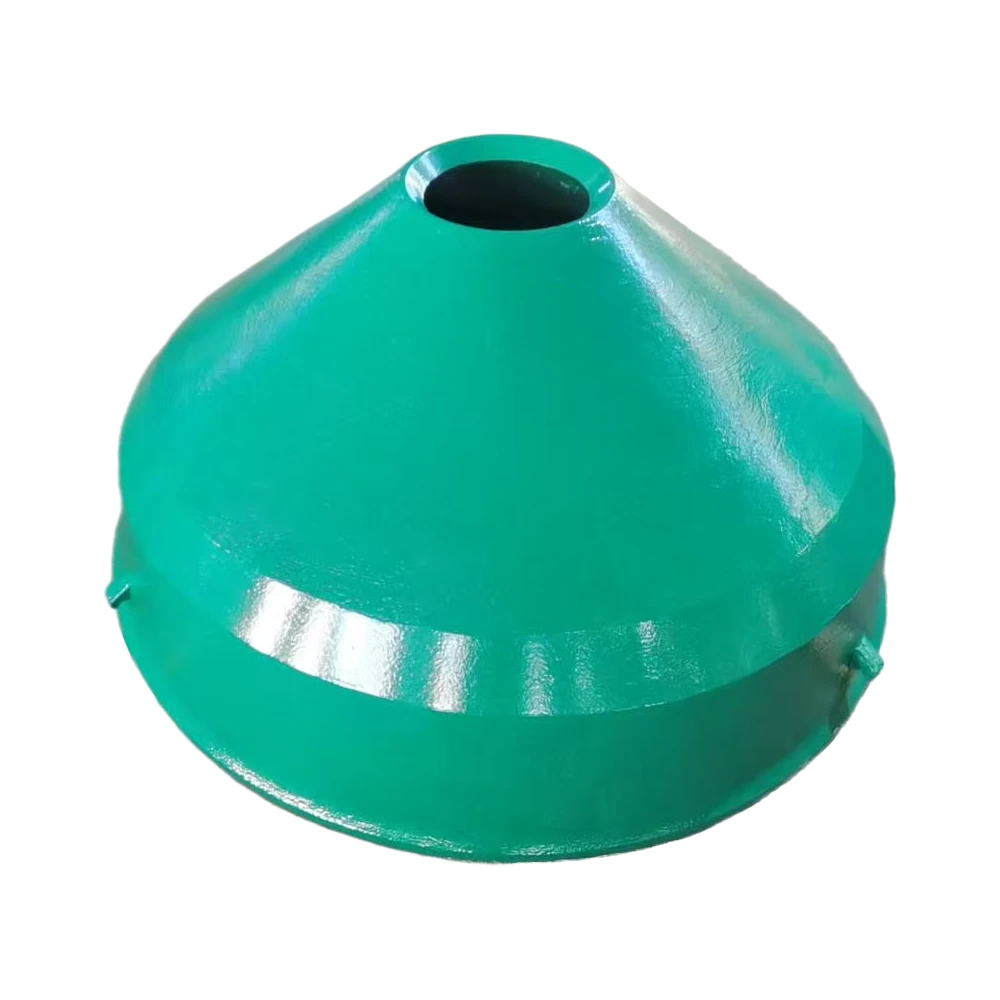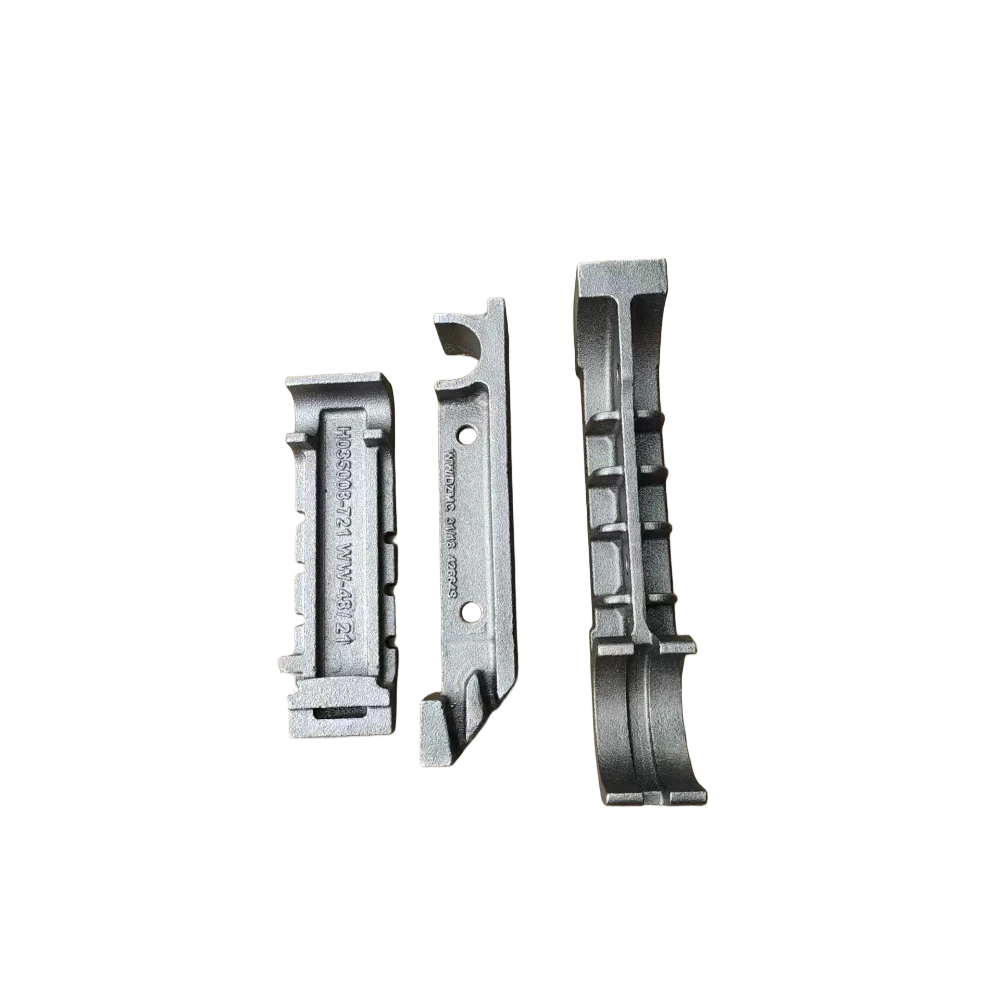
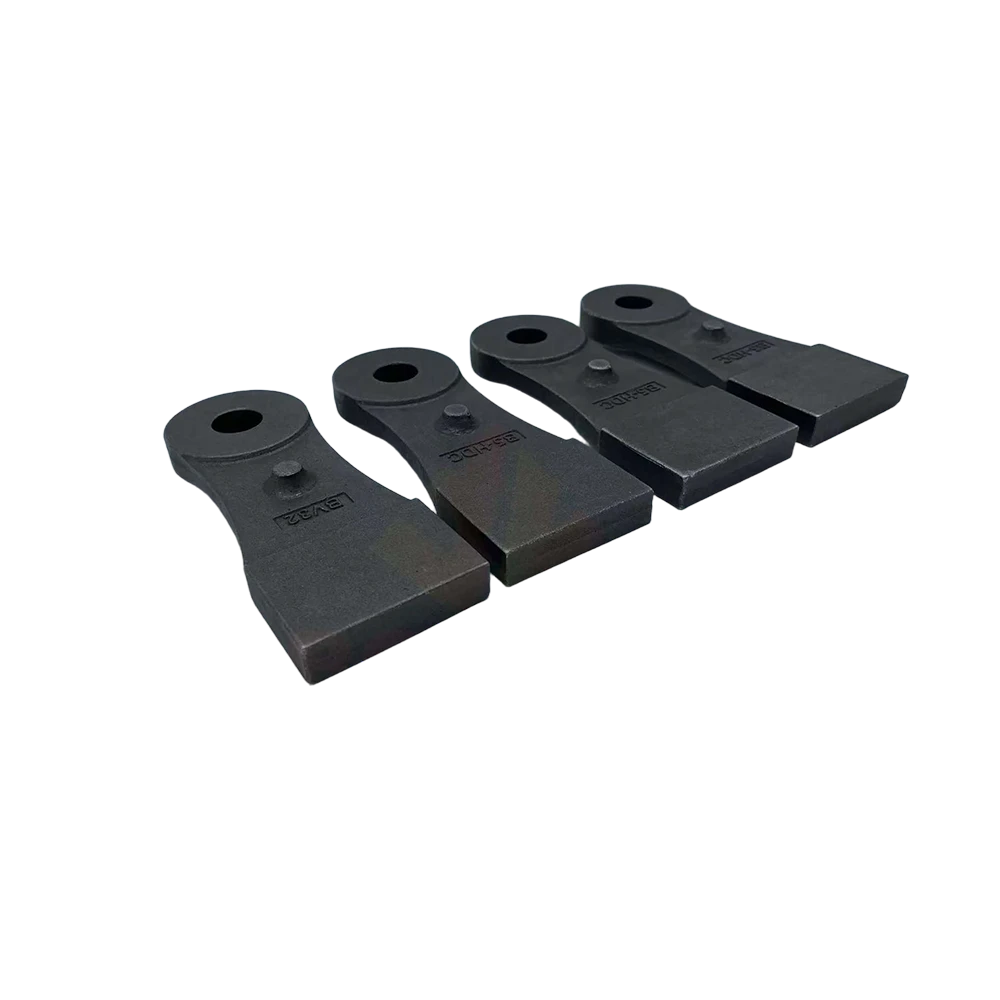
Ecuador's industrial sector is heavily influenced by its diverse geography, from the high altitudes of the Andes to the humid coastal plains. This environment creates unique challenges for machinery, where equipment often faces simultaneous thermal stress and corrosive atmospheric conditions. The demand for cast heat resistant steel has surged as local mining operations seek components that can withstand extreme operational temperatures without losing structural integrity.
In cities like Quito and Guayaquil, the manufacturing hub is transitioning toward more specialized alloys. Traditional casting methods are being replaced by high-precision techniques, particularly for heat resistant cast iron used in furnace linings and industrial valves. The local market is currently characterized by a shift from generic imports to customized engineering solutions that account for the specific volcanic soil acidity and altitude-related oxidation rates found in Ecuador.
Furthermore, the oil and gas infrastructure in the Oriente region requires specialized piping. The integration of heat resistant steel pipe has become critical for transporting high-temperature fluids across varying terrains, ensuring that thermal expansion does not lead to catastrophic pipe failure in the delicate Amazonian ecosystem.