High-Performance heat resistant steel alloys Solutions for Bolivia's Mining Industry

Engineering precision-cast components to withstand extreme thermal stress and abrasive environments across the Bolivian Altiplano.

High-Performance heat resistant steel alloys Solutions for Bolivia's Mining Industry

Providing advanced metallurgy for Bolivia's critical infrastructure, focusing on longevity and thermal stability in smelting and extraction processes.

Current State of Metallurgical Casting in Bolivia

Analyzing the demand for high-temperature resilience in South American mining hubs.

Bolivia's industrial landscape, dominated by tin, silver, and lithium extraction, faces significant challenges due to the high altitudes of the Andes. Equipment utilizing cast heat resistant steel is under constant pressure from both extreme thermal fluctuations and corrosive chemical environments typical of the Potosí and Oruro regions.

Currently, many local operations rely on legacy components that suffer from premature thermal fatigue. The introduction of heat resistant cast iron has provided a mid-tier solution, but the shift toward higher-efficiency smelting requires materials that maintain structural integrity at temperatures exceeding 800°C.

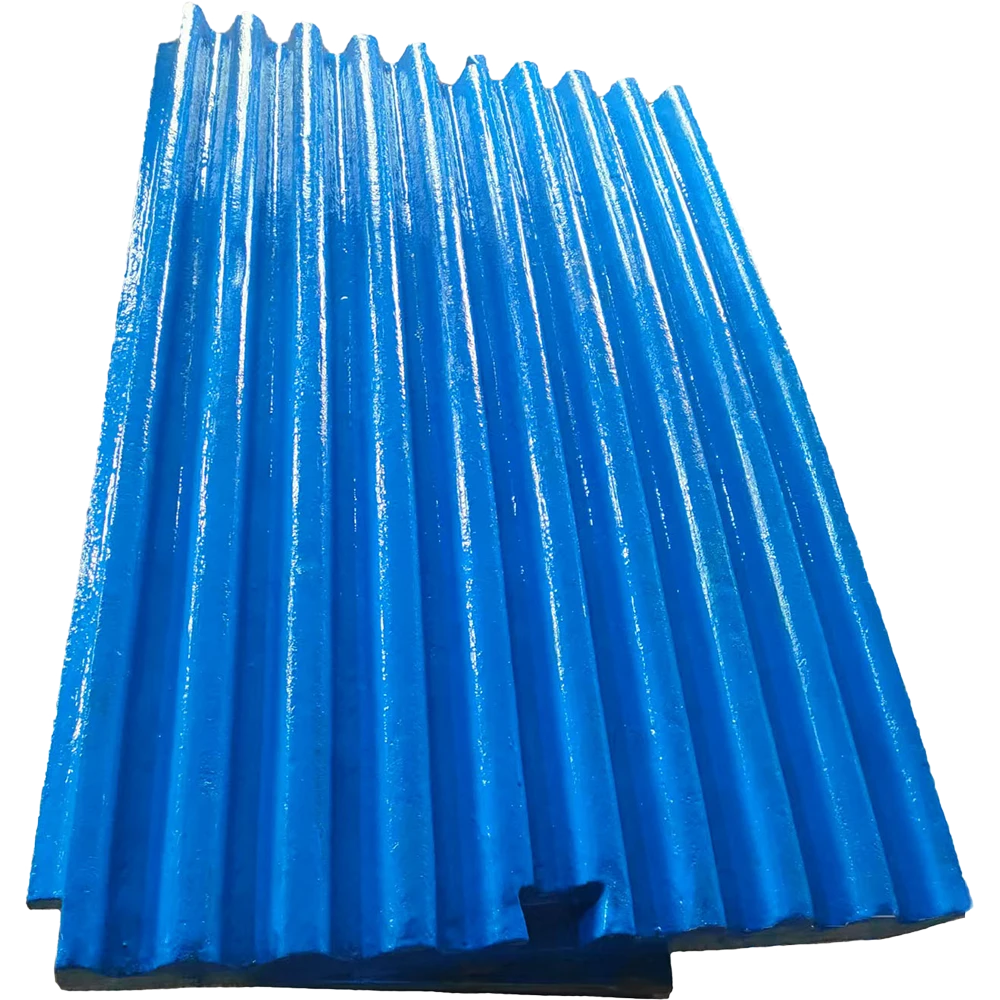
Furthermore, the wear-and-tear on heavy machinery in Bolivian open-pit mines has intensified the need for specialized ar400 steel heat treatment to ensure that wear plates and liners can withstand both impact and the heat generated by friction during ore processing.
Evolution and Trajectory of Heat-Resistant Casting

From traditional foundry methods to precision-engineered alloy casting.

Market Development History

In the early 2000s, the Bolivian market relied primarily on generic carbon steels. However, as smelting temperatures increased to improve purity, the industry transitioned toward heat resistant steel pipe systems to handle molten transport more safely.

By 2010-2015, the focus shifted toward alloying. The integration of Chromium and Nickel into casting processes allowed for the creation of components that resisted oxidation, marking the first widespread adoption of specialized heat-resistant alloys in the local mining sector.

From 2018 to the present, the emphasis has moved toward "Precision Heat Treatment." The application of controlled quenching and tempering, specifically for high-strength alloys, has reduced downtime for Bolivian industrial plants by approximately 30%.

Future Development Trends

Advanced Nano-Alloying

The next 3 years will see the rise of nano-structured alloys that prevent grain growth at extreme temperatures, significantly extending the life of furnace linings.

Digital Twin Casting Simulation

Integration of AI-driven thermal simulation to predict the failure points of cast components before they are deployed in the field.

Sustainable Metallurgy

A shift toward "Green Casting" techniques that reduce carbon emissions during the production of high-temperature steel components.

Industry Trends and Future Outlook

Strategizing for the next era of metallurgical durability in South America.

Thermal Resistance Optimization
Increasing the operational ceiling of alloys to handle higher temperatures without deformation.
Precision Heat Treatment
Implementing automated cooling cycles to maximize the hardness and elasticity of steel components.
Alloy Customization
Tailoring chemical compositions specifically for the abrasive minerals found in the Andes.
Life Cycle Monitoring
Using embedded sensors in cast parts to monitor thermal fatigue in real-time.

Industry Outlook

Based on Google search trends for industrial maintenance in South America, there is a growing surge in demand for "high-temperature durability" and "corrosion-resistant casting." This indicates that Bolivian operators are moving away from low-cost, short-life parts toward high-value engineered solutions.

In the coming years, we anticipate a consolidation of the supply chain where manufacturers providing integrated casting and heat treatment services will dominate, as they can guarantee the final material properties required for extreme mining environments.

Localized Application Scenarios in Bolivia

Practical implementations of heat-resistant materials in regional industries.

01. Smelting Furnace Linings in Potosí

Implementing specialized alloys to prevent slag penetration and thermal cracking in traditional tin smelting furnaces.

02. Molten Metal Transport Systems

Utilization of high-grade heat resistant steel pipe to ensure zero-leakage transport of molten alloys during the refining process.

03. Lithium Processing Plants

Custom-cast components designed to handle the specific chemical heat reactions required for lithium carbonate extraction in the Salar de Uyuni region.

04. Heavy Mining Crusher Liners

Applying rigorous heat treatment to AR400 plates to ensure they maintain hardness while resisting the heat generated by continuous high-pressure crushing.

05. High-Temperature Valve Casting

Developing precision-cast valves for geothermal energy exploration in the volcanic regions of the Andes.

Brand Story

Global Development History of Hebei Dezhong Machinery Co., Ltd.

Foundational Excellence

Established with a focus on heavy-duty casting, mastering the art of molten metal control for industrial equipment.

Metallurgical Innovation

Developed proprietary alloy blends to solve the "thermal fatigue" pain point common in high-temperature industrial casting.

Global Market Expansion

Extended engineering services to South America, adapting designs to meet the rigorous demands of high-altitude mining.

Precision Certification

Achieved international quality standards for heat treatment and casting, ensuring reliability for mission-critical components.

Future Vision

Commitment to sustainable casting and the development of the next generation of ultra-heat-resistant metallurgical solutions.

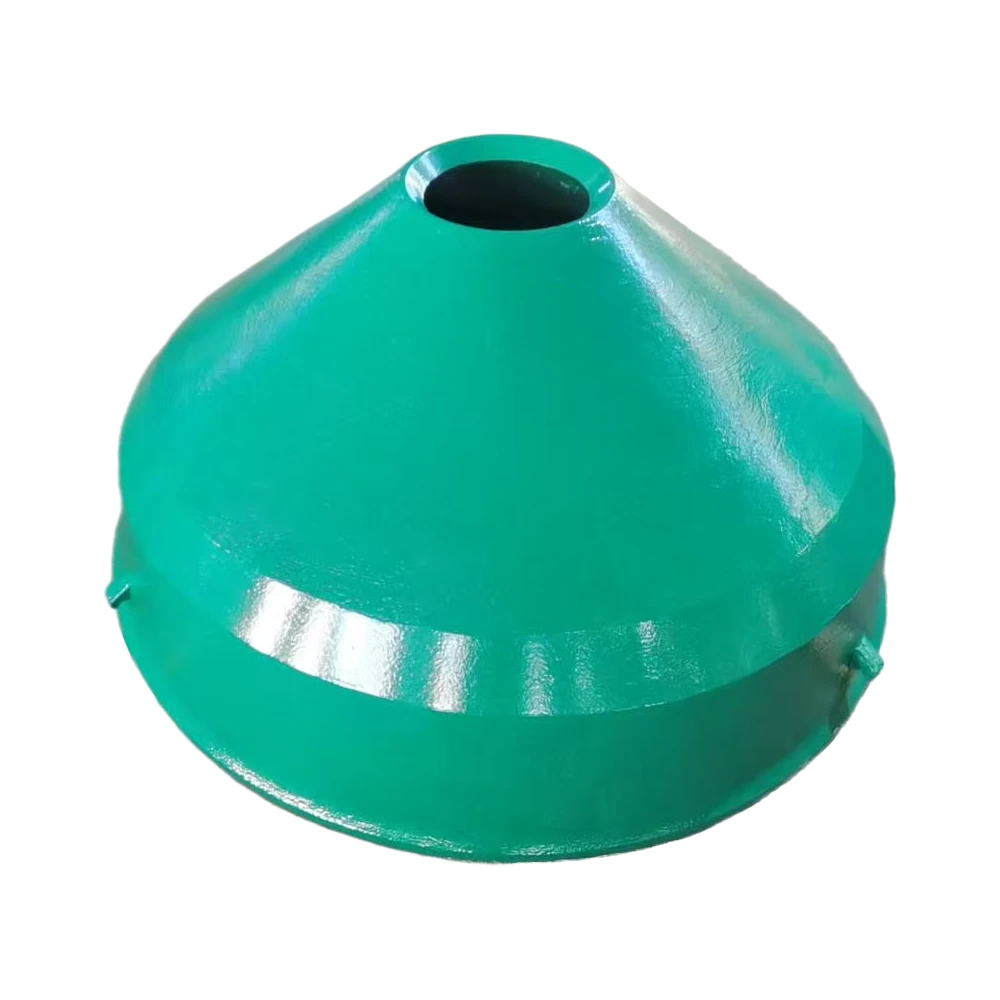
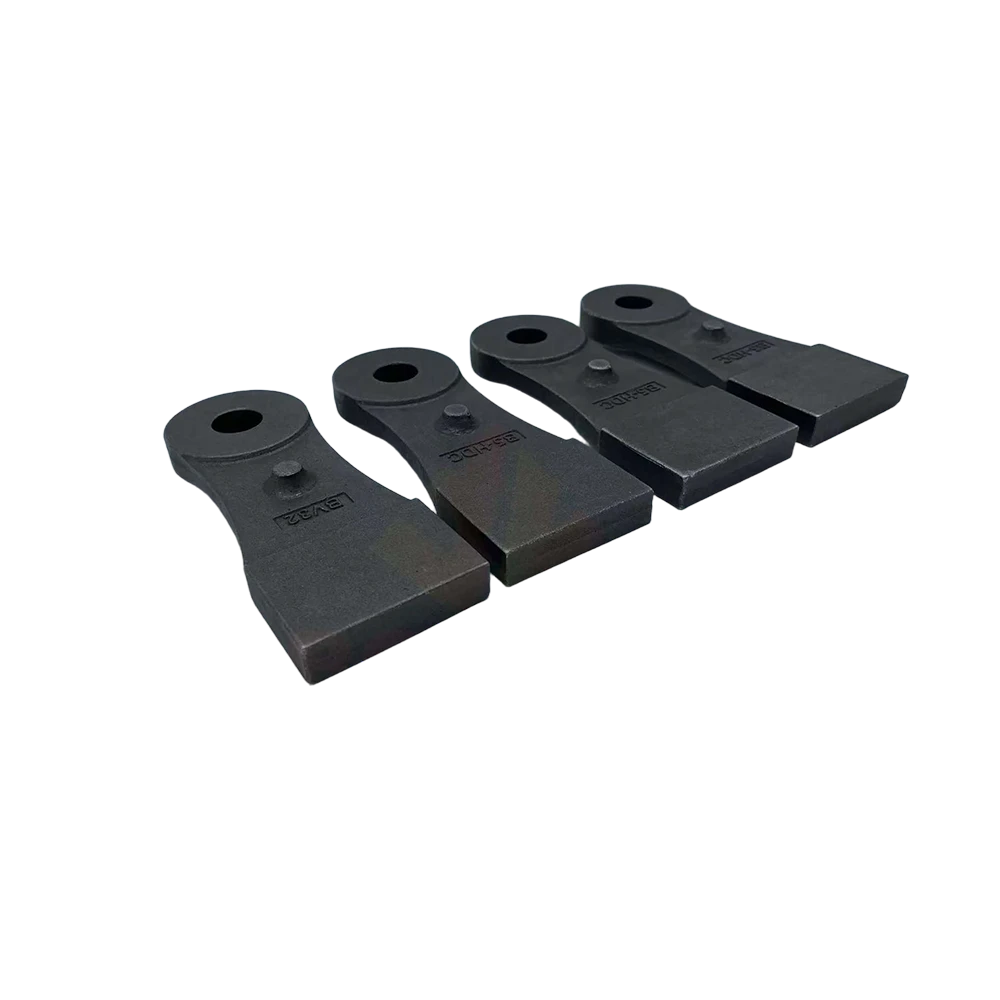
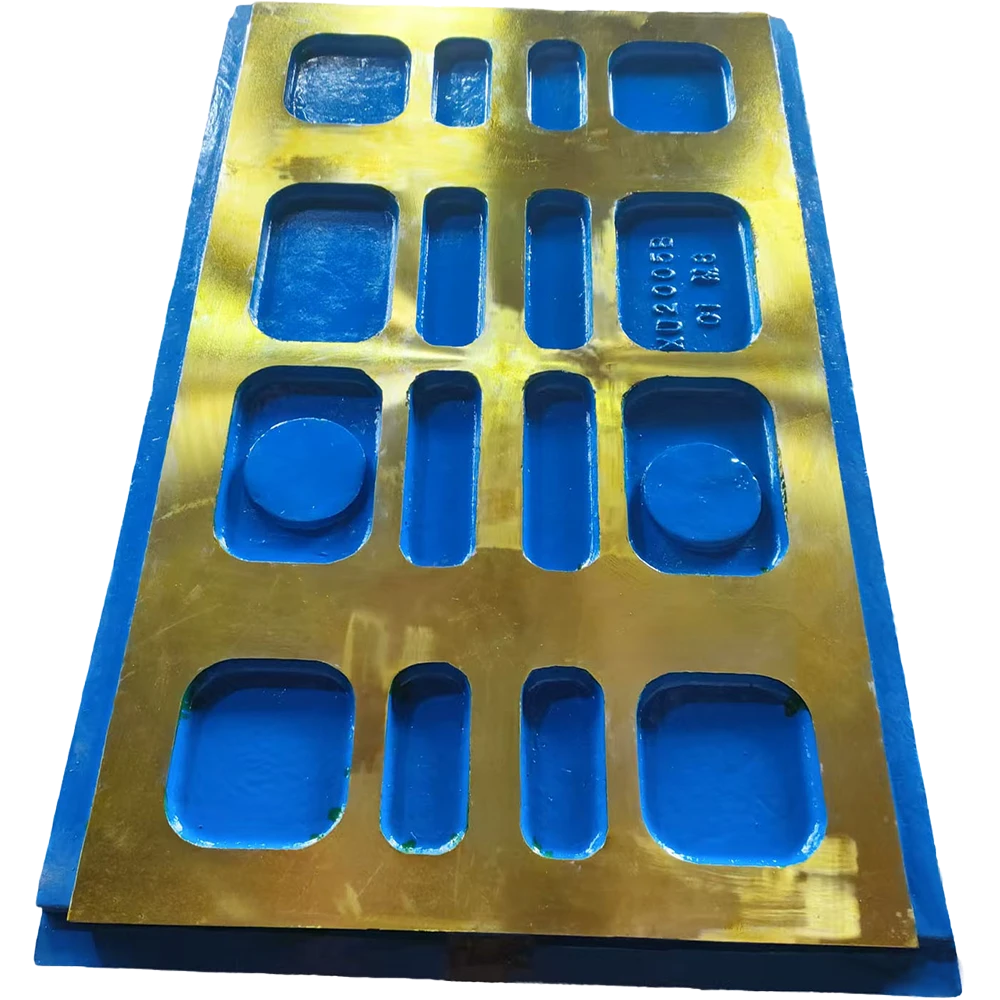
Complete Product Portfolio for the Bolivian Industrial Market

Comprehensive casting solutions from raw alloy pipes to fully heat-treated wear components.

Common Questions in the Bolivian Casting Sector

Technical clarifications for regional engineers and procurement managers.

How does altitude affect the performance of cast heat resistant steel?

At high altitudes like the Bolivian Altiplano, oxygen levels are lower, which can affect the oxidation rate of steel. However, the extreme temperature swings require materials with low thermal expansion coefficients to prevent cracking.

What is the advantage of heat resistant cast iron over standard alloys?

It offers superior vibration damping and excellent compressive strength at elevated temperatures, making it ideal for heavy-duty furnace supports.

Why is ar400 steel heat treatment critical for mining wear parts?

Without precise heat treatment, AR400 can become brittle or lose its hardness when exposed to the friction heat of ore processing, leading to rapid failure.

Can heat resistant steel pipe be customized for corrosive mining fluids?

Yes, by adjusting the Chromium and Nickel content during the casting process, we can enhance both the thermal and chemical resistance of the piping.

What are the key identifiers of high-quality heat resistant steel alloys?

Key indicators include a consistent grain structure, absence of casting voids, and a certified thermal analysis report proving stability at target temperatures.

How often should heat-resistant cast components be inspected in Bolivia?

Due to the abrasive nature of Bolivian ores, we recommend ultrasonic testing every 6 months to detect internal thermal fatigue cracks.

Get Expert Metallurgical Support

Contact our engineering team for customized heat-resistant casting solutions tailored to the specific industrial needs of Bolivia.

Contact Us Now

If you are interested in our products, you can choose to leave your information here, and we will be in touch with you shortly.