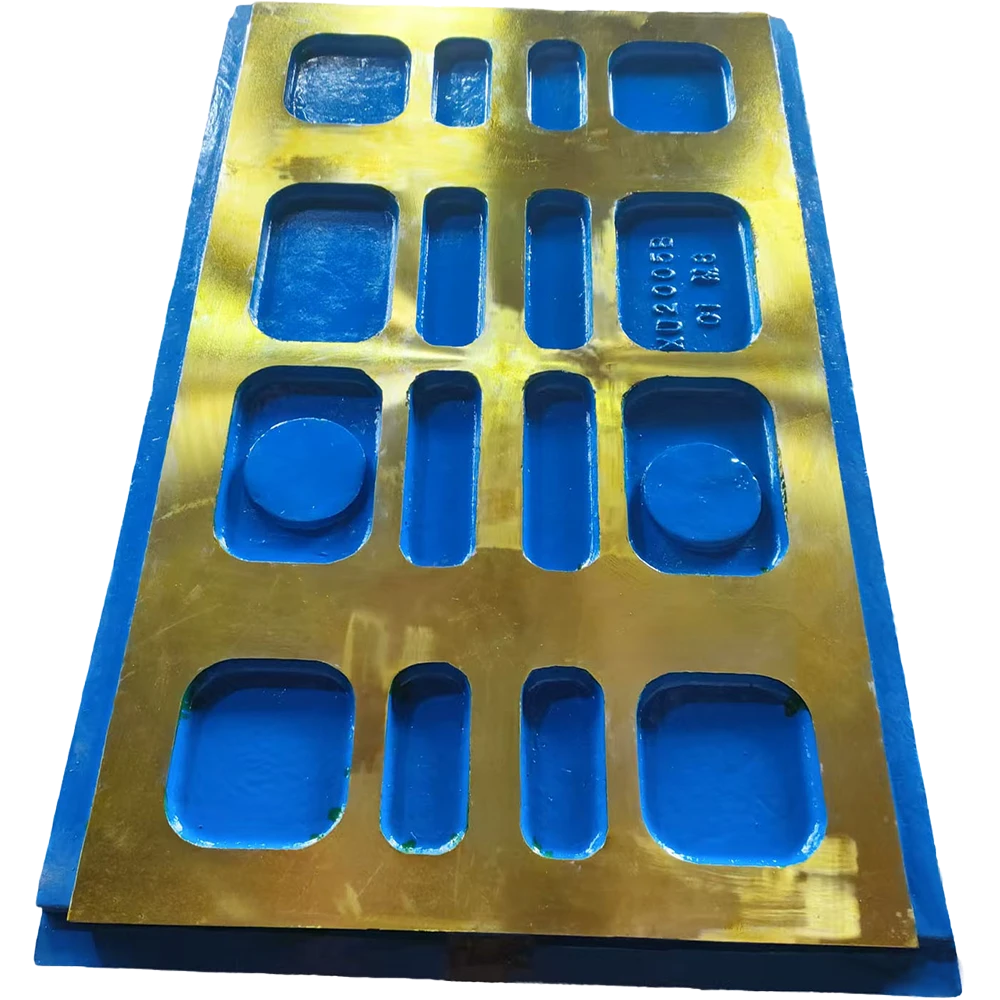
Uruguay Heavy Industry Solutions for heat resistant steel alloys

Providing high-performance casting and precision thermal engineering to enhance the operational longevity of Uruguay's industrial infrastructure.

Uruguay Heavy Industry Solutions for heat resistant steel alloys

We deliver advanced metallurgical solutions specifically engineered for the demanding thermal environments of Uruguay's manufacturing and energy sectors, focusing on durability and thermal stability.

Current Landscape of Metal Casting in Uruguay

Analyzing the intersection of South American logistics and high-temperature metallurgy.

In Uruguay, the manufacturing sector is closely tied to agricultural processing and energy production. The demand for cast heat resistant steel has grown as local pulp mills and power plants seek to reduce downtime caused by thermal fatigue in critical components.

The local market faces challenges due to the specific humid coastal climate of the Rio de la Plata region, which accelerates corrosion in non-treated metals. This has led to an increased reliance on heat resistant cast iron for machinery that must withstand both extreme heat and atmospheric oxidation.

Currently, most high-end thermal components are imported, but there is a shifting trend toward specifying precise ar400 steel heat treatment standards to ensure that wear-resistant parts used in Uruguayan mining and construction can survive fluctuating thermal cycles.
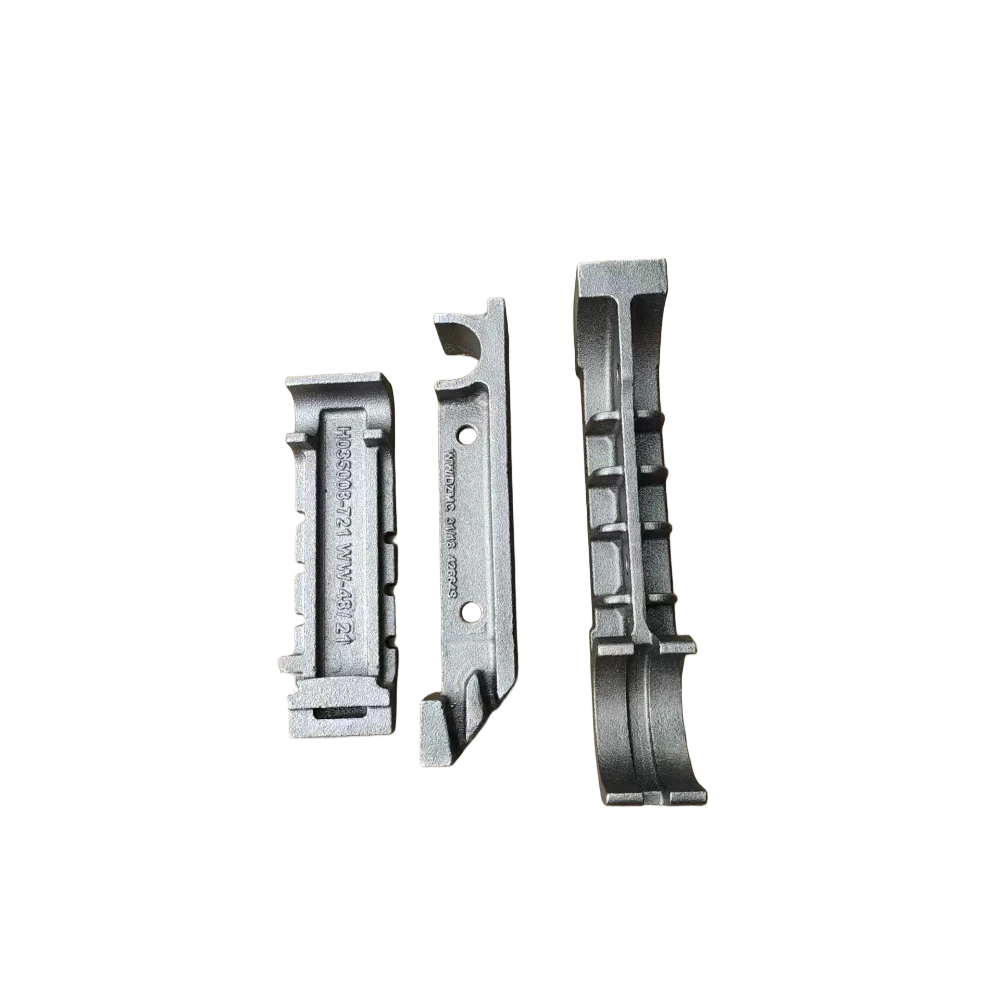
Evolution of Thermal Casting in the Uruguayan Market

From basic ironworks to precision-engineered heat-resistant alloys.

Market Development History

Historically, from the mid-20th century, Uruguay relied on traditional grey iron casting for its industrial needs. However, by the 1990s, the expansion of the energy grid required materials that could handle higher temperatures without warping.

The early 2000s marked a transition toward specialized heat resistant steel pipe applications, particularly in the transport of high-temperature fluids for chemical processing and steam generation in the interior provinces.

In the last decade, the integration of global standards has pushed the local industry toward advanced metallurgy, moving from simple castings to complex heat resistant steel alloys that offer superior creep resistance and oxidation stability.

Future Development Trends

Integration of Smart Alloys

Expected shift toward alloys with embedded sensors to monitor thermal degradation in real-time within Uruguayan power plants.

Eco-Friendly Casting Processes

Transitioning toward low-emission casting techniques to align with Uruguay's aggressive national green energy targets.

Additive Manufacturing Hybridization

Combining traditional casting with 3D metal printing for complex internal cooling channels in heat-resistant components.

Future Outlook: Thermal Metallurgy in South America

Predicting the trajectory of high-temperature materials for the next 5 years.

Advanced Thermal Coating
Merging cast alloys with nano-ceramic coatings to extend life cycles in extreme heat.
Precision Heat Treatment
Implementation of computer-controlled quenching for consistent hardness in AR-grade steels.
Alloy Optimization
Developing cobalt-nickel based alloys to reduce thermal expansion coefficients.
Digital Twin Casting
Using simulation software to predict thermal stress before the actual casting process.

Industry Outlook

Based on Google Search trends for industrial materials in the Southern Cone, there is a marked increase in queries related to sustainable metallurgy and high-efficiency thermal conductors. This indicates a market shift toward "Green Steel" and alloys that enable higher energy efficiency in industrial boilers.

Within the next 3-5 years, we expect the Uruguayan market to move away from generic casting toward highly customized, application-specific alloys that prioritize the reduction of CO2 emissions during the heating phase.

Localized Application Scenarios in Uruguay

Practical implementations of thermal resistant alloys in regional industries.

1. Pulp and Paper Mill Thermal Valves

Utilization of cast heat resistant steel for valves and manifolds in Uruguayan pulp mills to withstand aggressive chemical vapors at high temperatures.

2. Livestock Processing Incinerators

Implementing heat resistant cast iron for combustion chamber linings in large-scale meat processing plants to ensure structural integrity under continuous heat.

3. Agricultural Machinery Wear Plates

Applying precise ar400 steel heat treatment for harvester components that face high friction and intermittent heat during harvest cycles.

4. Industrial Steam Distribution Networks

Deploying heat resistant steel pipe systems in thermal energy plants across the interior regions of Uruguay to minimize heat loss and leakage.

5. Specialized Chemical Reactor Vessels

Using advanced heat resistant steel alloys for the construction of reaction chambers in small-scale chemical manufacturing units in Montevideo.

Brand Story

Global Development History of Hebei DZMC Machinery Co., Ltd.

Foundational Excellence

Established as a specialized foundry, we began by mastering the core principles of ferrous metallurgy and heavy casting.

Technical Breakthroughs

Developed proprietary heat treatment protocols that significantly improved the longevity of thermal resistant alloys for the global market.

Global Market Expansion

Extended our reach to South America, tailoring our product lines to meet the specific climatic and industrial needs of regions like Uruguay.

Quality Certification

Achieved international ISO and ASTM certifications, ensuring every cast piece meets the highest global safety and performance standards.

Sustainable Future

Now focusing on eco-friendly smelting and the development of next-generation heat-resistant materials for a greener planet.

Comprehensive Thermal Casting Portfolio for Uruguay

Our full range of heat-resistant solutions tailored for the Uruguayan industrial landscape.

Common Questions on High-Temp Casting in Uruguay

Expert answers to technical queries regarding thermal steel applications.

What are the benefits of cast heat resistant steel over standard alloys in humid climates?

Cast heat resistant steel provides a denser molecular structure that reduces the penetration of moisture and corrosive agents, which is critical for the humid coastal environment of Uruguay.

How does ar400 steel heat treatment improve wear resistance for agro-industrial tools?

The specific heat treatment process optimizes the martensitic structure, providing a balance between high hardness (wear resistance) and toughness, preventing cracks during heavy-duty use.

Can heat resistant cast iron be used for high-pressure boiler components?

Yes, specialized grades of heat resistant cast iron are designed to maintain structural integrity under pressure while resisting thermal oxidation at high temperatures.

What is the average lifespan of a heat resistant steel pipe in industrial steam systems?

Depending on the alloy grade and maintenance, our pipes are engineered to last 10-15 years even under continuous thermal cycling in industrial environments.

Which heat resistant steel alloys are best for chemical reactors in Montevideo?

We recommend Chromium-Nickel based alloys which offer an exceptional combination of corrosion resistance and high-temperature strength for chemical processing.

Do you provide customized thermal analysis for castings sent to Uruguay?

Yes, we provide comprehensive thermal stress simulations to ensure the casting design is optimized for the specific operating temperatures of your facility.

Ready to Upgrade Your Thermal Infrastructure?

Our engineering team is ready to provide precision casting solutions for your projects in Uruguay.

Contact Us Now

If you are interested in our products, you can choose to leave your information here, and we will be in touch with you shortly.