Jaw Crusher Plate FAQ: Specifications, Materials, Ordering and Support

QUESTIONS & ANSWERS
Jaw Crusher Plate FAQ: Specifications, Materials, Ordering and Support
This jaw crusher plate FAQ explains documented material options, hardness ranges, application matching, inspection checks, and the information buyers should clarify before requesting a crusher jaw plate. It distinguishes general guidance from details that must be confirmed for a specific crusher and material.
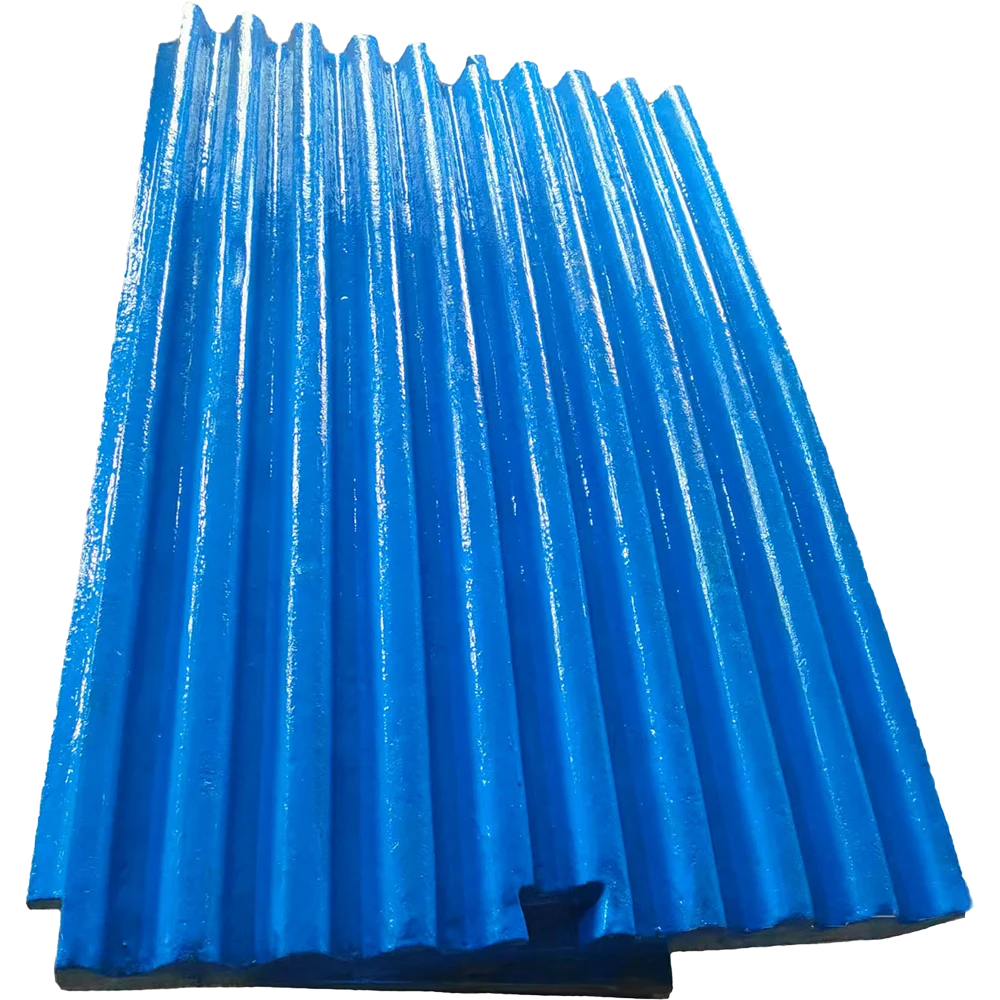
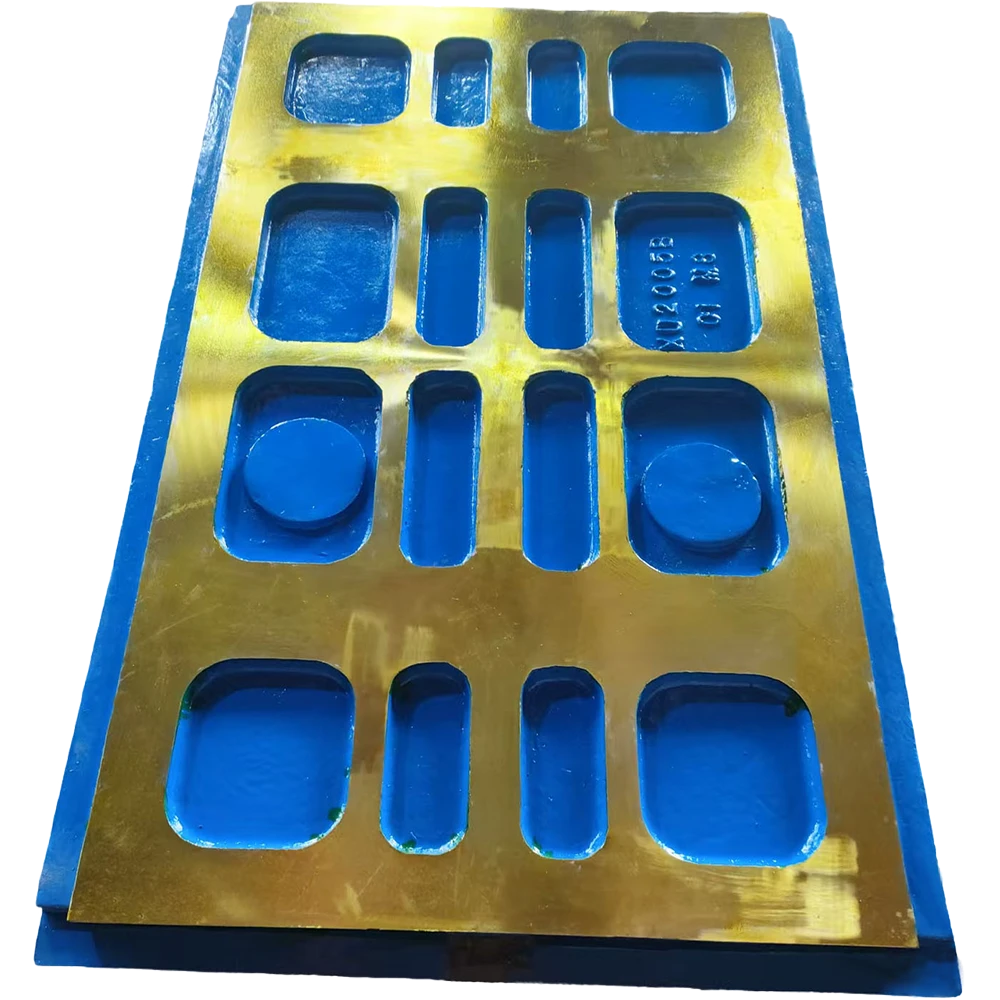
A jaw crusher plate is a wear component that directly interacts with the feed material during crushing. The appropriate choice depends on the crusher application, the abrasiveness of the material, the required geometry, and fitment details. This FAQ summarizes the options for Crusher Jaw Plates and identifies what should be confirmed for a specific order.
What is a jaw crusher plate?
A jaw crusher plate is a replaceable wear component used in crushing equipment. It contacts raw material during the crushing process, so its material and geometry are important considerations when selecting a replacement. The product range includes high-manganese steel, high-chromium cast iron, and bimetal composite plates.
Which material is suitable for highly abrasive granite or basalt?
Mn18 high-manganese steel and Cr26 or Cr28 high-chromium cast iron are intended for highly abrasive materials such as granite or basalt. Mn18 offers higher work-hardened hardness than Mn13, while the Cr-series is intended for high abrasion resistance. The final selection should be confirmed against the specific crusher and feed conditions rather than made from the rock name alone.
What is the difference between Mn13 and Mn18 jaw plates?
Mn13 is described as a standard grade for general or medium-abrasive crushing. Its documented initial hardness is 200–250 HB and its work-hardened hardness is 450–550 HB. Mn18 is described as a higher-manganese option for more abrasive conditions, with an initial hardness of 220–270 HB and a work-hardened hardness of 500–600 HB. These ranges are product-material specifications; they do not establish a guaranteed service life for every application.
What specifications should buyers confirm for a jaw crusher plate?
Buyers should confirm at least the crusher application, required material grade, plate geometry or tooth profile, and dimensional fitment. The range includes crusher-specific engineering, various tooth profiles, and dimensional inspection for fit. Material choices include Mn13, Mn18, Cr26, Cr28, and bimetal composites, but the suitable option depends on the application and material abrasiveness.
How are crusher jaw plates inspected?
The quality checks include spectrometer analysis for material verification, ultrasonic testing for internal structural defects, and dimensional inspection. Bimetal plates use vacuum casting for metallurgical bonding between a high-chromium wear surface and a manganese-steel base.
What information should be clarified when requesting a jaw crusher plate?
A buyer should clarify the crusher type and model, required dimensions and fixing details, feed material and its abrasiveness, preferred or recommended alloy, and tooth-profile requirements.
THE PEOPLE

About the author
THE COMPANY
HEBEI DEZHONG MACHINERY CO.,LTD
Hebei Dezhong Machinery Co., Ltd. is affiliated to Hebei Dezhong Group and was established in 2010. It covers an area of 56,760 square meters, a construction area of more than 26,000 square meters, and 140 employees. (hereinafter referred to as DZMC). DZMC has lost foam casting technology, coated sand shell casting technology, resin sand casting technology, rubber vulcanization technology and mechanical processing capabilities.…
About Us ↗Visit company website ↗YOUR NEXT STEP
Bring your brief. Start a useful conversation.
Use case, specification, quantity and delivery window: make the next conversation specific.
-
Crusher liner questions buyers ask before orderingNewsNov.02,2026
-
Choosing Sintering Machine Grate Bar: Working Requirements and Integration FitNewsOct.22,2026
-
High Performance Impact Crusher Liner Plate for Mining EfficiencyNewsJul.01,2026
-
Premium Crushing Mining Spares for Enhanced Operational EfficiencyNewsJun.29,2026
-
High Performance Crusher Plant Parts for Mining EfficiencyNewsJun.27,2026