Comprehensive Guide to Finding a Reliable Heat Resistant Metal Supplier
Finding the Right Heat Resistant Metal Supplier: A Comprehensive Guide
Sourcing high-quality, heat-resistant metals is critical for numerous industries, from aerospace and automotive to energy and manufacturing. Choosing a reliable heat resistant metal supplier is paramount to ensuring product performance, safety, and longevity. This article provides a detailed guide to identifying the right supplier, understanding key metal alloys, and navigating the complexities of international sourcing. We’ll cover crucial factors like material expertise, quality control, lead times, and cost-effectiveness.
Understanding Heat Resistant Metals
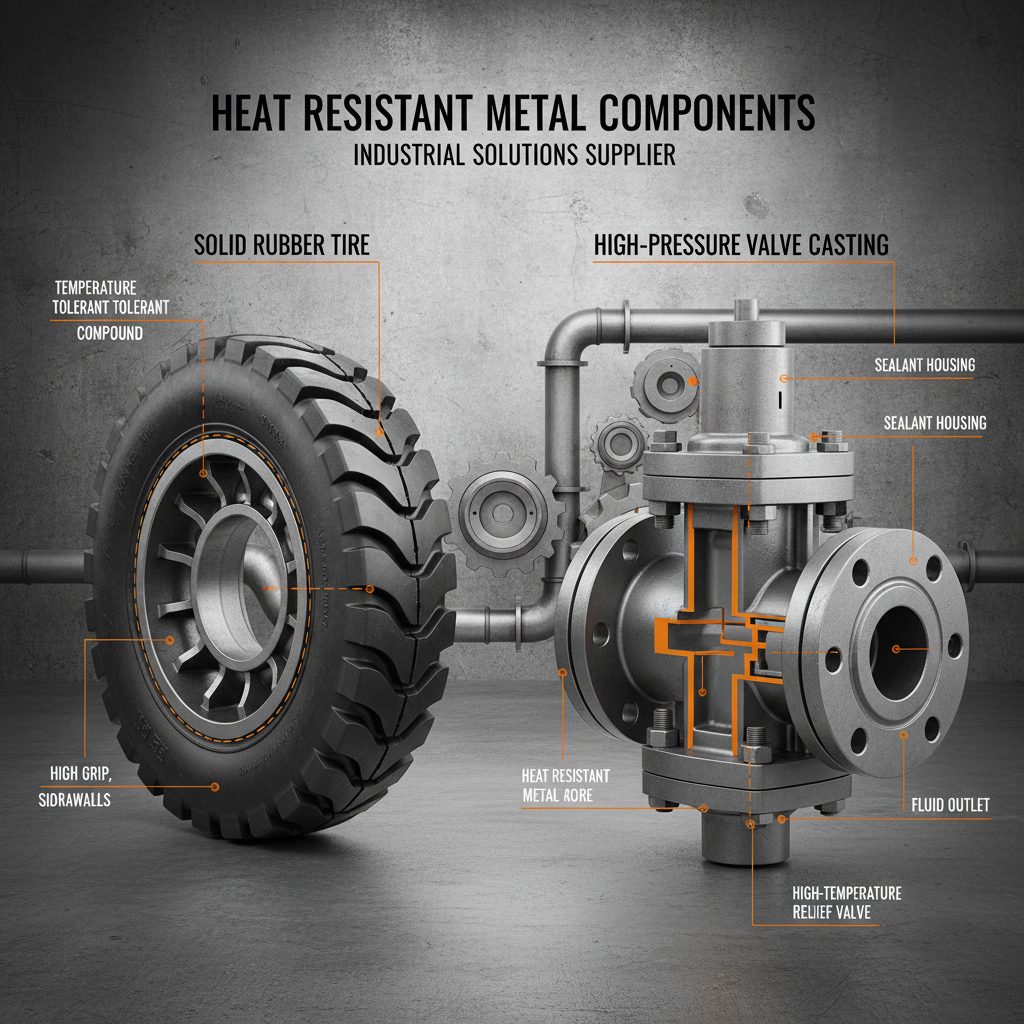
Heat-resistant metals maintain their strength and integrity at elevated temperatures, making them essential for demanding applications. Common alloys include stainless steels, nickel alloys (like Inconel and Hastelloy), titanium alloys, and refractory metals (such as molybdenum and tungsten). Each metal possesses unique properties, influencing its suitability for specific environments. For example, Inconel is renowned for its exceptional resistance to oxidation and corrosion at high temperatures, while titanium alloys offer a superior strength-to-weight ratio. The selection process must consider the operating temperature, stress levels, and corrosive environment to optimize performance and lifespan.
Key Considerations: Choosing the right heat resistant metal requires careful analysis of application needs. Factors like temperature, pressure, chemical exposure, and mechanical stress all influence alloy selection.
Key Criteria for Selecting a Heat Resistant Metal Supplier
Identifying a competent heat resistant metal supplier involves evaluating several key criteria. First, assess their material expertise and product range. Do they specialize in the alloys you require? Second, scrutinize their quality control processes, including certifications (like ISO 9001) and testing capabilities. Third, consider their production capacity and lead times. Can they consistently meet your demands? Fourth, examine their pricing structure and payment terms. Finally, evaluate their logistical capabilities, including shipping and documentation support, especially if you are importing from overseas. A reputable supplier will offer transparency, responsiveness, and a commitment to customer satisfaction.
Essential Supplier Qualities:
• Material Expertise and Wide Product Range
• Robust Quality Control Processes (ISO 9001 Certification)
• Reliable Production Capacity and Competitive Lead Times
• Transparent Pricing and Flexible Payment Options
Comparing Common Heat Resistant Alloys
Different heat-resistant alloys exhibit varying strengths and weaknesses. Understanding these differences is crucial for selecting the optimal material for your application. The following table provides a comparison of some commonly used alloys:
Navigating International Sourcing and Quality Assurance
Sourcing from international heat resistant metal suppliers can offer cost advantages, but requires diligent quality assurance. Verify the supplier's adherence to international standards, request sample materials for independent testing, and conduct thorough factory audits. Clear communication and robust contracts are also essential. Consider using third-party inspection services to ensure materials meet your specifications before shipment. A reputable supplier will be willing to provide comprehensive documentation and cooperate with quality control measures.
Why Choose DZM Casting as Your Heat Resistant Metal Supplier?
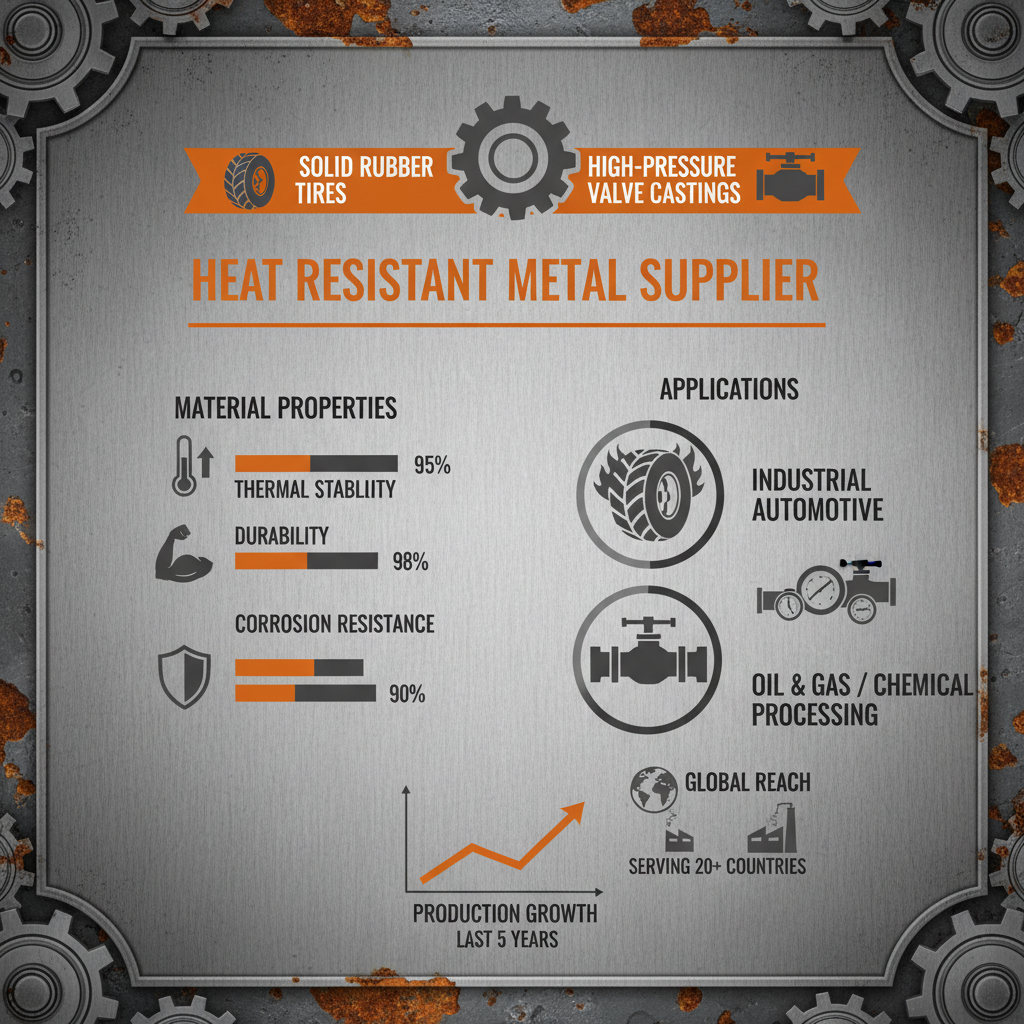
At DZM Casting, we specialize in providing high-quality heat resistant metal castings and forgings. We offer a comprehensive range of alloys, including stainless steels, nickel alloys, and titanium alloys, tailored to meet your specific application needs. Our commitment to stringent quality control, combined with our extensive experience in international sourcing and logistics, ensures reliable delivery and exceptional customer service. Contact us today to discuss your project requirements and discover how we can help you achieve success.
Conclusion: Partnering for Heat Resistance Excellence
Selecting the right heat resistant metal supplier is a critical decision that impacts product quality, performance, and cost-effectiveness. By carefully considering material properties, supplier qualifications, and quality assurance measures, you can ensure a successful outcome. DZM Casting is dedicated to providing premium heat-resistant metal solutions and exceptional support to industries worldwide.
Frequently Asked Questions (FAQs)
What factors affect the cost of heat-resistant metals?
The cost of heat-resistant metals is influenced by several factors, including the alloy composition, material purity, manufacturing process, quantity ordered, and market demand. Alloys containing rare or expensive elements, like nickel or tungsten, generally command higher prices. Complex manufacturing processes, such as forging or precision casting, also contribute to increased costs. Bulk orders typically receive discounted pricing. Global economic conditions and supply chain disruptions can also impact metal prices. It's essential to obtain quotes from multiple suppliers and carefully evaluate all cost components.
How important is certification when selecting a supplier?
Certification is crucial when selecting a heat-resistant metal supplier. ISO 9001 certification demonstrates the supplier's commitment to quality management systems and consistent product quality. Other relevant certifications may include AS9100 (for aerospace applications) and PED (Pressure Equipment Directive). Certifications provide assurance that the supplier has undergone independent audits and meets established industry standards. Always verify the validity of certifications and request documentation to confirm compliance.
What are the typical lead times for heat-resistant metal orders?
Lead times for heat-resistant metal orders vary depending on the alloy, quantity, and manufacturing process. Standard alloys in stock may have shorter lead times (typically 2-4 weeks). Custom alloys or large orders often require longer lead times (6-12 weeks or more). Factors like material availability, production scheduling, and shipping logistics can also influence delivery times. It's important to discuss lead time expectations with your supplier upfront and factor them into your project planning.
What quality control measures should I expect from a reputable supplier?
A reputable heat-resistant metal supplier should implement a comprehensive quality control program that includes raw material inspection, in-process inspections, and final product testing. Common testing methods include chemical analysis, mechanical testing (tensile strength, yield strength, elongation), and non-destructive testing (ultrasonic testing, radiography). The supplier should maintain detailed records of all quality control activities and provide certificates of analysis (COA) with each shipment.
-
High Performance oem cast heat resistant steel for Industrial UseNewsApr.16,2026
-
Guide to Selecting High Quality Cast Heat Resistant Steel AlloysNewsApr.09,2026
-
Custom Cast Heat Resistant Steel Solutions for High Temperature ApplicationsNewsApr.07,2026
-
Comprehensive Guide to Wholesale Cast Heat Resistant Steel for Industrial ApplicationsNewsApr.04,2026
-
Comprehensive Guide to High Performance Heat Resistant Metal Product SolutionsNewsMar.31,2026
-
Expert Guidance on Heat Resistant Metal Quotes and Alloy SelectionNewsMar.28,2026