Expert Guide to Buy Heat Resistant Metal for Optimal Performance
Buy Heat Resistant Metal: A Comprehensive Guide
When your application demands materials that can withstand extreme temperatures, sourcing the right heat resistant metal is crucial. Whether you're in aerospace, automotive, or industrial manufacturing, choosing the correct alloy impacts performance and longevity. This article provides an in-depth look at buying heat resistant metals, factors to consider, common alloys, and how DZM Casting can provide tailored solutions. We'll explore different options available, discuss their properties, and guide you through the purchasing process.
Understanding Heat Resistant Metals
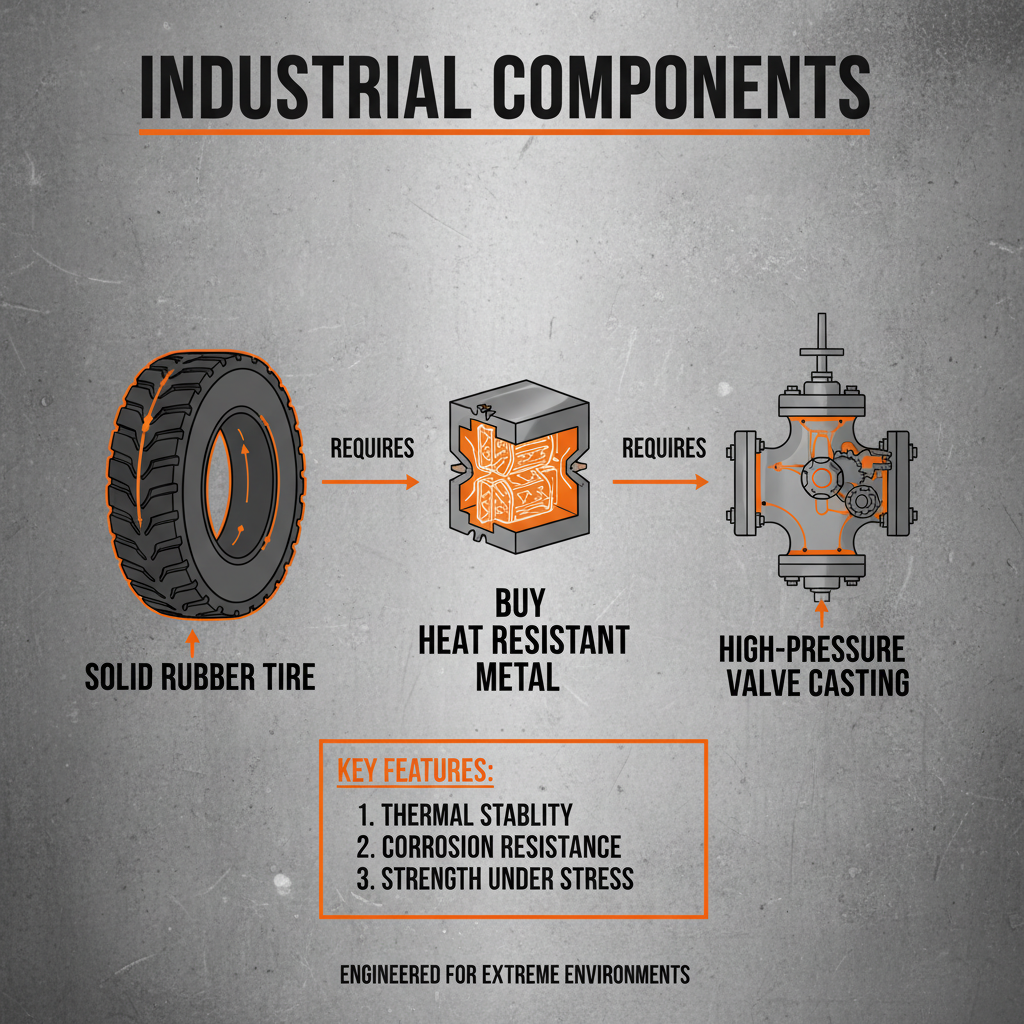
Heat resistant metals aren't simply about withstanding high temperatures; it's about maintaining mechanical strength, resisting oxidation, and preventing creep (slow deformation under stress) at elevated temperatures. These metals and alloys are engineered to retain their integrity in harsh thermal environments. Key properties include a high melting point, low thermal expansion coefficient, and resistance to corrosion at high temperatures. Understanding these properties is vital for selecting the right material for your specific application. Selecting the right heat resistant metal ensures optimal performance and safety.
Key Considerations: Selecting the right metal involves understanding the operating temperature, stress levels, atmosphere, and desired lifespan of the component. Proper alloy selection prevents premature failure and maximizes efficiency.
Common Heat Resistant Alloys
Several alloys are renowned for their exceptional heat resistance. These include Inconel, Hastelloy, Haynes alloys, and certain grades of stainless steel. Inconel, a nickel-chromium alloy, offers outstanding resistance to oxidation and corrosion at temperatures up to 2200°F. Hastelloy alloys, also nickel-based, excel in highly corrosive environments. Haynes alloys provide superior high-temperature strength and oxidation resistance. These alloys are commonly used in gas turbines, chemical processing, and aerospace components. At DZM Casting, we specialize in precision casting with these challenging materials.
Key Alloy Properties:
• Inconel: Excellent oxidation and corrosion resistance.
• Hastelloy: Superior resistance in corrosive environments.
• Haynes Alloys: High-temperature strength and oxidation resistance.
• Stainless Steel (certain grades): Good corrosion resistance and moderate heat resistance.
Buy Heat Resistant Metal: A Comparative Analysis
Choosing the optimal alloy requires comparing key properties. The following table highlights the performance characteristics of commonly used heat-resistant metals. Understanding these differences is paramount for making an informed decision. The specific needs of your application – temperature range, corrosive environment, and mechanical stress – will dictate the most suitable material. DZM Casting offers expert guidance to help you navigate these complexities.
DZM Casting: Your Partner for Heat Resistant Metal Solutions
At DZM Casting, we specialize in the precision casting of heat-resistant metals. We offer a comprehensive range of services, including alloy selection assistance, precision casting, machining, and quality control. Our expertise ensures that your components meet the most stringent requirements. We work closely with our clients to understand their unique challenges and provide tailored solutions. From prototyping to large-scale production, we deliver high-quality parts on time and within budget. We are dedicated to helping you buy heat resistant metal components with confidence.
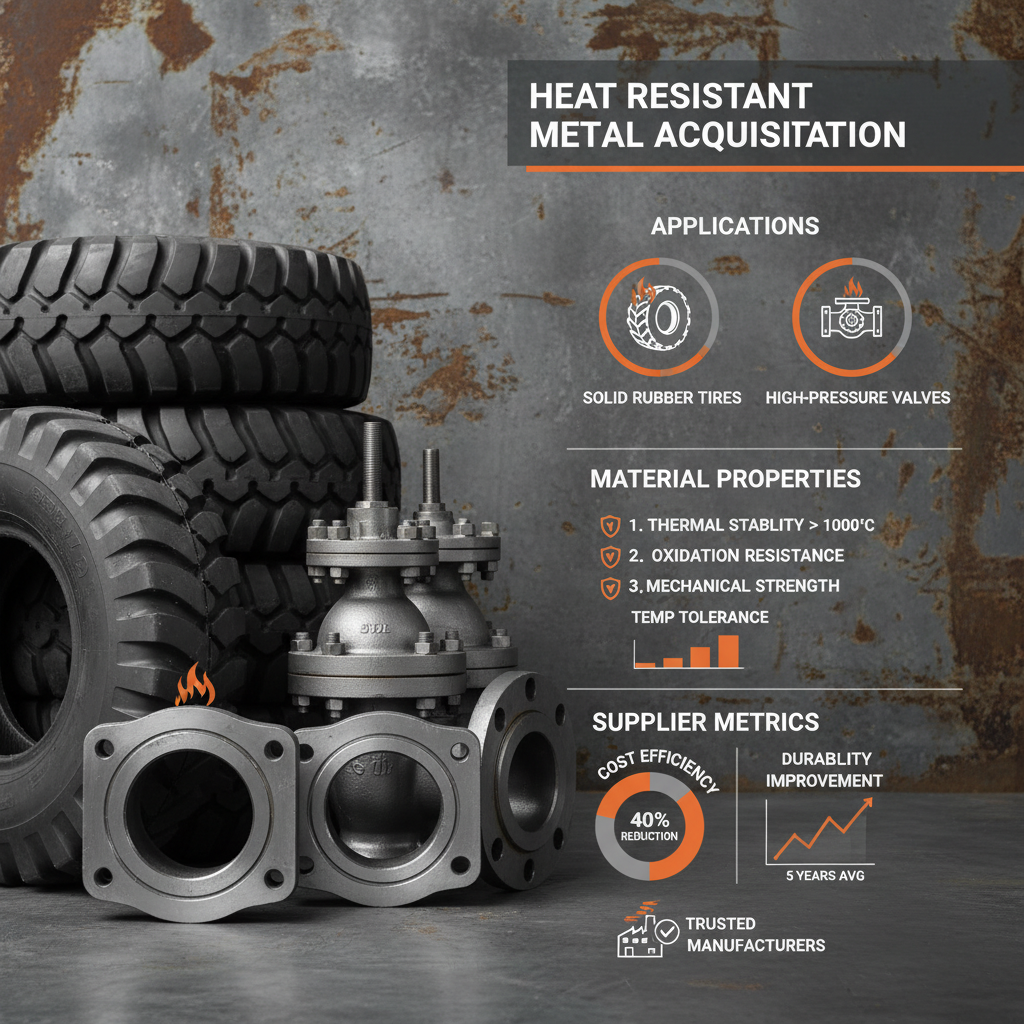
Factors Influencing Cost When You Buy Heat Resistant Metal
The cost of heat resistant metals can vary significantly based on several factors. Alloy composition plays a major role, with nickel-based alloys generally being more expensive than stainless steel. Quantity ordered also impacts price; larger orders often benefit from economies of scale. Manufacturing processes, such as casting, machining, and finishing, contribute to the overall cost. Additionally, market fluctuations in raw material prices can affect the final price. Understanding these factors is essential for budgeting effectively. DZM Casting provides transparent pricing and works with you to optimize costs without compromising quality.
Conclusion
Choosing the right heat resistant metal is a critical decision impacting performance, longevity, and cost. By carefully considering your application’s specific requirements, understanding the properties of various alloys, and partnering with a trusted supplier like DZM Casting, you can ensure optimal results. Don't hesitate to reach out for expert guidance and a tailored solution.
Frequently Asked Questions (FAQs)
What is the difference between heat resistance and high-temperature strength?
Heat resistance refers to a material's ability to withstand high temperatures without significant degradation, such as oxidation or corrosion. High-temperature strength, on the other hand, describes a material's ability to maintain its mechanical properties—like tensile strength and yield strength—at elevated temperatures. A material can be heat resistant but lack high-temperature strength, and vice versa. For critical applications, both properties are crucial and should be considered during material selection. Selecting the appropriate alloy, such as an Inconel for both properties, is paramount. DZM Casting provides expert consultation to determine the best materials for your specific needs.
How does oxidation affect heat resistant metals?
Oxidation is a chemical reaction between a metal and oxygen, which can weaken the metal and reduce its lifespan at high temperatures. Heat resistant metals are specifically alloyed to resist oxidation, often through the formation of a protective oxide layer on the surface. However, even these alloys can experience oxidation under extreme conditions or prolonged exposure. Choosing an alloy with excellent oxidation resistance, such as Inconel, is vital for applications in oxidizing environments. Protective coatings can also be applied to further enhance resistance.
What are the common casting processes for heat resistant metals?
Investment casting (lost-wax casting) and sand casting are commonly used for heat resistant metals. Investment casting provides excellent dimensional accuracy and surface finish, making it ideal for complex geometries. Sand casting is more cost-effective for larger parts and simpler designs. DZM Casting specializes in both investment and sand casting for heat-resistant alloys, ensuring we can meet your specific requirements.
Can you provide heat treatment for these metals?
Yes, heat treatment is often crucial for optimizing the properties of heat-resistant metals. Processes like annealing, solution treatment, and aging can enhance strength, ductility, and corrosion resistance. DZM Casting offers comprehensive heat treatment services tailored to specific alloys and applications. Our expertise ensures that your components meet the required mechanical and metallurgical properties.
-
High Performance oem cast heat resistant steel for Industrial UseNewsApr.16,2026
-
Guide to Selecting High Quality Cast Heat Resistant Steel AlloysNewsApr.09,2026
-
Custom Cast Heat Resistant Steel Solutions for High Temperature ApplicationsNewsApr.07,2026
-
Comprehensive Guide to Wholesale Cast Heat Resistant Steel for Industrial ApplicationsNewsApr.04,2026
-
Comprehensive Guide to High Performance Heat Resistant Metal Product SolutionsNewsMar.31,2026
-
Expert Guidance on Heat Resistant Metal Quotes and Alloy SelectionNewsMar.28,2026