Understanding Jaw Crusher Machine Parts: Durability, Applications & Innovations
Jaw Crusher Machine Parts: The Backbone of Modern Crushing Operations
In the sprawling world of mining, construction, and recycling, certain components are quietly indispensable. Jaw crusher machine parts might not make headlines, but they ensure efficient material handling worldwide. Understanding these parts is crucial—not just for engineers or procurement teams, but also for anyone interested in sustainable industrial solutions that power everything from skyscrapers to roads.
Global Context: Why Jaw Crusher Machine Parts Matter
The global mining and construction sectors are huge—worth trillions and employing millions. According to the World Bank, infrastructure spending alone is projected to reach $94 trillion by 2040. At the heart of these projects lie machines that break down rock, ore, and waste—jaw crushers among them. The reliability of these machines hinges on quality jaw crusher machine parts. Poor-quality components lead to downtime, higher costs, and, frankly, lost trust.
But there’s more: in disaster response scenarios, such as earthquake zones or post-storm demolition sites, rapidly deployable crushing units fitted with robust parts can help clear rubble and recycle materials onsite. It’s a practical intersection of industry and humanitarian aid.
What Are Jaw Crusher Machine Parts?
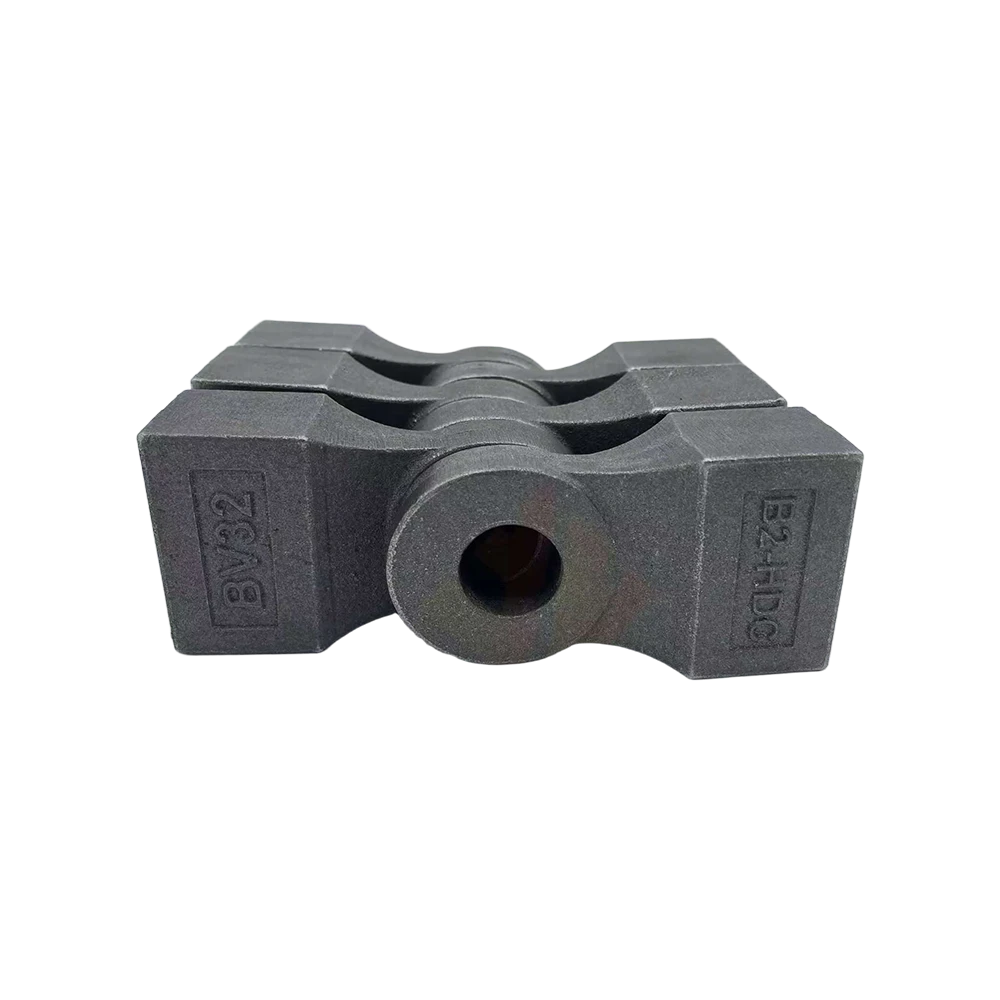
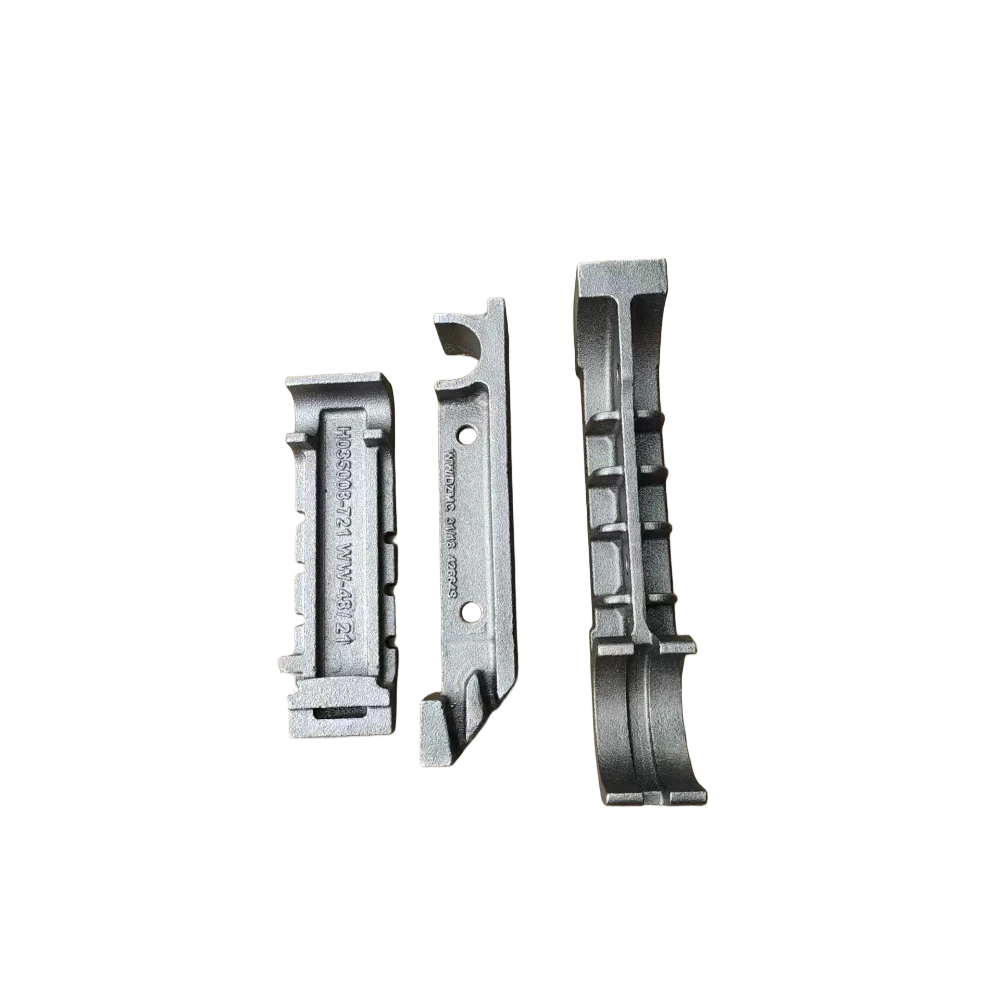
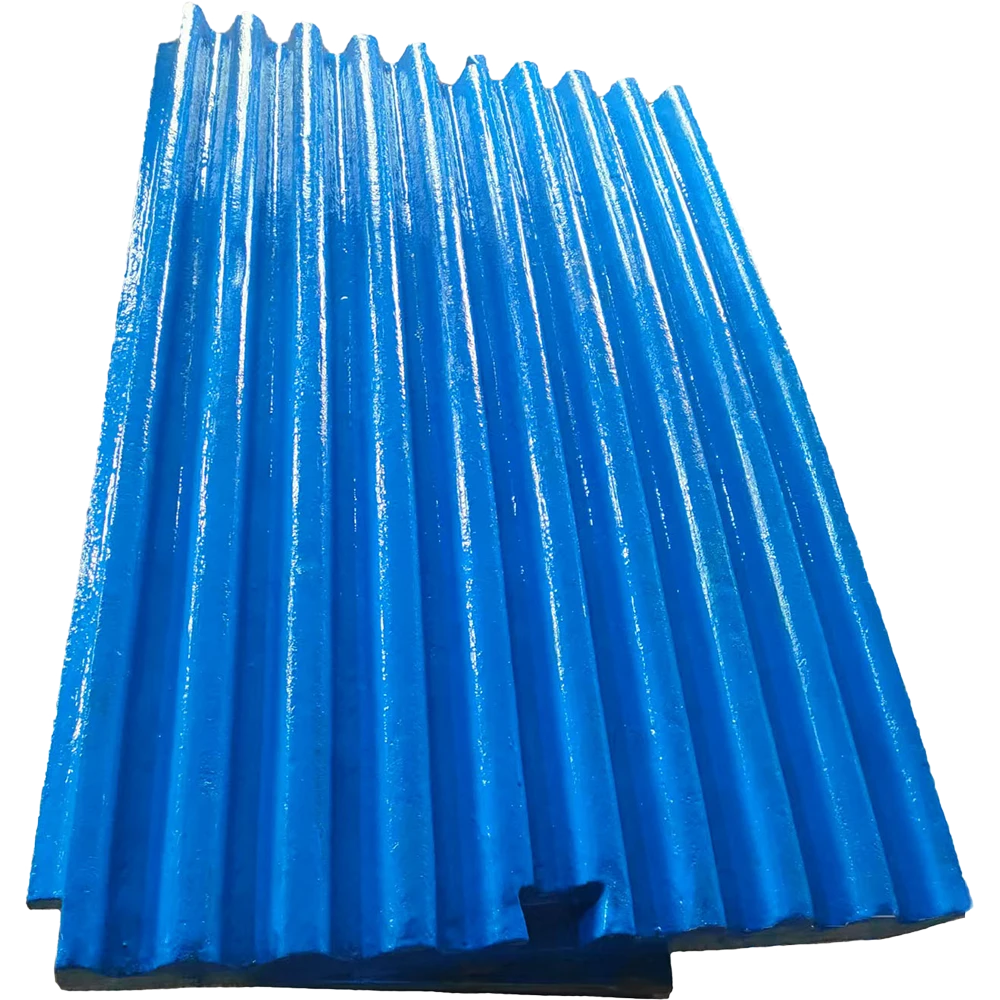
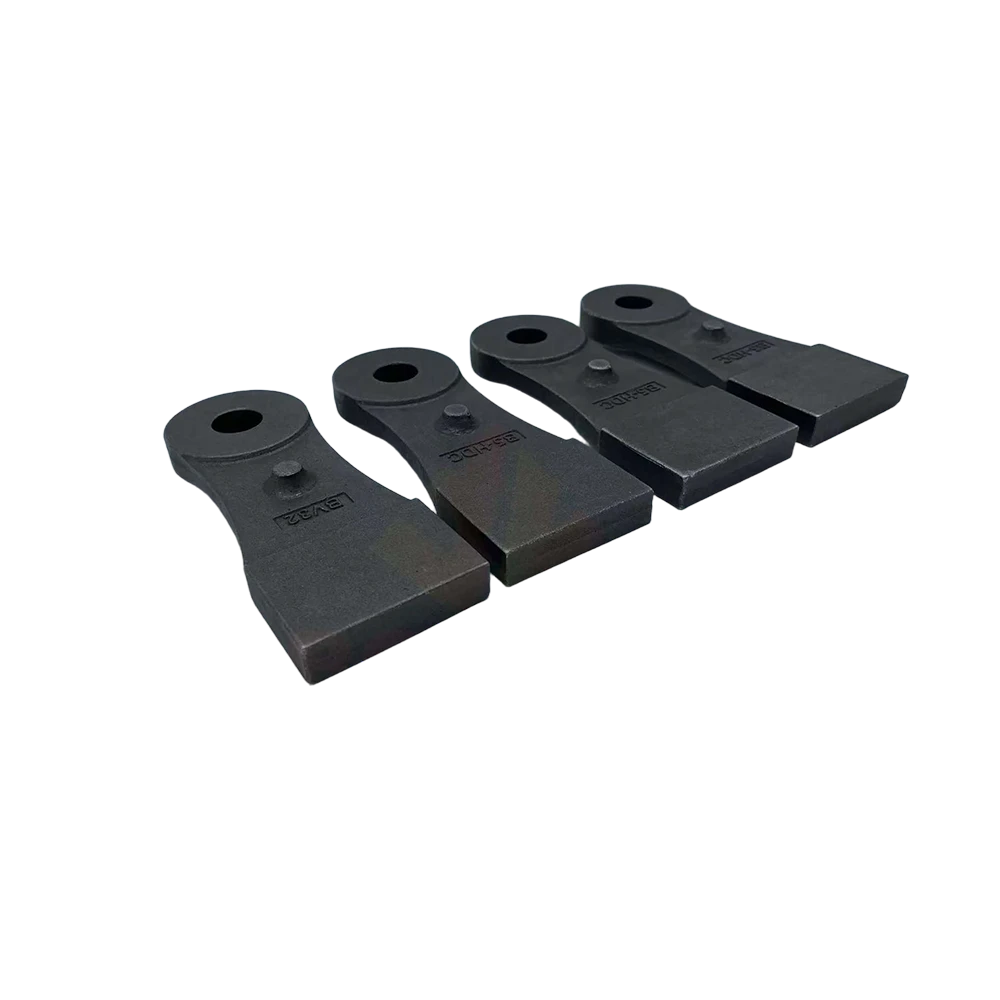
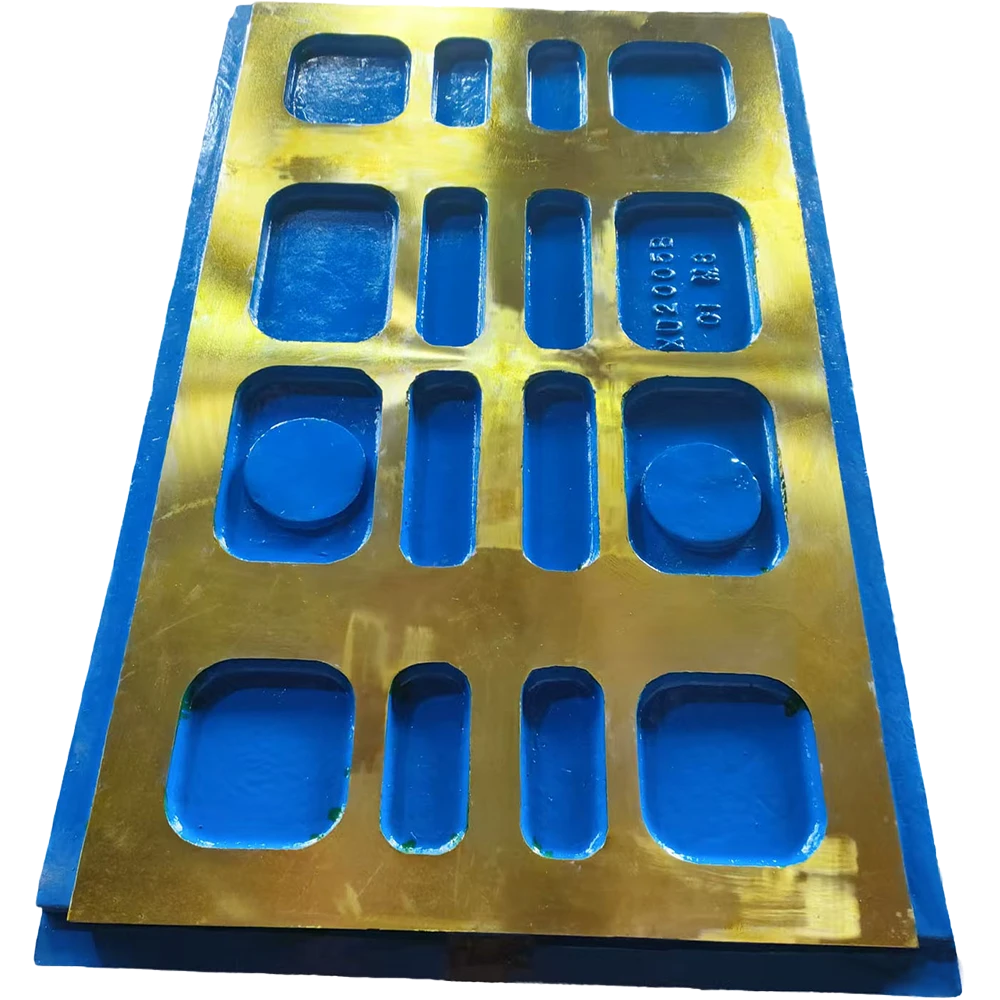
Put simply, jaw crusher machine parts refer to the essential components that make a jaw crusher work. The jaw crusher itself is a rugged piece of equipment used to crush large rocks into smaller pieces—it’s often the first step in crushing processes. These parts include the jaw plates (fixed and movable), toggle plates, flywheels, shafts, and bearings. Each interacts seamlessly to break down materials through compression.
In the context of modern industry, these parts enable efficient raw material processing—fueling manufacturing chains, construction projects, and even recycling operations.
Core Components and Their Importance
1. Durability
Jaw crusher parts must withstand extreme pressure and abrasive materials. Hence, manufacturers often use manganese steel, known for its wear resistance and toughness.
2. Efficiency
The design and precision of each component affect throughput. For example, well-aligned toggle plates and jaw plates optimize crushing force, reducing energy consumption.
3. Cost Efficiency
While premium materials cost more upfront, they drastically reduce maintenance frequency and downtime—saving money in the long term.
4. Ease of Maintenance
Parts that can be quickly replaced or serviced keep crushers running longer. Features like bolt-on jaw plates minimize service time.
5. Scalability
Jaw crushers come in various sizes, so parts must be adaptable across different models to meet diverse operational demands.
Product Specification Table
| Component | Material | Typical Lifespan | Replacement Frequency |
|---|---|---|---|
| Jaw Plates (Fixed & Movable) | High manganese steel | 6–12 months (varies with use) | Every 6–12 months |
| Toggle Plates | Steel alloy | 1–2 years | Every 12–24 months |
| Flywheels | Cast iron or steel | 5+ years | Rarely replaced |
| Bearings | Steel with lubrication | Varies with load | 6–18 months |
Mini takeaway: Quality materials and regular upkeep are key for jaw crusher parts longevity.
Global Applications and Use Cases
- Mining Operations: In resource-heavy regions like Australia and South Africa, jaw crusher parts are vital to processes breaking ore for metals extraction.
- Construction Projects: Urban hubs in India and China rely on these machines to process construction debris into reusable aggregates.
- Environmental Recycling: European waste management firms prioritize durable jaw crusher parts for efficient plastic and concrete recycling.
- Disaster Relief: Organizations involved in emergency rebuilding—think earthquake zones in Japan or hurricane-affected areas in the US—use compact jaw crushers fitted with reliable parts to clear rubble quickly.
- Remote Industrial Zones: Mining camps in Canada’s far north depend on rugged jaw crusher parts capable of operating under extreme cold.
Vendor Comparison Table: Selecting Reliable Suppliers
| Vendor | Material Quality | Customization Options | Delivery Time | Price Range |
|---|---|---|---|---|
| DZMC Casting | High manganese steel, tested | Custom dimensions & alloys | 2–4 weeks | Moderate |
| Global Crusher Parts Inc. | Standard steel alloys | Limited | 4–6 weeks | Low |
| Elite Metals | Premium forged alloys | High customization | 3–5 weeks | High |
Mini takeaway: Prioritize vendors offering tested materials and tailored solutions for the best ROI.
Advantages & Long-Term Value
Good jaw crusher machine parts translate directly to predictable machine uptime, enhanced safety for operators (because failures can be hazardous), and ultimately cost savings. Beyond dollars and cents, there’s an environmental argument: durable parts reduce waste, limit unnecessary replacements, and enable more sustainable recycling practices.
There's also a human element that’s easy to overlook. Reliable equipment fosters trust among stakeholders—from site managers trusting their teams’ safety to project leaders ensuring deadlines are met. In short, quality jaw crusher parts are investments in innovation, dignity, and community functionality.
Emerging Trends & Innovations
We’re seeing exciting enhancements in how jaw crusher parts are made and monitored. For example:
- Material Science Advances: New composite alloys and heat treatments aim to push wear resistance further.
- Digital Monitoring: Sensors embedded in parts track wear in real time, predicting failures before they happen.
- Automation: Automated replacement mechanisms allow jaw plates to be swapped out faster on some models.
- Sustainability: Recycling scrap from worn parts and engineering biodegradable lubricants are gaining traction.
Challenges & Expert Insights
Sure, not every site has the luxury of premium parts or immediate replacement options. Supply chain hiccups can cause delays, and poorly maintained machines jeopardize output. Many engineers I know insist on building strong maintenance programs—consistent inspections, documented wear rates, plus keeping a stockpile of common jaw crusher machine parts.
Innovative manufacturers are tackling challenges head-on by developing parts with modular designs that fit a wider range of models and by offering remote diagnostic services. It’s frankly an exciting time to be involved.
FAQ: Frequently Asked Questions About Jaw Crusher Machine Parts
- What is the best material for jaw crusher machine parts?
- High manganese steel is widely regarded for jaw plates due to its superior wear resistance and toughness. However, different applications might require alloy composites or heat-treated steels for specific durability needs.
- How often should jaw crusher parts be replaced?
- It depends on usage intensity, but typically jaw plates may need replacement every 6 to 12 months, while other parts like toggle plates or bearings last between one and two years.
- Can jaw crusher parts be customized?
- Definitely. Many vendors, including manufacturers like jaw crusher machine parts specialists, offer custom sizes, alloys, and configurations to suit specific crusher models and applications.
- Are there any environmental benefits to using quality jaw crusher parts?
- Yes, durable parts reduce waste and downtime, promote recycling of industrial materials, and often help machines operate more efficiently—consuming less energy.
- How can I ensure the authenticity of jaw crusher parts I buy?
- Purchase from trusted vendors that offer certifications, clear material testing reports, and good after-sales support. Checking customer reviews and asking for references is always a good idea.
Conclusion & Call to Action
In the end, jaw crusher machine parts might seem like just another line item in a project budget. Yet their impact is profound—driving operational reliability, efficiency, and sustainability. Choosing quality parts isn’t merely cost-effective; it’s an investment into safer worksites, stronger communities, and a more resilient industry.
If you’re considering upgrades or replacements, I warmly recommend visiting https://www.dzmccasting.com to explore options. Their expertise in jaw crusher machine parts might just make your next project run smoother, longer, and safer.
Mini takeaway: Investing in high-quality jaw crusher parts today avoids headaches tomorrow.
References:
-
High Performance oem cast heat resistant steel for Industrial UseNewsApr.16,2026
-
Guide to Selecting High Quality Cast Heat Resistant Steel AlloysNewsApr.09,2026
-
Custom Cast Heat Resistant Steel Solutions for High Temperature ApplicationsNewsApr.07,2026
-
Comprehensive Guide to Wholesale Cast Heat Resistant Steel for Industrial ApplicationsNewsApr.04,2026
-
Comprehensive Guide to High Performance Heat Resistant Metal Product SolutionsNewsMar.31,2026
-
Expert Guidance on Heat Resistant Metal Quotes and Alloy SelectionNewsMar.28,2026