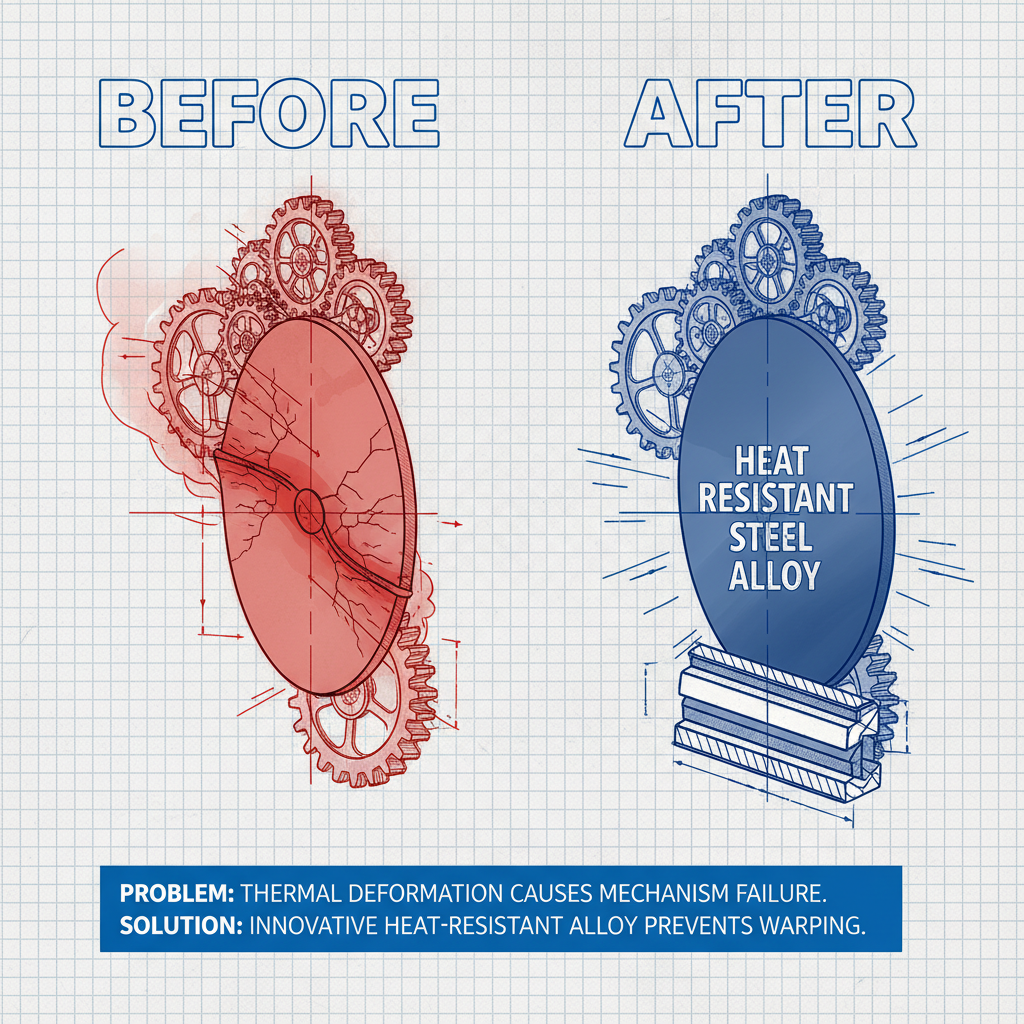
The ability to identify and utilize metal that withstands heat is critical across a vast range of industries and applications globally. From aerospace engineering and power generation to chemical processing and automotive manufacturing, materials capable of maintaining structural integrity at elevated temperatures are fundamental to innovation and safety. The increasing demands for higher efficiency, more extreme operating conditions, and longer component lifecycles are driving ongoing research and development in this crucial area of materials science.
The global relevance of materials designed for high-temperature environments extends beyond purely industrial applications. Consider the crucial role these metals play in renewable energy technologies like concentrated solar power and geothermal energy harvesting. Furthermore, advancements in metal that withstands heat are also vital for addressing humanitarian needs, such as in the development of resilient infrastructure in disaster-prone regions and ensuring the reliability of medical devices.
Understanding the properties, applications, and future trends related to metal that withstands heat is therefore essential for engineers, scientists, policymakers, and anyone involved in building a more sustainable, efficient, and secure future. By focusing on developing and implementing these materials, we can overcome significant technological challenges and improve the quality of life for people around the world.
The Importance of Metal That Withstands Heat
The reliable operation of countless technologies hinges on the availability of metal that withstands heat. Consider the jet engine, where components are exposed to temperatures exceeding the melting point of many conventional materials. Without specialized alloys capable of maintaining their strength and integrity under these conditions, modern air travel would be impossible. This need for robust materials permeates various sectors.
Beyond transportation, sectors like energy production and chemical processing fundamentally rely on materials that can endure extreme thermal conditions. For instance, power plants, particularly those utilizing fossil fuels or nuclear energy, require high-temperature alloys for boilers, turbines, and other critical equipment. Selecting the right metal that withstands heat isn't merely a matter of performance; it’s a matter of safety and efficiency.
Defining Metal That Withstands Heat
Metal that withstands heat refers to materials specifically engineered to maintain their mechanical strength, structural stability, and corrosion resistance at significantly elevated temperatures – typically exceeding several hundred degrees Celsius. This is not simply about melting point; it’s about resisting creep (slow deformation under stress), oxidation, and phase transformations that can compromise performance.
These materials are often alloys, carefully formulated combinations of metals designed to enhance specific properties. The selection of base metals and alloying elements is crucial, considering factors like thermal expansion, conductivity, and reactivity. The concept is intimately linked with modern industry, enabling advancements in power generation, aerospace, and beyond.
Crucially, the definition extends to humanitarian applications, too. Consider the need for durable, heat-resistant materials in constructing safe and reliable water purification systems in arid regions or in developing efficient cooking stoves for communities reliant on biomass fuels. The core principle remains the same: providing robust performance in challenging thermal environments.
Core Properties of Heat-Resistant Metals
Several key properties define a metal’s ability to withstand heat effectively. High melting points are a starting point, but insufficient on their own. Creep resistance, or the ability to resist slow deformation under prolonged stress at high temperatures, is equally vital. Metal that withstands heat must maintain its shape and structural integrity over long periods without succumbing to deformation.
Oxidation resistance is another critical factor. At high temperatures, metals react with oxygen in the atmosphere, forming oxides that can weaken the material and lead to corrosion. Alloying with elements like chromium and aluminum creates protective oxide layers that slow down this process. Thermal fatigue resistance – the ability to withstand repeated cycles of heating and cooling – is also crucial for components experiencing fluctuating temperatures.
Finally, thermal conductivity plays a role, though it can be a complex consideration. High conductivity can help dissipate heat, but may also contribute to thermal stress. The optimal level of thermal conductivity depends on the specific application and how the material interacts with its surrounding environment. Understanding these properties is essential for selecting the right metal that withstands heat for a given task.
Practical Applications Across Industries
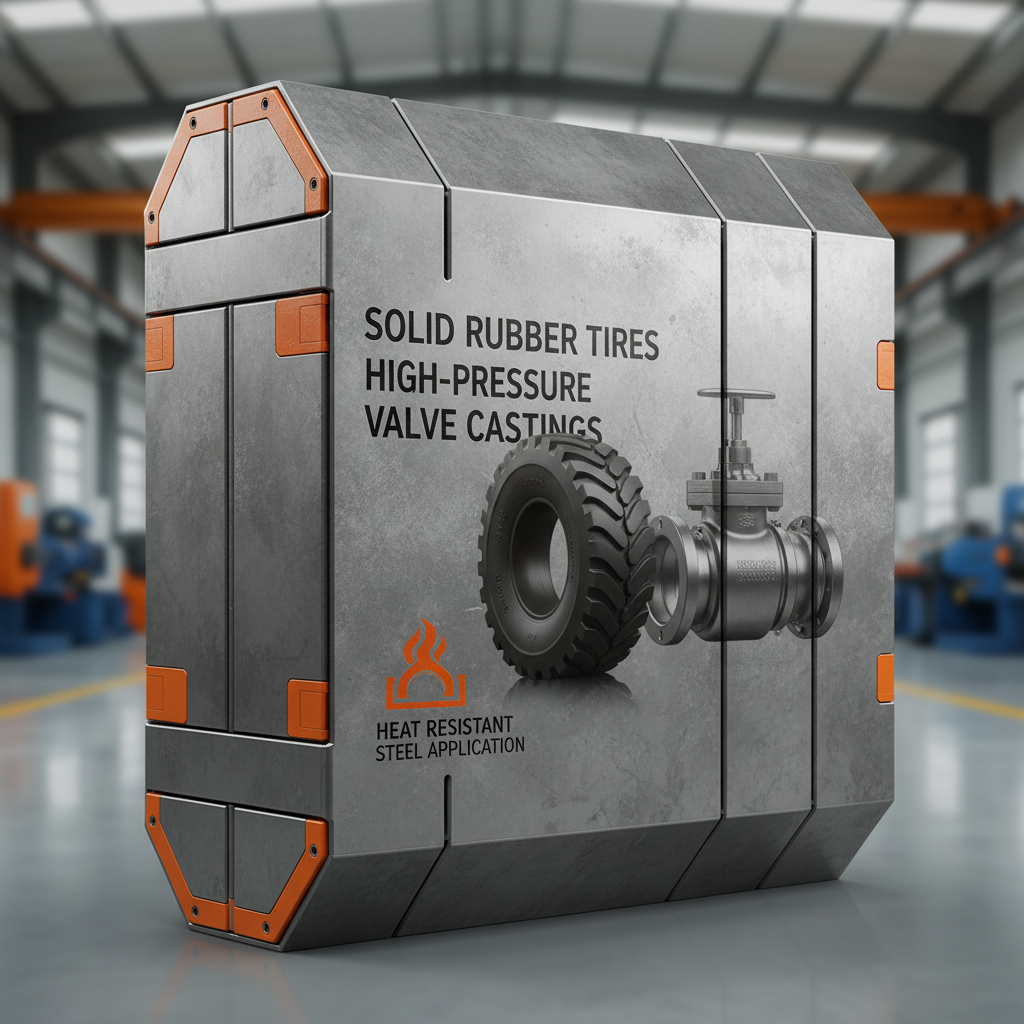
The applications of metal that withstands heat are incredibly diverse. In the aerospace industry, nickel-based superalloys are used extensively in jet engine turbine blades and combustion chambers, enabling higher operating temperatures and improved fuel efficiency. In the power generation sector, alloys of chromium, molybdenum, and vanadium are vital for constructing boilers and superheaters in coal-fired and natural gas power plants.
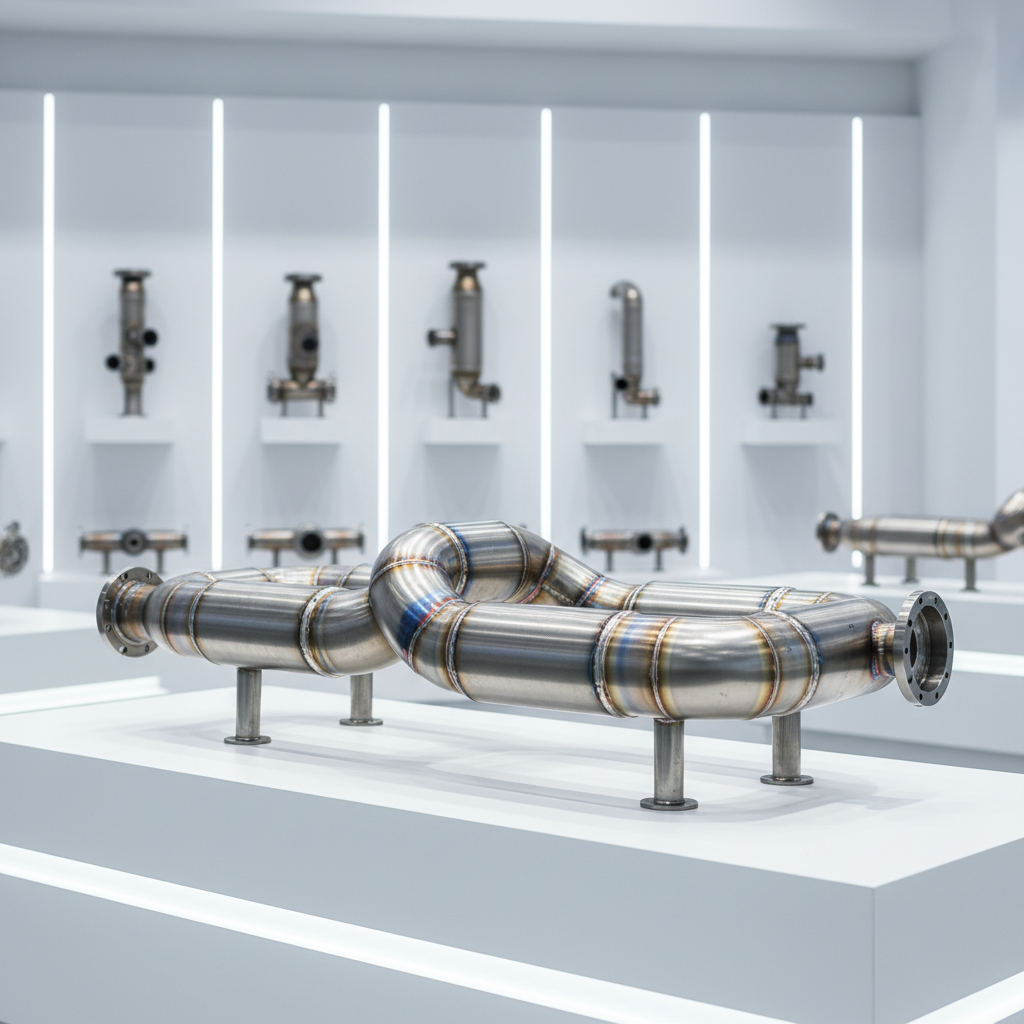
The chemical processing industry relies on these materials for reactors, heat exchangers, and piping systems handling corrosive chemicals at high temperatures. The automotive sector increasingly uses high-temperature alloys in exhaust systems and turbochargers to improve performance and reduce emissions. Even in seemingly unrelated fields like medical technology, specialized alloys are used in surgical instruments and implants requiring sterilization at high temperatures.
Comparative Performance of Common Metal That Withstands Heat Alloys
Advantages and Long-Term Value
Employing metal that withstands heat delivers tangible benefits beyond just functional performance. Cost savings are realized through increased component lifespan, reduced maintenance requirements, and improved energy efficiency. A longer component life means fewer replacements, lowering overall operational expenses. Furthermore, these materials contribute to sustainability by reducing resource consumption and minimizing waste.
The use of these advanced materials also enhances safety. By ensuring the reliable operation of critical systems under extreme conditions, we reduce the risk of failures that could lead to accidents or environmental damage. From a societal perspective, investing in these materials fosters innovation and builds trust in the reliability of vital infrastructure and technologies.
Future Trends and Innovations
The field of high-temperature materials is undergoing rapid innovation. Research into advanced alloys, including refractory metals and ceramic matrix composites, promises even greater performance at extreme temperatures. Additive manufacturing, or 3D printing, is revolutionizing the way these materials are processed, enabling the creation of complex geometries and customized components.
Furthermore, the drive towards sustainability is pushing the development of more eco-friendly materials and manufacturing processes. Combining these materials with digital technologies, such as AI-powered material design and predictive maintenance, will further optimize performance and extend component life. The fusion of these trends is set to redefine the possibilities for applications requiring metal that withstands heat.
Challenges and Current Solutions
Despite significant progress, challenges remain in the development and application of metal that withstands heat. High manufacturing costs, limited availability of certain alloying elements, and difficulties in joining and fabricating these materials are ongoing concerns. The complexity of predicting long-term behavior under extreme conditions also presents a significant hurdle.
Innovative solutions are emerging to address these challenges. Researchers are exploring alternative alloying strategies to reduce reliance on scarce materials. Advanced processing techniques, such as hot isostatic pressing and laser cladding, are improving material properties and reducing manufacturing costs. Continued advancements in modeling and simulation are enhancing our ability to predict material performance and optimize designs.
A crucial element is fostering greater collaboration between materials scientists, engineers, and industry partners to accelerate the development and deployment of next-generation metal that withstands heat solutions.
Summary of Current Challenges and Potential Solutions for Metal That Withstands Heat
| Challenge |
Impact on Application |
Current Solutions |
Future Research Directions |
| High Material Cost |
Limits widespread adoption in cost-sensitive industries |
Exploring alternative alloying elements & Additive Manufacturing |
Developing low-cost processing techniques |
| Limited Resource Availability |
Supply chain vulnerabilities & price fluctuations |
Material substitution and recycling initiatives |
Researching abundant & sustainable materials |
| Fabrication Complexity |
Difficulties in joining and forming components |
Advanced welding techniques & near-net shape manufacturing |
Developing self-healing materials |
| Oxidation Resistance |
Material degradation and reduced lifespan |
Protective coatings and alloy composition optimization |
Self-passivating surface treatments |
| Creep Deformation |
Dimensional instability at high temperatures |
Grain boundary engineering & solid solution strengthening |
Developing materials with stable microstructures |
| Predictive Modeling Accuracy |
Uncertainty in long-term performance predictions |
Improved material characterization and computational models |
AI-driven material design and simulation |
FAQS
The most prevalent types include nickel-based superalloys, iron-based superalloys, cobalt-based alloys, and refractory metals like tungsten and molybdenum. Each material offers a unique balance of properties, making them suitable for different applications. Nickel-based alloys are highly regarded for their creep resistance and oxidation resistance at extreme temperatures, while refractory metals excel in ultra-high temperature environments, though often require protective coatings.
Creep resistance is typically measured through creep rupture testing, which involves subjecting a material to a constant stress at a constant temperature over an extended period. The time it takes for the material to fracture is recorded, and this data is used to construct creep rupture curves. Other measurements include creep strain rate, which quantifies the rate of deformation under constant stress.
While CMCs offer superior high-temperature capabilities, they often face challenges in terms of fracture toughness and susceptibility to damage from thermal shock. They can be more difficult and expensive to manufacture than metal alloys, and joining CMCs to other materials can be complex. However, ongoing research is addressing these limitations.
Additive manufacturing, or 3D printing, allows for the creation of complex geometries and customized components that are difficult or impossible to achieve with traditional manufacturing methods. It also minimizes material waste and enables the production of lightweight structures. For metal that withstands heat, it enables tailored microstructures for enhanced performance.
Protective coatings, such as thermal barrier coatings (TBCs) and oxidation-resistant coatings, act as a barrier between the metal substrate and the harsh environment. TBCs reduce the metal’s operating temperature, while oxidation-resistant coatings prevent the formation of detrimental oxide scales. These coatings significantly extend the lifespan and improve the performance of components operating at high temperatures.
Research is focused on developing more sustainable alternatives, including high-entropy alloys (HEAs) which utilize abundant elements and reduce reliance on critical materials. Additionally, exploring bio-based coatings and improving recycling processes for existing alloys are key areas of focus in promoting environmentally responsible high-temperature materials solutions.
Conclusion
In conclusion, metal that withstands heat is not merely a material science issue but a cornerstone of technological advancement and societal well-being. From enabling efficient energy production to powering the aerospace industry and improving medical technologies, these materials are integral to numerous aspects of modern life. A deep understanding of their properties, applications, and future trends is vital for continued innovation and progress.
Looking ahead, continued investment in research and development, coupled with a commitment to sustainability and collaboration, will be crucial for unlocking the full potential of these materials. By embracing new technologies and fostering a circular economy approach, we can ensure the long-term availability and responsible use of metal that withstands heat, paving the way for a more resilient and sustainable future.