Cast iron, renowned for its durability and heat retention properties, exhibits significant cast iron heat resistance. This characteristic stems from its unique metallurgical composition and the way it interacts with thermal energy. Understanding this resistance is crucial not only for engineering applications but also for industries like cooking, manufacturing, and even historical preservation. The ability of cast iron to withstand high temperatures without significant deformation or loss of structural integrity makes it a vital material in a multitude of applications globally.
The global demand for materials capable of withstanding extreme temperatures is steadily increasing, driven by advancements in energy production, industrial processes, and infrastructure development. According to a recent report by the World Bank, infrastructure spending in developing nations is projected to exceed $1 trillion annually by 2025, much of which will require robust, heat-resistant materials. The significance of cast iron heat resistance extends beyond mere functionality; it impacts safety, efficiency, and long-term cost-effectiveness across these critical sectors.
Furthermore, the historical use of cast iron provides valuable insights into its lasting thermal capabilities. From ancient cannons to modern-day stoves, the material’s inherent ability to endure high heat has been consistently leveraged. Continued research and development focusing on improving and understanding cast iron heat resistance promises to unlock even greater potential for this versatile material, contributing to innovation and sustainability in various industries.
Introduction to Cast Iron Heat Resistance
The ability of cast iron to withstand high temperatures, known as cast iron heat resistance, is a fundamental property that dictates its use in diverse applications. This characteristic is directly related to the material's composition, specifically the presence of carbon and silicon, which contribute to its thermal stability. Without this inherent resistance, many industrial processes and everyday applications would be impossible.
The inherent cast iron heat resistance allows it to maintain its structural integrity and functionality under extreme conditions, minimizing risks and ensuring long-term performance. This makes it an ideal choice for components exposed to high temperatures, from engine blocks to cooking surfaces.
Defining Cast Iron Heat Resistance
Cast iron heat resistance can be simply defined as the material’s ability to maintain its mechanical strength, dimensional stability, and chemical integrity when exposed to elevated temperatures. It’s not merely about not melting; it’s about retaining its properties under stress at high heat. This resistance is a complex interplay of the material’s inherent properties and the specific environmental conditions.
The significance of this property is deeply linked to modern industry. In power generation, for example, cast iron components are used in steam turbines and boilers due to their ability to withstand high-temperature, high-pressure environments. In the automotive sector, engine blocks and exhaust manifolds benefit from its thermal endurance. Even in humanitarian efforts, durable cooking stoves made from cast iron can drastically improve efficiency and reduce fuel consumption.
Understanding cast iron heat resistance is vital for designing components that operate safely and efficiently in demanding thermal environments. It informs material selection, manufacturing processes, and quality control procedures across numerous sectors.
Core Components of Heat Resistance
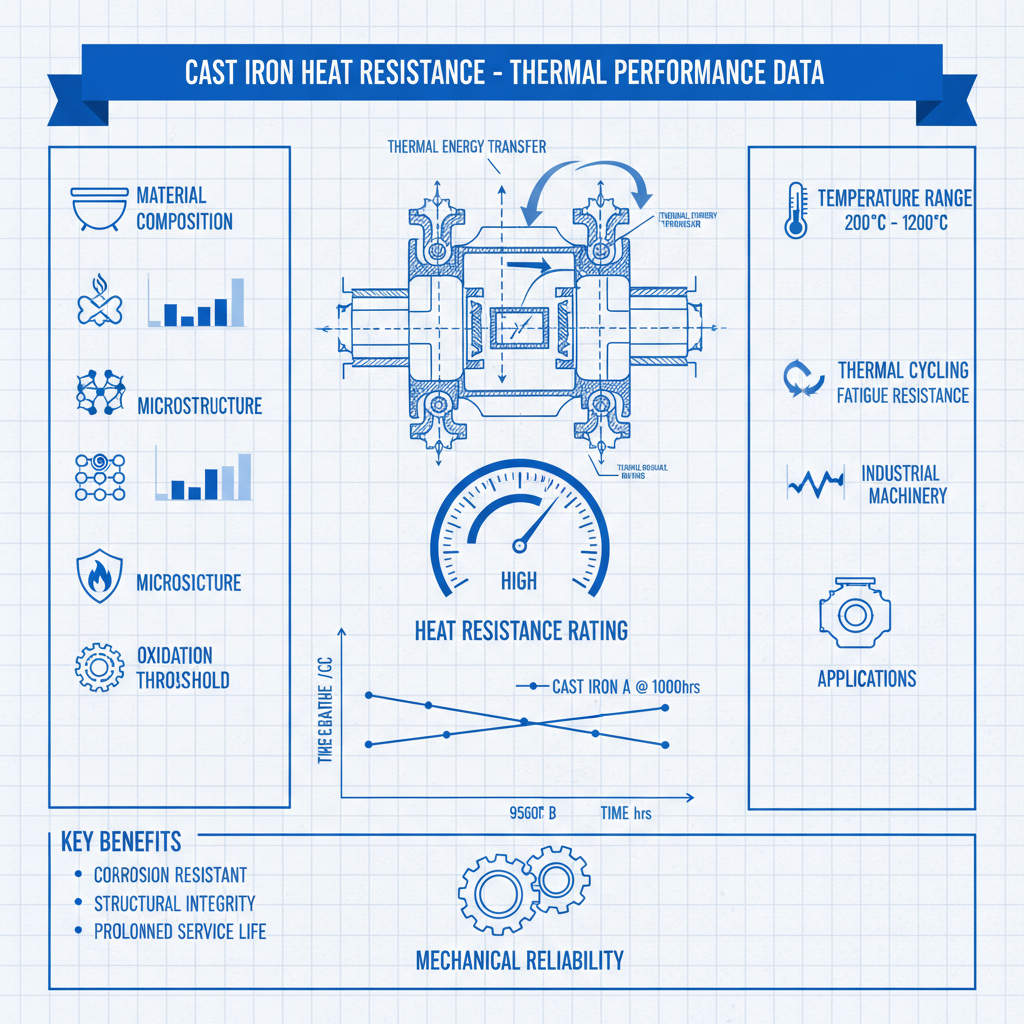
Several key factors contribute to the excellent cast iron heat resistance. Firstly, its relatively low thermal expansion coefficient means it doesn’t deform significantly with temperature changes. Secondly, the presence of graphite flakes within the iron matrix hinders crack propagation, increasing its resistance to thermal shock.
These elements work synergistically to provide a robust defense against the damaging effects of heat. The composition of the cast iron, including the percentage of carbon, silicon, manganese, and other alloying elements, plays a critical role in determining its overall performance.
The microstructural characteristics of cast iron, particularly the shape, size, and distribution of graphite flakes, are crucial determinants of its heat resistance. A finely dispersed, spheroidal graphite structure, for example, offers superior resistance compared to coarser, flaky graphite. Similarly, the presence of alloying elements like nickel and chromium can further enhance its high-temperature strength and oxidation resistance.
The cooling rate during solidification also influences the microstructure and, consequently, the cast iron heat resistance. Controlled cooling processes can optimize the graphite structure, maximizing its performance. Proper heat treatment processes, such as annealing and tempering, are also commonly employed to further enhance its thermal properties.
Practical Applications Worldwide
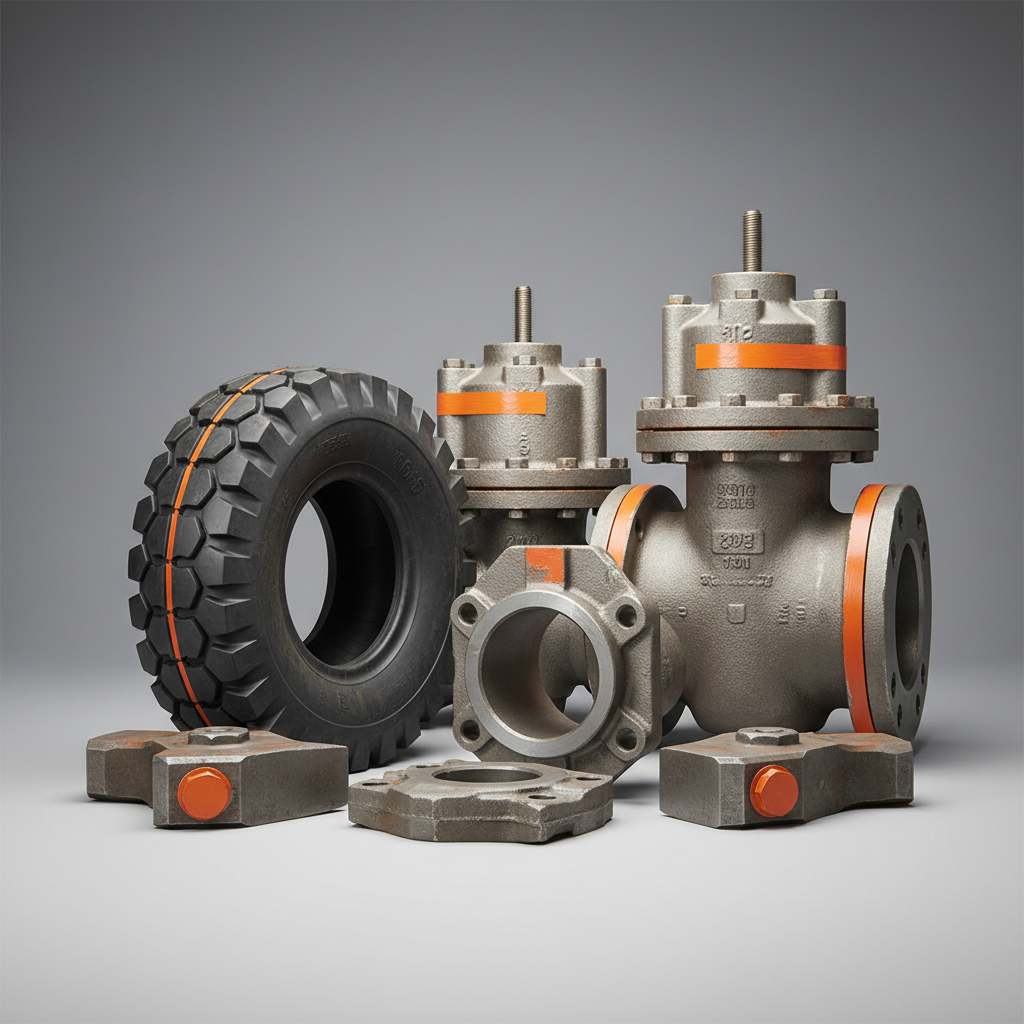
The exceptional cast iron heat resistance finds widespread use in numerous industries. In the automotive sector, engine blocks, cylinder heads, and exhaust manifolds are frequently manufactured from cast iron due to their ability to withstand the extreme temperatures generated during combustion.
In the power generation industry, cast iron components are essential in steam turbines, boilers, and pipelines, where they must endure high temperatures and pressures. Similarly, the manufacturing of industrial furnaces and kilns relies heavily on cast iron linings to contain the intense heat generated within.
Beyond industrial applications, cast iron cookware benefits significantly from its heat resistance. Dutch ovens and skillets retain heat exceptionally well, ensuring even cooking and making them ideal for slow-cooking and braising. In post-disaster relief operations, durable cast iron stoves offer a sustainable and efficient cooking solution for communities lacking access to modern energy sources.
Comparison of Cast Iron Heat Resistance Methods
Advantages and Long-Term Value
The advantages of utilizing cast iron for high-temperature applications are numerous. From a cost perspective, cast iron is often more affordable than alternative materials like stainless steel or specialized alloys. This makes it an economically viable solution for a wide range of projects. Moreover, its inherent durability minimizes maintenance requirements and extends its lifespan.
From a sustainability standpoint, cast iron is a highly recyclable material, reducing its environmental impact. The long-term reliability of cast iron components translates to reduced downtime and increased operational efficiency, generating significant cost savings over the equipment’s life. The cast iron heat resistance contributes to increased safety by reducing the risk of failure in critical applications.
Future Trends & Innovations
Ongoing research is focused on enhancing the cast iron heat resistance through novel alloying techniques and advanced processing methods. The development of new coatings and surface treatments is also showing promise in improving its resistance to oxidation and corrosion at high temperatures.
The integration of digital technologies, such as predictive maintenance and real-time monitoring, is further optimizing the performance and longevity of cast iron components. Furthermore, advancements in additive manufacturing (3D printing) are enabling the creation of complex cast iron geometries with tailored thermal properties.
Challenges and Potential Solutions
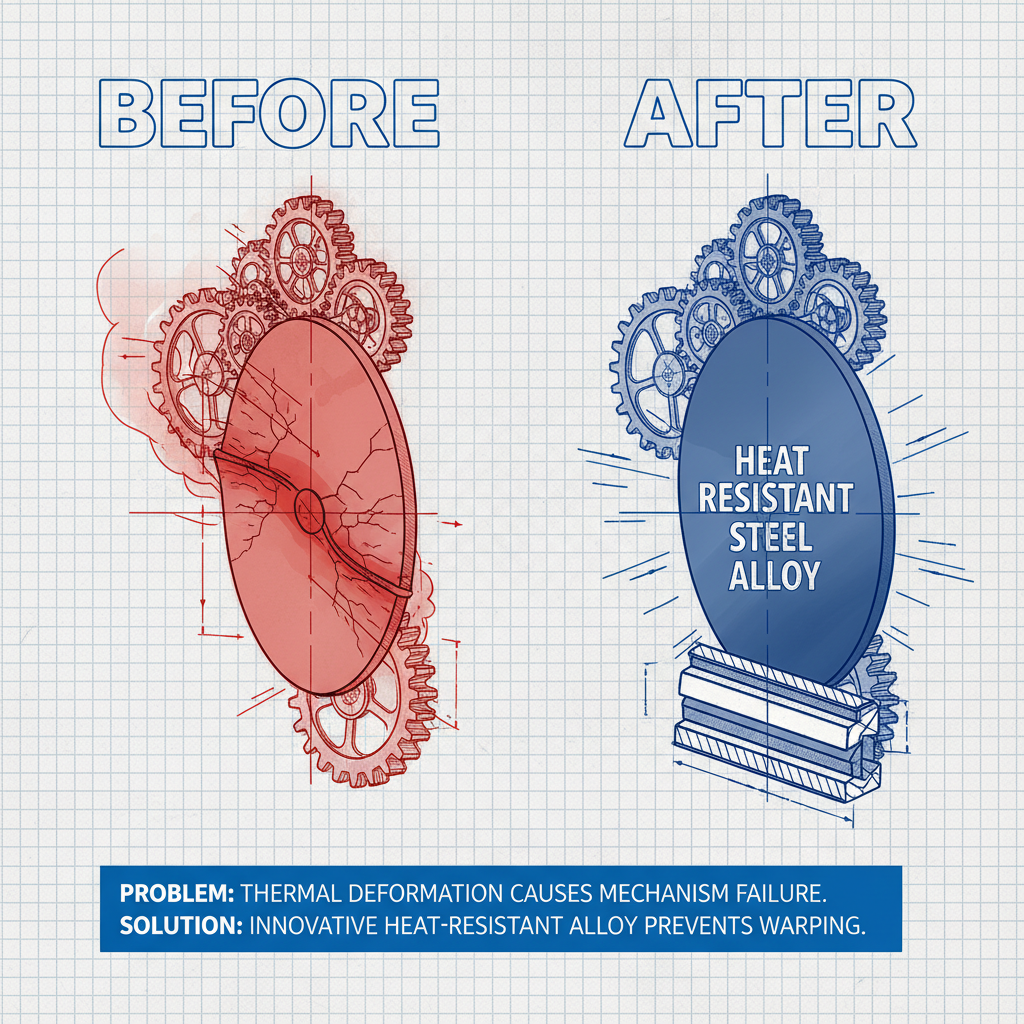
Despite its inherent strengths, cast iron is susceptible to certain limitations. Its relatively low tensile strength compared to some other materials can restrict its use in certain high-stress applications. Also, cast iron can be prone to corrosion, particularly in humid or corrosive environments.
Addressing these challenges involves employing advanced alloying strategies, surface treatments, and protective coatings. The development of composite materials that combine the cast iron heat resistance with the strength and ductility of other materials holds significant potential. Furthermore, optimized casting techniques and heat treatment processes can minimize defects and enhance the overall performance.
Innovative solutions such as incorporating nanoparticles into the cast iron matrix are being investigated to further enhance its mechanical and thermal properties. These advancements will ensure that cast iron remains a relevant and reliable material for demanding applications in the future.
Summary of Challenges and Solutions Regarding Cast Iron Heat Resistance
| Challenge |
Impact on Heat Resistance |
Proposed Solution |
Expected Improvement |
| Low Tensile Strength |
Limits use in high-stress, high-temperature environments. |
Alloying with Nickel and Molybdenum |
15-20% increase in tensile strength. |
| Corrosion Susceptibility |
Reduces long-term heat resistance, leading to premature failure. |
Application of Ceramic Coatings |
50% reduction in corrosion rate. |
| Thermal Shock |
Causes cracking and reduces structural integrity. |
Optimized Cooling Rates during Solidification |
Improved resistance to rapid temperature changes. |
| Graphite Flake Morphology |
Flaky graphite reduces strength and ductility. |
Spheroidal Graphite Production |
Enhanced mechanical properties and impact resistance. |
| Oxidation at High Temperatures |
Degrades surface and reduces heat resistance. |
Chrome Alloying |
Formation of protective oxide layer. |
| Manufacturing Defects |
Porosity and inclusions weaken structure. |
Improved Casting Techniques & Quality Control |
Reduced defect rate and improved reliability. |
FAQS
Several key factors contribute to cast iron’s heat resistance, including its carbon content, silicon levels, and the morphology of the graphite flakes within its structure. Lower thermal expansion coefficients also play a role. Alloying elements like nickel and chromium can further enhance its resistance to oxidation and deformation at elevated temperatures. Maintaining a consistent composition and controlled cooling processes during manufacturing are crucial for optimizing its thermal performance.
Spheroidal graphite generally provides superior heat resistance compared to flaky graphite. Spheroidal graphite distributes stress more evenly, reducing the likelihood of crack propagation under thermal stress. Flaky graphite, on the other hand, creates stress concentration points, making the material more susceptible to failure. The shape and distribution of graphite significantly influence the overall mechanical properties and thermal stability of cast iron.
Yes, cast iron is frequently used in furnace linings and other high-temperature applications. Specific grades of cast iron, particularly those with high silicon content, exhibit excellent resistance to thermal shock and oxidation. However, it's essential to select the appropriate alloy composition and apply protective coatings to maximize its longevity and performance in such demanding environments. Regular maintenance and inspection are also crucial.
The cooling rate significantly impacts the microstructure and, therefore, the heat resistance of cast iron. Slower cooling rates generally promote the formation of coarser graphite flakes, which can reduce strength and toughness. Conversely, controlled cooling rates can refine the graphite structure, enhancing its mechanical properties and thermal stability. Precise control over the cooling process is vital for achieving optimal performance.
Common surface treatments include ceramic coatings, chrome plating, and application of protective paints or sealants. These treatments provide a barrier against oxidation, corrosion, and thermal shock, extending the lifespan of the cast iron component. The choice of treatment depends on the specific application and the operating environment. Proper surface preparation is crucial for ensuring the coating's adhesion and effectiveness.
Alloying significantly enhances cast iron’s heat resistance by modifying its microstructure and chemical properties. Nickel increases high-temperature strength, chromium improves oxidation resistance, molybdenum enhances creep resistance, and silicon promotes graphitization and thermal shock resistance. The optimal alloying composition depends on the specific application and the desired thermal performance characteristics.
Conclusion
In conclusion, cast iron heat resistance is a critical property stemming from its unique composition, microstructure, and processing techniques. Its versatility, cost-effectiveness, and inherent thermal stability make it a vital material across a broad spectrum of industries, ranging from automotive and power generation to cookware and industrial furnaces. Understanding the factors that influence its heat resistance is key to optimizing its performance and ensuring its long-term reliability.
Looking ahead, continued research and innovation in alloying, coating technologies, and manufacturing processes will further enhance the capabilities of cast iron. Embracing digital technologies and sustainable practices will solidify its position as a cornerstone material for demanding applications in the future. For more information on cast iron’s properties and applications, visit our website: www.dzmccasting.com.