Heat resistant metal pipe is a crucial component in numerous industries, safeguarding operations and infrastructure against extreme temperatures. From power generation plants and chemical processing facilities to aerospace applications and high-performance automotive systems, the demand for reliable heat resistance is ever-increasing. Understanding the nuances of these pipes – their composition, manufacturing, and application – is vital for ensuring safety, efficiency, and longevity in critical processes.
The global market for heat resistant metal pipe is experiencing significant growth, driven by the expansion of energy production, particularly in renewable sources requiring high-temperature fluid transfer. Increasing industrialization in emerging economies, coupled with stricter environmental regulations demanding improved efficiency and reduced emissions, further fuels this demand. These pipes aren’t merely conduits; they're enabling technologies for a sustainable and technologically advanced future.
Proper selection and implementation of heat resistant metal pipe contribute significantly to reducing downtime, preventing catastrophic failures, and optimizing overall system performance. This not only results in economic benefits but also mitigates potential environmental hazards and ensures worker safety. Investing in quality heat resistant piping is an investment in operational integrity and long-term sustainability.
Introduction to Heat Resistant Metal Pipe
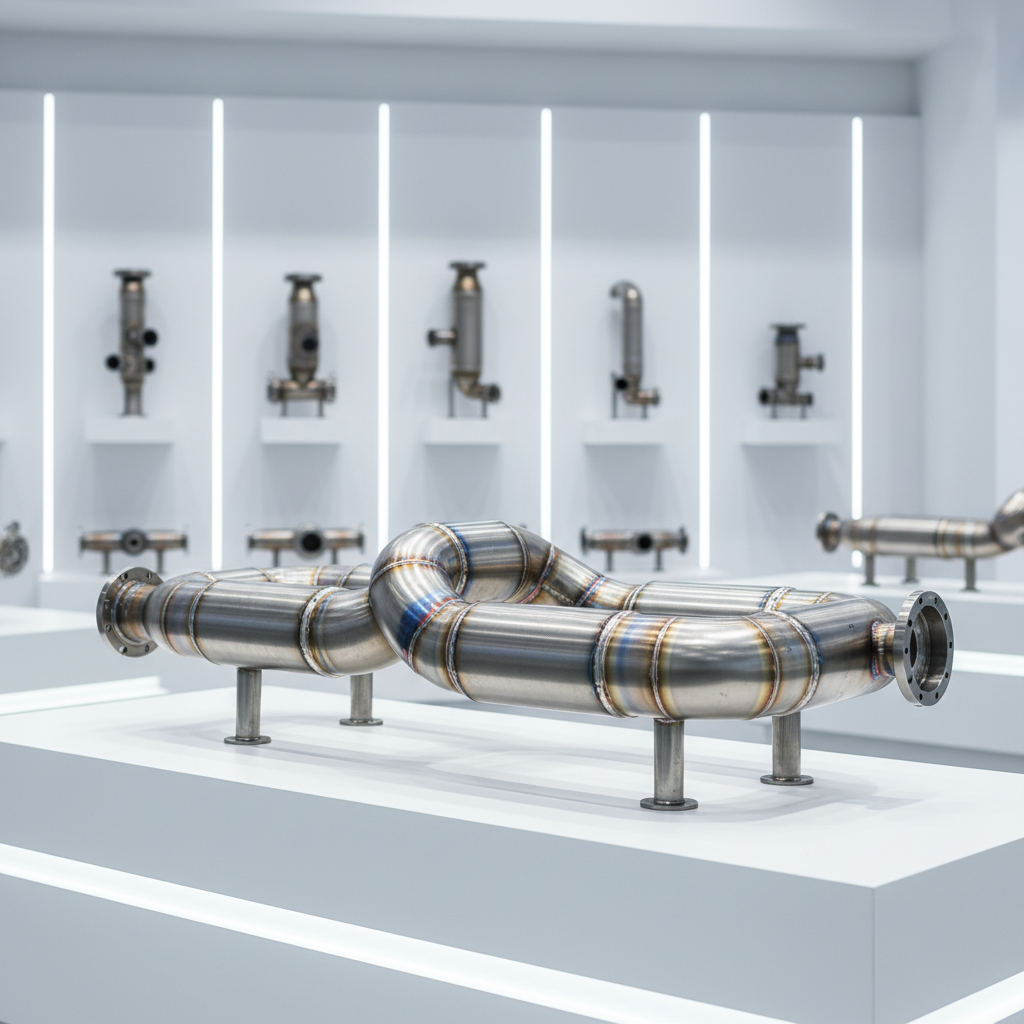
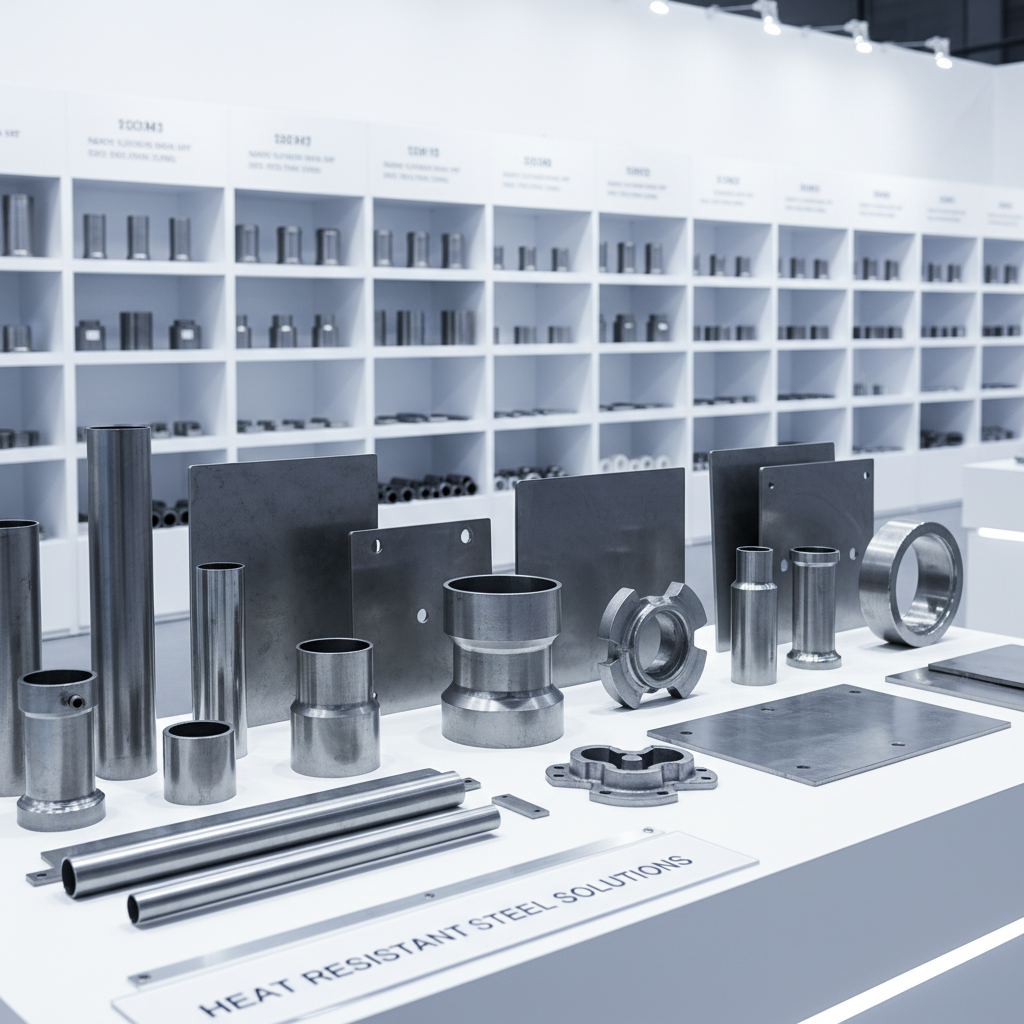
Heat resistant metal pipe refers to piping systems engineered to withstand extremely high temperatures without significant degradation in structural integrity or performance. These pipes are typically constructed from specialized alloys—such as stainless steel, Inconel, Hastelloy, and various nickel-based alloys—chosen for their exceptional resistance to oxidation, corrosion, and creep at elevated temperatures.
The primary function of these pipes is to safely and efficiently transport fluids, gases, or slurries under intense heat, making them indispensable in a wide range of industrial processes. heat resistant metal pipe plays a critical role in applications where maintaining temperature and preventing material failure are paramount.
Global Relevance and Industry Context
The demand for heat resistant metal pipe is intrinsically linked to global industrial output, particularly in sectors like power generation, chemical processing, oil and gas refining, and aerospace. According to the International Energy Agency (IEA), global energy demand is projected to increase by 47% by 2050, driving demand for efficient and reliable energy infrastructure, including high-temperature piping systems.
The rise of concentrated solar power (CSP) plants, for example, necessitates piping capable of handling molten salt temperatures exceeding 500°C. Similarly, the expansion of hydrogen production—a key component of the energy transition—requires specialized pipes to safely transport hydrogen at high temperatures and pressures. This demand is not limited to developed nations; emerging economies are also rapidly increasing their investments in infrastructure requiring robust heat resistant piping.
Furthermore, stringent environmental regulations aimed at reducing emissions and improving process efficiency are pushing industries to adopt more advanced materials and technologies. Heat resistant metal pipe contributes to these goals by minimizing leaks, reducing energy losses, and extending the lifespan of critical equipment.
Defining Heat Resistant Metal Pipe
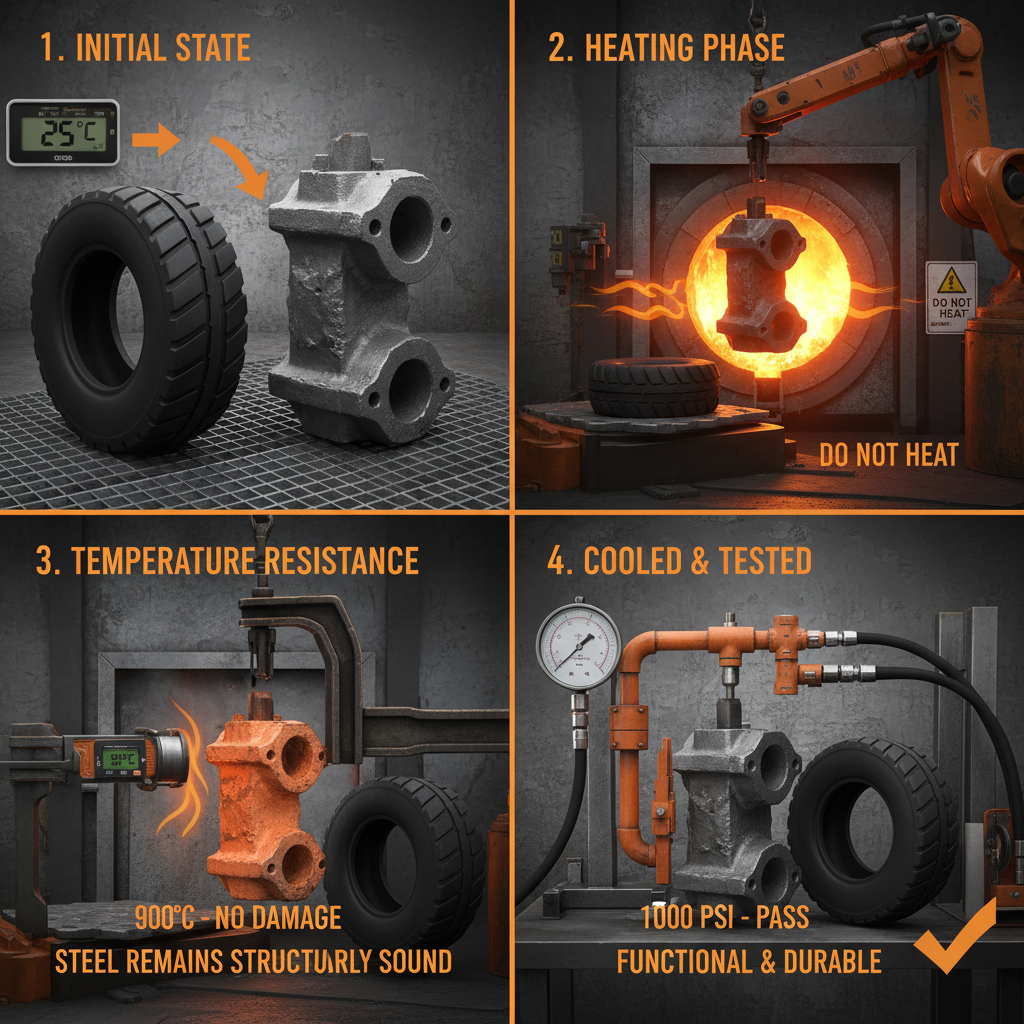
In its simplest form, heat resistant metal pipe is a tubular component designed to convey fluids or gases at temperatures significantly above those handled by conventional piping materials like carbon steel. The defining characteristic isn't simply withstanding high temperatures, but maintaining its mechanical properties – strength, ductility, and resistance to corrosion – while exposed to those temperatures.
This definition is crucial because many materials can briefly withstand high heat, but a true heat resistant pipe needs to perform reliably over extended periods. The selection of the appropriate alloy depends heavily on the specific application, considering factors such as the temperature range, the corrosive nature of the fluid, and the required pressure rating.
Its connection to modern industry stems from the need for enhanced process efficiency and reliability. In humanitarian efforts, heat resistant metal pipe is vital for providing clean water in geothermal areas or for transporting fluids in emergency medical facilities operating in harsh environments. It underpins modern technological advancement and critical life-sustaining processes.
Key Factors in Heat Resistant Metal Pipe Design
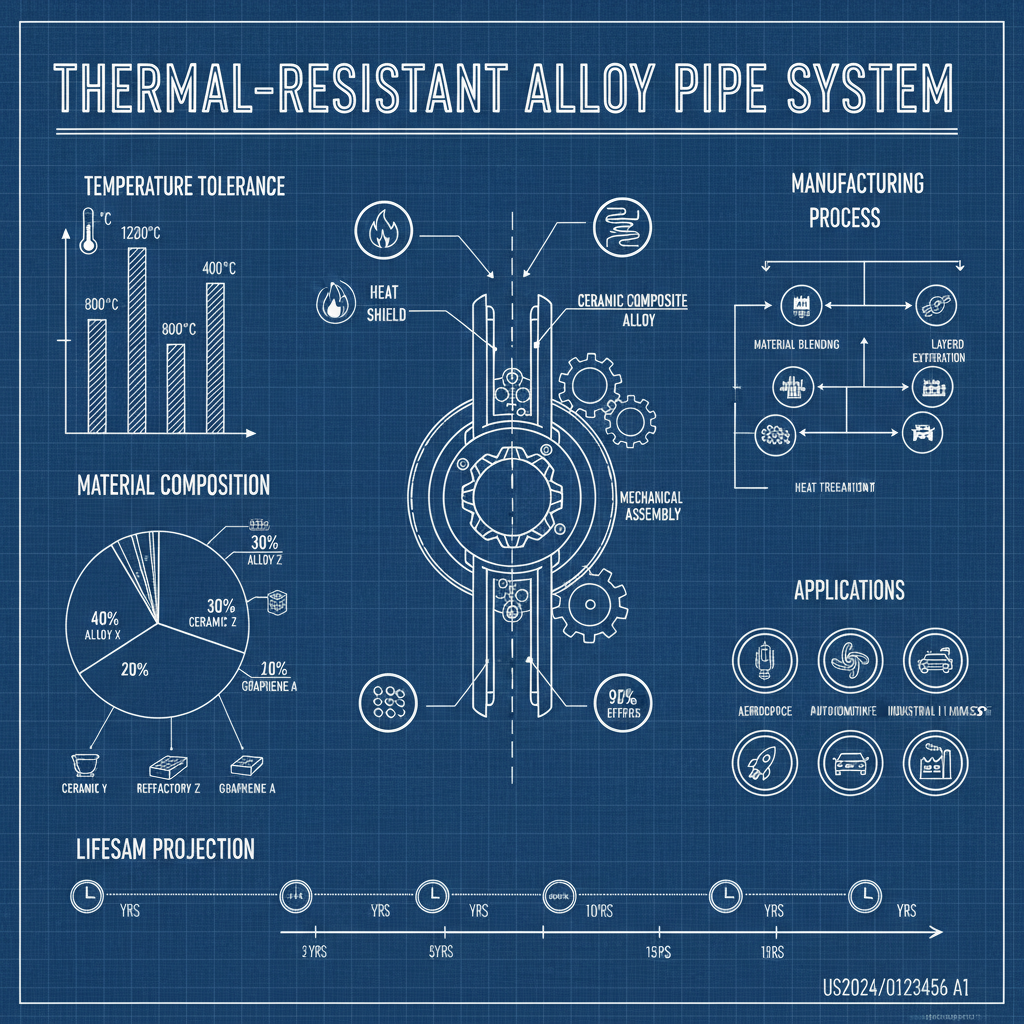
Several critical aspects govern the performance and suitability of heat resistant metal pipe for a given application. One of the most important is Material Composition, specifically the alloy selected. Different alloys offer varying levels of resistance to oxidation, corrosion, and creep – the tendency of a material to deform permanently under sustained stress at high temperatures.
Another key factor is Wall Thickness. Sufficient thickness is necessary to withstand the internal pressure and external loads while maintaining structural integrity at elevated temperatures. Manufacturing Process also plays a significant role, as welding and fabrication techniques can introduce residual stresses and affect the pipe’s overall strength.
Performance Metrics of Heat Resistant Metal Pipe Alloys
Applications Across Industries
The energy sector is a primary consumer of heat resistant metal pipe, utilizing it in steam generators, boiler systems, and high-temperature pipelines within power plants. The chemical processing industry relies heavily on these pipes for handling corrosive fluids and gases at elevated temperatures during various synthesis and refining processes.
In the aerospace industry, heat resistant alloys are crucial for exhaust systems, engine components, and hydraulic lines subjected to extreme thermal conditions. The automotive sector leverages these materials in turbocharger systems and exhaust gas recirculation (EGR) systems to improve engine efficiency and reduce emissions. heat resistant metal pipe is found in everything from specialized racing components to advanced engine technologies.
Advantages and Long-Term Value
Investing in heat resistant metal pipe yields significant tangible benefits. Cost savings are realized through reduced maintenance and downtime, as these pipes require less frequent replacement than conventional materials. Sustainability is enhanced by extending the lifespan of infrastructure and minimizing material waste. The reliability of these pipes ensures continuous operation, preventing costly disruptions and improving overall process efficiency.
Beyond the economic advantages, heat resistant piping significantly improves safety by reducing the risk of leaks and failures in high-temperature environments. This contributes to a more secure and responsible operational environment, building trust with stakeholders and fostering a culture of innovation.
Future Trends and Innovations
The future of heat resistant metal pipe is closely tied to advancements in materials science and manufacturing technologies. Research is focusing on developing new alloys with even higher temperature capabilities, improved corrosion resistance, and enhanced weldability. Additive manufacturing (3D printing) is emerging as a promising technique for creating complex pipe geometries and customized solutions.
Digitalization and the Industrial Internet of Things (IIoT) are also playing a crucial role, with sensors embedded within pipes providing real-time monitoring of temperature, pressure, and corrosion levels. This data-driven approach allows for predictive maintenance and optimized performance. Sustainability considerations are driving the development of more environmentally friendly alloys and manufacturing processes.
Integration with green energy technologies, particularly concentrated solar power and advanced geothermal systems, will further expand the demand for these specialized pipes. Automation in fabrication and installation processes will streamline production and reduce costs.
FAQS
While both are excellent choices, Inconel generally offers superior corrosion and oxidation resistance at extremely high temperatures compared to most stainless steel alloys. Stainless steel is often more cost-effective for moderate temperature applications, but Inconel is preferred where exceptional durability in harsh environments is critical. The choice depends on specific temperature, pressure, and chemical exposure parameters.
Determining the correct wall thickness requires a comprehensive engineering analysis considering factors such as operating pressure, temperature, fluid properties, potential external loads, and applicable codes and standards. Calculations often involve formulas like the Barlow formula or more sophisticated finite element analysis (FEA) to ensure the pipe can safely withstand anticipated stresses throughout its service life.
Heat resistant alloys can be difficult to weld due to their high melting points, susceptibility to cracking, and tendency to form brittle microstructures. Specialized welding techniques like gas tungsten arc welding (GTAW) or plasma arc welding (PAW) are often required, along with precise control of heat input, shielding gas composition, and post-weld heat treatment to ensure weld integrity.
Mitigation strategies include selecting the appropriate alloy for the specific corrosive environment, implementing corrosion inhibitors, applying protective coatings, and utilizing cathodic protection systems. Regular inspection and monitoring are also crucial for detecting and addressing corrosion issues before they lead to failures.
The lifespan of heat resistant metal pipe varies significantly depending on the application, operating conditions, and material quality. However, with proper design, installation, and maintenance, these pipes can often operate reliably for 20-50 years or more. Regular inspections and proactive maintenance are key to maximizing lifespan.
Research is ongoing into more sustainable alternatives, including high-entropy alloys (HEAs) and the use of recycled materials. While not yet widely adopted, these approaches offer potential for reducing the environmental impact of heat resistant pipe production. Optimizing pipe design to minimize material usage is also a key sustainability strategy.
Conclusion
Heat resistant metal pipe represents a cornerstone of modern industrial infrastructure, enabling critical processes across diverse sectors. Its ability to withstand extreme temperatures while maintaining structural integrity and corrosion resistance is paramount for ensuring safety, efficiency, and sustainability. The continued advancement of materials science, manufacturing techniques, and digital monitoring technologies will further enhance the performance and longevity of these vital components.
Looking ahead, a proactive approach to material selection, coupled with regular inspection and maintenance, will be crucial for maximizing the value of heat resistant metal pipe systems. Investing in high-quality piping and embracing innovative technologies are essential for meeting the growing demands of a rapidly evolving global landscape.