0%

Table of Contents

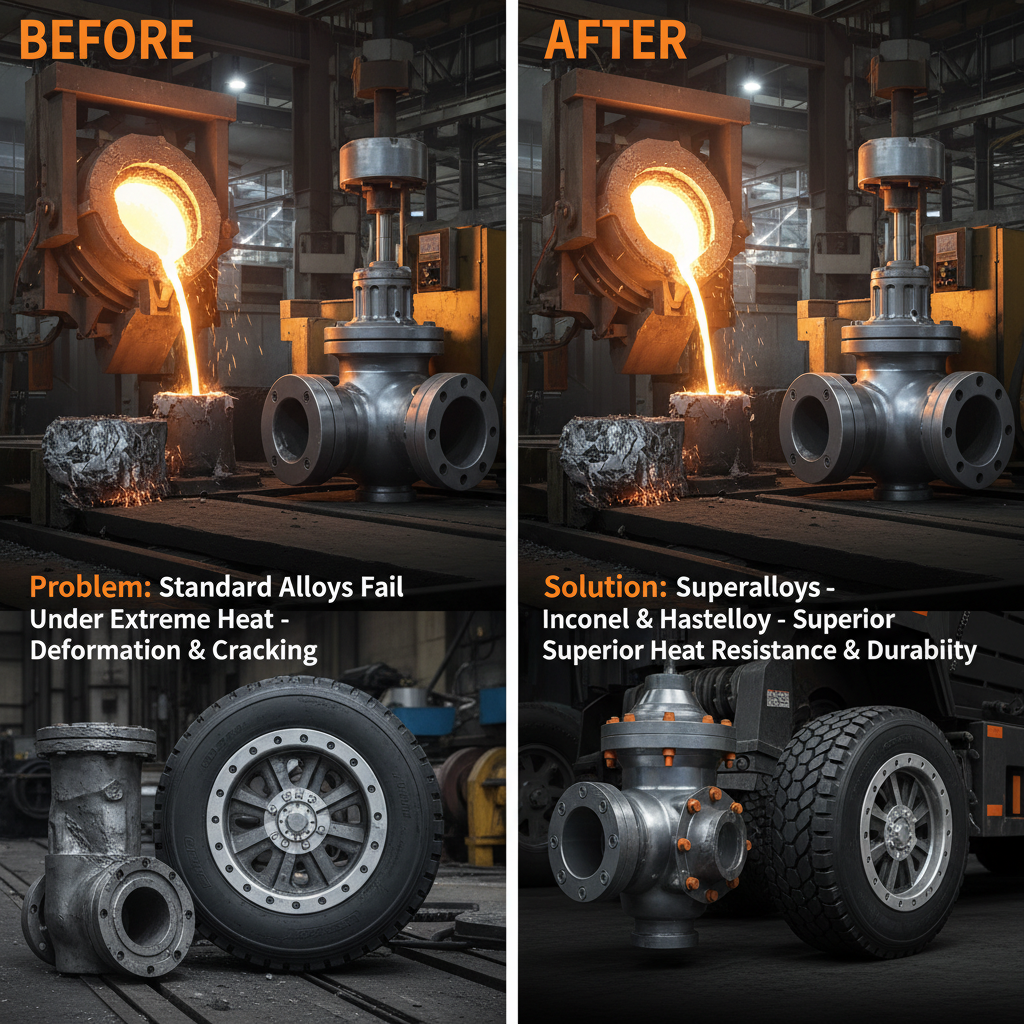
Heat resistant metal plate are essential components in a vast array of industrial and technological applications, playing a crucial role in ensuring safety, efficiency, and longevity of equipment operating in high-temperature environments. From aerospace engineering to power generation, and even everyday applications like cooking appliances, these specialized materials are designed to withstand extreme heat without compromising their structural integrity or performance. Understanding the properties and applications of heat resistant metal plate is paramount for innovation and progress across numerous sectors.

The global demand for heat resistant metal plate is driven by the continuous expansion of industries requiring high-temperature operation, such as aerospace, automotive, chemical processing, and energy production. According to a report by Grand View Research, the global high-temperature alloys market (closely linked to heat resistant metal plate materials) was valued at USD 15.38 billion in 2022 and is projected to reach USD 24.84 billion by 2030, growing at a CAGR of 6.1%. This substantial growth highlights the increasing reliance on these materials in critical applications and the need for continuous development and optimization.

The development and utilization of heat resistant metal plate represents a significant advancement in materials science, allowing for increased efficiency and reliability in numerous processes. These plates aren’t merely about resisting heat; they’re about enabling technologies that improve our lives, from safer air travel to more efficient power plants.
Exploring the Crucial Role of Heat Resistant Metal Plate in Modern Industries

Introduction to heat resistant metal plate

Exploring the Crucial Role of Heat Resistant Metal Plate in Modern Industries

Heat resistant metal plate are engineered materials designed to maintain their mechanical strength and structural integrity at elevated temperatures, often exceeding hundreds or even thousands of degrees Celsius. These plates are not just about preventing melting; they are about maintaining crucial properties like creep resistance, oxidation resistance, and thermal stability.

The applications of these specialized plates span diverse industries, from protecting critical components in jet engines to lining furnaces in metallurgical processes. Their ability to withstand extreme conditions makes them indispensable for advancing technology and improving industrial efficiency. Choosing the right heat resistant metal plate depends heavily on the specific application and the environment it will endure.

Defining Heat Resistant Metal Plate

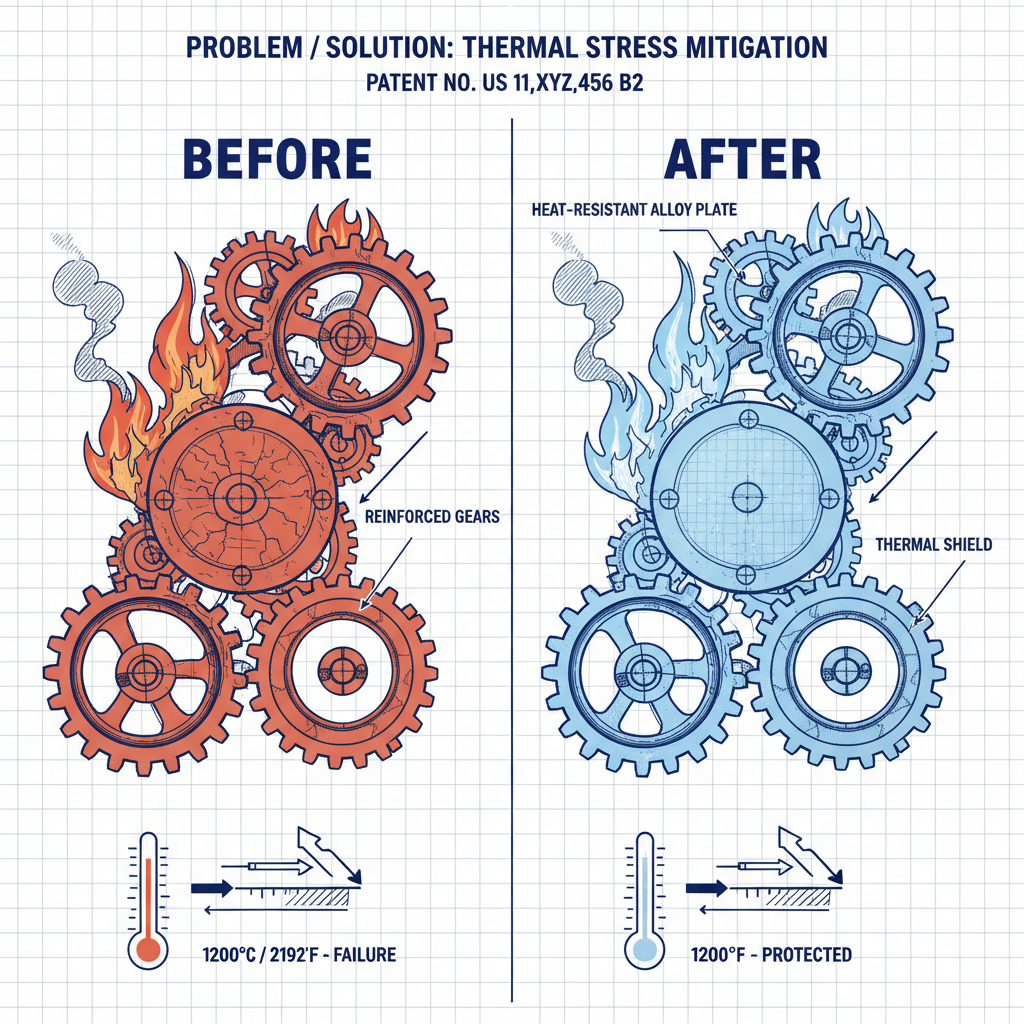
A heat resistant metal plate is a metallic component specifically designed to perform reliably under conditions of high temperature. Unlike common metals which lose strength and deform at elevated temperatures, these plates retain their structural integrity, resistance to creep, and resistance to oxidation. They are crucial in environments where conventional materials would simply fail.

The concept of heat resistance doesn't mean immunity to heat, but rather the ability to maintain useful properties within a specified temperature range. This is achieved through careful selection of alloys and sometimes, surface coatings. They are a cornerstone of modern engineering, enabling technologies that would otherwise be impossible.

These plates are essential to many sectors, contributing to advancements in energy production, aerospace, and materials processing, addressing critical needs for durable and reliable high-temperature solutions.

Key Properties of heat resistant metal plate

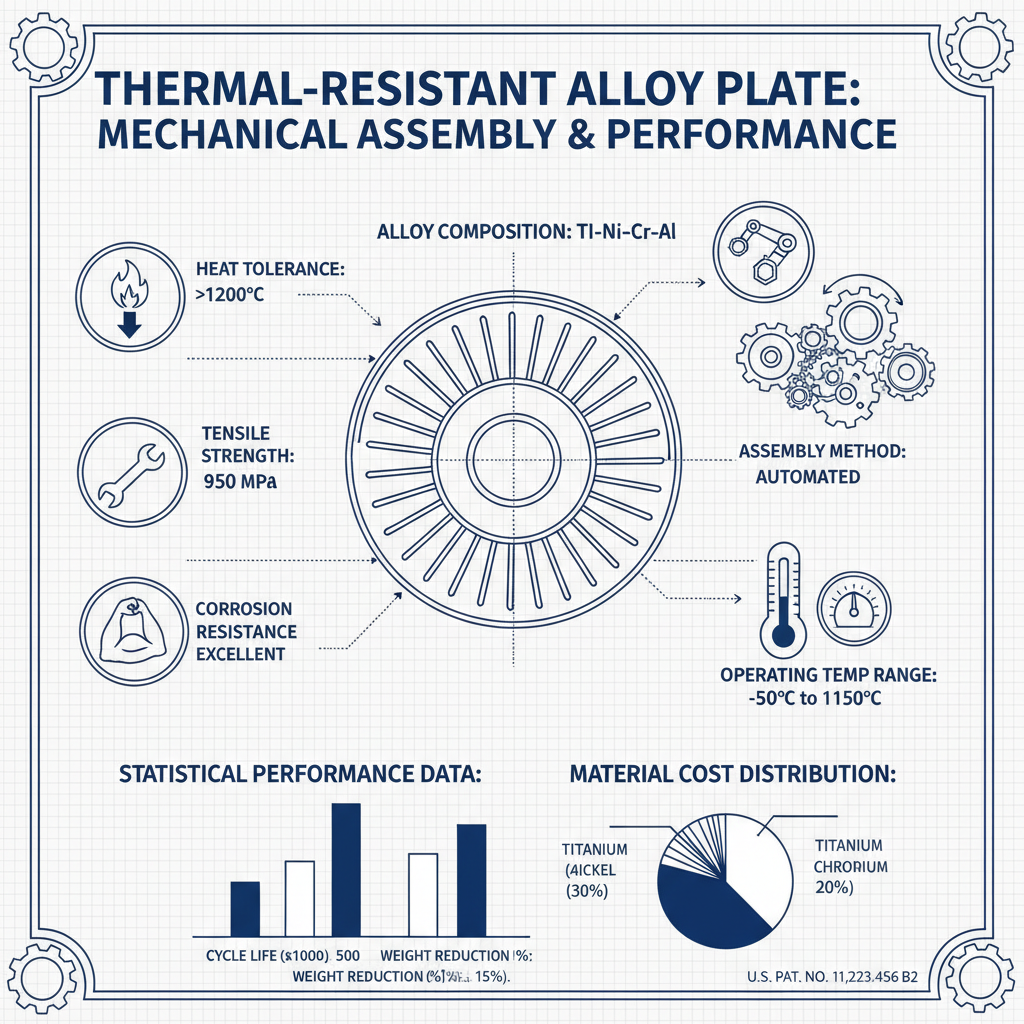
Several key properties define the performance and suitability of heat resistant metal plate. Creep resistance is paramount, describing the material’s ability to withstand long-term deformation under sustained stress at high temperatures. Oxidation resistance is equally vital, preventing the degradation of the metal surface due to reaction with oxygen.

Thermal stability refers to the material’s ability to maintain its microstructure and properties over prolonged exposure to high temperatures, minimizing changes that could compromise its performance. Finally, high-temperature strength is crucial - the metal must retain sufficient mechanical strength to withstand the stresses imposed during operation. The balance of these properties dictates the application potential of a particular heat resistant metal plate.

These properties are often achieved through alloying, where different metals are combined to create materials with superior high-temperature performance. The selection of alloys is a critical step in designing for specific heat-resistant applications.

Real-World Applications of heat resistant metal plate

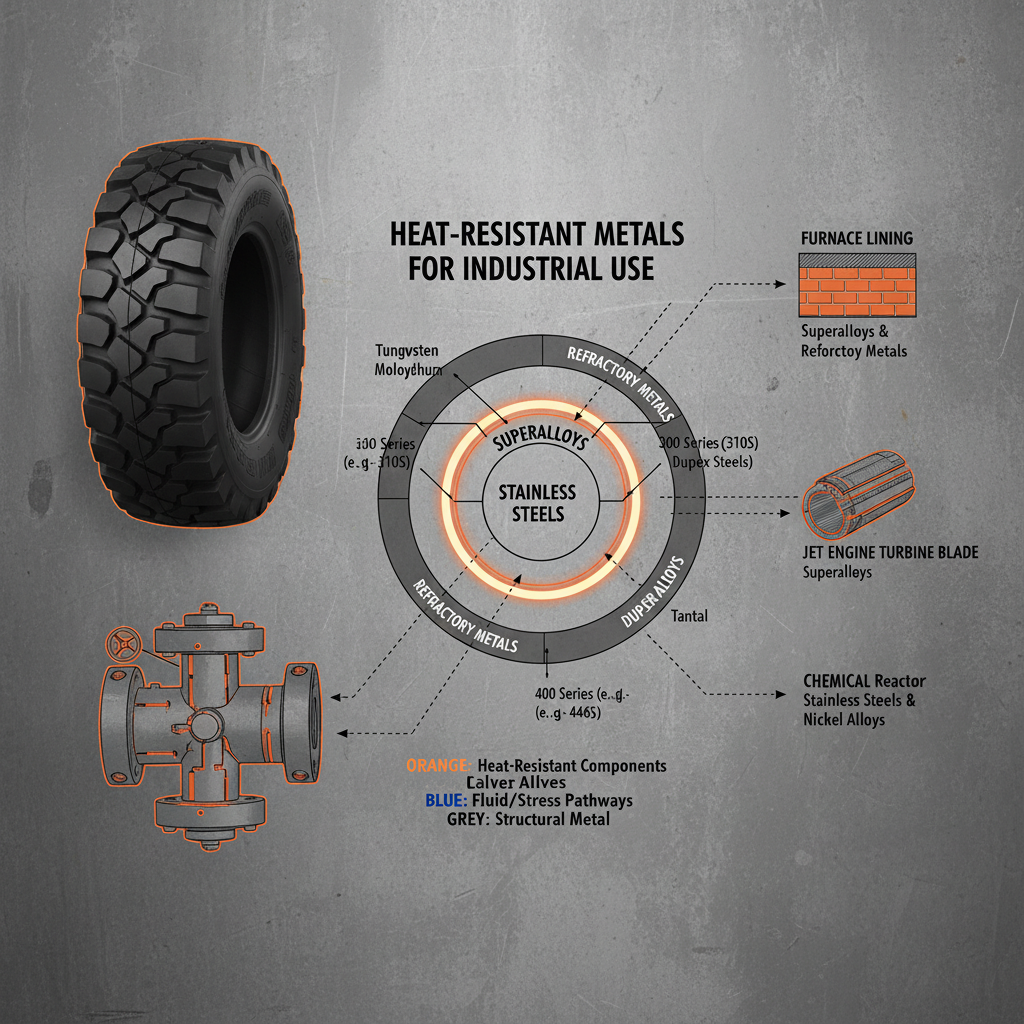
The applications of heat resistant metal plate are remarkably diverse. In the aerospace industry, these plates are integral to jet engine components like turbine blades and combustion chambers, where temperatures can exceed 1,200°C. In power generation, they line furnaces in coal-fired power plants and are used in gas turbines for efficient energy production.

The chemical processing industry leverages heat resistant metal plate in reactors, heat exchangers, and distillation columns where corrosive chemicals are present at elevated temperatures. Furthermore, the metallurgical industry relies on them for furnace linings and molds. From industrial furnaces to high-speed rail components, the role of heat resistant metal plate is continually expanding.

Performance Comparison of Different heat resistant metal plate Alloys


Advantages and Long-Term Value

Employing heat resistant metal plate offers significant advantages. Reduced downtime due to material failure translates to cost savings and increased productivity. Enhanced safety in high-temperature applications minimizes risks to personnel and equipment. The extended lifespan of components reduces the frequency of replacements, contributing to long-term sustainability.

The long-term value stems from the increased efficiency and reliability these plates provide. In energy production, for example, more efficient turbines utilizing these materials lead to lower fuel consumption and reduced emissions. This contributes to both economic benefits and a smaller environmental footprint.

Future Trends in heat resistant metal plate Technology

The future of heat resistant metal plate technology is focused on developing materials with even higher temperature capabilities and improved durability. Research into advanced alloys containing elements like rhenium and ruthenium is ongoing, aiming for increased creep resistance and oxidation resistance. Additive manufacturing (3D printing) is also playing a role, enabling the creation of complex geometries and customized solutions.

Furthermore, the development of advanced coatings – such as ceramic matrix composites – promises to further enhance the performance of existing alloys by providing superior thermal barrier properties. These innovations align with the broader goals of improving energy efficiency and reducing greenhouse gas emissions.

Challenges and Innovations

One of the primary challenges in heat resistant metal plate technology is the high cost of some of the advanced alloys. Rhenium and ruthenium, for instance, are rare and expensive elements. Another challenge lies in the difficulty of manufacturing complex shapes from these materials.

However, innovations are addressing these issues. Researchers are exploring alternative alloying elements and developing more cost-effective manufacturing processes. Additive manufacturing offers a potential solution for creating intricate designs with reduced material waste. Furthermore, the development of functionally graded materials—where the composition varies throughout the component—is showing promise in optimizing performance and reducing material costs.

Ultimately, overcoming these challenges will require collaborative efforts between researchers, manufacturers, and end-users to develop sustainable and economically viable solutions.

Frequently Asked Questions About heat resistant metal plate

Application Material Composition Temperature Resistance Typical Cost Range
Aerospace Turbine Blades Nickel-based Superalloys (Inconel 718) Up to 1100°C $200 - $500 per kg
Furnace Linings Silicon Carbide (SiC) Up to 1650°C $50 - $150 per kg
Chemical Processing Reactors Hastelloy X Up to 1200°C $300 - $600 per kg
Gas Turbine Components Nickel-based Superalloys (Waspaloy) Up to 1050°C $250 - $550 per kg
High-Temperature Heat Exchangers Titanium Alloys Up to 600°C $100 - $300 per kg
Industrial Furnaces Molybdenum Alloys Up to 2600°C $150 - $400 per kg

FAQS

What are heat resistant metal plate commonly used for?

Heat resistant metal plate are extensively used in applications requiring materials to withstand extremely high temperatures without significant degradation. This includes components in jet engines, gas turbines, furnace linings, chemical processing equipment, and heat exchangers. These plates are crucial for maintaining efficiency and reliability in these demanding environments, allowing for operations at temperatures where conventional metals would fail. They contribute to higher energy efficiency and reduced downtime.

How do different alloys affect the heat resistance of a metal plate?

The alloy composition directly influences the heat resistance of a metal plate. Different alloys exhibit varying degrees of creep resistance, oxidation resistance, and thermal stability. Nickel-based superalloys, for instance, are known for their exceptional high-temperature strength and creep resistance. Alloys containing elements like chromium and aluminum enhance oxidation resistance by forming protective oxide layers. The precise combination of elements is tailored to the specific application's temperature and environmental requirements.

What is creep resistance and why is it important?

Creep resistance refers to a material's ability to resist slow, permanent deformation under sustained stress at elevated temperatures. This is crucial in high-temperature applications where components are subjected to continuous stress. Without adequate creep resistance, components can gradually deform over time, leading to failure. Heat resistant metal plate with high creep resistance ensure the structural integrity and longevity of equipment operating in extreme conditions.

How does oxidation resistance impact the lifespan of these plates?

Oxidation resistance is vital as it prevents the formation of scale and corrosion on the metal surface at high temperatures. Oxidation weakens the material and reduces its cross-sectional area, leading to premature failure. Heat resistant metal plate designed with excellent oxidation resistance maintain their structural integrity and performance for a prolonged period, minimizing maintenance and replacement costs. Protective coatings also play a crucial role in enhancing oxidation resistance.

What are the emerging trends in manufacturing heat resistant metal plate?

Additive manufacturing (3D printing) is revolutionizing the production of heat resistant metal plate, enabling the creation of complex geometries and customized designs. Furthermore, research into functionally graded materials, where composition varies throughout the component, is gaining traction. The development of advanced coatings and the exploration of novel alloys with enhanced high-temperature properties are also key trends shaping the future of this field.

Are heat resistant metal plate environmentally friendly?

Heat resistant metal plate contribute to environmental sustainability by enhancing the efficiency of power generation and industrial processes. Their durability reduces the need for frequent replacements, minimizing resource consumption and waste. Moreover, the improved efficiency of components using these plates can lower fuel consumption and emissions. The development of sustainable alloying elements and manufacturing processes further enhances their environmental friendliness.

Conclusion

In conclusion, heat resistant metal plate are indispensable materials in a wide array of critical applications, enabling advancements in aerospace, energy production, chemical processing, and more. Their unique combination of high-temperature strength, creep resistance, and oxidation resistance ensures reliable performance in demanding environments, leading to increased efficiency, reduced downtime, and enhanced safety. Understanding the properties, applications, and future trends of these materials is crucial for continued innovation.

As technology continues to advance, the demand for even higher-performing heat resistant metal plate will only grow. Ongoing research and development efforts focused on novel alloys, advanced manufacturing techniques, and sustainable materials will be vital to meeting these future needs. For those seeking reliable and high-quality heat resistant metal plate solutions, we invite you to visit our website to explore our comprehensive product offerings and discuss your specific requirements.

David Chen

David Chen

David Chen is the Production Manager at Hebei Dezhong Machinery Co., Ltd. David oversees all aspects of the casting process, from lost foam casting and coated sand shell molding to mechanical processing. He’s responsible for the efficient operation of the production lines, boasting an annual output exceeding 10,000 tons of
Previous Advancements in Heat Resistant Stainless Steel for High Temperature Applications
Next The Importance of Heat Resistant Metal Pipe in Modern Industries