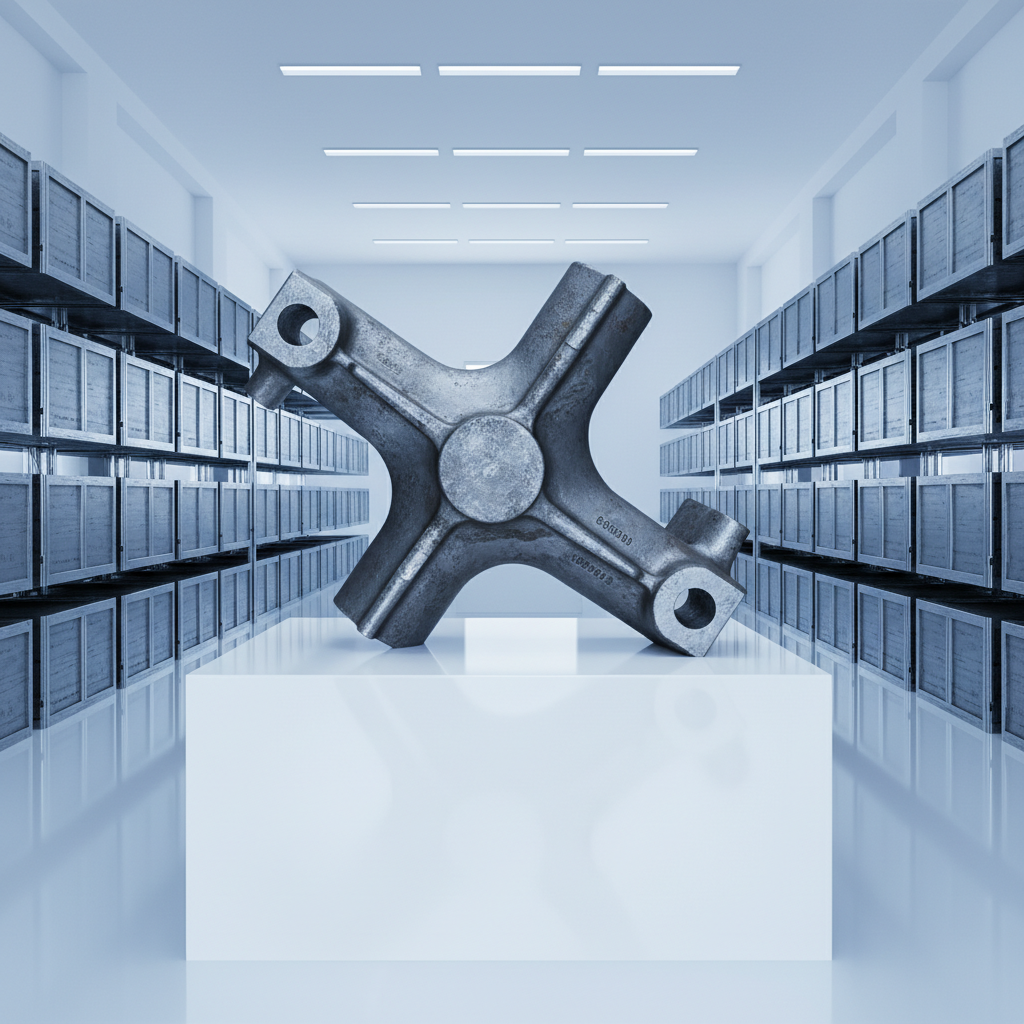
Heat resistant stainless steel is a crucial material in a world increasingly demanding robust and reliable components for high-temperature applications. From aerospace engineering to chemical processing and even everyday kitchen appliances, its unique properties enable advancements and ensure safety across diverse industries. Understanding the nuances of heat resistant stainless, including its composition, characteristics, and applications, is paramount for engineers, designers, and manufacturers seeking to innovate and optimize performance in demanding environments.
The global demand for heat resistant stainless is driven by the continuous expansion of industries reliant on high-temperature functionality. According to a recent report by the World Steel Association, specialty steel – which includes heat resistant stainless – is projected to grow significantly in the coming years, fueled by infrastructure development in emerging economies and the increasing need for materials capable of withstanding extreme conditions. This growth underscores the importance of understanding and utilizing these materials effectively.
The development and implementation of heat resistant stainless addresses the significant challenges associated with materials degradation at elevated temperatures. Traditional materials often lose strength, corrode, or undergo undesirable phase changes when exposed to intense heat, leading to equipment failure and potential safety hazards. Heat resistant stainless offers a durable, reliable solution, extending the lifespan of critical components and minimizing downtime.
Introduction to heat resistant stainless
Heat resistant stainless steel isn't a single alloy, but rather a family of stainless steels specifically designed to maintain their mechanical strength and resist corrosion at elevated temperatures. These alloys achieve this through carefully controlled compositions, primarily focusing on increased chromium, nickel, and stabilizing elements like titanium or niobium. This allows them to perform reliably in environments where conventional steels would fail.
The applications for this material are incredibly diverse, ranging from critical components in jet engines and power generation plants to more mundane uses like high-temperature ovens and exhaust systems. The ability of heat resistant stainless to withstand both high temperatures and corrosive atmospheres makes it indispensable in numerous sectors, highlighting its importance in modern engineering.
Defining Heat Resistant Stainless
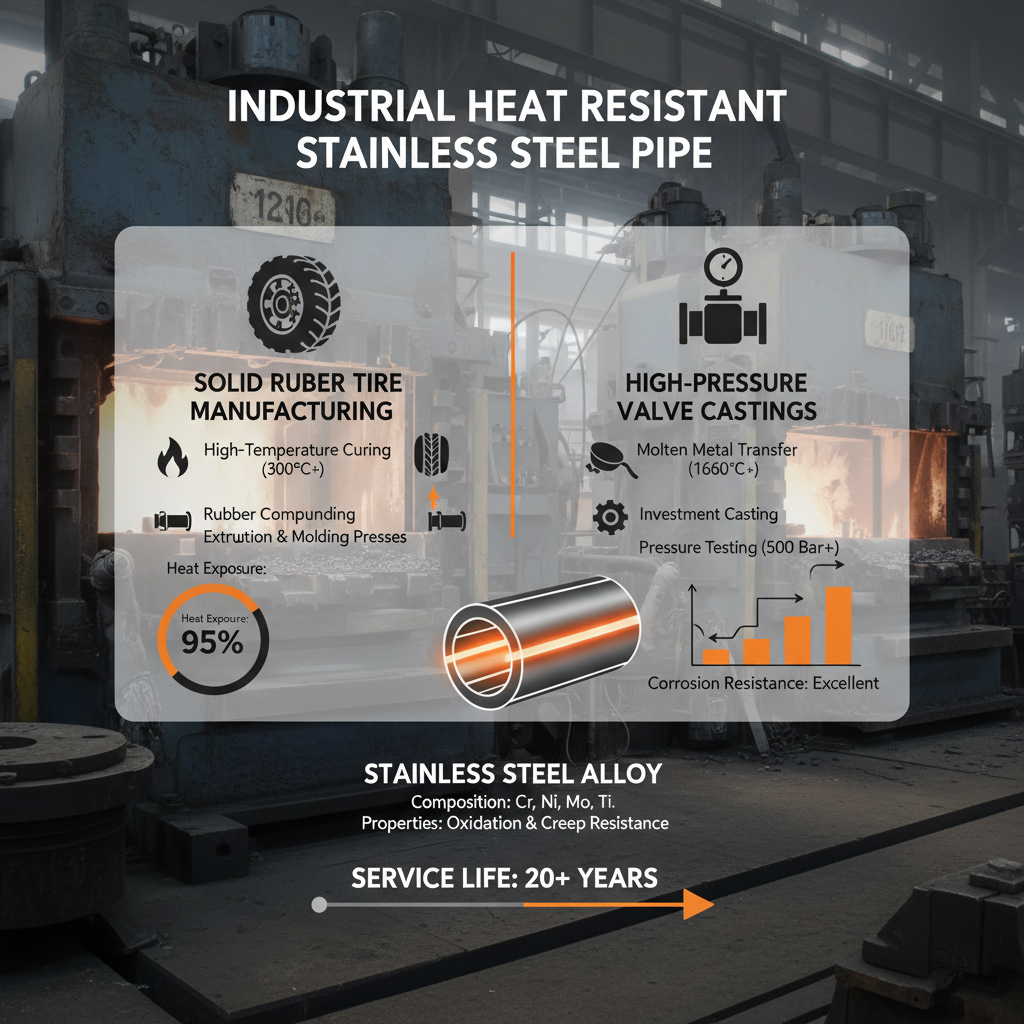
Heat resistant stainless steel is defined as a group of stainless alloys that exhibit exceptional resistance to oxidation, corrosion, and creep at elevated temperatures – typically exceeding 500°C (932°F). Unlike standard stainless steels, these alloys are formulated to maintain their structural integrity and mechanical properties under prolonged exposure to heat and aggressive chemical environments. The critical difference lies in the specific alloy composition and the inclusion of elements that stabilize the microstructure at high temperatures.
This material is pivotal in modern industry, supporting sectors from energy production to aerospace. Without heat resistant stainless, the efficiency and lifespan of many essential technologies would be severely compromised. It’s not merely about withstanding heat, but about maintaining performance and safety under extreme conditions.
The connection to humanitarian needs, though less direct, arises from its use in critical infrastructure and resource management. Efficient power generation, clean water purification, and reliable transportation systems – all benefiting from heat resistant stainless – contribute to improved quality of life and sustainable development.
Core Components of Heat Resistance
Several key factors contribute to the exceptional heat resistance of these alloys. Firstly, chromium plays a vital role in forming a protective oxide layer on the surface, preventing further oxidation. Secondly, the addition of nickel enhances the alloy’s austenitic structure, increasing its strength and ductility at elevated temperatures. The specific blend of these elements, along with other stabilizing agents, determines the alloy’s overall performance characteristics.
Stabilizing elements like titanium and niobium are crucial in preventing sensitization – the precipitation of chromium carbides at grain boundaries, which can significantly reduce corrosion resistance. These elements preferentially react with carbon, forming stable carbides that do not deplete chromium from the surrounding areas. This ensures long-term corrosion resistance even after prolonged exposure to high temperatures.
Furthermore, the microstructure of the alloy is carefully controlled through heat treatment processes. Grain size, phase distribution, and the presence of precipitates all influence the material’s creep resistance, which is its ability to resist deformation under sustained stress at high temperatures. Optimizing these microstructural features is essential for maximizing the alloy’s performance.
Key Performance Indicators of heat resistant stainless
Understanding the key performance indicators (KPIs) of heat resistant stainless is crucial for selecting the appropriate alloy for a specific application. One critical KPI is creep strength, measuring the material’s resistance to deformation under sustained stress at high temperatures. Higher creep strength indicates better long-term stability.
Another important KPI is oxidation resistance, quantifying the alloy’s ability to withstand oxidation in various atmospheres. This is typically assessed by measuring the weight gain due to oxide formation after prolonged exposure to high temperatures. Corrosion resistance, particularly in aggressive environments, is also a vital KPI, determining the alloy’s ability to withstand chemical attack.
Heat Resistant Stainless Steel Alloy Performance
Global Applications of heat resistant stainless
The applications of heat resistant stainless are widespread, impacting numerous industries globally. In the aerospace sector, it's used extensively in jet engine components, exhaust systems, and structural parts requiring high strength and oxidation resistance at extreme temperatures. Similarly, in the power generation industry, it’s vital for boiler tubes, turbine blades, and heat exchangers.
The chemical processing industry relies heavily on heat resistant stainless for reactors, vessels, and piping systems handling corrosive fluids at elevated temperatures. In the automotive industry, it’s used in exhaust manifolds, catalytic converters, and turbocharger components. Even in everyday applications, heat resistant stainless finds its place in high-temperature ovens, cookware, and heating elements.
Long-Term Value and Benefits
The benefits of utilizing heat resistant stainless extend beyond immediate performance gains. The enhanced durability and corrosion resistance translate into reduced maintenance costs and extended equipment lifespan, resulting in significant long-term cost savings. This material's reliability also minimizes the risk of unexpected failures, enhancing safety and preventing costly downtime.
From a sustainability perspective, the longevity of heat resistant stainless components reduces the need for frequent replacements, minimizing material consumption and waste generation. This aligns with circular economy principles and contributes to a more environmentally responsible approach to manufacturing and operations. Furthermore, the inherent safety of these materials builds trust and confidence in critical applications.
Future Trends in heat resistant stainless Development
Ongoing research and development efforts are focused on enhancing the performance of heat resistant stainless through innovative alloying strategies and manufacturing techniques. This includes exploring new compositions with improved creep resistance, oxidation resistance, and corrosion resistance. Additive manufacturing (3D printing) is also gaining traction, enabling the creation of complex geometries and customized components.
The integration of digital technologies, such as machine learning and artificial intelligence, is accelerating materials discovery and optimization. Data-driven approaches can predict material behavior under various conditions, enabling engineers to design more efficient and reliable components. Furthermore, there’s a growing emphasis on sustainable materials development, exploring the use of recycled content and eco-friendly manufacturing processes.
The demand for heat resistant stainless is anticipated to grow in line with the expanding renewable energy sector, particularly in concentrated solar power (CSP) systems and advanced geothermal technologies. These applications require materials capable of withstanding extremely high temperatures and corrosive environments, driving innovation in the field of heat resistant alloys.
FAQS
While both 304 and 316 heat resistant stainless exhibit excellent high-temperature performance, 316 incorporates molybdenum, significantly enhancing its resistance to chloride corrosion. This makes 316 a better choice for environments with saltwater exposure or harsh chemical processes. 304, on the other hand, is generally more cost-effective and suitable for less corrosive high-temperature applications.
Creep resistance is typically measured through creep rupture testing, where a specimen is subjected to a constant load at a high temperature over an extended period. The time it takes for the specimen to fail (rupture) is recorded, providing a measure of its creep resistance. Higher rupture times indicate greater creep resistance, signifying the material’s ability to withstand sustained stress at elevated temperatures.
Sensitization is a phenomenon where chromium carbides precipitate at grain boundaries during prolonged exposure to certain temperatures, depleting chromium from those areas and reducing corrosion resistance. It’s prevented by adding stabilizing elements like titanium or niobium, which preferentially react with carbon to form stable carbides that don't deplete chromium. Solution annealing followed by rapid cooling also helps prevent sensitization.
Yes, heat resistant stainless can be welded, but requires careful consideration of the welding process and filler metal selection. Proper heat input control and post-weld heat treatment are crucial to maintain corrosion resistance and mechanical properties. The choice of filler metal should be compatible with the base metal and the service environment to avoid sensitization or other detrimental effects.
The lifespan of components made from heat resistant stainless varies significantly depending on the application, operating temperature, and environmental conditions. However, with proper design and maintenance, components can often last for decades, even in highly demanding environments. Regular inspections and preventative maintenance can further extend their lifespan and ensure reliable performance.
Heat resistant stainless typically costs more than standard stainless steel due to the addition of specialized alloying elements and the more complex manufacturing processes involved. However, the increased cost is often justified by the improved performance, durability, and longevity, resulting in lower lifecycle costs and reduced maintenance requirements. The value proposition makes it a cost-effective choice for critical applications.
Conclusion
In conclusion, heat resistant stainless steel stands as a crucial material in numerous industries, offering exceptional performance in high-temperature and corrosive environments. Its unique alloy compositions, coupled with advanced manufacturing techniques, provide durability, reliability, and long-term cost savings. From aerospace and power generation to chemical processing and automotive applications, heat resistant stainless enables innovation and ensures safety in critical operations.
Looking ahead, continued research and development in this field will drive further advancements, leading to even more robust and efficient materials. Embracing sustainable practices and integrating digital technologies will play a key role in optimizing performance and minimizing environmental impact. To explore the capabilities of heat resistant stainless for your specific application, visit our website: www.dzmccasting.com.