Heat resistant stainless steel pipe plays a crucial role in a wide range of industries globally, from power generation and chemical processing to food and beverage production. These specialized pipes are engineered to maintain their structural integrity and functionality at elevated temperatures, preventing failures that could lead to costly downtime, safety hazards, and environmental damage. Understanding the properties and applications of heat resistant stainless steel pipe is vital for engineers, plant managers, and anyone involved in the design and operation of high-temperature systems.
The increasing demand for efficiency and sustainability in industrial processes drives the need for durable and reliable materials like heat resistant stainless steel pipe. As industries strive to optimize energy consumption and reduce emissions, the ability to operate at higher temperatures – often requiring specialized piping solutions – becomes paramount. This demand extends beyond traditional industries, encompassing emerging fields such as geothermal energy and concentrated solar power.
Investing in high-quality heat resistant stainless steel pipe ensures long-term operational cost savings, minimizes environmental impact, and enhances overall system safety. A proper understanding of material selection, fabrication techniques, and inspection protocols is essential to maximizing the benefits of this critical component in modern industrial infrastructure. For superior solutions, explore options like heat resistant stainless steel pipe.
Introduction to Heat Resistant Stainless Steel Pipe
Heat resistant stainless steel pipe is specifically designed to withstand extreme temperatures without significant degradation of its mechanical properties. This makes it ideal for applications where conventional piping materials would fail prematurely. The key lies in the alloy composition, incorporating elements like chromium, nickel, and molybdenum that enhance high-temperature strength, oxidation resistance, and creep resistance.
These pipes aren't simply a commodity; they represent a critical component in ensuring the safety, efficiency, and longevity of complex industrial systems. The selection of the correct alloy and manufacturing process is crucial, and often relies on understanding the specific operating conditions – temperature, pressure, and the chemical environment – to which the pipe will be exposed.
Global Relevance and Industry Context
The global market for stainless steel pipe, including heat resistant grades, is substantial and growing. According to a 2023 report by the World Stainless Steel Association, over 50 million metric tons of stainless steel were produced worldwide, with a significant portion dedicated to piping applications. This growth is fueled by infrastructure development, industrial expansion in emerging economies, and increasingly stringent safety regulations.
A major challenge facing many industries is the need to improve energy efficiency. Higher operating temperatures in power plants, for example, can significantly boost efficiency. However, this necessitates the use of materials capable of withstanding these elevated temperatures, driving demand for heat resistant stainless steel pipe. Similarly, the burgeoning geothermal energy sector relies heavily on these specialized pipes for extracting heat from deep within the Earth.
The International Organization for Standardization (ISO) sets standards for stainless steel production and quality control, ensuring consistent performance and reliability. Meeting these standards is crucial for manufacturers exporting heat resistant stainless steel pipe to global markets, especially in industries like aerospace and pharmaceuticals where stringent material specifications are required.
Defining Heat Resistant Stainless Steel Pipe
Heat resistant stainless steel pipe is a tubular product manufactured from stainless steel alloys specifically formulated to retain their strength, corrosion resistance, and structural integrity at high temperatures. Unlike standard stainless steels, these alloys contain higher levels of elements like chromium, nickel, molybdenum, and sometimes titanium or aluminum, which contribute to their enhanced thermal properties.
The defining characteristic isn't merely the ability to withstand heat, but to maintain mechanical properties – tensile strength, yield strength, creep resistance – while exposed to high temperatures. This ensures the pipe doesn't deform, weaken, or rupture under stress. This is crucial for applications involving high-pressure fluids or gases.
These pipes are indispensable in modern industrial systems where efficiency and safety are paramount. Their role extends beyond simply conveying fluids; they are integral components in processes that generate and utilize thermal energy. Choosing the correct grade of heat resistant stainless steel pipe – such as 316H, 304H, or specialized alloys like Incoloy 800 – is critical for optimal performance.
Key Characteristics of Heat Resistant Stainless Steel Pipe
One of the primary characteristics of heat resistant stainless steel pipe is its superior corrosion resistance at elevated temperatures. While standard stainless steels can suffer from oxidation and corrosion in harsh environments, heat resistant alloys form a protective oxide layer that inhibits further degradation.
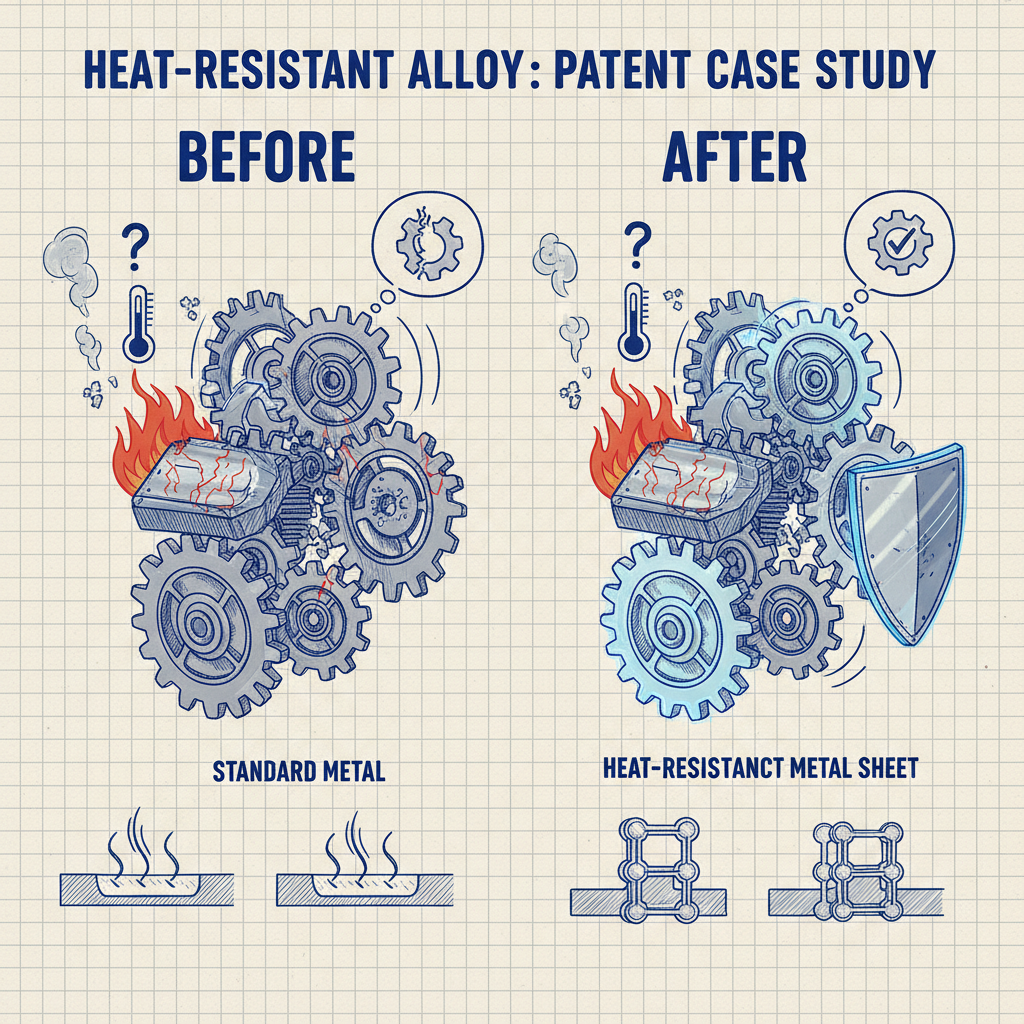
Secondly, these pipes exhibit exceptional creep resistance. Creep is the tendency of a solid material to slowly deform permanently under the influence of persistent mechanical stresses. At high temperatures, materials are more susceptible to creep, but heat resistant alloys are engineered to minimize this effect.
Heat Resistant Stainless Steel Pipe – Alloy Performance Comparison
Global Applications and Use Cases
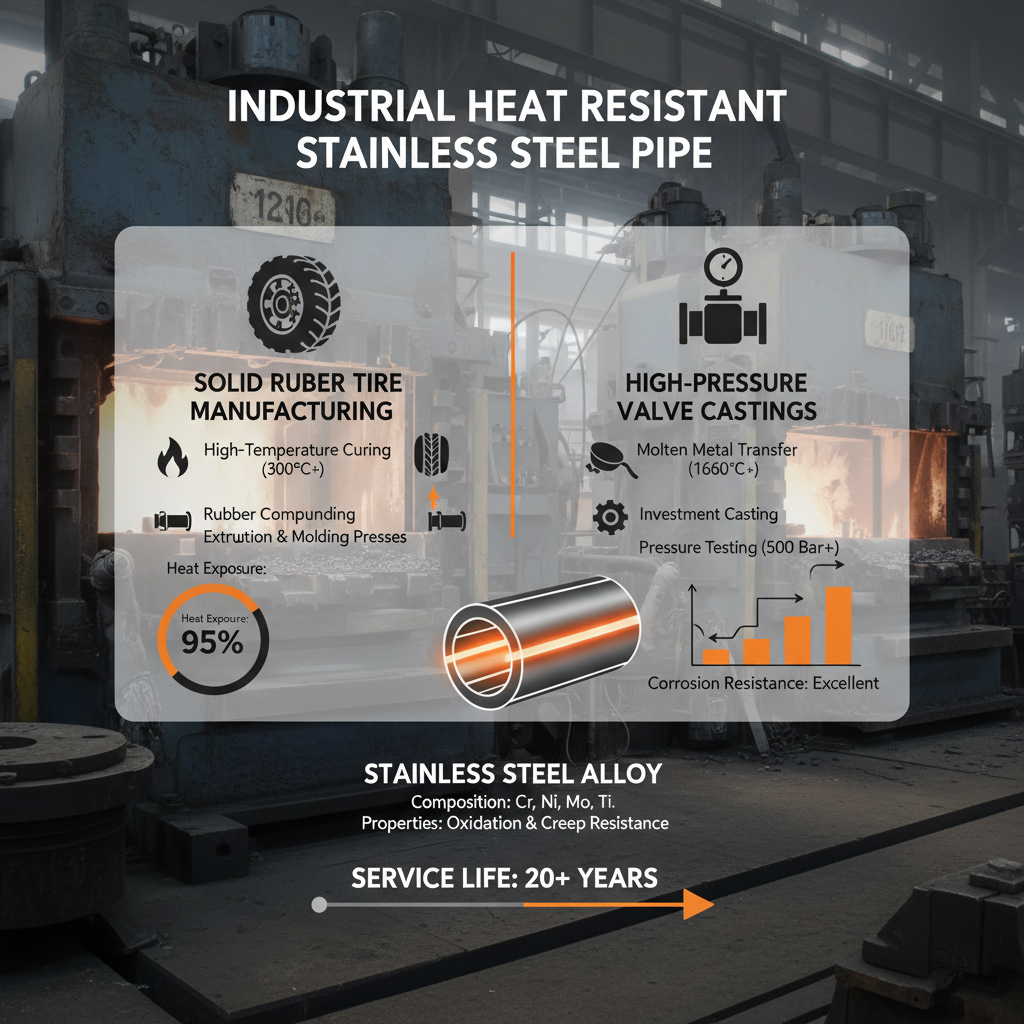
Heat resistant stainless steel pipe is essential in power generation plants, including coal-fired, natural gas, and nuclear facilities, where it conveys steam and high-temperature flue gases. It’s also prevalent in the chemical processing industry, handling corrosive fluids and gases at elevated temperatures. In remote industrial zones, where maintenance access is limited, the reliability of these pipes is particularly crucial.
The aerospace industry utilizes heat resistant stainless steel pipe in jet engine components and exhaust systems. Similarly, the oil and gas sector relies on these pipes in refineries and pipelines handling high-temperature hydrocarbons. Moreover, the emerging field of concentrated solar power (CSP) employs these pipes to transport heat transfer fluids, vital for generating electricity.
Advantages and Long-Term Value
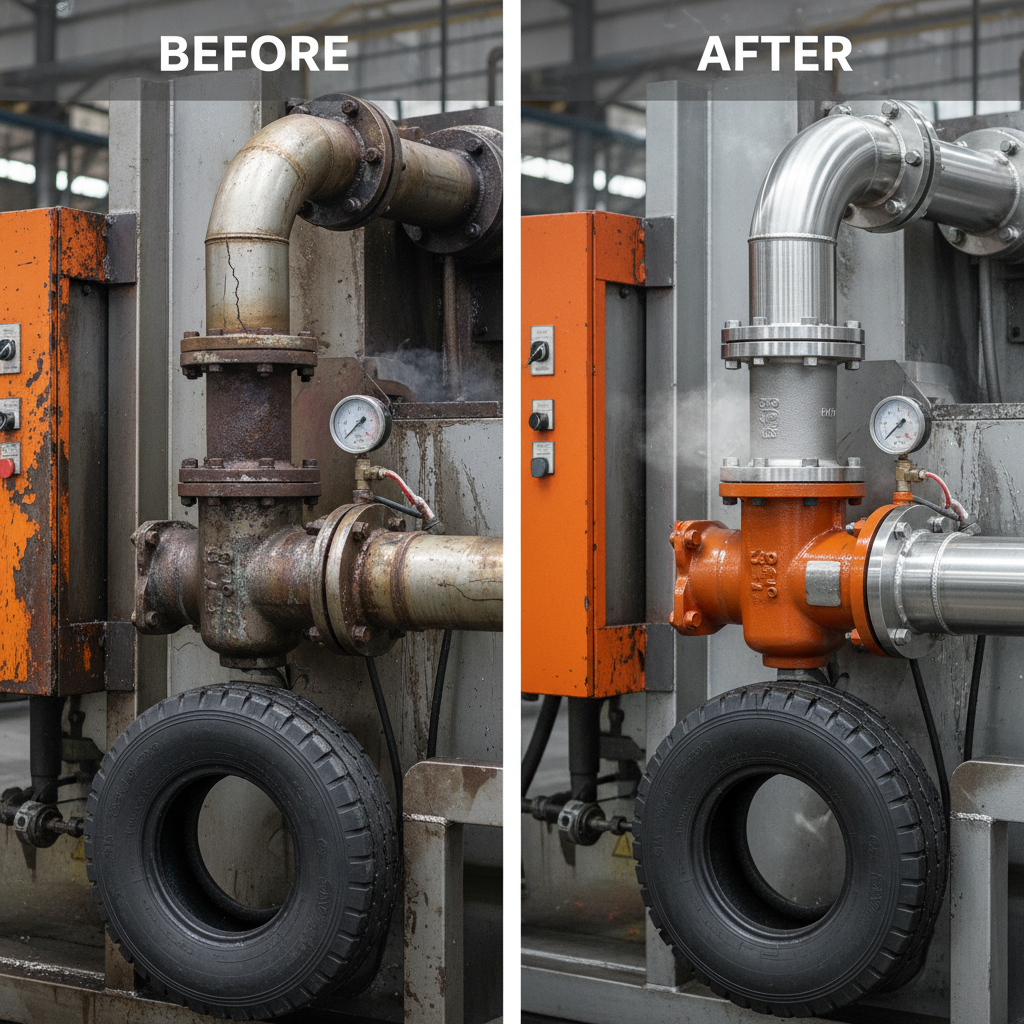
The primary advantage of using heat resistant stainless steel pipe is its extended lifespan in demanding applications. This translates to reduced maintenance costs, minimized downtime, and increased operational efficiency. While the initial investment may be higher than for conventional piping materials, the long-term cost savings often outweigh this initial expense.
Furthermore, the inherent corrosion resistance of these alloys minimizes the risk of leaks and spills, enhancing safety and protecting the environment. The reliability and durability of heat resistant stainless steel pipe contribute to a stronger, more sustainable industrial infrastructure, fostering trust and innovation within the sectors that depend on them.
Future Trends and Innovations
Research and development efforts are focused on creating even more advanced heat resistant alloys with improved creep resistance and oxidation resistance. Additive manufacturing (3D printing) is emerging as a potential method for producing complex pipe geometries with customized alloy compositions. Digital twin technology, combined with real-time monitoring of pipe performance, will enable predictive maintenance and optimize operational efficiency.
The push for sustainability is driving demand for materials that can operate at higher temperatures and pressures, maximizing energy efficiency and reducing greenhouse gas emissions. Integration with renewable energy sources, such as geothermal and concentrated solar power, will further accelerate the adoption of heat resistant stainless steel pipe.
Automation and process control technologies are also playing a role, enabling more precise welding and fabrication techniques, ensuring the integrity of heat resistant stainless steel pipe installations.
FAQS
The lifespan of heat resistant stainless steel pipe varies depending on factors like operating temperature, pressure, chemical environment, and alloy selection. However, with proper material selection and installation, these pipes can reliably operate for 20-30 years or more in demanding high-temperature applications, significantly exceeding the lifespan of conventional piping materials. Regular inspections are crucial for maximizing longevity.
Selecting the right alloy requires careful consideration of your operating conditions. Factors such as maximum temperature, pressure, chemical exposure, and stress levels must be assessed. Consulting with a materials engineer specializing in heat resistant alloys is highly recommended. They can analyze your requirements and recommend the most suitable grade – like 316H, Incoloy 800, or Hastelloy X – to ensure optimal performance and longevity.
Welding heat resistant stainless steel requires specialized techniques to maintain the alloy's properties. Common methods include Gas Tungsten Arc Welding (GTAW), also known as TIG welding, and Shielded Metal Arc Welding (SMAW) with appropriate filler metals. Proper heat input control and post-weld heat treatment are critical to prevent sensitization and maintain corrosion resistance. Qualified welders with experience in these alloys are essential.
Yes, heat resistant stainless steel pipes generally have a higher upfront cost compared to carbon steel pipes due to the specialized alloys and manufacturing processes involved. However, the extended lifespan, reduced maintenance requirements, and enhanced safety features of stainless steel often result in lower total cost of ownership over the long term. Consider the lifecycle costs when making your decision.
Creep is the slow, permanent deformation of a material under constant stress at elevated temperatures. High creep rates can lead to pipe sagging, deformation, and ultimately, failure. Heat resistant alloys are formulated to minimize creep, but it's still a critical consideration in high-temperature applications. Alloy selection, pipe wall thickness, and operating stress levels must be carefully engineered to mitigate creep effects.
Regular inspection is vital for ensuring the integrity of heat resistant stainless steel pipe. Common methods include visual inspection for corrosion and damage, non-destructive testing (NDT) like radiographic testing (RT), ultrasonic testing (UT), and eddy current testing (ET) to detect internal flaws, and leak testing to identify any breaches in the pipe. Following established inspection protocols is crucial for maintaining operational safety.
Conclusion
Heat resistant stainless steel pipe is a vital component in numerous critical industries, offering exceptional durability, corrosion resistance, and high-temperature performance. Its ability to withstand extreme conditions minimizes downtime, reduces maintenance costs, and enhances overall safety, making it a cost-effective and reliable solution for a wide range of applications. Understanding the nuances of alloy selection, fabrication, and inspection is crucial for maximizing the benefits of this essential material.
Looking ahead, advancements in materials science and manufacturing techniques will continue to improve the performance and cost-effectiveness of heat resistant stainless steel pipe. Embracing innovation, coupled with a commitment to sustainability, will ensure that this material remains a cornerstone of modern industrial infrastructure for years to come. For high-quality, reliable heat resistant stainless steel pipe solutions, visit our website: www.dzmccasting.com.