Heat resistant steel pipe is crucial for industries operating under extreme temperatures, playing a vital role in sectors like power generation, chemical processing, and aerospace. Its ability to maintain structural integrity and prevent failures in high-heat environments ensures operational safety and efficiency. Understanding the intricacies of these pipes – their composition, manufacturing, and application – is paramount for engineers, plant managers, and anyone involved in high-temperature systems.
Globally, the demand for heat resistant steel pipe is driven by growing industrialization, particularly in emerging economies. The expanding power sector, including renewable energy sources like concentrated solar power, heavily relies on these materials. Simultaneously, stricter environmental regulations necessitate efficient and reliable high-temperature processes, further boosting the need for advanced piping solutions. According to the World Steel Association, specialized steel production, including heat-resistant alloys, has seen consistent growth in recent years, highlighting the increasing importance of these materials.
The core function of heat resistant steel pipe lies in its ability to withstand elevated temperatures without significant degradation. This prevents deformation, corrosion, and ultimately, catastrophic failures that can lead to costly downtime, environmental hazards, and safety risks. Effectively, heat resistant steel pipe contributes to the longevity and reliability of critical infrastructure worldwide.
Introduction to Heat Resistant Steel Pipe
Heat resistant steel pipe isn't simply a conduit; it's a critical component in countless industrial processes. Its development has paralleled advancements in metallurgy, allowing for increasingly demanding operating conditions. From power plants generating electricity to chemical refineries producing essential materials, the reliability of these pipes is paramount to maintaining continuous operation and preventing costly downtime.
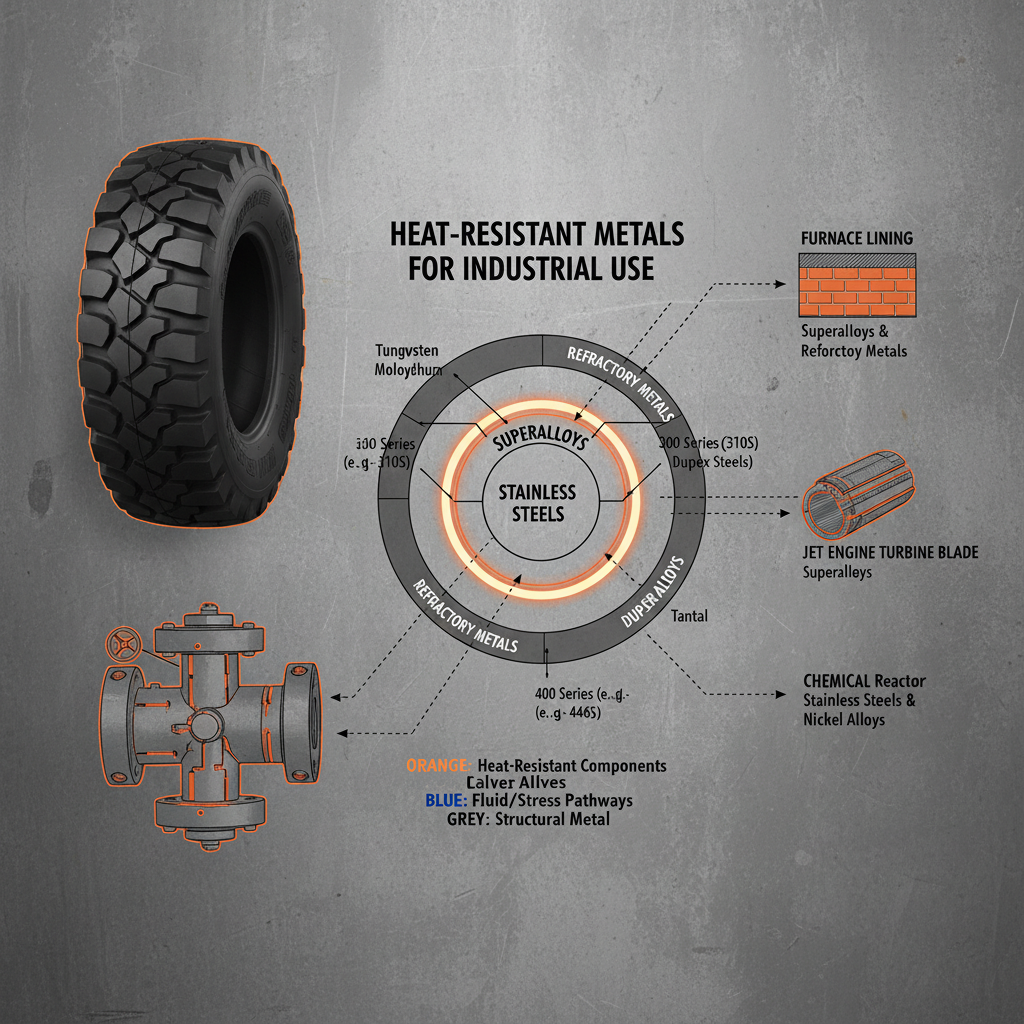
The selection of the correct heat resistant steel pipe is not a one-size-fits-all endeavor. Factors like the specific temperature range, corrosive environment, and pressure requirements must be carefully considered. Specialized alloys, such as those containing chromium, nickel, and molybdenum, are often employed to achieve the necessary performance characteristics. The demand for custom solutions underscores the importance of working with experienced manufacturers and suppliers.
Defining Heat Resistant Steel Pipe
Heat resistant steel pipe, fundamentally, is a metallic tube constructed from alloys designed to retain their mechanical strength and resist degradation at elevated temperatures. These pipes differ from standard carbon steel pipes in their composition, incorporating elements that enhance oxidation resistance, creep strength, and overall thermal stability. The term "heat resistant" doesn't imply invulnerability to heat, but rather a sustained ability to function reliably within specified temperature limits.
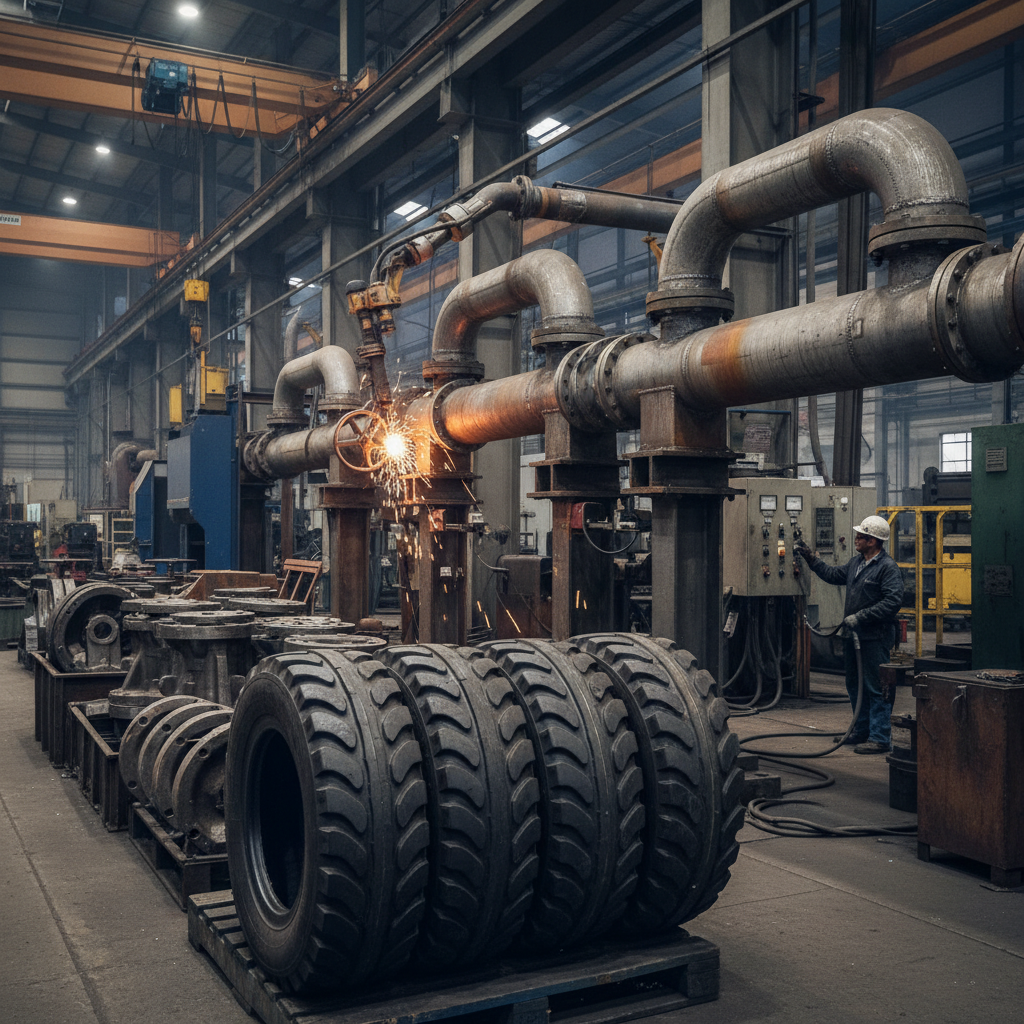
This capability is vital in modern industry. Consider a petrochemical plant: high-temperature processes are essential for refining crude oil into valuable fuels and chemicals. Without heat resistant steel pipe to safely contain these processes, the risk of leaks, explosions, and environmental contamination would be unacceptably high. Similarly, in aerospace, these pipes are used in jet engine exhaust systems, where they must withstand extreme temperatures and stresses.
The connection to humanitarian needs isn't immediately obvious, but it exists. Efficient power generation, reliant on these pipes in power plants, provides electricity to hospitals, schools, and communities worldwide. Furthermore, the chemical industry, enabled by these pipes, produces materials essential for water purification, sanitation, and medical applications. Therefore, the dependable performance of heat resistant steel pipe underpins many aspects of modern life.
Core Characteristics of Heat Resistant Steel Pipe
The defining characteristic of heat resistant steel pipe is its ability to maintain its structural integrity at high temperatures. This is achieved through the careful selection of alloying elements that resist creep, oxidation, and corrosion. Creep, the tendency of a material to deform permanently under sustained stress, is a significant concern at elevated temperatures and is mitigated by the inclusion of elements like molybdenum and tungsten.
Another critical characteristic is oxidation resistance. At high temperatures, metals react with oxygen in the atmosphere, forming scale that can weaken the pipe and lead to failure. Elements like chromium form a protective oxide layer on the surface, preventing further oxidation. The higher the chromium content, the better the oxidation resistance. This protective layer is continually reforming, ensuring long-term durability.
Finally, the alloy must also demonstrate good thermal stability. This means that its microstructure doesn’t change significantly over time at operating temperatures, preventing embrittlement or other forms of degradation. Maintaining consistent material properties is paramount for ensuring predictable performance and long service life, which is vital for applications utilizing heat resistant steel pipe.
Key Factors Influencing Performance
Durability is paramount. Heat resistant steel pipe must withstand prolonged exposure to extreme temperatures, pressures, and potentially corrosive environments without significant degradation. The alloy’s composition directly impacts its durability, with higher concentrations of stabilizing elements enhancing its resistance to creep, oxidation, and corrosion.
Scalability refers to the ability to manufacture these pipes in various sizes and configurations to meet specific application requirements. Seamless pipes, produced through processes like extrusion and piercing, offer superior strength and reliability compared to welded pipes, especially in high-pressure applications. Manufacturers must demonstrate the capability to produce custom sizes and thicknesses to accommodate diverse project needs.
Performance Metrics for Heat Resistant Steel Pipe Alloys
Global Applications and Industry Integration
The power generation industry is a major consumer of heat resistant steel pipe. In fossil fuel power plants, these pipes are used in boilers, superheaters, and steam lines, where they are exposed to extremely high temperatures and pressures. Nuclear power plants also rely on these pipes for similar applications, demanding even greater levels of reliability and safety. The increasing shift toward renewable energy sources, particularly concentrated solar power (CSP), is further driving demand as these systems utilize these pipes to transfer heat from solar collectors to power turbines.
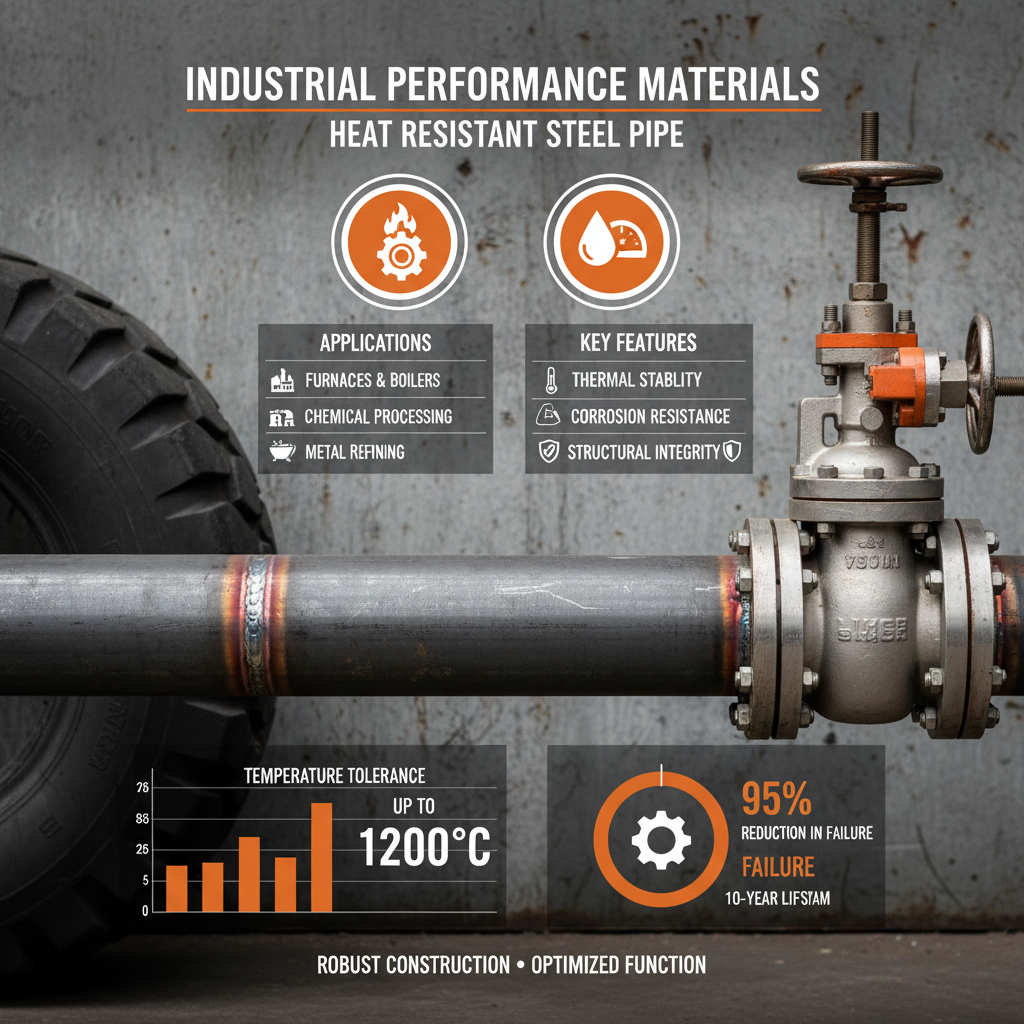
The chemical processing industry utilizes heat resistant steel pipe extensively in reactors, distillation columns, and heat exchangers. These components are subjected to harsh chemical environments and high temperatures, requiring materials with exceptional corrosion resistance and thermal stability. The production of plastics, fertilizers, and other essential chemicals relies heavily on the dependable performance of these pipes.
Aerospace applications, such as jet engine exhaust systems and high-speed aircraft components, demand lightweight yet incredibly strong and heat-resistant materials. Specialized alloys are engineered to withstand the extreme conditions encountered during flight. In remote industrial zones, such as oil and gas pipelines operating in arctic conditions, heat resistant steel pipe ensures continued operation despite harsh environments.
Long-Term Benefits and Value Proposition
The tangible benefit of utilizing heat resistant steel pipe is reduced downtime and maintenance costs. By preventing premature failures and extending the service life of critical components, these pipes minimize disruptions to operations and lower the overall cost of ownership. The increased reliability also translates to enhanced safety, reducing the risk of accidents and environmental incidents.
Beyond cost savings, these pipes contribute to sustainability. Their durability reduces the need for frequent replacements, conserving resources and minimizing waste. Efficient high-temperature processes, enabled by these pipes, can also reduce energy consumption and greenhouse gas emissions. Ultimately, investing in high-quality heat resistant steel pipe represents a commitment to long-term operational efficiency, safety, and environmental responsibility.
Future Trends and Innovations in Heat Resistant Steel Pipe
Ongoing research focuses on developing new alloys with enhanced high-temperature performance. Additive manufacturing (3D printing) is emerging as a promising technique for producing complex pipe geometries with optimized material properties. This allows for tailored designs and reduced material waste. The integration of digital technologies, such as sensor-embedded pipes and predictive maintenance algorithms, is also gaining traction.
The drive toward green energy is fueling innovation in heat resistant materials. Concentrated solar power, for instance, requires pipes capable of withstanding extremely high temperatures and fluxes. Advancements in coatings and surface treatments are improving oxidation and corrosion resistance, further extending the lifespan of these components. Automation and machine learning are poised to optimize the manufacturing process, leading to improved quality control and reduced production costs.
Furthermore, advancements in non-destructive testing (NDT) methods are enabling more thorough inspection of these pipes, identifying potential defects before they lead to failures. These techniques, combined with real-time monitoring systems, are crucial for ensuring the long-term reliability and safety of critical infrastructure reliant on heat resistant steel pipe.
FAQS
The lifespan of heat resistant steel pipe in a power plant varies greatly depending on the operating conditions, alloy composition, and maintenance schedule. However, with proper maintenance, these pipes can typically last 20-30 years, and sometimes even longer. Regular inspections for corrosion, erosion, and creep are crucial for maximizing their service life.
Common alloys include various grades of stainless steel (304, 310, 316), Incoloy (800, 825), Hastelloy, and Alloy 625. The specific alloy chosen depends on the application's temperature, pressure, and corrosive environment. Each alloy offers a unique combination of properties, such as creep resistance, oxidation resistance, and strength.
Welding can potentially reduce the heat resistance of steel pipe if not performed correctly. The weld metal must be compatible with the base metal and possess similar heat resistance properties. Proper welding techniques, including preheating, post-weld heat treatment, and use of appropriate filler metals, are essential to maintain the pipe's integrity and performance.
Common causes of failure include creep rupture, oxidation, corrosion, erosion, and fatigue. Creep rupture occurs at high temperatures under sustained stress, while oxidation and corrosion degrade the material over time. Erosion can occur due to the flow of abrasive particles, and fatigue results from cyclic loading. Regular inspections and preventive maintenance are vital for detecting and addressing these potential issues.
Common NDT methods include ultrasonic testing (UT), radiographic testing (RT), eddy current testing (ECT), and liquid penetrant testing (PT). These techniques allow for the detection of internal and surface defects without damaging the pipe. Regular NDT inspections are crucial for ensuring the continued integrity and reliability of the system.
Research is ongoing to develop more environmentally friendly alternatives, including composite materials and advanced coatings. However, currently, heat resistant steel pipe remains the most reliable and cost-effective solution for many high-temperature applications. Efforts are focused on improving the recyclability of these materials and reducing the environmental impact of their manufacturing processes.
Conclusion
Heat resistant steel pipe remains an indispensable component across numerous critical industries. Its ability to withstand extreme temperatures and pressures, coupled with its durability and reliability, makes it essential for power generation, chemical processing, aerospace, and beyond. Advancements in materials science, manufacturing techniques, and inspection methods continue to enhance its performance and extend its lifespan, solidifying its importance in modern infrastructure.
Looking ahead, continued innovation will focus on developing even more heat-resistant alloys, leveraging additive manufacturing, and integrating digital technologies for predictive maintenance. Embracing these advancements will ensure that heat resistant steel pipe continues to play a vital role in building a more sustainable, efficient, and resilient future. For all your heat resistant steel pipe needs, visit our website: www.dzmccasting.com