High temperature steel plate represents a critical material in numerous industrial applications demanding resistance to extreme heat and corrosive environments. Its unique properties make it indispensable across sectors like aerospace, energy production, and chemical processing. Understanding the nuances of its composition, manufacturing processes, and performance characteristics is vital for engineers, material scientists, and professionals involved in these industries. The global demand for high temperature steel plate continues to rise with the increasing need for efficient and reliable high-temperature infrastructure.
The significance of high temperature steel plate extends beyond industrial capabilities; it underpins advancements in sustainable energy solutions, such as advanced power generation systems and waste heat recovery technologies. Furthermore, ongoing research and development are focused on improving the alloy composition and manufacturing techniques to enhance the steel's performance and reduce its environmental impact. high temperature steel plate is a cornerstone of modern engineering.
Investing in high-quality high temperature steel plate is not merely a materials choice, but a commitment to safety, durability, and long-term operational efficiency. As industries evolve and demand increasingly robust materials, the role of this specialized steel will only become more prominent, driving innovation and shaping the future of numerous critical applications.
The Significance of High Temperature Steel Plate
High temperature steel plate plays a pivotal role in industries requiring materials that maintain structural integrity and performance under intense heat. Its ability to withstand oxidation, creep, and thermal fatigue makes it an essential component in power generation plants, petrochemical refineries, and aerospace applications. This specialized steel contributes directly to increased efficiency, reduced downtime, and enhanced safety.
The demand for high temperature steel plate is increasingly driven by global efforts toward sustainable energy solutions. Advanced power generation technologies, like supercritical and ultra-supercritical boilers, rely heavily on this material to operate at higher temperatures and achieve greater energy conversion efficiency. This trend underscores the importance of continued innovation in high temperature steel plate production and application.
Defining High Temperature Steel Plate
High temperature steel plate refers to a category of steel alloys specifically designed to retain their strength, toughness, and corrosion resistance at elevated temperatures, typically exceeding 500°C (932°F). These alloys are characterized by carefully controlled chemical compositions, often containing significant amounts of chromium, nickel, molybdenum, and other alloying elements. high temperature steel plate isn’t a single type but a family of alloys tailored for specific thermal environments.
Unlike conventional carbon steels, which lose strength rapidly at high temperatures, high temperature steel plate maintains its mechanical properties, allowing it to function reliably in demanding applications. This resistance is achieved through the formation of stable oxide scales, which protect the underlying metal from oxidation and corrosion. The selection of a specific alloy depends on the application's temperature range, stress levels, and corrosive environment.
The development of high temperature steel plate is directly linked to the advancement of modern industry and the need for materials capable of operating in extreme conditions. From the early days of steam engines to the current generation of advanced power plants, this material has been fundamental to innovation and progress.
Key Properties of High Temperature Steel Plate
Several key properties define the performance of high temperature steel plate. Creep resistance, the ability to withstand sustained stress at high temperatures without deformation, is paramount. Oxidation resistance, preventing the formation of scale that weakens the material, is also critical. High tensile strength and toughness at elevated temperatures ensure structural integrity.
Furthermore, thermal fatigue resistance is essential for applications involving cyclic heating and cooling. The steel's coefficient of thermal expansion must be carefully considered to minimize stress buildup during temperature fluctuations. Finally, weldability is a crucial property for fabrication and repair, ensuring the formation of sound, durable joints. These properties are determined by the precise composition and processing of the alloy.
The combination of these properties dictates the suitability of a particular high temperature steel plate for a specific application. Understanding how each property contributes to overall performance is crucial for engineers and material scientists selecting the optimal material for demanding environments.
Durability and Performance Characteristics
The durability of high temperature steel plate is a function of its resistance to various degradation mechanisms at elevated temperatures. These include oxidation, corrosion, creep, and thermal fatigue. High chromium content forms a protective chromium oxide layer, significantly enhancing oxidation resistance. Alloying elements like molybdenum and vanadium contribute to increased creep resistance by stabilizing the steel's microstructure.
Performance characteristics are evaluated through rigorous testing procedures, including tensile tests, creep tests, and oxidation tests conducted at simulated operating temperatures. These tests provide critical data on the steel's mechanical properties, long-term stability, and resistance to environmental degradation. The results guide material selection and ensure reliable performance in service.
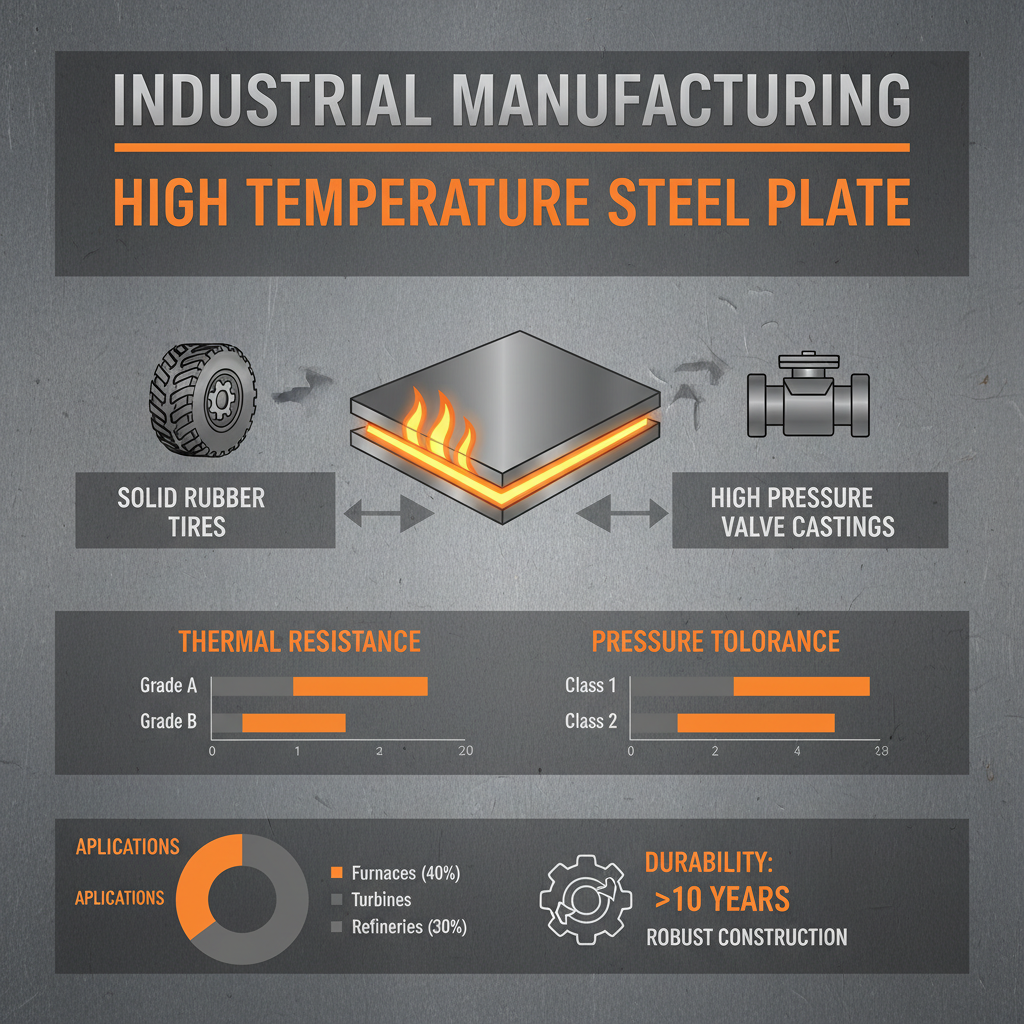
High Temperature Steel Plate Performance Comparison
Global Applications of High Temperature Steel Plate
High temperature steel plate finds widespread application in the power generation industry, specifically in the construction of boilers, superheaters, and reheaters in coal-fired, gas-fired, and nuclear power plants. Its ability to withstand extreme temperatures and pressures is critical for efficient and reliable power production.
The petrochemical industry utilizes high temperature steel plate in reactors, furnaces, and heat exchangers where corrosion resistance and high-temperature strength are paramount. Aerospace applications, including jet engine components and exhaust systems, also rely on these specialized steels to endure extreme thermal and mechanical stresses.
Advantages and Long-Term Value
Utilizing high temperature steel plate offers significant long-term benefits, including reduced maintenance costs due to its exceptional durability and corrosion resistance. The extended lifespan of components fabricated from this material minimizes downtime and increases operational efficiency. Furthermore, improved safety is a key advantage, as the steel’s reliability reduces the risk of catastrophic failures.
From a sustainability perspective, the increased efficiency of systems employing high temperature steel plate translates to lower fuel consumption and reduced greenhouse gas emissions. The material also contributes to a circular economy through potential for recycling and reuse. Choosing high temperature steel plate represents a strategic investment in long-term value and responsible engineering.
The reliability offered by these steels builds trust with end-users and stakeholders, fostering innovation and demonstrating a commitment to quality and safety.
Future Trends and Innovations
Ongoing research and development are focused on creating new generations of high temperature steel plate with enhanced properties. This includes exploring novel alloy compositions, advanced processing techniques like additive manufacturing, and surface modification technologies to further improve oxidation and corrosion resistance. The integration of digital technologies, such as predictive maintenance based on sensor data, will also optimize the performance and lifespan of components.
A key trend is the development of lighter-weight, high-strength alloys that can reduce the overall weight of structures and improve energy efficiency. Furthermore, there's increasing emphasis on utilizing sustainable manufacturing processes and reducing the environmental footprint of steel production. These innovations will pave the way for even more demanding applications in the future.
The drive towards green energy solutions will necessitate advanced high temperature steel plate for future power generation technologies, contributing to a more sustainable and resilient energy infrastructure.
FAQS
Common alloying elements include chromium, nickel, molybdenum, and vanadium. Chromium enhances oxidation resistance, nickel improves toughness and creep resistance, molybdenum increases high-temperature strength, and vanadium refines the grain structure. The specific proportions of these elements are carefully controlled to achieve desired properties for different applications.
Creep, the slow and permanent deformation of a material under sustained stress at high temperatures, significantly affects component lifespan. Minimizing creep is vital for ensuring long-term structural integrity. Higher creep resistance translates to extended service life, reduced maintenance, and improved safety in demanding environments.
Qualification involves rigorous testing, including tensile tests at elevated temperatures, creep rupture tests, oxidation resistance tests, impact tests, and non-destructive examination (NDE) techniques. These tests ensure the material meets stringent performance requirements and can withstand the harsh conditions of its intended application.
High temperature steel plate is generally more expensive than conventional steel due to the specialized alloying elements and manufacturing processes involved. However, the long-term benefits – reduced maintenance, increased lifespan, and improved reliability – often outweigh the initial cost difference. Costs vary significantly based on alloy composition, plate thickness, and quantity.
Welding can impact the microstructure and mechanical properties of high temperature steel plate. Careful selection of welding procedures, filler metals, and post-weld heat treatment is crucial to maintain the material's strength, toughness, and corrosion resistance. Qualified welders and adherence to industry standards are essential.
Proper storage and handling are essential to prevent damage and maintain material quality. Plates should be stored in a dry, sheltered environment to avoid corrosion. Care should be taken during lifting and transportation to prevent mechanical damage. Following manufacturer's recommendations is crucial for preserving material integrity.
Conclusion
High temperature steel plate stands as a cornerstone material in numerous critical industries, offering unparalleled resistance to extreme heat, corrosion, and mechanical stress. Its unique properties and continued innovation make it indispensable for power generation, aerospace, petrochemical processing, and other demanding applications. Investing in high-quality high temperature steel plate is a commitment to long-term reliability, safety, and sustainability.
Looking ahead, the development of advanced alloys, innovative manufacturing techniques, and integration of digital technologies will further enhance the performance and expand the application of high temperature steel plate. Continued research and collaboration between material scientists, engineers, and industry stakeholders will be essential for unlocking the full potential of this vital material and shaping the future of high-temperature infrastructure.