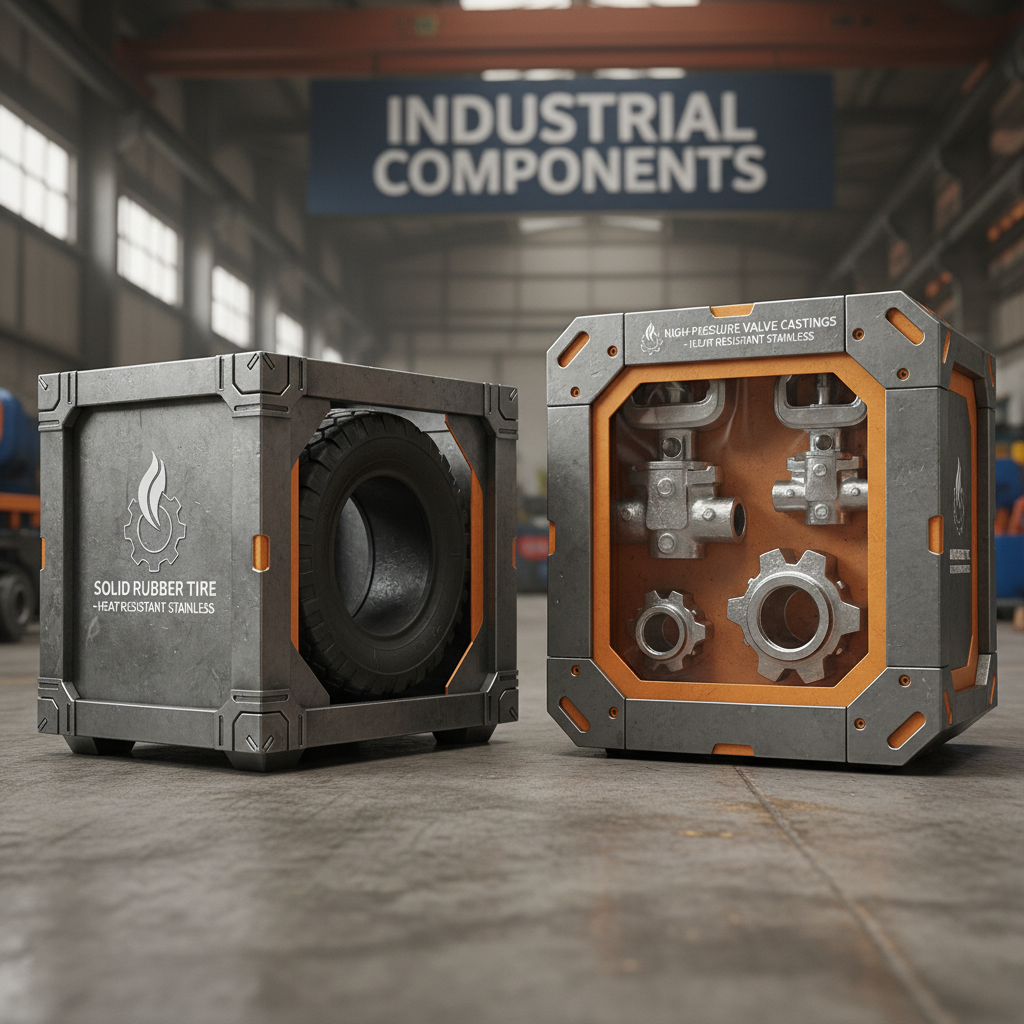
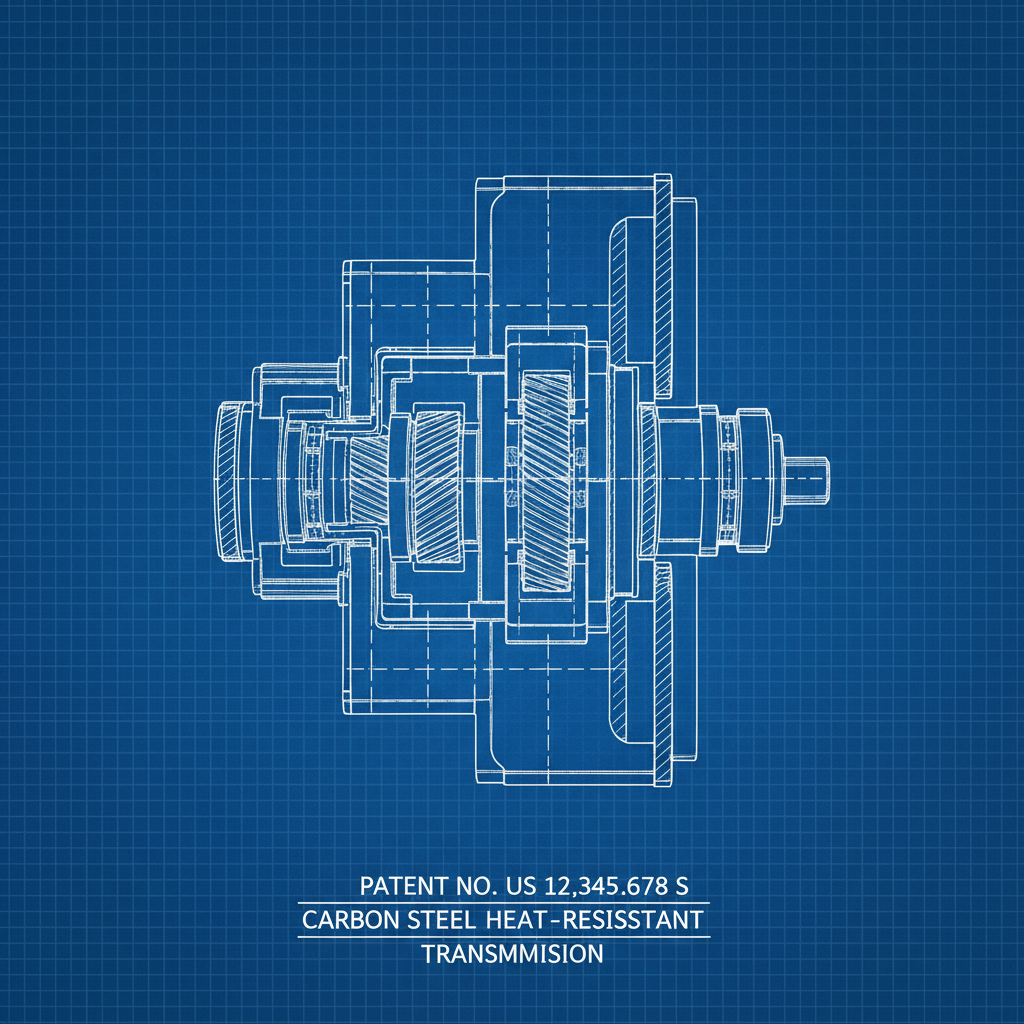
Understanding what metal is heat resistant is crucial in a world increasingly reliant on high-temperature processes and demanding operating conditions. From aerospace and automotive engineering to power generation and chemical processing, materials capable of maintaining their structural integrity and performance at elevated temperatures are foundational. Choosing the right alloy isn't just about specifications on a datasheet; it's about safety, efficiency, and long-term cost savings. It impacts everything from the lifespan of a turbine blade to the reliability of a furnace lining. Ignoring the nuances of heat resistance can lead to catastrophic failures and significant financial repercussions.
The demand for metals that withstand extreme heat isn’t a new phenomenon, but it's intensifying. Global industrial output is climbing, particularly in developing economies, which drives increased energy consumption and higher process temperatures. Regulations surrounding emissions and energy efficiency also play a role, often necessitating the use of materials that enable more efficient and cleaner processes. The UN’s Sustainable Development Goals, particularly those relating to industrial innovation and infrastructure, further underscore the importance of advanced materials like those with high heat resistance.
Simply put, a metal that is heat resistant is one that retains its strength, hardness, and resistance to degradation – like oxidation and creep – at high temperatures. It's not about being immune to heat, as all materials have a melting point, but about minimizing the loss of desirable properties as temperature increases. This characteristic is vital in countless applications, bridging the gap between theoretical design and real-world performance. It's a fundamental property in many industries striving for enhanced durability and reliability.
The Importance of Understanding Heat-Resistant Metals
I’ve spent years walking steel mills and power plants, and you quickly learn that selecting the right material is half the battle. It's not always the flashiest, most expensive alloy that does the job; it’s the one that’s best suited to the specific conditions. Knowing what metal is heat resistant – and why – is the foundation for reliable operations, reduced downtime, and frankly, keeping people safe. You don’t want a turbine blade failing at 1000°C, and understanding the metallurgy behind the resistance is the only way to prevent that.
It’s about more than just avoiding failure. Using a more heat-resistant material can allow you to operate at higher efficiencies, pushing the boundaries of what’s possible. That translates to lower fuel costs, reduced emissions, and increased output. These aren't abstract benefits; they directly impact the bottom line and contribute to a more sustainable future.
Defining Heat Resistance in Metals
Heat resistance, in the context of metals, isn’t simply about withstanding high temperatures without melting. It's about maintaining a usable level of mechanical strength, creep resistance, oxidation resistance, and corrosion resistance at those elevated temperatures. A metal might not melt until 1500°C, but if it loses 50% of its strength at 800°C, it’s not a particularly heat-resistant material for most applications.
This property is inextricably linked to the metal’s microstructure – the arrangement of its grains and the types of alloying elements present. Different alloys are designed to resist different types of degradation at high temperatures. For example, some alloys form a protective oxide layer that prevents further oxidation, while others are designed with a grain structure that minimizes creep.
This is directly applicable to many humanitarian and industrial needs. Imagine needing to repair a power plant in a disaster zone – knowing what metal is heat resistant ensures you can quickly get critical infrastructure back online, providing power to hospitals and emergency services. Or consider a remote industrial operation where replacements are costly and time-consuming; heat-resistant materials minimize the need for frequent repairs.
Core Factors Influencing Heat Resistance
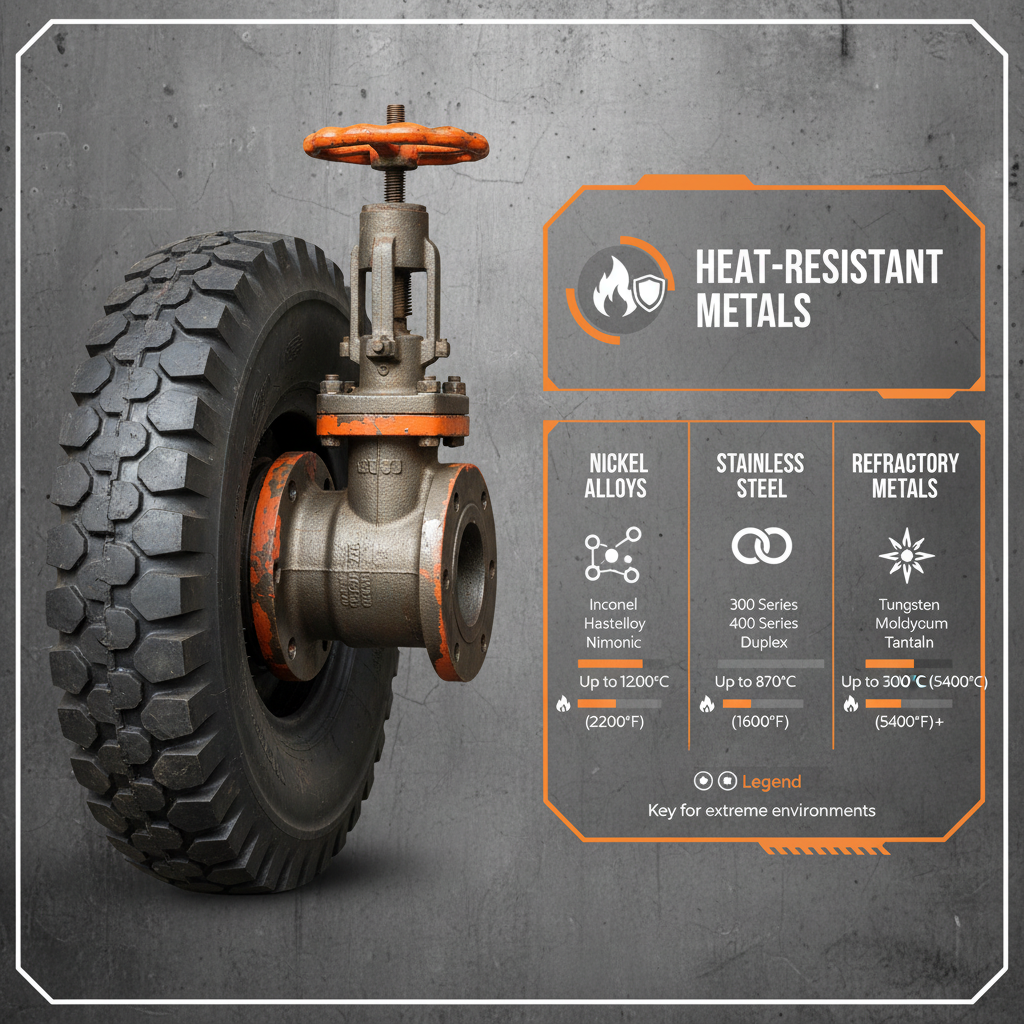
Several key factors determine how well a metal performs at high temperatures. First, there’s the melting point itself – a higher melting point provides a broader operating window. However, that’s just the starting point. Alloying elements play a massive role. Adding elements like chromium, nickel, molybdenum, and tungsten can significantly enhance heat resistance by improving creep resistance and oxidation resistance.
The microstructure is also crucial. Grain size and shape, the presence of precipitates, and the overall grain boundary structure all influence how a metal responds to thermal stress. Finally, the environment plays a significant part. Exposure to oxidizing atmospheres, corrosive gases, or high-velocity particles can accelerate degradation, even in inherently heat-resistant materials.
Durability goes hand-in-hand with heat resistance. A metal that can maintain its strength and integrity over extended periods at high temperatures will require less frequent replacement, reducing maintenance costs and downtime. Scalability is also important – can the alloy be readily manufactured into the desired shapes and sizes? Cost efficiency is a constant consideration; the most heat-resistant material in the world isn’t useful if it’s prohibitively expensive.
Creep resistance – the ability of a material to resist deformation under sustained stress at high temperatures – is arguably the most critical factor. Think of turbine blades in a jet engine; they're subjected to immense centrifugal forces and extreme heat. Even a small amount of creep can lead to blade failure, with catastrophic consequences. Oxidation resistance is also paramount, as the formation of oxides can weaken the metal and reduce its cross-sectional area.
Global Applications of Heat-Resistant Metals
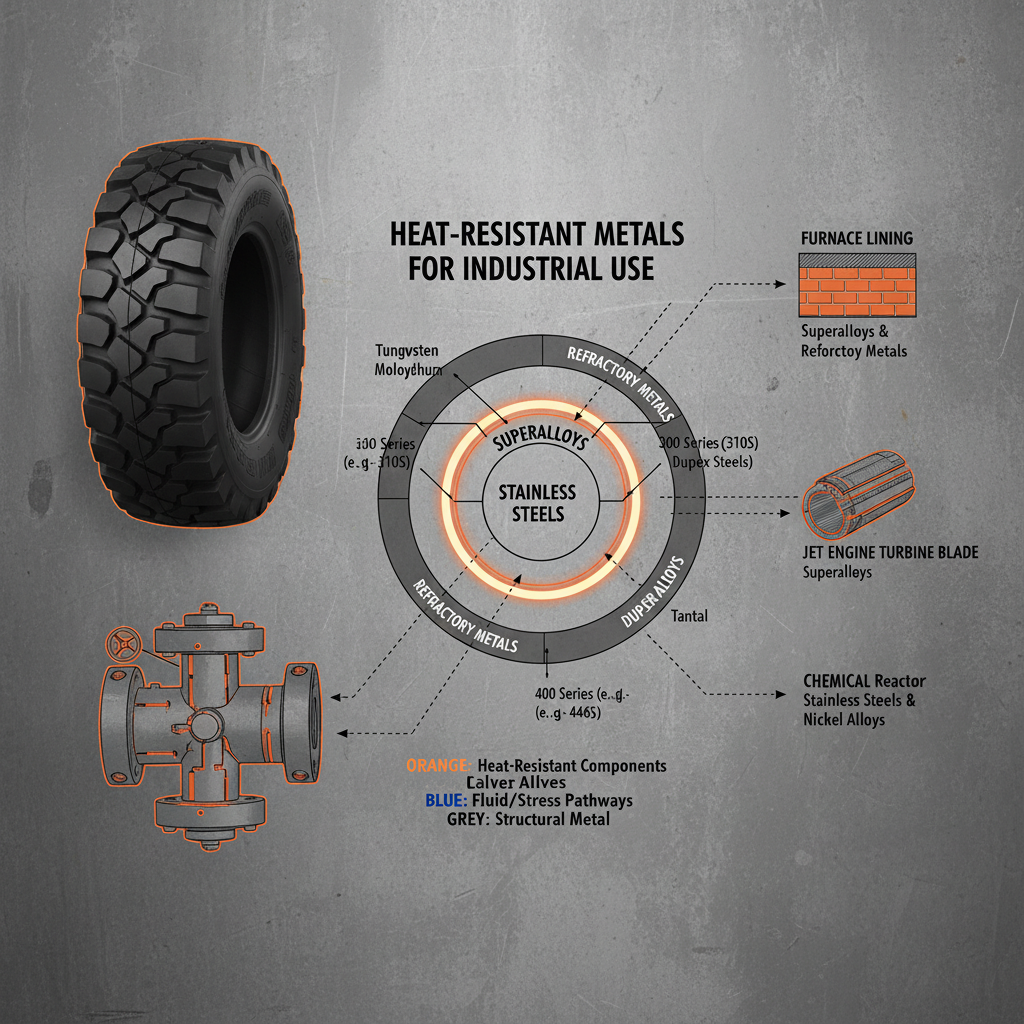
The applications of what metal is heat resistant are widespread and touch almost every industry. In aerospace, nickel-based superalloys are essential for jet engine turbine blades and exhaust systems, withstanding temperatures exceeding 1100°C. In the power generation sector, alloys based on iron, nickel, and cobalt are used in gas turbines, steam turbines, and nuclear reactors.
The chemical processing industry relies heavily on heat-resistant alloys for reactors, heat exchangers, and piping systems handling corrosive chemicals at high temperatures. Automotive exhaust systems also benefit from high-temperature alloys, reducing emissions and improving fuel efficiency. And don't forget the metals used in furnace linings for steelmaking and other industrial processes.
You see the benefits globally. In Europe, they’re developing more efficient power plants utilizing advanced alloys. In Asia, rapid industrialization is driving demand for heat-resistant materials in manufacturing and energy production. And in North America, aerospace innovation continues to push the boundaries of what’s possible with high-temperature alloys.
Heat Resistance Comparison of Common Alloys
Advantages and Long-Term Value
Investing in what metal is heat resistant yields significant long-term benefits. Reduced maintenance and repair costs are perhaps the most obvious. Fewer unexpected failures translate to less downtime and increased productivity. But the advantages extend beyond direct cost savings.
Enhanced safety is a critical factor. Reliable high-temperature components minimize the risk of catastrophic failures that could endanger personnel and damage equipment. From a sustainability perspective, using durable, heat-resistant materials reduces the need for frequent replacements, conserving resources and minimizing waste.
Future Trends and Innovations
The future of heat-resistant materials is focused on pushing the temperature limits even further while reducing weight and cost. Research into advanced alloys, including those containing refractory metals like tungsten and molybdenum, is ongoing. Additive manufacturing (3D printing) is also playing a growing role, enabling the creation of complex geometries and customized alloys.
The development of ceramic matrix composites (CMCs) offers another promising avenue. CMCs combine the high-temperature strength of ceramics with the toughness of metals, offering superior performance in extreme environments. These innovations align with the broader trends of green energy and digital transformation, paving the way for more efficient and sustainable industrial processes.
Challenges and Solutions in Heat Resistance
Despite advancements, significant challenges remain. One major hurdle is the cost of many high-temperature alloys. They often contain rare and expensive elements, limiting their widespread adoption. Another challenge is the difficulty of fabricating complex shapes from these materials.
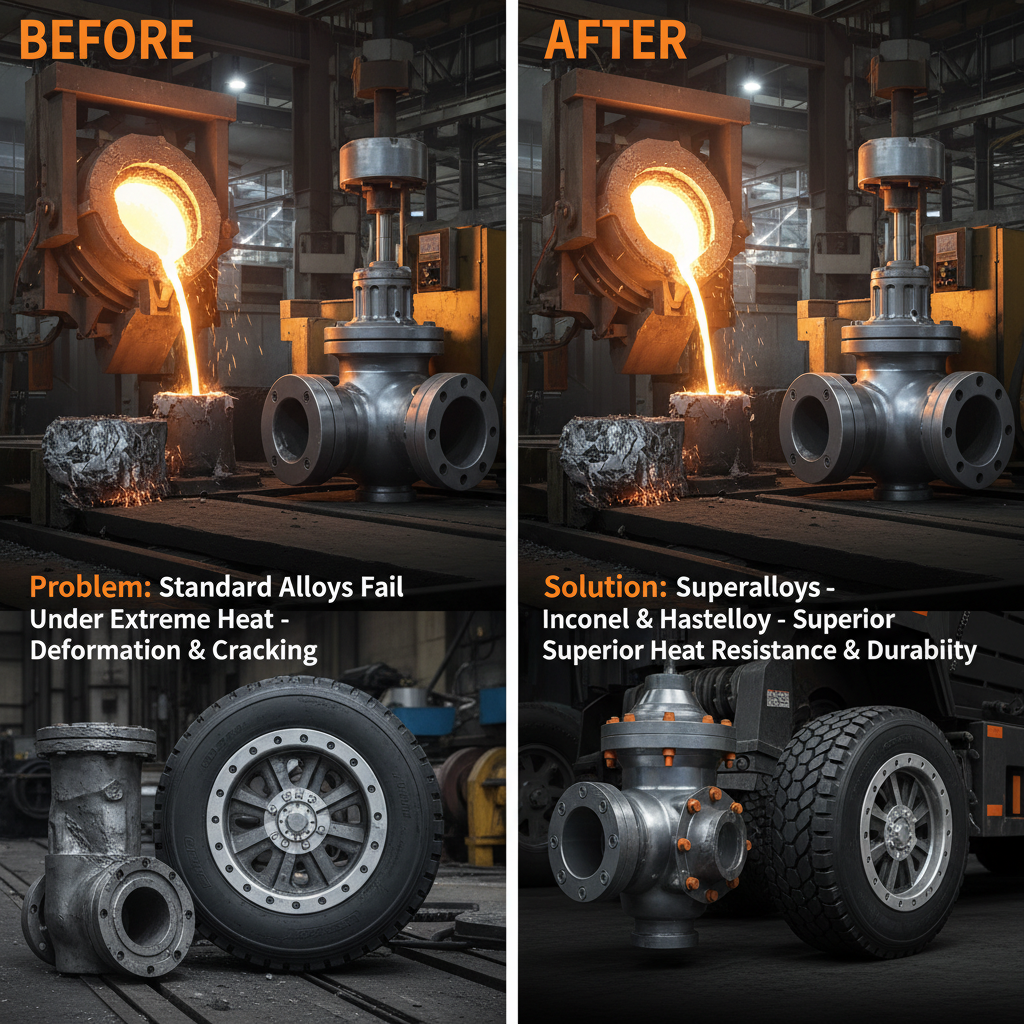
Solutions involve exploring alternative alloying strategies using more readily available elements and developing innovative manufacturing techniques like additive manufacturing and hot isostatic pressing (HIP). Furthermore, computational modeling and simulation are becoming increasingly sophisticated, allowing engineers to predict material behavior at high temperatures and optimize designs for maximum performance.
Ultimately, finding the right balance between performance, cost, and manufacturability is key. It requires a deep understanding of the application requirements, the material properties, and the available processing techniques.
Overview of Common Heat-Resistant Alloy Characteristics
| Alloy Type |
Primary Alloying Elements |
Max Operating Temperature (°C) |
Typical Applications |
| Austenitic Stainless Steel |
Cr, Ni |
800 |
Chemical processing, heat exchangers |
| Nickel-Based Superalloy (Inconel) |
Cr, Mo, Al, Ti |
1100 |
Jet engine turbine blades, gas turbines |
| Cobalt-Based Superalloy (Haynes) |
Cr, W, Ta |
1200 |
High-temperature furnace components |
| Molybdenum Alloys (TZM) |
Ti, Zr |
1600 |
Rocket nozzles, high-temperature tooling |
| Refractory Metal Alloys (W-Re) |
Re |
2800 |
High-temperature thermocouples |
| Iron-Chromium-Aluminum Alloys |
Cr, Al |
900 |
Industrial furnaces, heating elements |
FAQS
The most common metals for high-temperature uses typically fall into three categories: iron-based alloys (like stainless steels), nickel-based superalloys (Inconel, Hastelloy), and cobalt-based superalloys. Each offers a different balance of strength, oxidation resistance, and cost. Refractory metals like tungsten and molybdenum are also used in extreme cases, but they’re generally more expensive and difficult to work with. It’s crucial to consider the specific operating conditions and budget when selecting a material.
Oxidation is a significant problem at high temperatures because it leads to the formation of oxide layers on the metal surface. These oxides can be brittle and prone to spalling, reducing the metal's cross-sectional area and compromising its strength. Some metals, like stainless steel, form a protective oxide layer that slows down further oxidation. Alloying elements like chromium and aluminum enhance this protective effect, improving overall heat resistance.
Creep is the tendency of a solid material to slowly deform permanently under the influence of persistent mechanical stresses. At elevated temperatures, creep becomes a major concern because it can lead to dimensional changes and eventual failure of components. Designing for creep resistance involves selecting alloys with high creep strength and carefully considering the operating stress levels and temperatures.
Yes, several coatings can enhance a metal's heat resistance. Ceramic coatings, such as thermal barrier coatings (TBCs), provide insulation and reduce the metal’s operating temperature. Diffusion coatings introduce elements like aluminum or chromium into the surface layer, forming a protective oxide scale. These coatings are often used in jet engine components and gas turbines to extend their service life.
Additive manufacturing, or 3D printing, is revolutionizing the field by enabling the creation of complex geometries and customized alloys that were previously impossible to produce. It also allows for the creation of functionally graded materials with tailored properties. This technology has the potential to significantly reduce material waste and lead times, accelerating the development of new heat-resistant components.
Computational modeling is increasingly used to simulate the behavior of metals under high-temperature conditions, predicting creep rates, oxidation behavior, and thermal stresses. These simulations help engineers optimize designs, select appropriate materials, and reduce the need for costly and time-consuming physical testing. It's a crucial tool for accelerating the development process and ensuring the reliability of high-temperature components.
Conclusion
In conclusion, understanding what metal is heat resistant isn’t just a technical matter; it’s a strategic imperative. From aerospace and power generation to chemical processing and beyond, the ability to select and utilize materials that withstand extreme temperatures is fundamental to innovation, efficiency, and safety. The factors influencing heat resistance – alloying elements, microstructure, and environmental conditions – must be carefully considered to optimize performance and longevity.
Looking ahead, ongoing research into advanced alloys, additive manufacturing, and computational modeling promises to push the boundaries of what’s possible. By embracing these innovations and focusing on sustainability, we can develop the next generation of heat-resistant materials, enabling a more resilient and efficient future. For more information on heat-resistant alloys and their applications, visit our website: www.dzmccasting.com