Stainless steel's ability to withstand extreme temperatures is absolutely critical in countless applications, from industrial processing and energy production to everyday kitchenware. Understanding precisely what temperature can stainless steel withstand isn’t just a matter of material science; it's about ensuring safety, reliability, and longevity in demanding environments. It’s something I see firsthand every day on construction sites – choosing the right alloy can mean the difference between a project running smoothly and a costly failure. Knowing the limits, and the strengths, of these materials is fundamental to efficient and durable construction and engineering practices.
The demand for materials that can operate consistently at high and low temperatures is constantly increasing, driven by advancements in technology and stricter safety regulations. The aerospace industry, power generation facilities, and even chemical processing plants all rely on stainless steel’s temperature resistance. Beyond that, the need for durable, food-safe materials in commercial kitchens necessitates a thorough understanding of what temperature can stainless steel withstand to avoid material degradation or contamination. The sheer volume of applications underscores the global importance of this knowledge.
Simply put, what temperature can stainless steel withstand refers to the range of temperatures within which the material maintains its essential mechanical properties, such as strength, ductility, and corrosion resistance. It's not a single number, mind you. Different grades of stainless steel – austenitic, ferritic, martensitic, and duplex – have varying temperature tolerances. This capacity is directly linked to maintaining infrastructure, fueling innovation, and, in many cases, protecting human life, whether it's a pressure vessel in a power plant or a surgical instrument in a hospital.
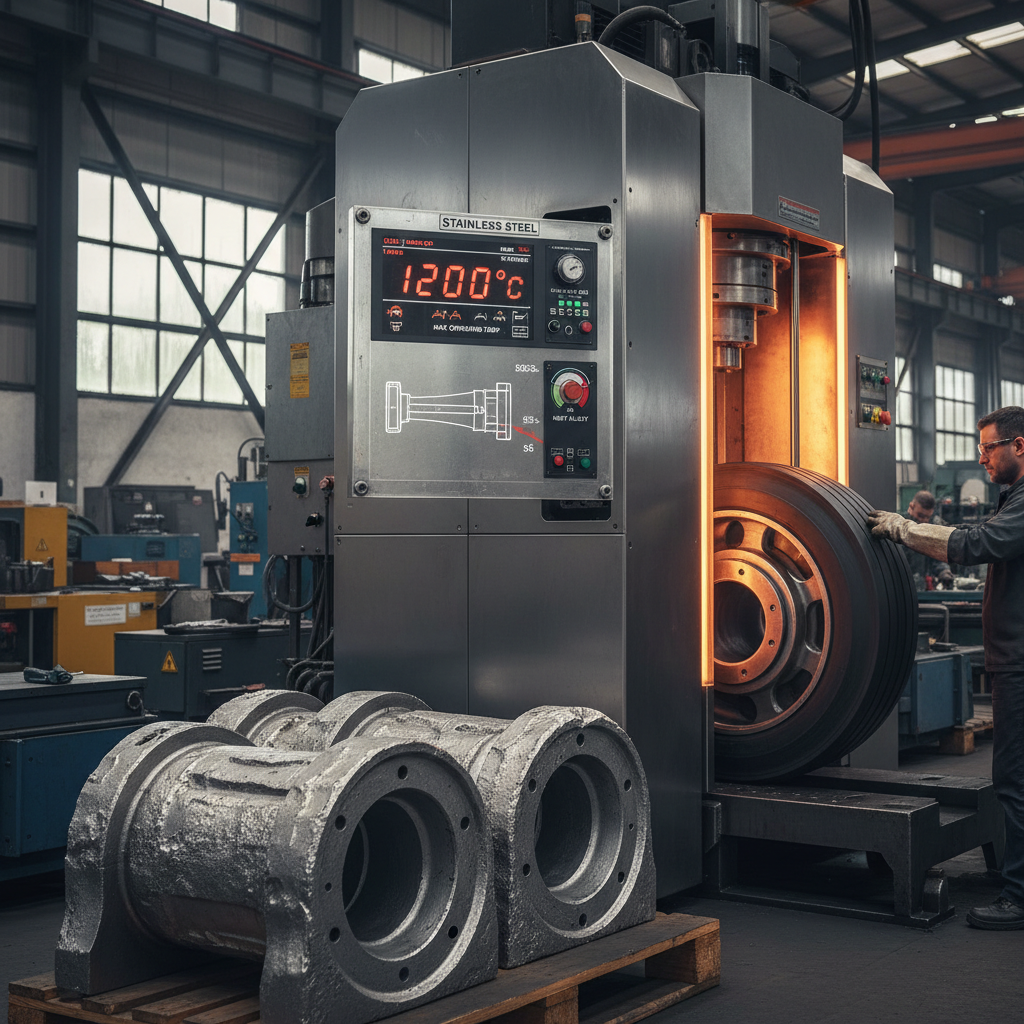
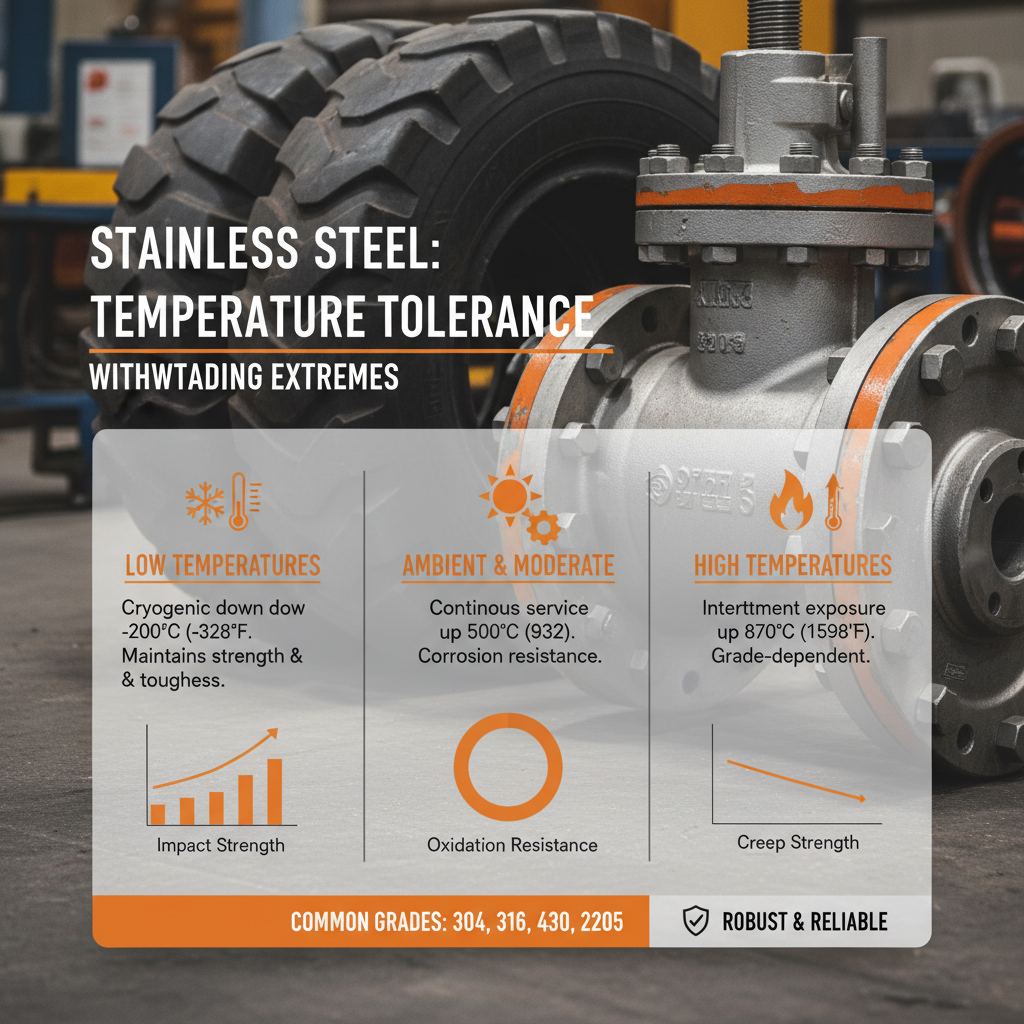
You’ve got to remember, stainless steel isn’t one single thing. Different alloys react to heat differently. Austenitic stainless steels, like 304 and 316, are known for their excellent corrosion resistance and are widely used, but their strength starts to decrease at higher temperatures. Ferritic and martensitic grades, on the other hand, can maintain strength at elevated temperatures but may be more susceptible to corrosion. Selecting the correct grade for a specific application—that's the job, and it’s not always easy.
From a practical standpoint, understanding this is crucial because exceeding the temperature limits of a stainless steel component can lead to a whole host of problems. We’re talking about creep, which is a slow deformation under stress, loss of strength, and accelerated corrosion. I've seen projects delayed and budgets blown because engineers underestimated the temperature stresses involved. It’s a hard lesson learned, but one that emphasizes the necessity of thorough material selection.
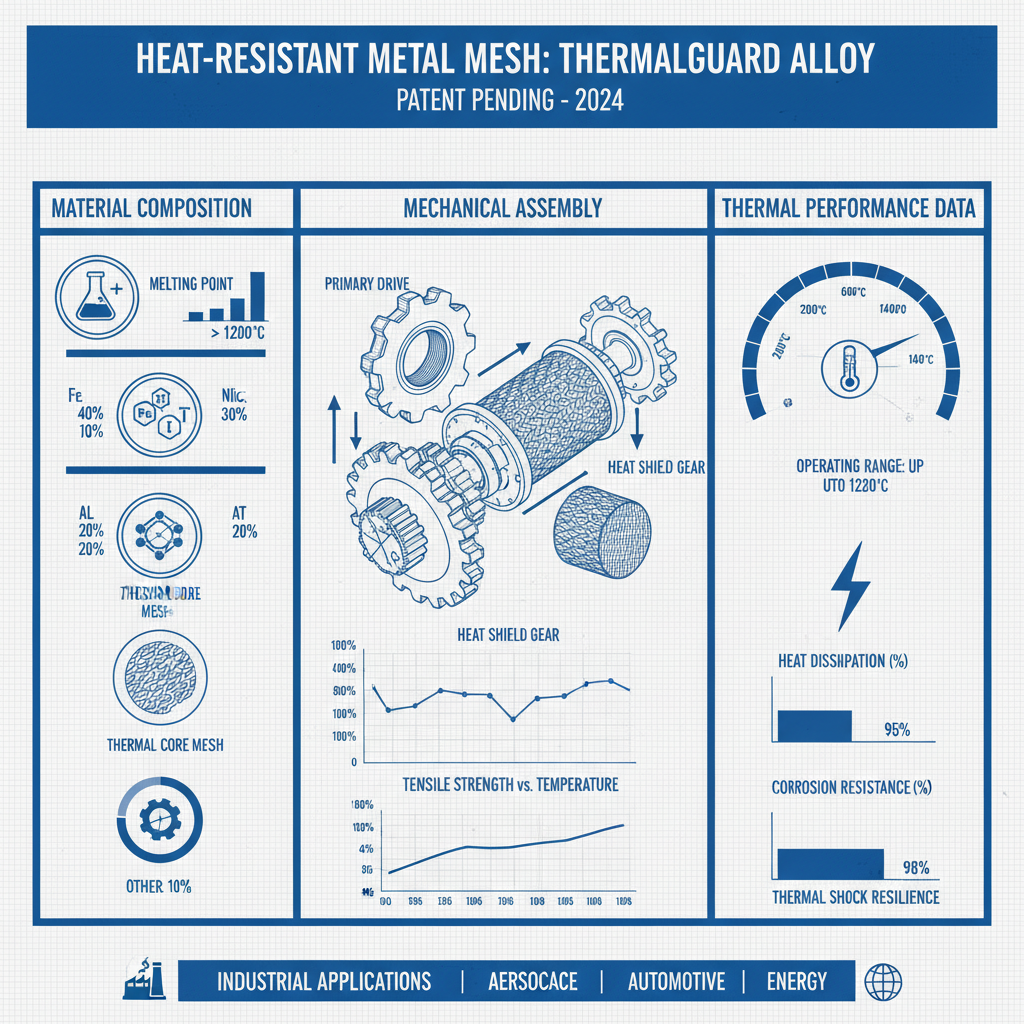
While it varies significantly with grade, some specialized stainless steel alloys can withstand continuous use at temperatures exceeding 2000°F (1100°C). However, common grades like 304 and 316 are typically limited to around 870-925°F (465-500°C). It's crucial to consult material data sheets and consider the application’s specific requirements. Exceeding these limits can compromise the material's strength and corrosion resistance.
Alloy composition is paramount. The addition of elements like molybdenum (in 316 stainless steel) enhances corrosion resistance at higher temperatures. Stabilizing elements like titanium or niobium improve resistance to sensitization, a form of corrosion. Different percentages of chromium and nickel also play a significant role. It all boils down to understanding how these elements interact to maintain the material's integrity under heat and stress.
Creep is the slow, permanent deformation of a material under sustained stress, particularly at elevated temperatures. Stainless steel, like any metal, is susceptible to creep. Higher temperatures and stresses accelerate the process. Selecting alloys with higher creep resistance and carefully designing components to minimize stress are essential mitigation strategies.
The environment plays a huge role. Oxidizing atmospheres can lead to scaling, where a layer of oxide forms on the surface, potentially weakening the material. Reducing atmospheres can cause hydrogen embrittlement, making the steel brittle. Understanding the specific environment is vital for selecting the appropriate alloy and implementing necessary protective measures.
High-temperature stainless steel is critical in power generation (boilers, turbines), aerospace (jet engines, exhaust systems), chemical processing (reactors, heat exchangers), and food processing (ovens, sterilization equipment). It’s also found in furnaces, incinerators, and various other industrial applications where materials are exposed to extreme heat.
Yes, for extremely high temperatures, nickel-based superalloys, ceramic matrix composites, and refractory metals like tungsten and molybdenum are often used. However, these materials typically come with higher costs and may present their own challenges in terms of fabrication and corrosion resistance. Stainless steel often represents a good balance of performance, cost, and workability for many high-temperature applications.
In summary, understanding what temperature can stainless steel withstand is a complex but crucial aspect of materials science and engineering. It’s not about a single number; it’s about considering the alloy, the environment, the stress, and the duration of exposure. Properly assessing these factors and selecting the right material ensures the safety, reliability, and longevity of countless applications across diverse industries.
Looking ahead, continued advancements in alloy development, coupled with sophisticated modeling and simulation techniques, will undoubtedly expand the temperature limits and performance capabilities of stainless steel. It's a field ripe with innovation, and the ability to push the boundaries of what’s possible will be key to addressing the evolving challenges of a demanding world. For more information on stainless steel alloys and their applications, visit our website: www.dzmccasting.com.