0%

Table of Contents

Heat resistant steel grades aren’t just about metallurgy; they're about keeping critical infrastructure running, ensuring safety in extreme environments, and pushing the boundaries of what's possible in industries like aerospace, power generation, and petrochemicals. For years, I've walked construction sites, seen projects delayed and budgets ballooned due to material failures. The right heat resistant steel grade can mean the difference between a project completed on time and under budget, and a costly disaster. Understanding these grades isn't just a technical exercise; it's a practical necessity for anyone involved in building and maintaining anything that faces high temperatures. heat resistant steel grades are a cornerstone of modern engineering.

Globally, the demand for high-performance materials is skyrocketing. According to the World Steel Association, specialty steels, including heat-resistant alloys, are experiencing faster growth than standard carbon steel. This is driven by increased investment in renewable energy (think concentrated solar power and advanced geothermal), stricter emission regulations demanding more efficient combustion technologies, and the ever-present need for robust infrastructure. The UN’s Sustainable Development Goals emphasize resilient infrastructure and access to clean energy – both areas where these steels play a vital role. We’re seeing increased need, especially in developing nations rapidly expanding their industrial capacity.

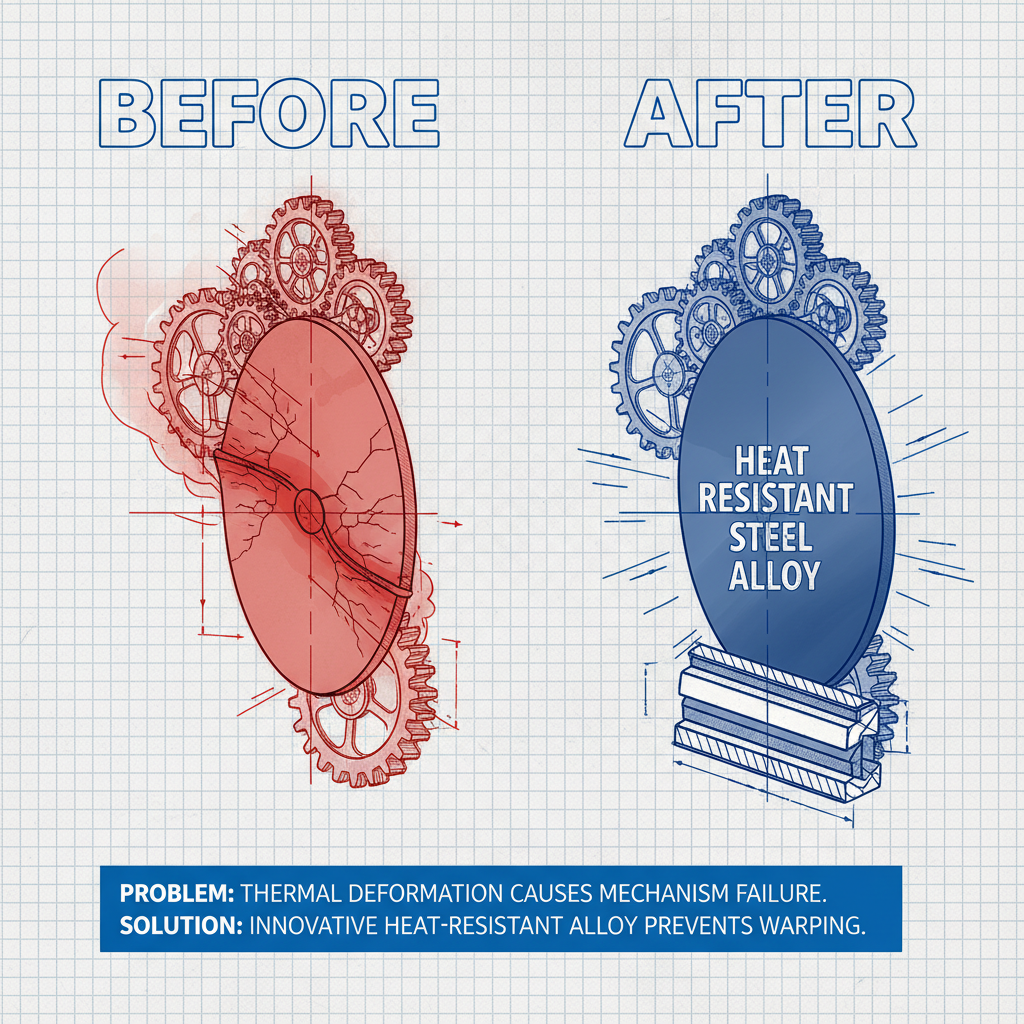
Put simply, heat resistant steel grades are alloys designed to maintain their strength, integrity, and corrosion resistance at elevated temperatures. Unlike carbon steel, which loses its strength rapidly as it heats up, these alloys are formulated with elements like chromium, nickel, molybdenum, and vanadium to resist softening, oxidation, and creep (deformation under sustained stress). This isn’t some laboratory curiosity; it’s fundamental to industries that require components to operate reliably at temperatures exceeding several hundred degrees Celsius. It directly impacts our ability to generate power, manufacture products, and transport energy safely and efficiently.
Understanding Heat Resistant Steel Grades for Critical Infrastructure and Beyond

The Significance of Heat Resistant Steel Grades

Understanding Heat Resistant Steel Grades for Critical Infrastructure and Beyond

I’ve seen firsthand how choosing the wrong steel can cripple a project. A few degrees difference in operating temperature, a seemingly insignificant chemical impurity – these can lead to premature failure, costly downtime, and even catastrophic events. That's why understanding these grades isn’t about memorizing alloy compositions, it's about understanding the operational demands and selecting the material that's best equipped to meet them. heat resistant steel grades are the backbone of reliability in high-temperature applications.

The impact extends beyond immediate cost savings. Using the right grade minimizes maintenance, extends equipment lifespan, and improves overall safety. We’re talking about protecting workers, the environment, and the long-term viability of critical infrastructure. From my experience, the initial investment in higher-quality materials almost always pays for itself in the long run, and frequently beyond.

Global Relevance and Industry Context

The global demand for energy continues to rise, and a significant portion of that demand is met by power plants – many of which rely heavily on heat resistant steel grades. Turbines, boilers, and combustion chambers all operate at extremely high temperatures, demanding materials that can withstand intense thermal stress and oxidation. The push for greater efficiency in these plants means even higher operating temperatures, pushing the limits of existing alloys and driving the need for innovation. I've seen this firsthand in visits to power stations across Europe and Asia.

Beyond power generation, the aerospace industry is a major driver. Jet engines and rocket nozzles require materials that can withstand not only extreme heat but also immense stress. The development of more fuel-efficient engines relies directly on advancements in heat resistant alloys. The automotive industry is also increasingly reliant on these materials for exhaust systems and turbochargers, especially with the trend towards smaller, more powerful engines.

Looking at petrochemicals, the processes involved in refining crude oil and manufacturing plastics require reactors and pipelines that can operate at high temperatures and pressures. Corrosion is a constant threat in these environments, so the chosen steel grade must also exhibit excellent resistance to chemical attack. The impact of these grades is, frankly, interwoven into the fabric of modern industrial production.

Defining Heat Resistant Steel Grades

Let's get down to basics. Heat resistant steel isn't a single type of steel; it's a category of alloys. The key differentiator is the ability to retain mechanical strength and resist degradation at elevated temperatures. This is achieved by adding specific alloying elements that stabilize the steel's microstructure and prevent it from softening or losing its structural integrity. I always tell younger engineers to think of it not just as strength at room temperature, but strength maintained under heat and stress.

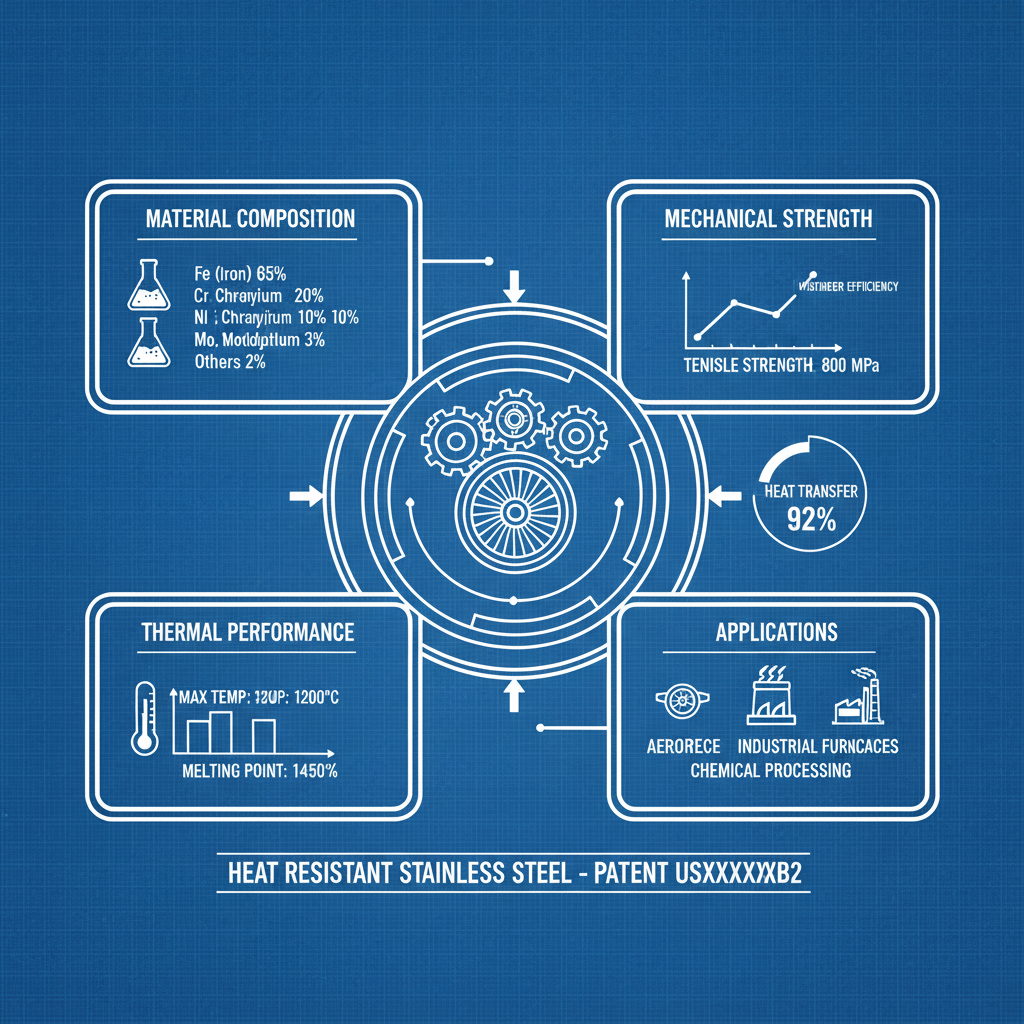
Common alloying elements include chromium (for oxidation resistance), nickel (for creep resistance and improved toughness), molybdenum (for high-temperature strength), and vanadium (for grain refinement and increased strength). The specific combination and percentage of these elements determine the steel's properties and its suitability for different applications. It’s a careful balancing act.

These steels fall into several classifications, including austenitic, ferritic, martensitic, and duplex stainless steels, each offering a different combination of properties. Choosing the right classification depends on the specific operating conditions, including temperature, pressure, and the corrosive environment. It’s not just about picking the most expensive alloy, it’s about picking the right alloy for the job.

Key Factors in Heat Resistant Steel Selection

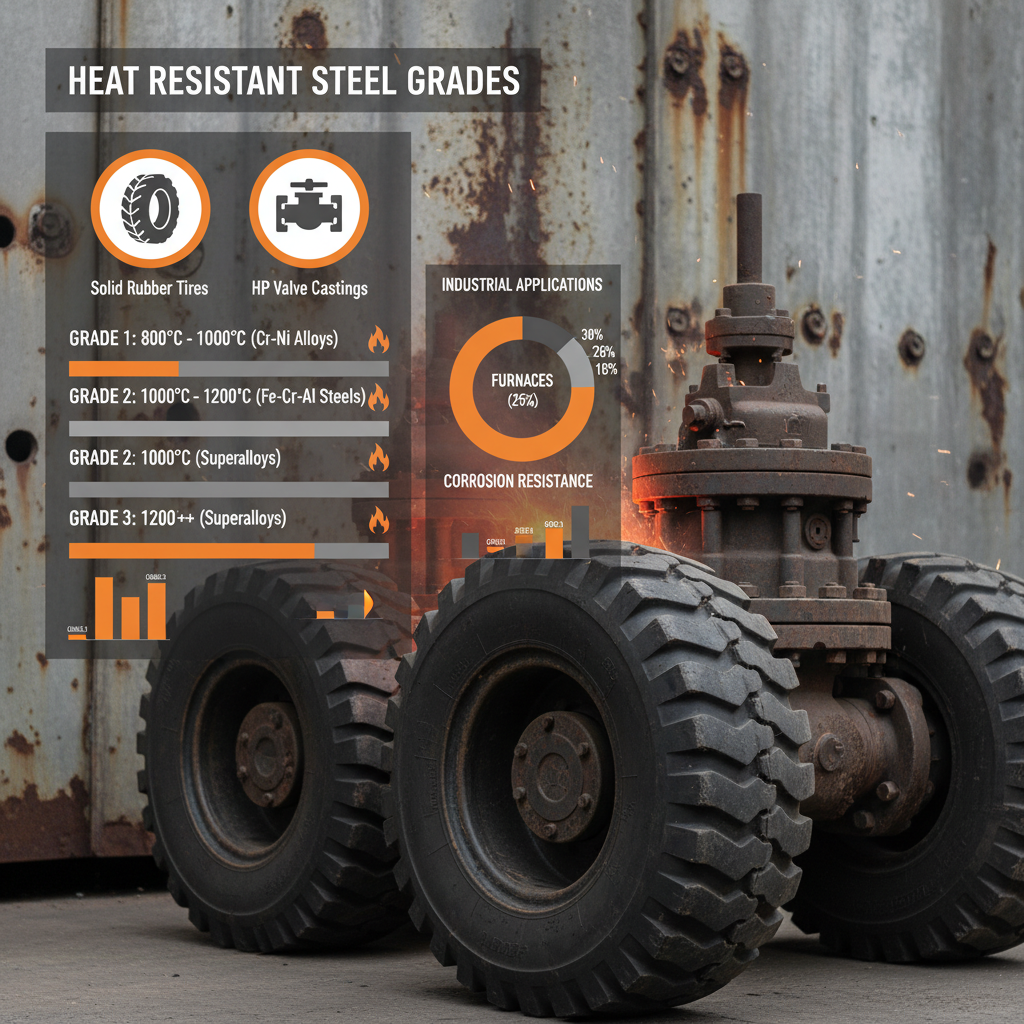
When I'm on a site, facing a material selection challenge, I immediately consider several core factors. First is operating temperature. Different grades are designed for different temperature ranges. Going beyond a steel’s designed limit will lead to rapid degradation.

Second, corrosion resistance is critical. Many high-temperature environments are also highly corrosive. Choosing a grade that can withstand both heat and corrosion is essential for long-term reliability. Third, creep resistance matters – especially under sustained stress. Creep is the tendency of a material to deform slowly over time under constant load, and it's a major concern in high-temperature applications.

Comparison of Heat Resistant Steel Grade Performance


Applications Across Industries

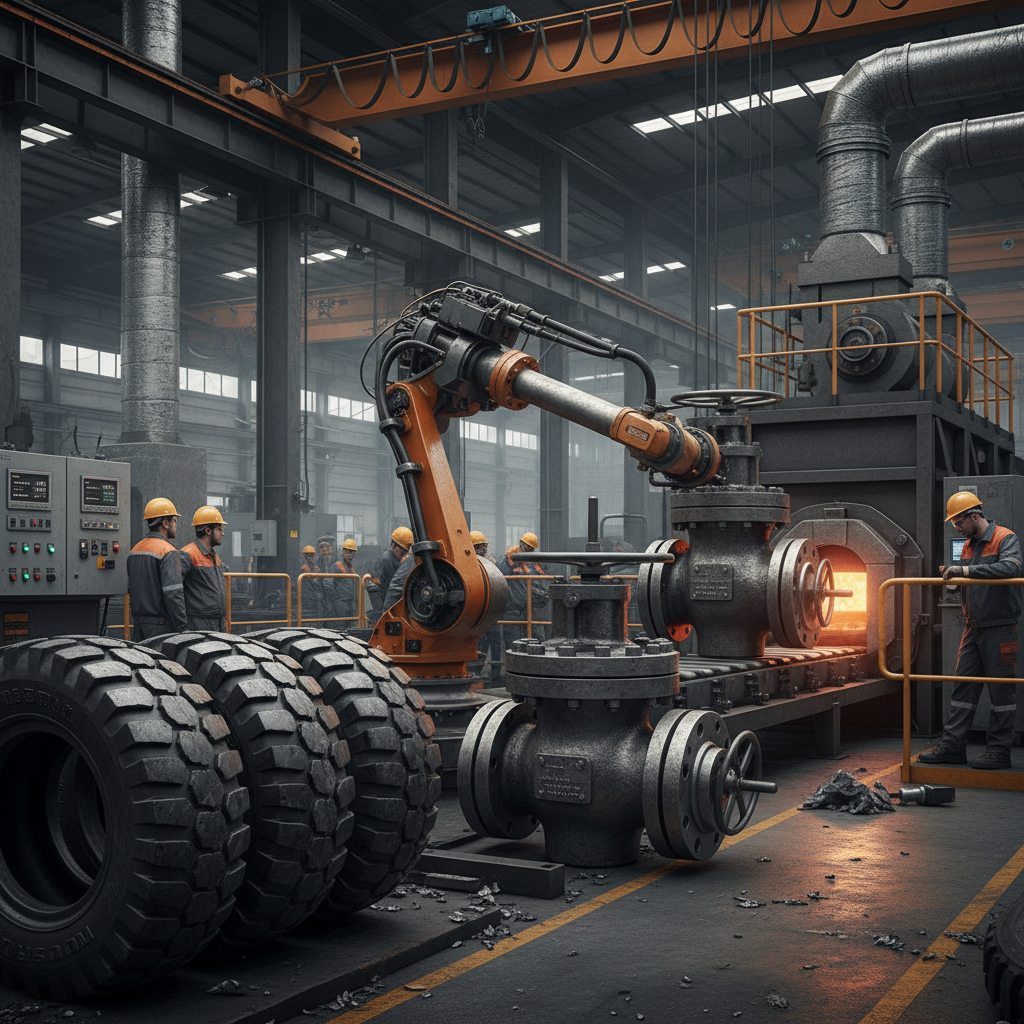
I’ve seen these steels used in everything from power plant boilers to jet engine components. In the oil and gas industry, they are crucial for high-temperature reactors and pipelines. In the chemical processing industry, they’re used in vessels and piping systems handling corrosive chemicals at elevated temperatures.

The aerospace industry relies heavily on advanced heat resistant alloys for turbine blades, combustion chambers, and exhaust nozzles. These components operate under incredibly demanding conditions, and the failure of even a single part can have catastrophic consequences. I’ve inspected turbine blades under a microscope and the precision required is phenomenal.

Advantages and Long-Term Value

The advantages are clear: reduced downtime, lower maintenance costs, increased safety, and extended equipment lifespan. Investing in quality heat resistant steel grades upfront almost always results in significant cost savings over the long term. It's not just about the initial purchase price; it's about the total cost of ownership.

There’s also a sustainability aspect. By extending the lifespan of equipment, we reduce the need for frequent replacements, which conserves resources and minimizes waste. A robust, reliable system is inherently more sustainable than one constantly requiring repairs and replacements.

Future Trends and Innovations

We're seeing a lot of research into single-crystal alloys, which eliminate grain boundaries and significantly improve creep resistance. Additive manufacturing (3D printing) is also becoming increasingly important, allowing us to create complex geometries and customize alloys for specific applications. I’ve been watching the development of metal matrix composites, combining the heat resistance of alloys with the strength of ceramics.

There's also a growing focus on developing alloys with improved oxidation resistance, especially for use in even higher temperature environments. And with the increasing emphasis on sustainability, research is being directed towards developing alloys that require less critical raw materials and are easier to recycle.

Digital twins and predictive maintenance are changing the game too. Monitoring the performance of components in real-time allows us to identify potential issues before they lead to failures, optimizing maintenance schedules and maximizing equipment lifespan.

FAQS

What is the primary difference between heat resistant steel and stainless steel?

While both resist corrosion, heat resistant steel focuses on maintaining strength at high temperatures – a property stainless steel often lacks. Stainless steel prioritizes corrosion resistance in general environments, while heat resistant steels are designed for thermal stability under intense heat, incorporating alloying elements like chromium, nickel, and molybdenum to prevent softening and oxidation at elevated temperatures. They aren’t mutually exclusive; some alloys can offer both properties.

What are some common applications of heat resistant steel in the aerospace industry?

Heat resistant steel is critical in jet engine components like turbine blades and combustion chambers. These parts endure extreme temperatures and stresses during operation. Superalloys, a specific type of heat-resistant steel, are also used in rocket nozzles and other high-performance aerospace applications. Their ability to maintain strength and resist creep at incredibly high temperatures is paramount for flight safety and efficiency.

How does the cost of heat resistant steel compare to standard carbon steel?

Generally, heat resistant steel is significantly more expensive than carbon steel due to the addition of costly alloying elements and the more complex manufacturing processes required. However, this higher upfront cost is often offset by reduced maintenance, longer equipment lifespan, and increased reliability. Considering the total cost of ownership, heat resistant steel can be a more economical choice in demanding applications.

What role does chromium play in heat resistant steel?

Chromium is crucial for forming a protective oxide layer on the steel's surface, which resists oxidation and corrosion at high temperatures. This layer helps prevent the underlying metal from degrading, extending the steel's lifespan in harsh environments. The percentage of chromium significantly impacts the steel’s resistance to scaling and corrosion.

Can heat resistant steel be welded? What considerations are necessary?

Yes, many heat resistant steels can be welded, but it requires careful consideration and specialized techniques. The welding process can alter the steel's microstructure, potentially reducing its heat resistance. Preheating, post-weld heat treatment, and the selection of appropriate welding consumables are essential to maintain the steel's properties. It's often best to consult with a welding engineer experienced in these alloys.

What are the emerging trends in the development of new heat resistant steel grades?

Current trends include the development of single-crystal alloys, which eliminate grain boundaries for improved creep resistance, and the use of additive manufacturing (3D printing) to create complex shapes and customized alloys. Research is also focused on reducing the reliance on critical raw materials and improving the recyclability of these steels. The development of coatings to enhance oxidation resistance is another key area of innovation.

Conclusion

Heat resistant steel grades are fundamental to modern industry, offering a critical balance of strength, corrosion resistance, and thermal stability. From powering our cities to propelling us into space, these alloys enable advancements across a diverse range of applications. Proper selection, based on a thorough understanding of operating conditions and material properties, is paramount for ensuring safety, reliability, and long-term cost-effectiveness.

Looking ahead, continued innovation in alloy development, manufacturing processes, and digital monitoring will be crucial for pushing the boundaries of what’s possible. The future demands materials that can withstand even more extreme environments, and heat resistant steel grades will undoubtedly remain at the forefront of this ongoing evolution.
Kevin Wilson

Kevin Wilson

Kevin Wilson is a Quality Control Inspector at Hebei Dezhong Machinery Co., Ltd. Kevin is a seasoned professional with extensive experience in non-destructive testing and visual inspection of castings. He's dedicated to identifying and resolving quality issues throughout the manufacturing process. Kevin is proficient in using precision measuring tools and
Previous Exploring Heat Resistant Steel Composition for High Performance Applications
Next Understanding What Temperature Can Stainless Steel Withstand for Optimal Performance