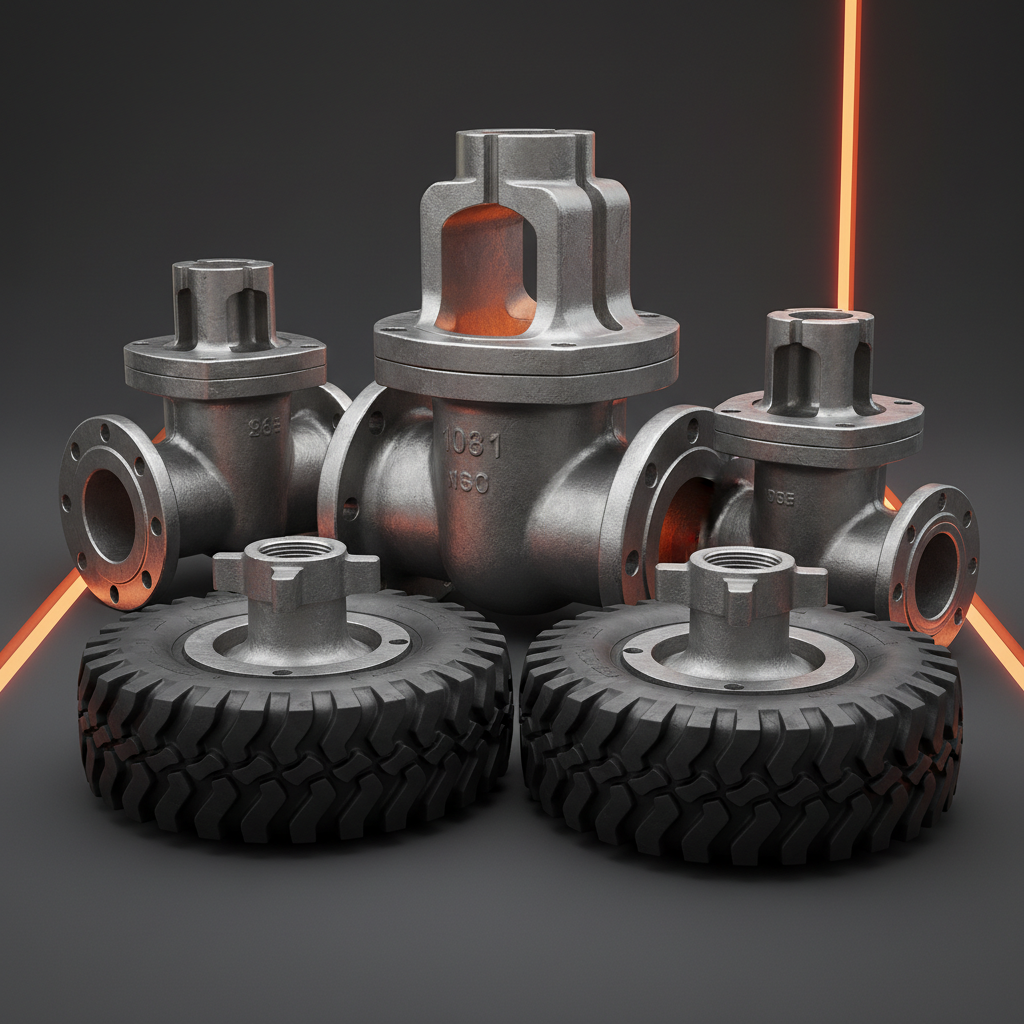
High temperature alloy steel represents a critical material in modern engineering, enabling advancements across diverse industries demanding robust performance under extreme conditions. Its ability to maintain strength, resist corrosion, and withstand creep at elevated temperatures makes it indispensable for applications where conventional materials fall short. Understanding the nuances of these alloys is paramount for innovation and ensuring the reliability of critical infrastructure globally.
The global demand for high temperature alloy steel is steadily increasing, driven by growth in sectors like aerospace, power generation, and oil & gas. According to the World Steel Association, specialty steel—which includes high temperature alloys—accounts for a significant portion of global steel production, with continued expansion expected due to the ongoing push for more efficient and sustainable energy solutions. This increasing demand presents both opportunities and challenges for manufacturers and researchers alike.
High temperature alloy steel is not merely a material; it’s an enabler of progress. From powering jet engines to facilitating cleaner energy production, these alloys are integral to modern life. Their unique properties allow for safer, more efficient, and more durable designs, ultimately benefiting society as a whole.
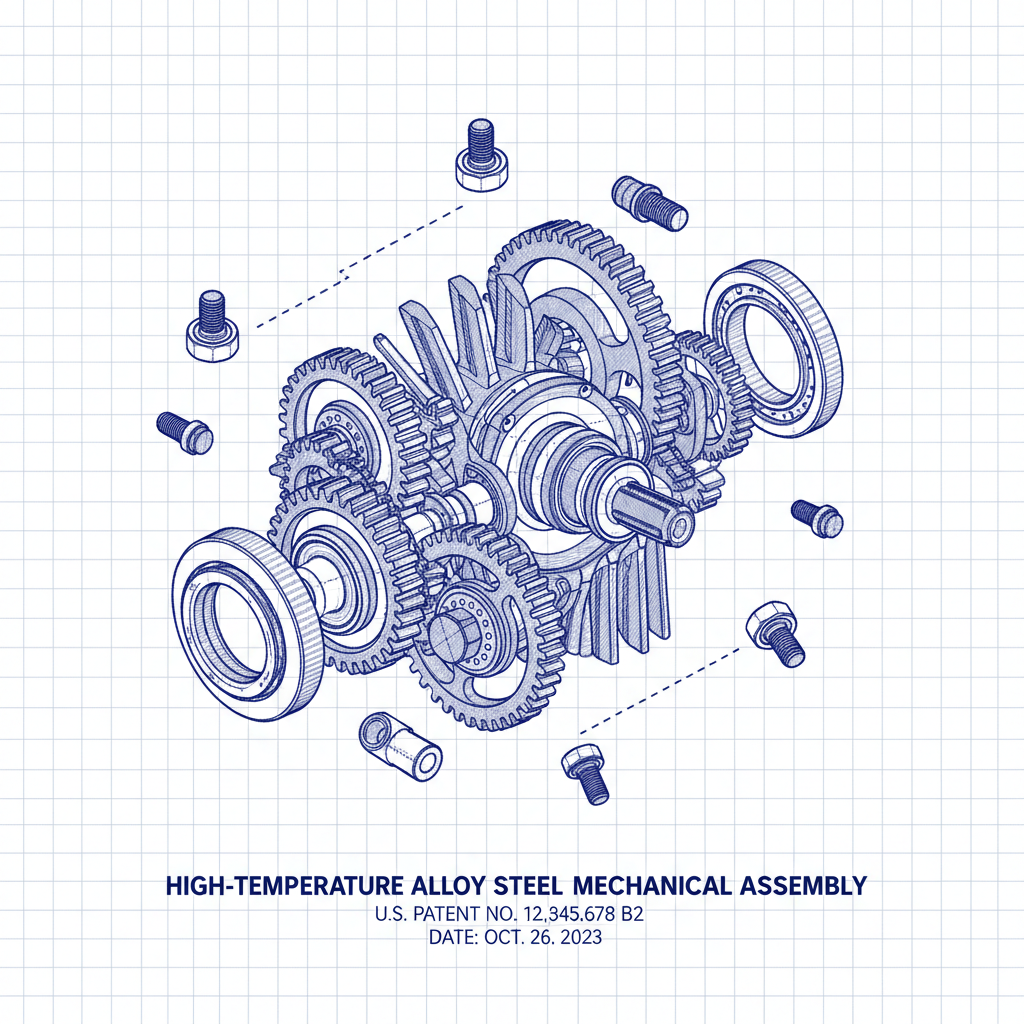
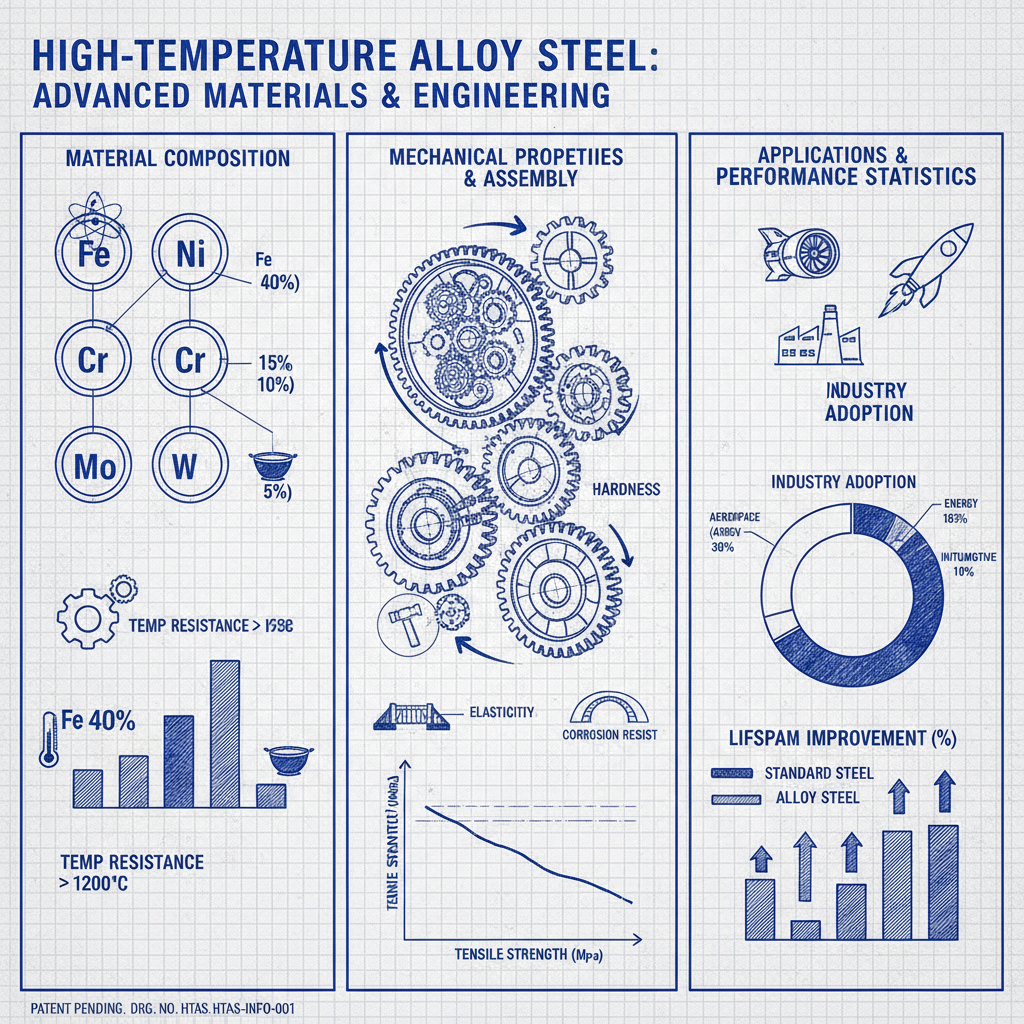
High temperature alloy steel's significance lies in its ability to function reliably in environments that would quickly degrade conventional materials. This resilience directly translates to enhanced safety, extended service life, and reduced maintenance costs in critical applications. Without these alloys, many modern technologies simply wouldn't be feasible.
The demand for these specialized steels is a direct reflection of advancements in industries pushing the boundaries of thermal and mechanical performance. From the aerospace sector’s need for lighter and stronger turbine blades to the energy industry's requirements for efficient power generation, high temperature alloy steel remains at the forefront of materials innovation.
High temperature alloy steel typically contains significant amounts of nickel, chromium, molybdenum, tungsten, and aluminum. Nickel enhances ductility and corrosion resistance, while chromium forms a protective oxide layer for oxidation resistance. Molybdenum and tungsten contribute to solid solution strengthening and creep resistance. Aluminum also aids in oxidation resistance and precipitation hardening.
Creep resistance is crucial because it dictates how much a component will deform over time under sustained stress at high temperatures. Lower creep rates translate directly to longer component lifespan and reduced risk of failure. Components with poor creep resistance will deform, leading to reduced efficiency, increased stress, and ultimately, premature failure.
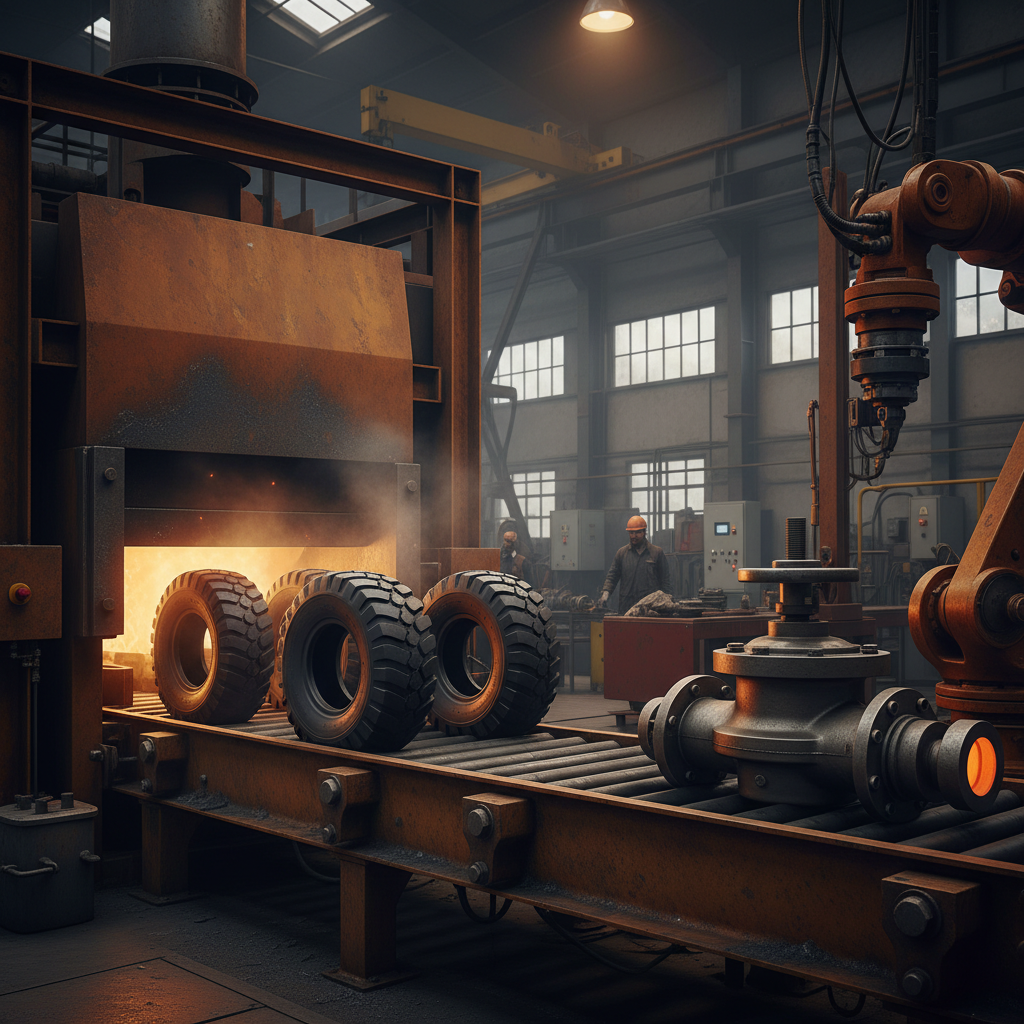
Heat treatment is vital for controlling the microstructure of high temperature alloy steel, which directly affects its properties. Processes like solution annealing, aging, and tempering are used to precipitate strengthening phases, refine grain size, and optimize the distribution of alloying elements, ultimately enhancing strength, creep resistance, and toughness.
Research is ongoing to develop more sustainable high temperature alloys. This includes exploring alloys with reduced cobalt content (as cobalt mining has environmental concerns) and investigating the use of recycled materials. Additionally, optimizing manufacturing processes to minimize waste and energy consumption is a key focus.
The aerospace and power generation industries are currently at the forefront of innovation in high temperature alloy steel. The demand for more efficient jet engines and gas turbines is pushing the boundaries of alloy performance, leading to the development of new compositions and processing techniques. The renewable energy sector is also becoming a significant driver.
Additive manufacturing (3D printing) offers the ability to create complex geometries with tailored microstructures, reducing material waste and enabling the production of lightweight components. It allows for precise control over alloy composition and internal structure, potentially surpassing the capabilities of traditional manufacturing methods for specific applications.
In conclusion, high temperature alloy steel stands as a cornerstone of modern engineering, providing the crucial properties needed for operation in extreme environments. Its ability to withstand high temperatures, resist creep, and maintain strength under stress makes it indispensable across diverse industries like aerospace, power generation, and oil & gas. Continuous innovation in alloy composition, processing techniques, and manufacturing methods ensures its continued relevance in tackling future challenges.
Looking ahead, the development of sustainable high temperature alloy steels, coupled with the adoption of advanced manufacturing technologies, will be essential for addressing the growing demand for efficient, reliable, and environmentally responsible solutions. For further information and to explore our range of high temperature alloy steel products, visit our website today.