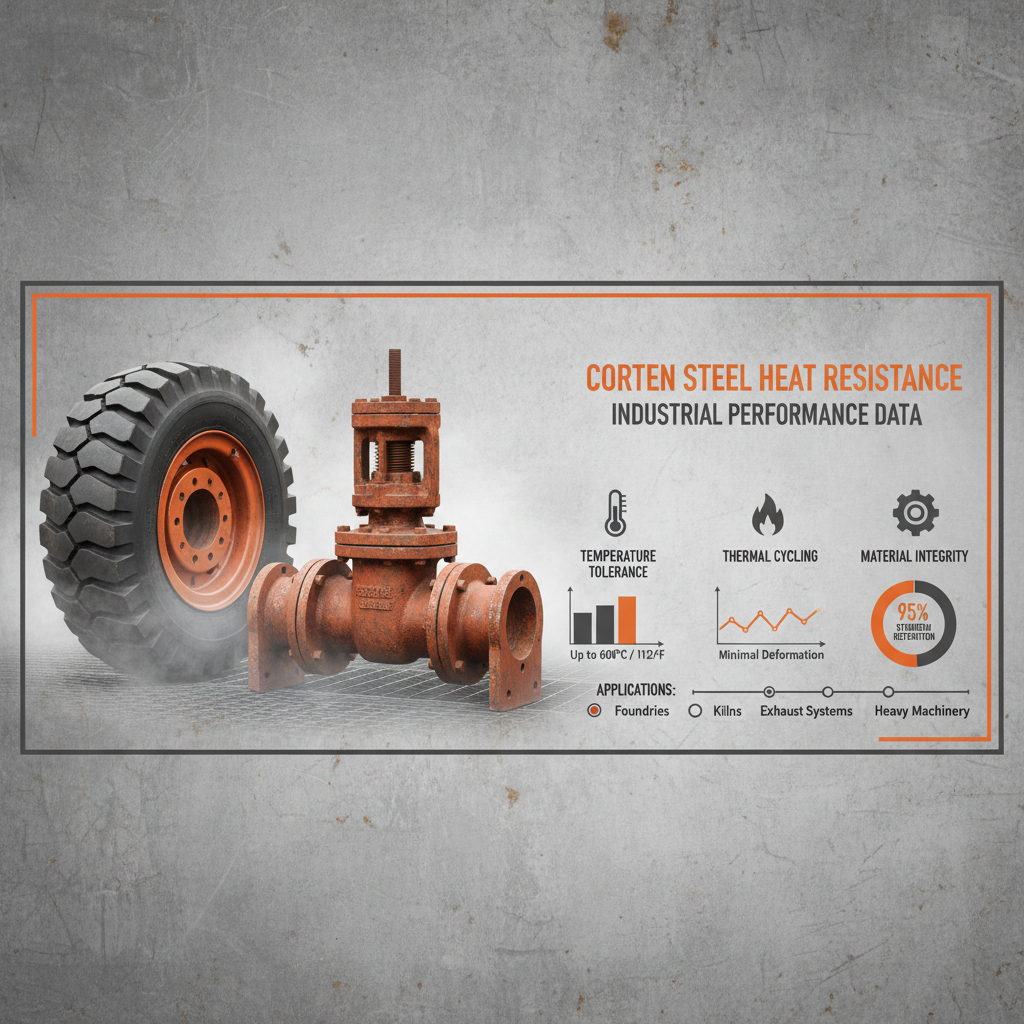
Corten steel, renowned for its distinctive aesthetic and exceptional durability, exhibits remarkable corten steel heat resistance, making it a crucial material in a wide range of applications. Understanding this resistance is paramount for engineers, architects, and fabricators seeking long-lasting, low-maintenance solutions in demanding environments. This knowledge allows for optimal design and material selection, maximizing the lifespan and performance of structures and components.
The global demand for materials capable of withstanding extreme temperatures and corrosive conditions is steadily increasing, driven by infrastructure development in challenging climates and the need for sustainable, long-lasting solutions. Corten steel, with its unique properties, addresses this demand effectively. Its ability to maintain structural integrity even at elevated temperatures, coupled with its self-healing protective layer, significantly reduces lifecycle costs and minimizes the need for frequent repairs or replacements.
This exploration delves into the complexities of corten steel heat resistance, examining the factors that contribute to it, its real-world applications, and future innovations poised to further enhance its capabilities. By understanding these facets, we can unlock the full potential of this versatile material and ensure its continued relevance in a rapidly evolving world.
Understanding the Fundamentals of Corten Steel Heat Resistance
Corten steel’s inherent corten steel heat resistance isn't simply a matter of high melting point, although its composition does contribute to that. It's more about how the steel reacts to elevated temperatures and the formation of a protective patina. This patina, a dense oxide layer, actually improves with exposure to heat and the elements, slowing down further corrosion and enhancing the steel's structural integrity.
This unique characteristic distinguishes corten steel from traditional carbon steels, which become weaker and more susceptible to corrosion at higher temperatures. Corten steel maintains a significant portion of its strength even when heated, making it ideal for applications involving thermal cycling or exposure to high ambient temperatures, such as industrial chimneys and architectural facades.
The Chemistry Behind Corten Steel’s Thermal Stability
The superior corten steel heat resistance stems from its carefully controlled chemical composition, specifically the addition of alloying elements like copper, chromium, nickel, and silicon. These elements actively participate in the formation of the protective patina, enhancing its density and adhesion. Chromium, in particular, is crucial for creating a stable oxide layer that inhibits further corrosion.
The specific percentages of these alloying elements are meticulously balanced to ensure optimal performance. For instance, copper contributes to the distinctive reddish-brown color of the patina and aids in its formation, while nickel enhances the steel’s toughness and resistance to localized corrosion. The interaction of these elements creates a self-healing mechanism, where the patina continually reforms to protect the underlying steel.
Furthermore, the low carbon content minimizes the risk of carbide precipitation, which can weaken the steel at elevated temperatures. This careful chemical engineering is fundamental to achieving the exceptional thermal stability and long-term durability that defines corten steel.
Key Factors Influencing Corten Steel Heat Resistance
Several factors influence the degree of corten steel heat resistance exhibited by a particular grade of corten steel. These include the specific alloy composition, the thickness of the steel plate, the environmental conditions to which it is exposed, and the presence of any surface coatings or treatments. Understanding these factors is crucial for selecting the appropriate corten steel grade for a given application.
The rate of patina formation, and consequently the level of heat resistance, is also influenced by the exposure cycle – the frequency and intensity of temperature fluctuations and moisture exposure. Cyclic thermal loading can accelerate patina development initially, but ultimately leads to a more robust and protective layer. However, prolonged exposure to extremely high temperatures without adequate cooling can potentially compromise the patina’s integrity, although this typically requires temperatures exceeding the steel's designed operational limits.
Finally, the manufacturing process itself plays a role. Proper heat treatment and controlled cooling rates during fabrication are essential to ensure the optimal microstructure and mechanical properties of the steel, maximizing its inherent corten steel heat resistance.
Real-World Applications and Industry Standards
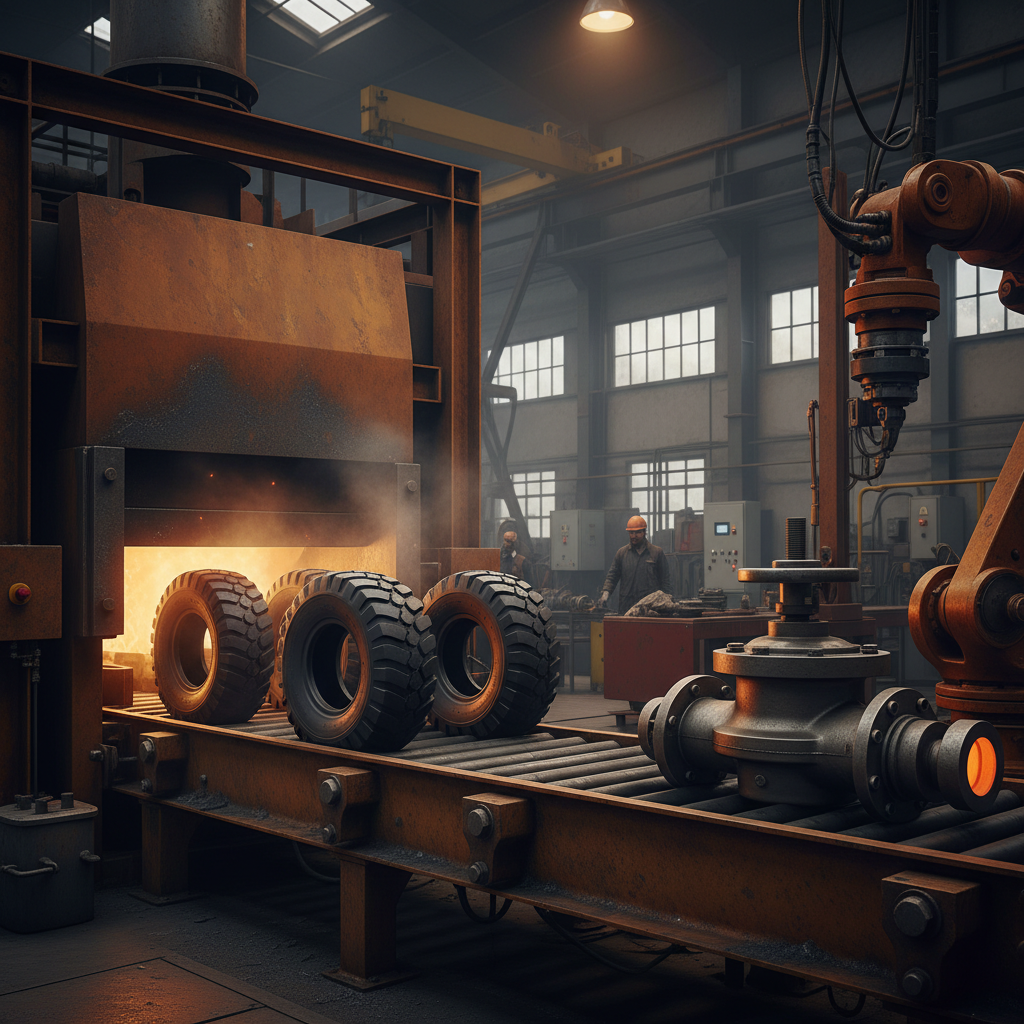
The exceptional corten steel heat resistance makes it a material of choice in numerous industries and applications. From architectural facades and sculptures exposed to harsh weather conditions to industrial chimneys and flue gas ducts handling high-temperature exhaust, corten steel consistently delivers reliable performance.
Specifically, in the energy sector, corten steel is frequently used in the construction of offshore platforms and storage tanks, where resistance to both corrosion and thermal stress is critical. In transportation, it finds application in railway cars and bridge structures. Industry standards, such as ASTM A588 for high-strength low-alloy structural steel, define the acceptable levels of alloying elements and mechanical properties to ensure consistent quality and performance.
Corten Steel Heat Resistance Comparison by Application
Advantages of Corten Steel in High-Temperature Environments
Utilizing corten steel in high-temperature scenarios offers several key advantages. Beyond its inherent corten steel heat resistance, the material’s self-healing patina eliminates the need for frequent painting or coating maintenance, significantly reducing lifecycle costs. This is particularly beneficial in remote or hard-to-access locations where maintenance is expensive and challenging.
The reduced maintenance translates to lower operational expenses and increased long-term value. Furthermore, the aesthetic appeal of the weathered patina is often considered a desirable architectural feature, eliminating the need for aesthetic treatments.
Global Deployment and Regional Variations
Corten steel’s use is widespread globally, with significant deployments in regions characterized by harsh climates and demanding industrial environments. North America and Europe have seen extensive use in architectural applications and infrastructure projects. Asia, particularly China and Japan, is increasingly adopting corten steel for large-scale infrastructure and industrial facilities.
Regional variations in environmental conditions – such as salinity levels in coastal areas or industrial pollution levels – can influence the rate of patina formation and the specific alloy grade selected. Local building codes and industry standards also play a role in dictating acceptable materials and design practices.
Countries with established steel manufacturing industries, like Germany and South Korea, are leaders in producing high-quality corten steel tailored to specific regional requirements.
Future Trends and Enhancements in Corten Steel Heat Resistance
Ongoing research and development efforts are focused on further enhancing the corten steel heat resistance through novel alloying techniques and surface treatments. Nanomaterials are being explored as potential additives to accelerate patina formation and improve its protective properties.
Furthermore, advancements in welding technology are aimed at minimizing the formation of heat-affected zones, which can compromise corrosion resistance. Digital modeling and simulation are being used to predict the long-term performance of corten steel structures in various environments, allowing for more optimized designs.
The integration of smart sensors into corten steel structures is also emerging, enabling real-time monitoring of temperature, corrosion rates, and structural health, providing valuable data for proactive maintenance and extending service life.
Summarizing the Key Factors Affecting Corten Steel Heat Resistance
| Alloy Composition |
Environmental Exposure |
Fabrication Process |
Operational Temperature Range |
| Percentage of Cr, Cu, Ni, and Si significantly impacts patina formation and protection. |
Salinity, humidity, and pollution accelerate or alter the patina development process. |
Welding, heat treatment, and cooling rates affect the microstructure and mechanical properties. |
Performance degrades outside the designed temperature range; extreme heat can compromise the patina. |
| Higher Cr content generally leads to improved corrosion resistance in high-temperature environments. |
Cyclic thermal loading can initially accelerate patina formation, leading to better long-term protection. |
Proper surface preparation before welding is critical to avoid localized corrosion. |
Continuous monitoring of temperature is crucial to ensure operation within safe limits. |
| Optimized alloy ratios balance cost with performance requirements for specific applications. |
Exposure to industrial chemicals can accelerate corrosion if the patina is not fully developed. |
Post-weld heat treatment can restore the steel's mechanical properties and corrosion resistance. |
Higher temperatures generally require thicker steel sections to maintain structural integrity. |
| Low carbon content minimizes carbide precipitation at elevated temperatures. |
Areas with consistent moisture and oxygen supply favor optimal patina formation. |
Controlled cooling rates prevent the formation of detrimental microstructures. |
The thermal expansion coefficient should be considered in design to prevent stress buildup. |
| Silicon enhances the steel's resistance to oxidation and scaling at high temperatures. |
Protection from direct rainwater runoff can enhance patina adhesion in certain climates. |
Non-destructive testing can verify the integrity of welds and heat-affected zones. |
Using temperature-resistant coatings can provide additional protection in extreme conditions. |
| The specific alloy grade should be selected based on the expected temperature range and corrosive environment. |
Regular inspection and cleaning can remove debris that may impede patina formation. |
Proper venting and drainage are important to prevent moisture buildup and corrosion. |
Regular maintenance and repair can extend the service life of corten steel structures. |
FAQS
Corten steel’s unique alloy composition, particularly the controlled levels of copper, chromium, and nickel, sets it apart. These elements work synergistically to create a denser, more protective patina that adheres strongly to the steel surface, enhancing its resistance to corrosion and degradation at elevated temperatures. While other weathering steels may form a patina, it’s often less robust and doesn’t provide the same level of long-term protection as corten steel's patina.
Cyclic temperature fluctuations are actually beneficial for corten steel's heat resistance, up to a point. The expansion and contraction caused by these fluctuations encourage the formation of the protective patina, making it denser and more adherent. However, extreme temperature variations or prolonged exposure to very high temperatures without adequate cooling can eventually compromise the patina and reduce its effectiveness.
While corten steel offers excellent heat resistance, it isn't suitable for direct, continuous contact with flames or extremely high-heat sources exceeding its operational temperature limit. Prolonged exposure to such conditions can cause oxidation and potentially compromise the steel’s structural integrity. In these applications, additional insulation or protective coatings may be necessary.
One of the key advantages of corten steel is its minimal maintenance requirement. Once the patina has fully formed, it generally requires no painting or coating. However, periodic inspection and removal of any debris that may accumulate on the surface are recommended to ensure optimal patina formation and performance.
Yes, different grades of corten steel exist, each with slightly different alloy compositions and, consequently, varying levels of heat resistance. ASTM A588 is a common standard. Selecting the appropriate grade depends on the specific application’s temperature requirements, corrosive environment, and structural load considerations.
Welding can potentially affect the heat resistance of corten steel by creating heat-affected zones (HAZs) where the material's microstructure is altered. Proper welding techniques, including preheating and post-weld heat treatment, are crucial to minimize these effects and restore the steel's original properties. Using appropriate welding consumables is also essential.
Conclusion
In summary, corten steel heat resistance is a complex interplay of material composition, environmental factors, and fabrication techniques. Its unique ability to form a self-healing patina provides exceptional long-term durability and minimal maintenance requirements, making it a highly valuable material in a wide array of applications. Understanding the nuances of this resistance is paramount for engineers and architects seeking robust and sustainable solutions.
Looking ahead, continued research and development in nanomaterials, welding technology, and digital modeling promise to further enhance the performance and applicability of corten steel. As sustainability concerns grow and the demand for long-lasting infrastructure increases, corten steel is poised to play an increasingly vital role in shaping the future of construction and industrial design. Visit our website at www.dzmccasting.com to learn more about our corten steel products and services.