Sintering machine parts are critical components in a vast range of industrial processes, particularly within ferrous metallurgy and powder metallurgy. These parts, crafted from materials designed to withstand extreme temperatures and mechanical stresses, play a vital role in the efficient operation of sintering furnaces. Understanding their design, materials, and maintenance is crucial for optimizing production, minimizing downtime, and ensuring the quality of sintered products. The global demand for high-quality, durable sintering machine parts is directly linked to the growth of industries like automotive, aerospace, and medical, all of which rely heavily on sintered components.
The manufacturing of sintering machine parts is a specialized field requiring precision engineering and a deep understanding of material science. The performance of these parts directly impacts the sintering process itself, affecting the density, strength, and overall characteristics of the final product. Challenges in this area include finding materials that can resist oxidation, creep, and thermal shock at high temperatures, and developing cost-effective manufacturing processes to meet increasing demand. sintering machine parts quality is paramount for consistent production.
Furthermore, advancements in sintering technologies, such as spark plasma sintering (SPS) and microwave sintering, are driving the need for increasingly sophisticated and specialized machine parts. This evolution demands continuous innovation in materials and design to meet the demands of these cutting-edge processes. Efficient and reliable sintering machine parts are becoming increasingly vital to maintaining a competitive edge in global manufacturing.
The Importance of Sintering Machine Parts
Sintering machine parts are the unsung heroes of many manufacturing processes. They aren’t the final product, but their reliability and precision dictate the quality and efficiency of the entire sintering cycle. Without durable, well-engineered components, furnaces experience downtime, product defects increase, and overall production costs escalate. Proper selection and maintenance of these parts are therefore paramount.
The impact extends beyond cost savings. Inferior sintering machine parts can compromise the mechanical properties of the sintered components themselves, impacting the performance and lifespan of the products they are used in – whether it be engine parts, cutting tools, or medical implants. The use of sintering machine parts directly influences the integrity of the final application.
Defining Sintering Machine Parts
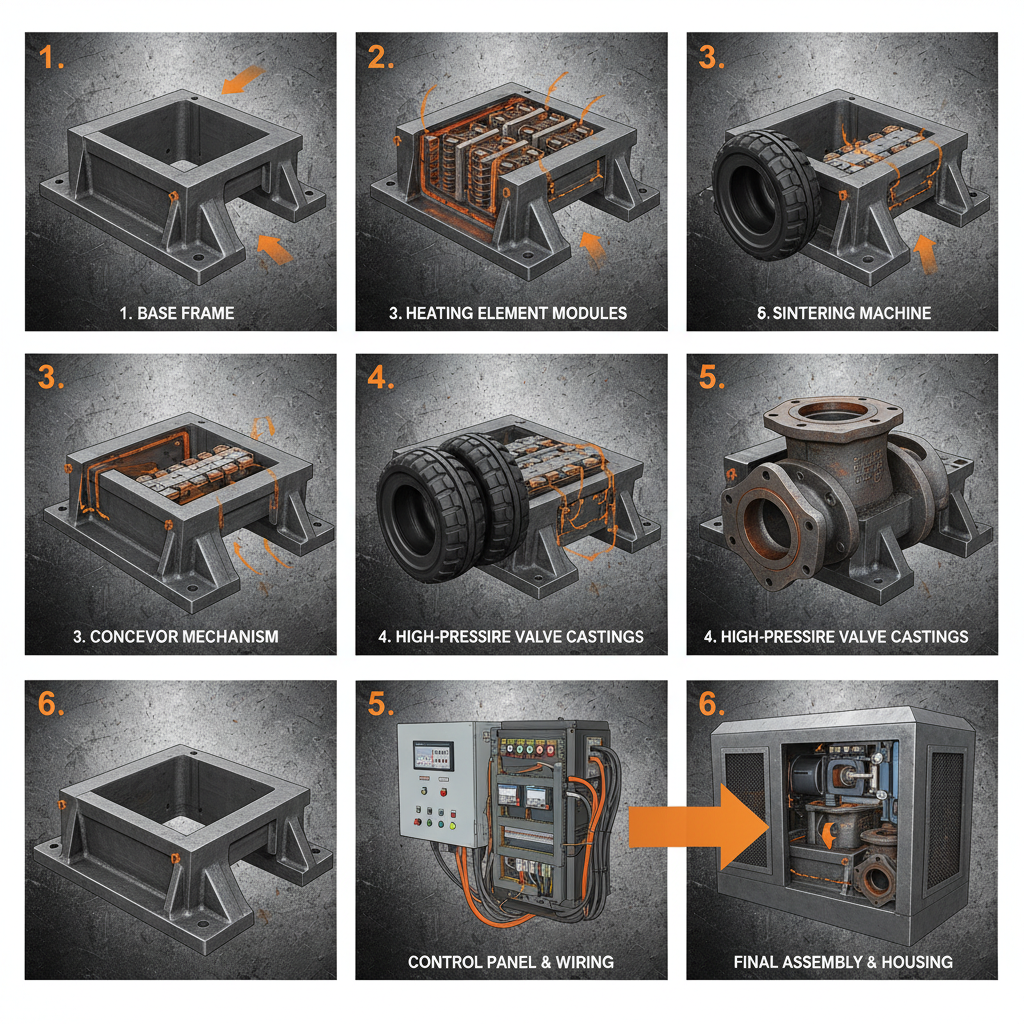
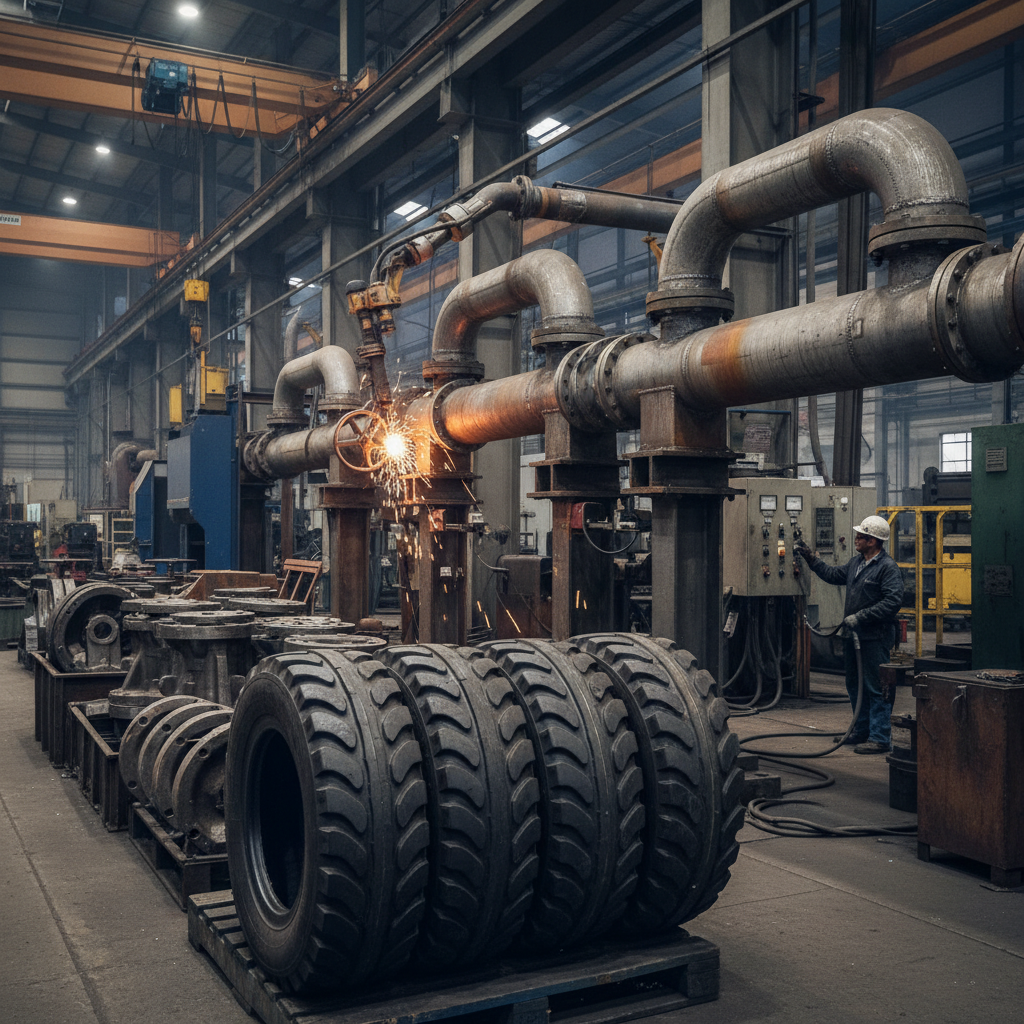
Sintering machine parts encompass a diverse range of components within a sintering furnace. These aren’t simply off-the-shelf items; they're often custom-engineered to withstand the harsh conditions inherent in the sintering process. Common examples include heating elements, furnace trays, push rods, shielding components, and specialized fixtures used to support and manipulate parts during the sintering cycle.
Essentially, any part directly involved in applying heat, controlling the atmosphere, or handling materials within the sintering furnace qualifies as a sintering machine part. Their designs often prioritize high-temperature strength, resistance to oxidation, and dimensional stability. These characteristics ensure they can withstand prolonged exposure to extreme conditions without degradation.
The connection to modern industry is profound. Sintering is a foundational process for creating countless components used in everything from automobiles and airplanes to electronics and medical devices. Without precise and reliable sintering machine parts, the mass production of these essential items would be impossible.
Key Material Properties of Sintering Machine Parts
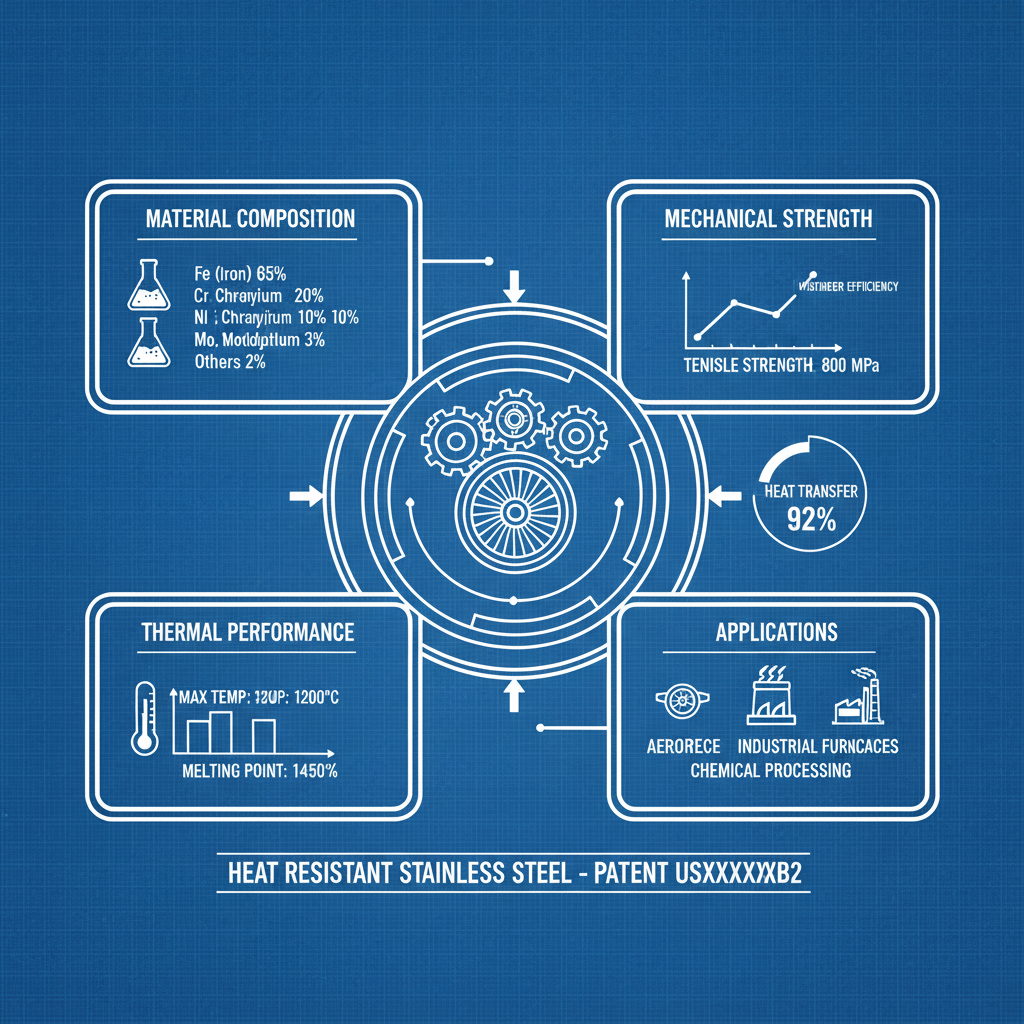
The selection of appropriate materials for sintering machine parts is crucial and hinges on several key properties. High-temperature strength is paramount, ensuring the parts maintain their structural integrity under extreme thermal stress. Resistance to oxidation is equally important, as many sintering processes are conducted in atmospheres that promote oxidation, leading to material degradation.
Creep resistance – the ability to withstand deformation under sustained stress at high temperatures – is another critical factor. Thermal shock resistance, the ability to withstand rapid temperature changes without cracking, is also essential, especially in furnaces with frequent heating and cooling cycles. The careful consideration of these properties is central to choosing the correct material.
Common materials used in sintering machine parts include specialized alloys of nickel, cobalt, molybdenum, and tungsten. Ceramic materials like alumina and silicon carbide are also frequently employed, particularly in applications requiring exceptional high-temperature stability and resistance to corrosive atmospheres. The specific material chosen depends on the unique demands of the sintering process and the parts being sintered.
Applications Across Industries
Sintering machine parts find applications across a broad spectrum of industries. In the automotive sector, they are integral to producing gears, bearings, and other engine components. The aerospace industry relies on them for manufacturing high-strength, lightweight parts for aircraft engines and structural components.
The medical industry utilizes sintered components in implants, surgical instruments, and dental applications, benefiting from the process’s ability to create complex shapes with precise tolerances. The powder metallurgy industry itself is, of course, the most direct beneficiary, relying on reliable parts for its core operations.
Even in specialized fields like defense and electronics, sintering machine parts play a vital role. From creating armor components to manufacturing electronic connectors and components, their contribution is often unseen but essential. For example, in remote mining operations, the ability to maintain consistent sintering processes dependent on durable sintering machine parts, directly affects productivity and profitability.
Sintering Machine Part Failure Rates by Component Type
Advantages of High-Quality Sintering Machine Parts
Investing in high-quality sintering machine parts delivers substantial benefits. Reduced downtime is a primary advantage – durable parts require less frequent replacement, minimizing production interruptions and maximizing throughput. Improved product quality follows, as consistent furnace conditions lead to more uniform and reliable sintered components.
Cost savings are also realized. While initial investment may be higher, the extended lifespan and reduced maintenance requirements of premium parts translate to lower long-term costs. Furthermore, the use of reliable components enhances process control, leading to reduced scrap rates and improved overall efficiency.
Future Trends in Sintering Technology & Parts
The future of sintering technology, and consequently sintering machine parts, is driven by the need for increased efficiency, precision, and sustainability. Advancements in materials science are leading to the development of new alloys and ceramics with enhanced high-temperature properties, demanding even more sophisticated part designs.
Digitalization is also playing a key role. Smart sintering furnaces equipped with sensors and data analytics are optimizing the sintering process in real-time, requiring machine parts that can integrate seamlessly with these advanced control systems. Automation is another growing trend, with robotic systems handling material loading and unloading, placing greater demands on the durability and reliability of supporting parts.
The pursuit of greener sintering processes is also influencing part design. Energy-efficient heating elements and optimized furnace insulation are becoming increasingly important, driving innovation in materials and manufacturing techniques. sintering machine parts will continue to evolve alongside these advancements.
Common Challenges and Solutions
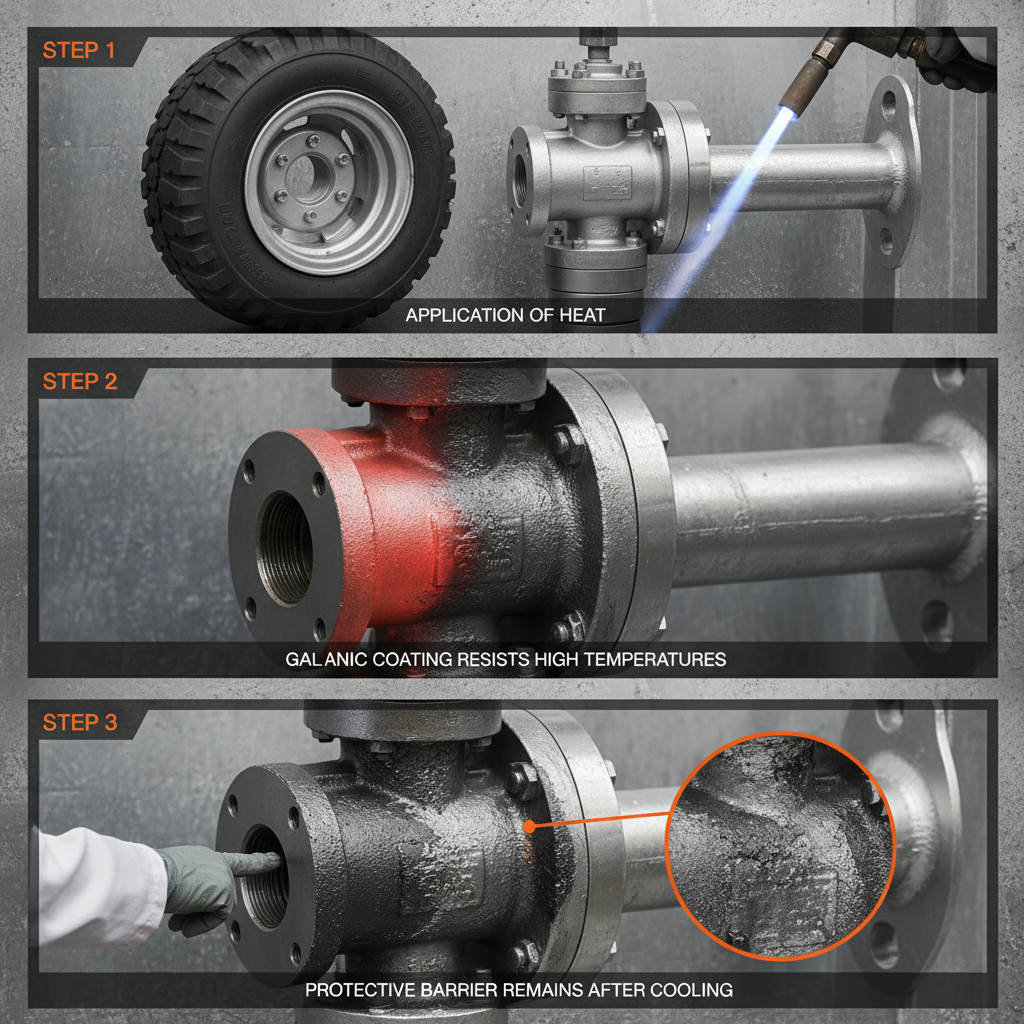
Despite advancements, several challenges remain in the realm of sintering machine parts. Oxidation and corrosion at high temperatures are persistent problems, requiring the use of protective coatings and specialized materials. Thermal fatigue, caused by repeated temperature cycling, can lead to cracking and failure, necessitating careful design and material selection.
Another challenge is maintaining dimensional stability at extreme temperatures. Parts can warp or distort, affecting the accuracy of the sintering process. Solutions include employing advanced simulation tools to predict thermal behavior, using materials with low thermal expansion coefficients, and implementing precise temperature control systems.
Furthermore, the cost of high-performance materials can be a barrier. Exploring alternative materials, optimizing part designs to reduce material usage, and investing in efficient manufacturing processes are all strategies for mitigating this challenge.
Analysis of Sintering Machine Part Performance Metrics
| Component Type |
Average Lifespan (Cycles) |
Maintenance Frequency |
Failure Mode |
| Heating Elements |
500-800 |
Monthly Inspection |
Oxidation/Burnout |
| Furnace Trays |
1000-1500 |
Quarterly Inspection |
Warping/Deformation |
| Push Rods |
750-1200 |
Bi-Monthly Inspection |
Wear & Tear |
| Shielding Components |
1200-2000 |
Annual Inspection |
Corrosion |
| Support Fixtures |
2000+ |
Annual Inspection |
Minimal, Primarily Cosmetic |
| Atmosphere Control Valves |
600-900 |
Monthly Inspection |
Leakage/Blockage |
FAQS
The lifespan of sintering machine parts varies greatly depending on the specific component, operating conditions, and material of construction. Heating elements typically last between 500-800 cycles, while more robust parts like support fixtures can exceed 2000 cycles. Regular inspection and preventative maintenance are crucial for maximizing lifespan.
Inspection frequency depends on the criticality of the part and the severity of the operating conditions. Heating elements and push rods should be inspected monthly, while furnace trays and shielding components can be inspected quarterly. Annual inspections are recommended for support fixtures and less frequently used components.
Materials like nickel-based alloys, cobalt-based alloys, molybdenum, tungsten, alumina, and silicon carbide are commonly used in high-temperature sintering applications. Each material offers unique advantages in terms of strength, oxidation resistance, and thermal stability. The specific choice depends on the particular requirements of the sintering process.
Preventative maintenance is key. This includes regular inspections, cleaning, lubrication (where applicable), and prompt replacement of worn or damaged parts. Maintaining precise temperature control and optimizing the sintering atmosphere can also significantly extend part life. Consider protective coatings to enhance resistance to oxidation and corrosion.
Signs of impending failure include visible cracks, warping, excessive wear, discoloration, or decreased performance. For heating elements, a noticeable reduction in heating power is a clear indication of failure. Regular monitoring of these signs allows for timely replacement and prevents costly downtime.
Reputable suppliers specializing in sintering furnace components are the best source. Look for companies with a proven track record, robust quality control processes, and the ability to provide custom-engineered parts tailored to your specific needs. sintering machine parts can be found through direct manufacturer’s and authorized distributors.
Conclusion
In conclusion, sintering machine parts are indispensable components in a wide array of industrial processes. Their performance directly impacts the quality, efficiency, and cost-effectiveness of sintered products. Understanding the crucial material properties, potential failure modes, and best practices for maintenance is paramount for optimizing their lifespan and ensuring consistent production.
As sintering technology continues to evolve, advancements in materials, automation, and digitalization will drive further innovation in sintering machine part design. Investing in high-quality components, implementing preventative maintenance programs, and staying abreast of the latest technological developments are essential for maintaining a competitive edge in today’s demanding manufacturing landscape. Visit our website at www.dzmccasting.com to learn more about our extensive range of sintering machine parts.