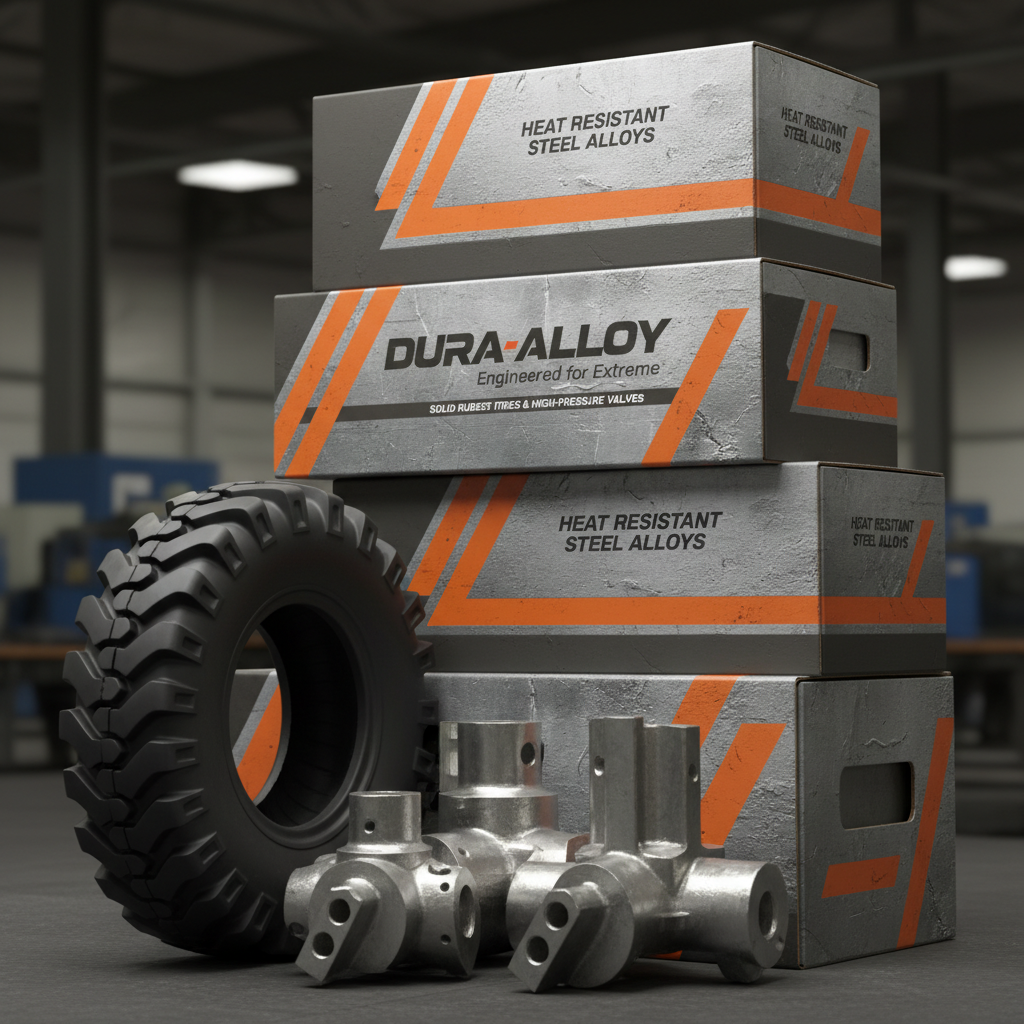
In the demanding world of heavy industrial manufacturing, the ability of materials to withstand extreme temperatures without losing structural integrity is paramount. heat resistant steel alloys represent a critical advancement in metallurgy, specifically engineered to maintain high mechanical strength and resist oxidation in environments where standard carbon steels would fail. For industries dealing with molten metals, high-pressure steam, or combustion, these alloys are not just a preference but a fundamental requirement for operational safety.
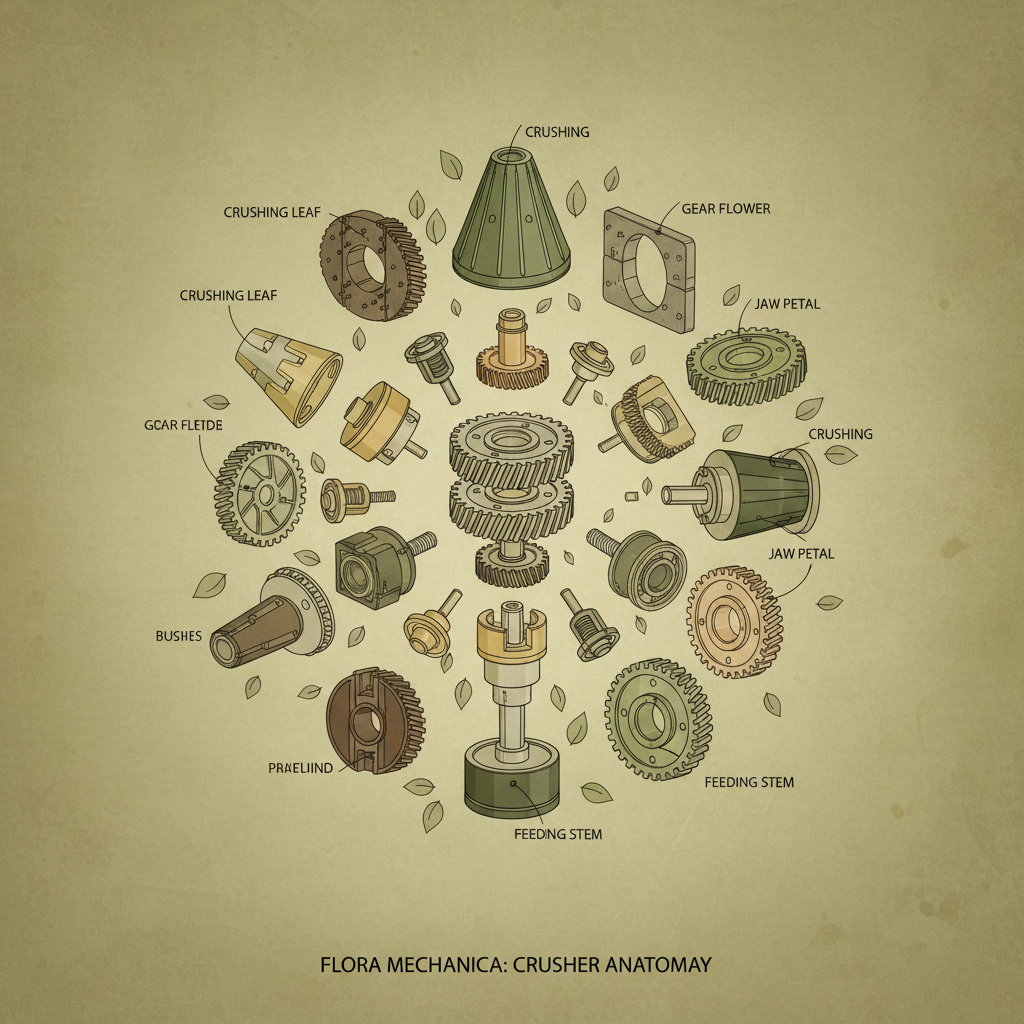
The global demand for these materials has surged as energy production and mineral processing move toward higher efficiency, which often requires increasing the operating temperatures of machinery. From the intricate components of a power plant to the rugged Mechanical Parts Of Mine Crusher, the integration of specialized alloys ensures that equipment can handle the thermal stress of continuous operation. Understanding the chemistry and application of these steels is essential for any engineer looking to minimize downtime and maximize asset lifespan.
Ultimately, the adoption of high-grade heat resistant steel alloys contributes to a more sustainable industrial ecosystem by reducing the frequency of part replacements and preventing catastrophic failures. By blending chromium, nickel, and other alloying elements, manufacturers can create materials that thrive in the heat, ensuring that the backbone of our global infrastructure—the casting and forging industry—continues to push the boundaries of what is possible in extreme environments.
The Global Importance of Heat Resistant Steel Alloys
On a global scale, the reliance on heat resistant steel alloys is deeply tied to the efficiency of energy production and heavy manufacturing. According to ISO standards and industry benchmarks, the transition toward higher temperature processing is necessary to lower carbon emissions and increase the yield of chemical and metallurgical reactions. Without these alloys, the internal components of turbines, boilers, and furnace linings would succumb to creep—the slow deformation of material under stress at high temperatures—leading to catastrophic systemic failure.
The challenge facing the industry today is the delicate balance between material cost and thermal endurance. As the World Bank and other economic bodies highlight the push for industrial modernization in developing regions, the need for durable, high-performance casting materials has never been greater. By implementing advanced alloying techniques, manufacturers can ensure that critical infrastructure remains operational in the harshest climates and the most intense industrial heat, safeguarding both human lives and economic stability.
Defining Heat Resistant Steel Alloys in Modern Industry
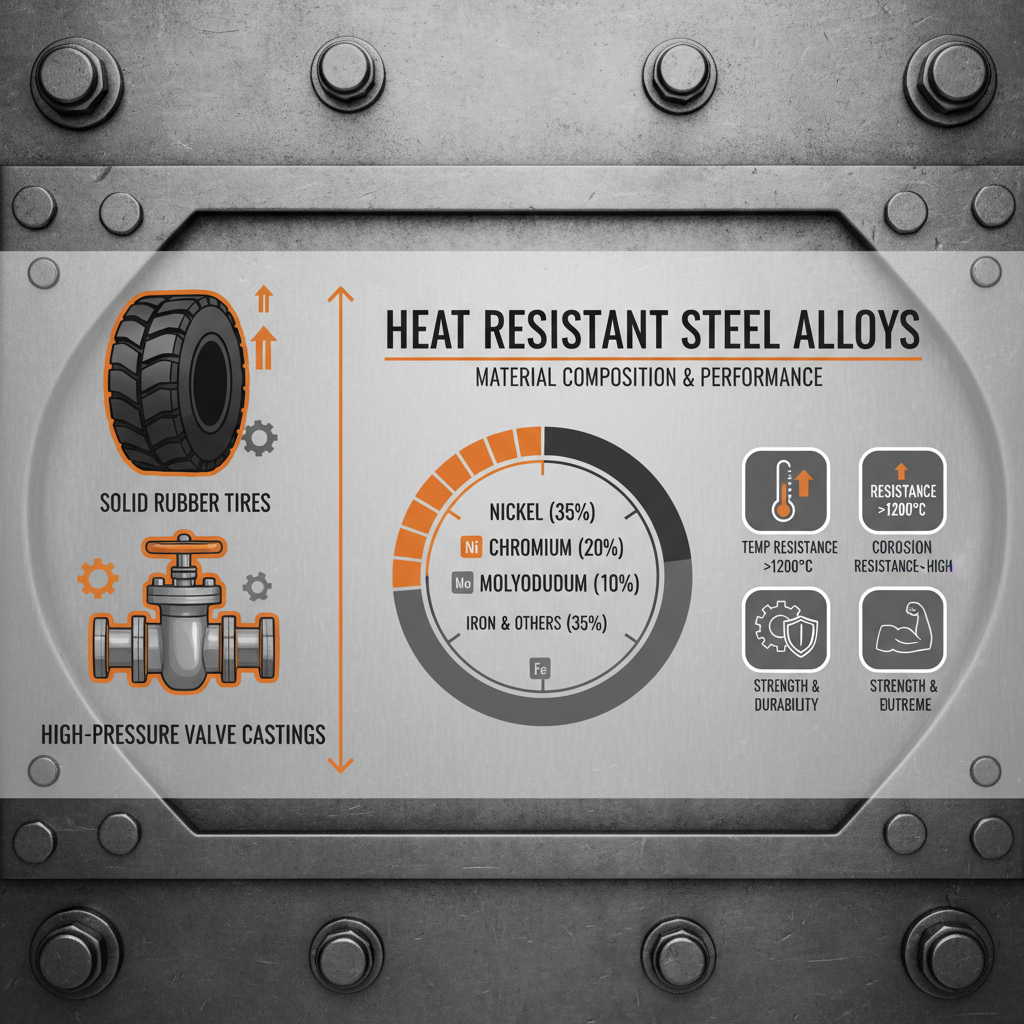
In simple terms, heat resistant steel alloys are specialized steels designed to maintain their strength, hardness, and resistance to oxidation when exposed to high temperatures for extended periods. Unlike standard steels that soften or scale (rust) rapidly when heated, these alloys utilize a precise chemistry—often incorporating high percentages of chromium, nickel, and molybdenum—to create a protective oxide layer on the surface that prevents further degradation.
From a humanitarian and industrial perspective, these materials are the unsung heroes of modern life. They enable the creation of high-efficiency power plants that provide electricity to millions and support the production of essential chemicals and fertilizers. In the context of mining, these alloys are used to create Mechanical Parts Of Mine Crusher that can withstand the friction-induced heat of crushing ore, ensuring that the raw materials for the digital age—like cobalt and lithium—can be extracted reliably.
Modern industry defines these alloys not just by their melting point, but by their "service temperature." This is the maximum temperature at which the alloy can operate without significant loss of mechanical properties. By engineering materials with higher service temperatures, we can push the boundaries of thermodynamics, making industrial processes leaner, faster, and significantly more energy-efficient.
Core Components for Thermal Stability
The effectiveness of heat resistant steel alloys depends on several core metallurgical factors. First is Oxidation Resistance, primarily achieved through chromium additions. When chromium reacts with oxygen, it forms a stable, adherent layer of chromium oxide that shields the underlying metal from further attack, a process vital for any component exposed to combustion gases.
Another critical aspect is Creep Strength. In the world of heat resistant steel alloys, creep is the enemy. By adding elements like molybdenum and tungsten, engineers can stabilize the grain structure of the steel, preventing the atoms from sliding past each other under high heat and pressure, which ensures the part maintains its original dimensions over thousands of hours of use.
Finally, Thermal Fatigue Resistance is essential for parts that undergo frequent heating and cooling cycles. The coefficient of thermal expansion must be carefully controlled to prevent the material from cracking due to internal stresses. This scalability in performance allows these alloys to be used in everything from small valve seats to massive furnace doors, providing a versatile solution for the broadest range of thermal challenges.
Technical Performance Metrics and Efficiency
Measuring the success of heat resistant steel alloys requires a data-driven approach. Engineers evaluate these materials based on their tensile strength at temperature, their rate of oxidation per thousand hours, and their resistance to thermal shock. When comparing different grades of alloys, the goal is to find the "sweet spot" where the cost of the raw materials aligns with the required lifespan of the part.
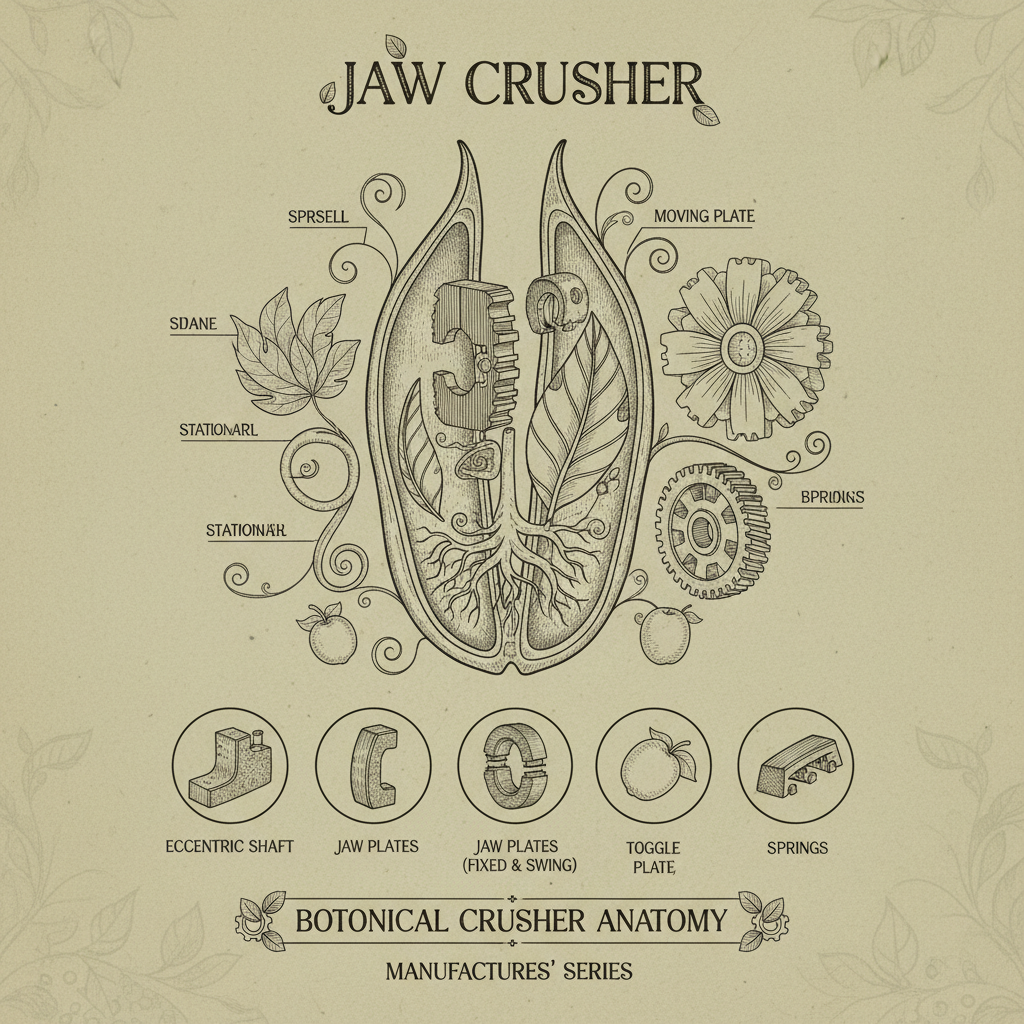
For instance, in the manufacturing of Mechanical Parts Of Mine Crusher, the priority is often a blend of hardness and heat resistance to prevent the crushing surfaces from warping during high-friction operations. The following data illustrates how different alloy compositions perform across these critical metrics.
Comparative Performance of Heat Resistant Steel Alloys
Global Applications in Extreme Environments
The application of heat resistant steel alloys spans across the most grueling environments on Earth. In the aerospace industry, these alloys are utilized in jet engine exhaust systems where temperatures can reach levels that would melt ordinary steel. In the petrochemical sector, they are the primary material for cracking furnaces, where hydrocarbons are broken down at immense heat to produce plastics and fuels.
Furthermore, in remote industrial zones—such as the mining operations in the Andes or the Australian Outback—the use of these alloys in Mechanical Parts Of Mine Crusher is vital. In these locations, the cost of logistics for replacement parts is astronomical; therefore, using a material that lasts three times longer than standard steel significantly reduces the operational risk and overhead for mining corporations.
Long-Term Value and Economic Advantages
Investing in premium heat resistant steel alloys provides a logical and emotional return on investment. Logically, the reduction in downtime—often referred to as "unplanned outages"—saves companies millions of dollars in lost production. When a critical part fails in a furnace or a crusher, the entire production line halts, leading to a cascade of financial losses.
Beyond the balance sheet, there is the element of safety and trust. Using certified, high-performance alloys reduces the risk of explosive decompression or structural collapse in high-pressure, high-heat environments. This ensures the dignity and safety of the workforce, providing peace of mind to plant managers and operators who know that their equipment is built to the highest metallurgical standards.
Sustainability is the final piece of the value puzzle. By extending the lifecycle of industrial components, we reduce the amount of scrap metal generated and the energy required to smelt new parts. This shift toward longevity over disposability aligns with global green initiatives and the circular economy, making heat-resistant alloys a cornerstone of responsible industrial growth.
Future Innovations in Thermal Metallurgy
The future of heat resistant steel alloys is being shaped by the intersection of digital transformation and material science. We are seeing the rise of "Computational Materials Engineering," where AI is used to predict the exact alloy composition needed for a specific temperature and stress profile, eliminating the trial-and-error process of the past.
Another exciting trend is the integration of additive manufacturing (3D printing) with these alloys. Printing complex internal cooling channels directly into a heat-resistant part allows for more efficient thermal management, enabling the alloy to operate in environments even hotter than its native melting point by actively moving heat away from critical zones.
As we move toward a hydrogen economy, the demand for alloys that can resist "hydrogen embrittlement" at high temperatures will grow. The next generation of heat resistant steel alloys will not only fight heat and oxidation but will be chemically tailored to withstand the unique corrosive properties of clean energy fuels, ensuring a seamless transition to a sustainable future.
Analysis of Material Performance in Future Thermal Applications
| Alloy Generation |
Max Service Temp |
Oxidation Rate |
Sustainability Score |
| Traditional Cr-Steel |
600°C |
Moderate |
5/10 |
| Ni-Cr Superalloys |
900°C |
Low |
7/10 |
| Molybdenum-Infused |
800°C |
Very Low |
6/10 |
| AI-Optimized Alloy A |
1100°C |
Negligible |
9/10 |
| Hydrogen-Ready Steel |
1000°C |
Low |
10/10 |
| Nanostructured Alloy |
1200°C |
Negligible |
8/10 |
FAQS
While stainless steel is primarily designed for corrosion resistance at room or moderate temperatures, heat resistant steel alloys are specifically engineered to maintain mechanical strength and resist "creep" and oxidation at extremely high temperatures (often above 500°C). They contain higher concentrations of alloying elements like molybdenum, niobium, and tungsten to stabilize the metal's crystalline structure under thermal stress.
Choosing the right alloy depends on the operating temperature and the level of abrasion. For mine crusher parts, you need a balance of hardness to resist wear and thermal stability to prevent warping. We recommend analyzing the peak friction temperatures and the chemical composition of the ore to determine if a Chromium-base or a Nickel-Chromium alloy is more appropriate for your specific application.
Generally, heat resistant alloys require specialized welding procedures. Due to their unique chemistry, they can be prone to "hot cracking" if cooled too quickly or welded with incorrect filler metals. Pre-heating and post-weld heat treatment (PWHT) are often necessary to relieve internal stresses and ensure the joint maintains the same thermal properties as the parent metal.
Depending on the environment, switching from standard carbon or low-alloy steel to high-grade heat resistant alloys can increase the component's lifespan by 200% to 500%. In extreme heat applications, it can be the difference between a part failing every three months versus lasting two years, dramatically reducing the total cost of ownership.
Actually, they usually lower maintenance costs. While the initial purchase price of the alloy is higher, the reduced frequency of replacements and the elimination of emergency shutdown repairs result in a lower overall operational cost. The maintenance shifts from "reactive" (fixing broken parts) to "predictive" (scheduled inspections).
Always request a Mill Test Certificate (MTC). This document provides the exact chemical analysis of the heat and the results of mechanical tests (such as tensile and hardness tests). Additionally, looking for ISO 9001 certification from the manufacturer ensures that the casting process follows strict quality control protocols for heat resistant steel alloys.
Conclusion
In summary, heat resistant steel alloys are indispensable assets in the modern industrial landscape. By combining advanced chemistry with precision casting, these materials solve the critical problem of thermal degradation, allowing for higher efficiency in energy, mining, and chemical processing. From the core components of power plants to the rugged Mechanical Parts Of Mine Crusher, the long-term value of these alloys is found in their ability to guarantee safety, reduce downtime, and promote environmental sustainability.
Looking forward, the integration of AI-driven design and additive manufacturing will only further enhance the capabilities of these materials. For companies aiming to stay competitive in an era of increasing industrial intensity, investing in the highest grade of thermal metallurgy is not just a technical upgrade—it is a strategic imperative. We encourage you to evaluate your current equipment's thermal limits and explore how advanced alloys can optimize your production. Visit our website for professional casting solutions: www.dzmccasting.com