Look, after running around construction sites all year, you start to see some patterns. Everyone’s talking about prefabrication now, right? Modular everything. It’s not just a buzzword anymore; folks are actually doing it. But what’s really interesting is the shift towards higher-strength, lighter materials. They're chasing that strength-to-weight ratio, trying to get more bang for their buck, especially with lifting costs going through the roof. To be honest, it’s a scramble to keep up with demand.
And honestly, it's a good thing too. I saw a project in Shanghai last fall where they tried to cut corners on the steel… let’s just say it didn't end well. Anyway, I think that's why everyone's suddenly obsessed with traceability and material certifications. It's not just about meeting standards, it’s about proving you’re meeting them.
The Current Landscape of Crusher Parts
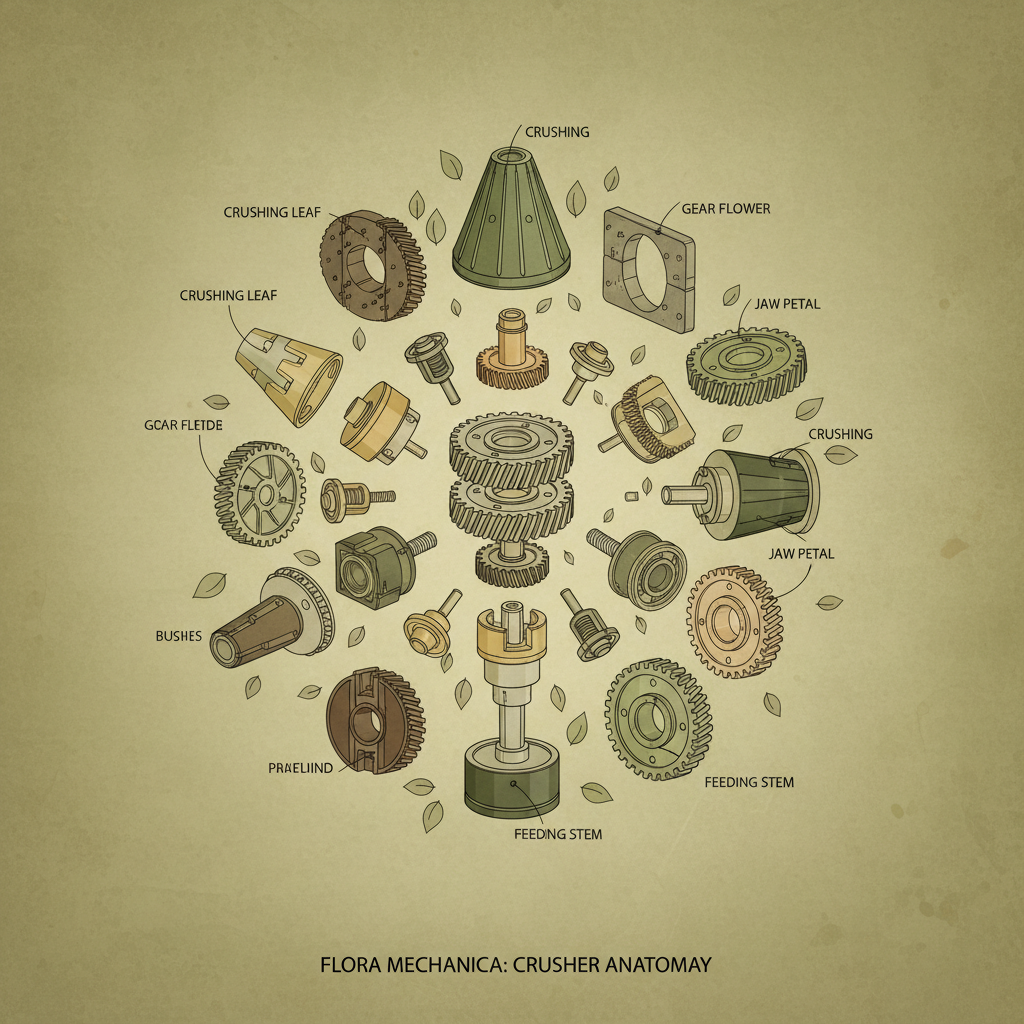
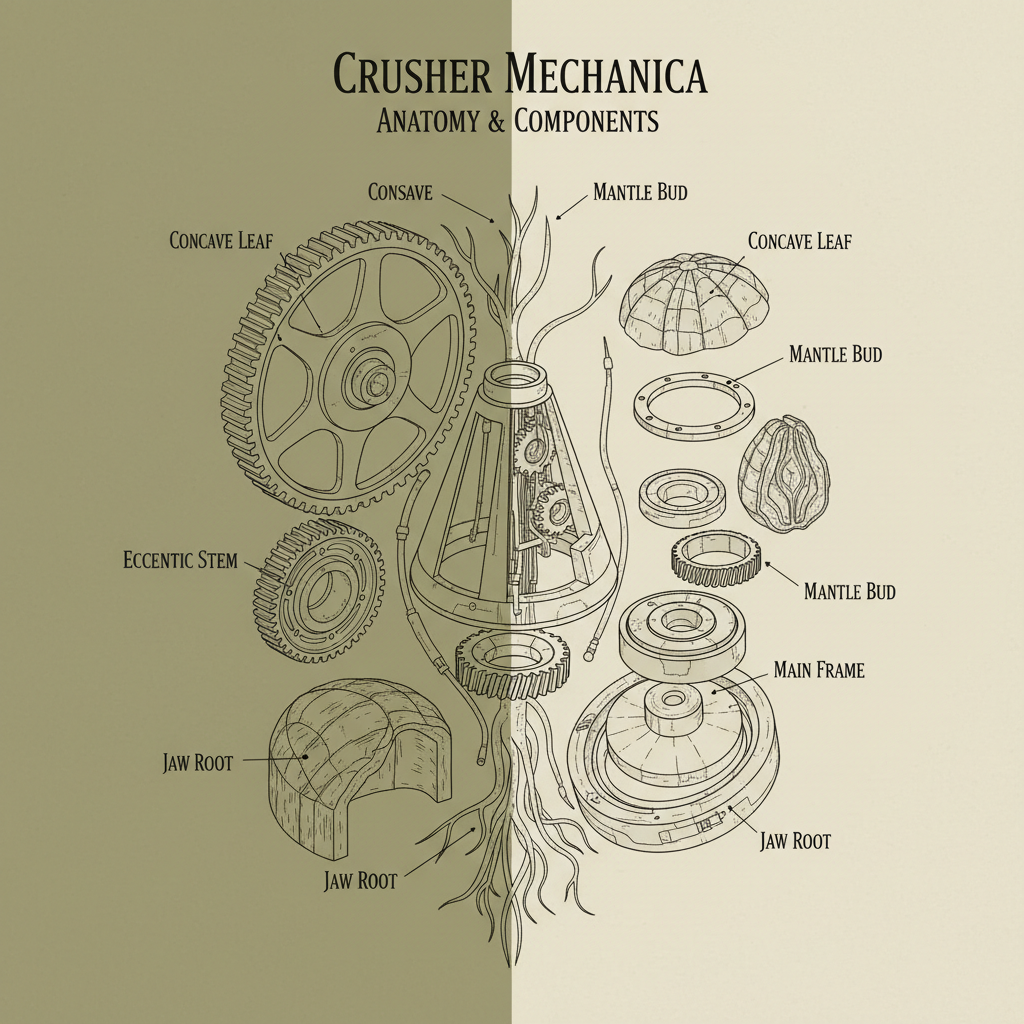
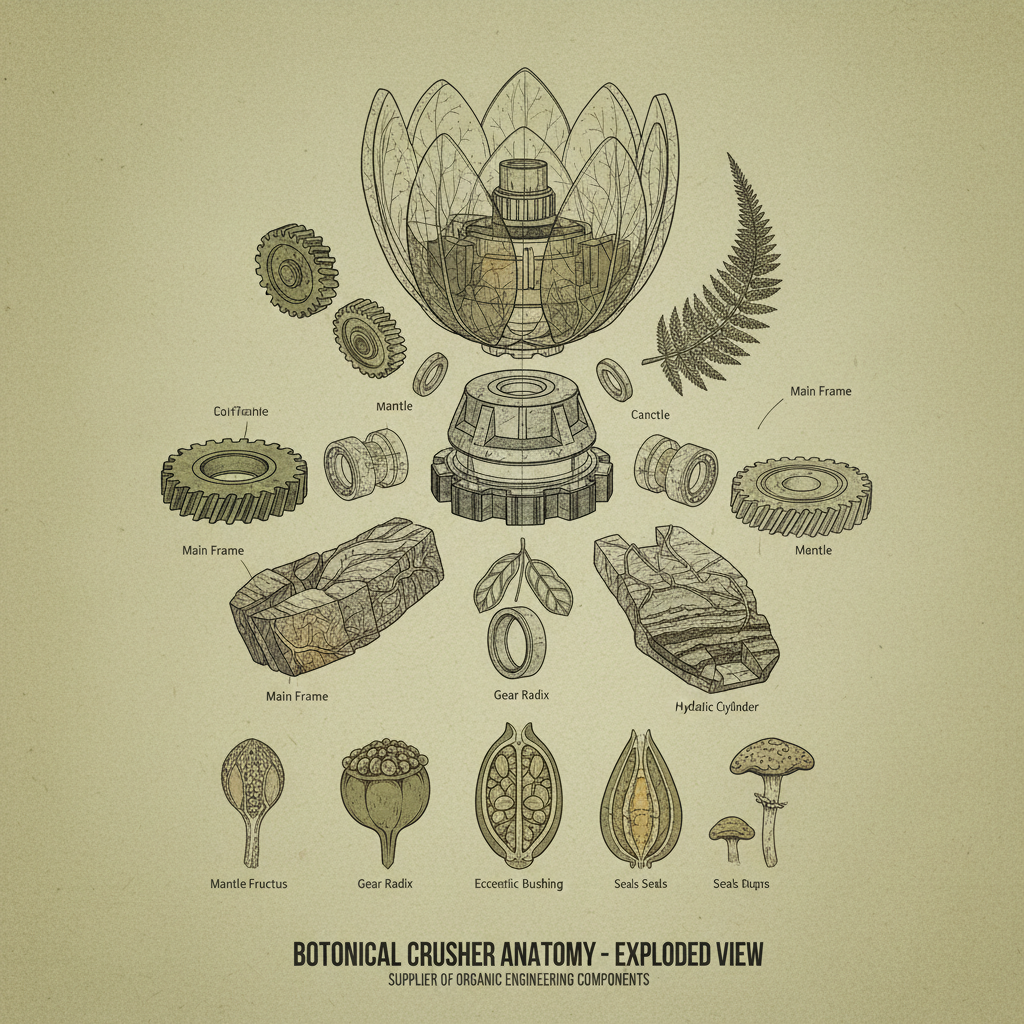
So, crusher parts, eh? Everyone wants longer life, less downtime. It’s the same story everywhere, really. But I’ve noticed, especially in the last couple of years, a huge push for wear-resistant materials. Manganese steel is still the workhorse, you know, that kind of grey, gritty stuff that smells faintly of oil when you machine it. But people are starting to experiment with alloys, ceramics, even tungsten carbide inserts in high-wear areas. Strangely enough, they're also asking for more modular designs. Easier swap-outs, they say. Fewer headaches for the maintenance crew.
You see, the big problem is the cost of downtime. If a crusher's down for even a few hours, it can throw the whole operation off schedule. That’s where a good crusher parts manufacturer comes in, providing fast delivery and reliable products.
Common Design Pitfalls
Now, design… that’s where things get tricky. Have you noticed how everyone designs for the ideal scenario? Perfect feed material, consistent operation, operators who actually read the manual. Yeah, right. I encountered this at a limestone quarry in Texas last time. The engineers had designed this beautiful, streamlined jaw crusher plate, all optimized for consistent impact. But the operator was feeding it oversized rocks, and the plate lasted about a week.
A common mistake is underestimating the stress concentration around mounting points. They get hammered, those spots. Another one is not accounting for material build-up. Wet material, sticky material… it all adds up, puts extra strain on everything.
And don't even get me started on dust seals. They always fail. Always. It's a constant battle, I tell ya.
Material Deep Dive
Let’s talk materials. Manganese steel, like I said, is king. It work-hardens. The more it gets beat up, the harder it gets. It’s amazing, really. But it's heavy. And it’s not great against abrasive materials like quartz. That's where you start looking at high-chromium alloys. They're tougher, more wear-resistant, but they’re also more brittle.
Then there's ceramics. Now, ceramics are fantastic for extreme abrasion resistance, but they're prone to cracking under impact. So, you use them as inserts, embedded in a tougher matrix. It’s all about finding the right balance. And honestly, sometimes you need to just get your hands dirty and feel the material. Does it feel right? Does it smell right? You develop a sense for it after a while. They tried sending us a shipment of steel from overseas last year that just… didn't feel right. Turned out it was under spec.
They also came up with new materials that I haven't heard about for quite some time.
Real-World Testing Protocols
Lab tests are fine, I guess. But nothing beats real-world testing. We actually set up a mini-crushing circuit at our facility. Feed it with different materials, vary the operating parameters, push it to the limit. It’s messy, it’s loud, but it gives you real data. Later… Forget it, I won’t mention the time the whole thing exploded.
We also send parts out to select customers for field trials. We need feedback from people who are actually using this stuff day in and day out. They’ll tell you what works and what doesn’t, and they won’t sugarcoat it.
Crusher Parts Wear Resistance Ratings
How Parts Are Actually Used
You wouldn't believe how people misuse these parts. They use jaw plates as makeshift ramps for loading trucks. They use screen media as patching material. They’ll improvise. It's amazing.
And the maintenance crews? They're not always following the procedures. They’re patching things up with whatever they have on hand. I've seen guys using welding rods to reinforce cracked parts. It’s not ideal, but it gets them through the day.
Advantages & Trade-offs
Higher-quality parts mean less downtime, that’s the bottom line. They also mean increased throughput, better product quality, and ultimately, more profit for the customer. But it comes at a cost. High-quality parts are expensive. There's no getting around that.
You’re trading upfront cost for long-term savings. The cheaper parts might seem appealing initially, but they'll wear out faster, leading to more frequent replacements and more downtime. The biggest disadvantage? The frustration. Dealing with constant breakdowns is a nightmare for everyone involved.
Customization Capabilities
We do a lot of customization. Last month, that small boss in Shenzhen who makes smart home devices insisted on changing the interface to for his mini-crusher. Said it was for “branding”. Cost him a fortune in tooling, but he was adamant.
We can modify the geometry of the parts, change the material composition, add wear-resistant coatings, whatever the customer needs. We can even create completely new designs from scratch. It’s not always easy, and it’s not always cheap, but we're willing to go the extra mile.
The trick is to understand the application. What’s the material being crushed? What are the operating conditions? What are the customer's priorities? Once you have that information, you can design a part that’s perfectly tailored to their needs.
Summary of Crusher Part Customization Options
| Modification Type |
Typical Application |
Complexity Level |
Estimated Lead Time |
| Material Change |
Handling Abrasive Materials |
Medium |
2-4 Weeks |
| Geometry Adjustment |
Optimizing Crushing Efficiency |
High |
4-8 Weeks |
| Coating Application |
Enhancing Wear Resistance |
Low |
1-2 Weeks |
| Interface Modification |
Specific Equipment Compatibility |
Medium |
3-6 Weeks |
| Custom Drilling/Threading |
Mounting Adaptations |
Low |
1 Week |
| Complete Redesign |
Unique Crushing Requirements |
Very High |
8+ Weeks |
FAQS
That’s a tough one, depends entirely on the application. Soft limestone? You might get a year or more. Granite? Maybe a few months. It’s all about the abrasiveness of the material and the operating conditions. Things like feed size, moisture content, and impact frequency all play a role. The operator's skill definitely impacts it too—some just beat the hell out of things.
That’s where we come in! We need to know what you’re crushing, the size distribution of the material, the moisture content, the operating conditions—all of it. The better the information you provide, the better we can recommend the right alloy. Don’t just guess. Get expert advice. It'll save you money in the long run.
Coatings can significantly extend the lifespan of crusher parts, especially in abrasive environments. They act as a barrier between the material and the base metal, reducing wear and tear. Things like tungsten carbide coatings are fantastic for extending the life of jaw plates and cone liners. But it is important to select the right coating for your application.
Absolutely. We specialize in customization. We can work with your drawings, or we can help you design a part from scratch. The key is clear communication and accurate measurements. The more detail you can provide, the better. We've handled everything from minor tweaks to complete redesigns.
We have a rigorous quality control process, starting with material sourcing and continuing through manufacturing and final inspection. We use non-destructive testing methods like ultrasonic testing and magnetic particle inspection to identify any defects. We also conduct hardness tests and dimensional checks to ensure that parts meet specifications. And we keep detailed records of everything.
Lead times vary depending on the complexity of the order and our current workload. Simple modifications can often be completed within a week or two. More complex designs can take several weeks or even months. We’ll provide you with a realistic estimate upfront. We prioritize clear communication throughout the process.
Conclusion
Ultimately, it all boils down to reliability. You can design the fanciest crusher in the world, use the most advanced materials, and implement the most sophisticated control systems. But if the parts aren't durable and readily available, it's all for nothing. It's about minimizing downtime, maximizing throughput, and keeping the operation running smoothly.
And let me tell you something: a worker will know the moment he tightens that last bolt whether that part is gonna hold or not. That’s the ultimate test. That's why we focus on quality, on responsiveness, and on building long-term relationships with our customers. Visit our website at dzmccasting.com to learn more.