Honestly, these days everyone's talking about prefabrication, modular builds… seen it all before, right? It comes and goes. But this time feels different. It’s not just about speed, it's about controlling quality, especially with labor getting harder to find. And the demand for higher strength, more durable materials? Through the roof.
It's funny, you spend months designing something perfect on a computer, then get to a site and… well, things change. Have you noticed how engineers always want things exactly to spec? That’s fine in theory, but in the real world, you’re dealing with uneven ground, wonky foundations, and guys who just want to get the job done. That’s where practical design shines.
And don’t even get me started on the materials. Everyone’s chasing the latest polymer blends, exotic alloys… I’m telling you, the feel of a good steel plate in your hands, the smell of the cutting oil… that’s what tells you it’s quality. We're using a lot of Q345B steel these days – it’s got a good balance of strength and weldability. It smells… well, like steel. You know the smell. And the newer high-strength concrete mixes? They’re easier to work with, less prone to cracking, but you gotta watch the curing time. Strangely, a lot of guys still don’t bother with proper curing, which leads to problems down the line.
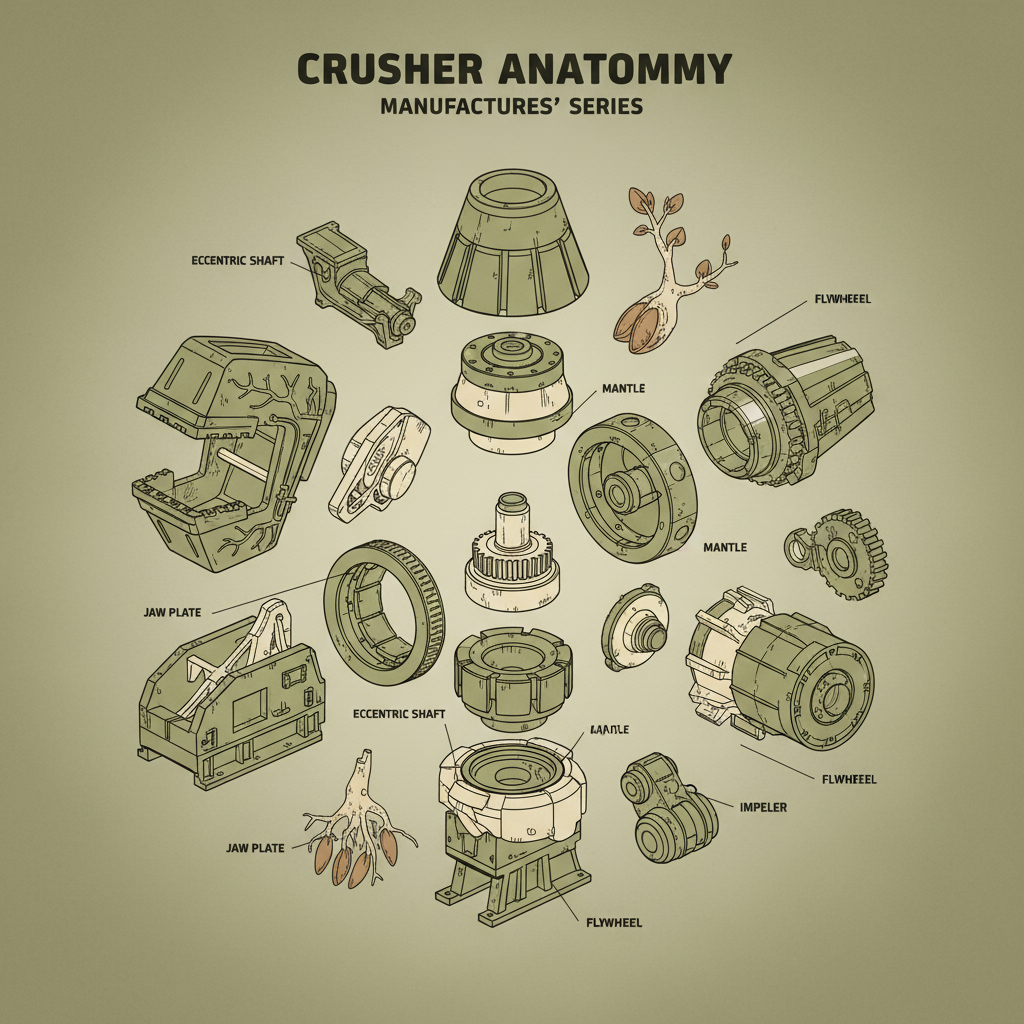
To be honest, the biggest trend I'm seeing is this push towards lighter, stronger components. Everyone wants to shave weight, reduce transportation costs, but they forget about the guy who’s gotta install the thing. I encountered this at a precast concrete factory last time - they'd designed these super-slim wall panels, looked great on paper, but they were a nightmare to maneuver into place.
A common design trap? Over-engineering. They add extra reinforcement, extra layers, thinking it makes it safer. Often, it just adds cost and complexity. Keep it simple, keep it robust, that's my motto.
Generally, it boils down to three things: improper installation, inadequate lubrication, and operating the crusher beyond its designed capacity. Guys try to push it too hard, skip maintenance, and then wonder why things break. It's like driving a car without changing the oil, eventually something's gonna give. Proper training and regular inspections are key, but you'd be surprised how often they're overlooked.
We work closely with our steel suppliers and require certifications for every batch. We also conduct our own independent testing, including tensile strength, yield strength, and impact testing. But honestly, you can't just rely on paperwork. You gotta know your supplier, trust their process, and be willing to walk away if something doesn't feel right. That's how I was taught, anyway.
Keep 'em clean, keep 'em dry, and keep 'em off the ground. Simple as that. Rust is the enemy. If you're storing them outdoors, cover them with a tarp. And for heavy components, use proper lifting equipment and slings. Don't just drag them around with a forklift—you'll damage the surfaces. I’ve seen it happen too many times.
Sometimes. It depends on the type of damage and the component itself. Small cracks can often be welded, but larger cracks or significant wear usually require replacement. Repairing parts can save money in the short term, but you gotta be careful. A poorly repaired part can fail catastrophically. It's a risk assessment, really.
It varies, but generally, it's around 4-6 weeks from design approval to delivery. That includes material procurement, manufacturing, and quality control. If it's a really complex part or requires specialized tooling, it can take longer. We always try to be upfront about lead times and manage expectations. Nobody likes surprises.
It's everything. Seriously. Regular inspections, lubrication, and timely replacement of worn parts can dramatically extend the lifespan of your crusher. It's like changing the oil in your car—you do it regularly, and your car will last longer. Neglect it, and you're looking at a major breakdown. Don’t cheap out on maintenance.
Ultimately, designing and building these parts is a mix of science and art. You can run all the simulations you want, use the best materials, and employ the latest manufacturing techniques, but the true test is how it performs in the field. It's about understanding the forces at play, anticipating potential problems, and building something that can withstand the punishment.
And, let’s be honest, whether this thing works or not, the worker will know the moment he tightens the screw. If it feels solid, if it fits right, if it just feels right, you're probably on the right track. Because in the end, it’s not just about specs and numbers, it’s about the feel of quality and a job well done.