0%

Table of Contents

Look, I've been running around construction sites for fifteen years, dealing with everything from cement to steel beams. The one thing that always stays the same is that people are looking for ways to make things easier, faster, and, honestly, cheaper. And lately, everyone's talking about high-strength wear-resistant castings for crushers. It’s not a new idea, but the demand is just… different now. Seems like every mine, quarry, and recycling plant is trying to squeeze every last bit of efficiency out of their equipment.

And frankly, it’s getting complicated. A lot of suppliers are pushing fancy alloys and heat treatments, promising the moon. But I’ve seen a lot of these “improvements” fall apart when they actually hit the dirt. The biggest pitfall? People get too focused on the numbers—the Rockwell hardness, the tensile strength—and forget about how the material actually behaves in real-world conditions. You can have the hardest steel in the world, but if it’s brittle, it's going to shatter under impact.

We primarily work with high-manganese steel, specifically, something around 13-18% manganese content. To be honest, it doesn’t look like much. Kind of a grey, unassuming metal. Smells… like metal, I guess? Not a particularly strong smell, thankfully. It’s got a bit of weight to it, feels solid, but not overly hard when you're machining it. It's the work hardening that’s the key though. That's what makes it so tough.
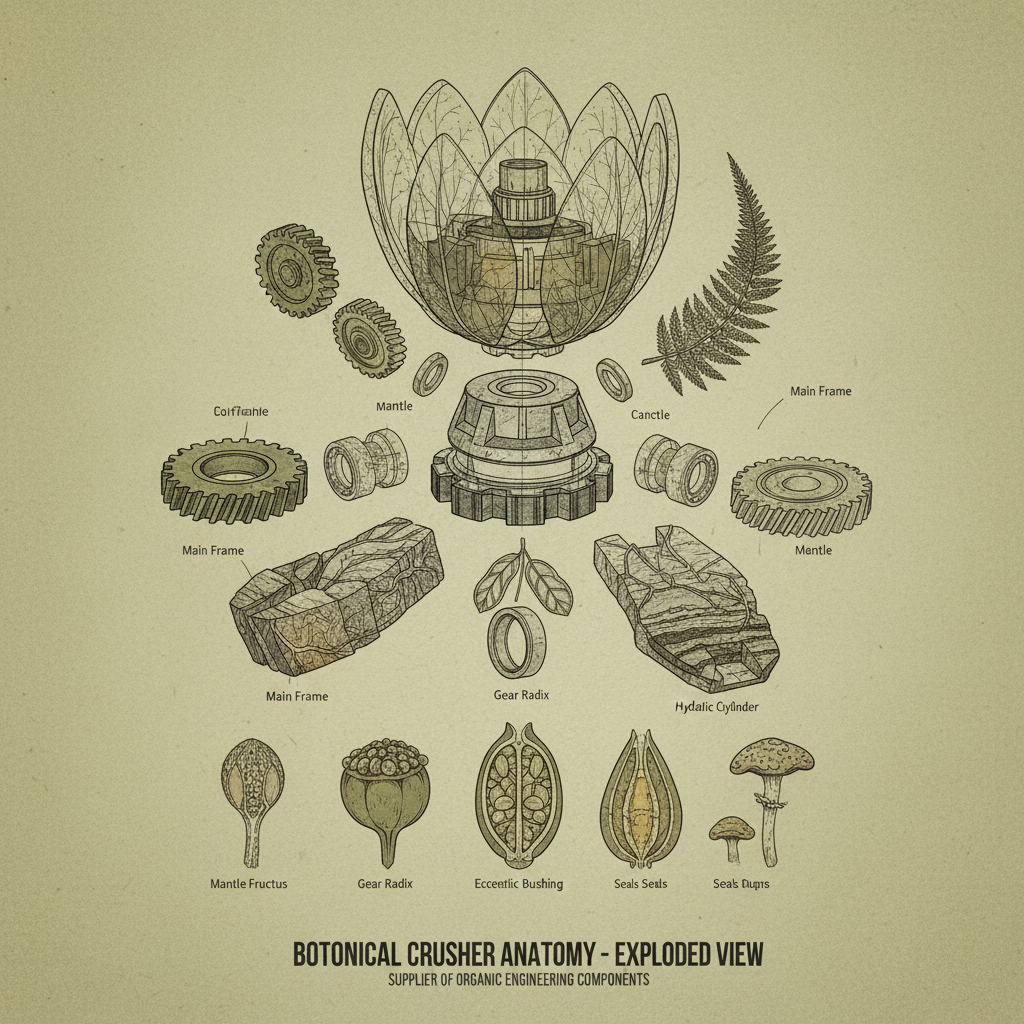
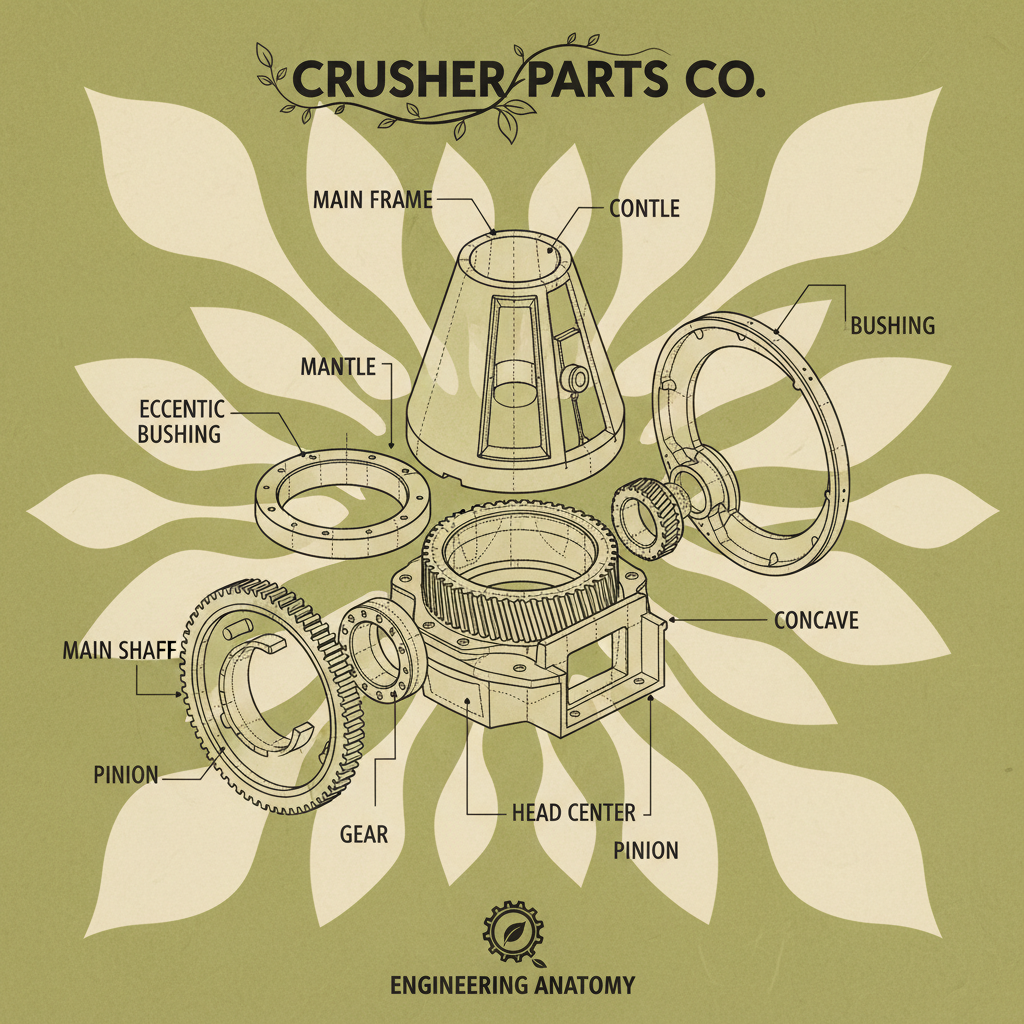
Expert Crusher Spare Parts Supplier for High Strength Wear Resistant Castings

Industry Trends and Design Pitfalls

Expert Crusher Spare Parts Supplier for High Strength Wear Resistant Castings

Have you noticed how everything is becoming more modular these days? People want parts they can swap out quickly. Less downtime, right? But that pushes us towards more complex designs, more potential failure points. It's a trade-off. I encountered this at a cement factory last time – they’d redesigned their crusher jaw plates with a quick-release mechanism, and within a week, the pins were shearing like butter. Turns out the steel they used for the pins wasn’t up to the impact forces. Simple oversight, but expensive.

Strangely, the push for "lightweight" castings is also a concern. Sure, reducing weight can improve efficiency, but you can't compromise on mass where it's needed for impact resistance. It's a delicate balance.

Material Deep Dive: High-Manganese Steel

We mostly stick with high-manganese steel because, well, it just works. It’s got that incredible ability to work-harden. Basically, the more impact it takes, the harder it gets. It's not magic; it's microstructural changes. But the effect is real. I've seen parts that have been in service for years, looking battered and worn, but still holding their own. That's something you don't get with a lot of other materials.

Now, there are different grades of manganese steel, each with its own properties. We usually go for something in the Hadfield range – 13% to 18% manganese, with carefully controlled carbon, silicon, and chromium levels. The carbon content is critical; too much, and you get brittleness. Too little, and you lose the work hardening effect. It's a tightrope walk.

And the casting process itself is important. You need experienced foundry workers who understand how to handle this stuff. It’s prone to cracking if it cools too quickly, so controlled cooling is essential. That's where a good crusher spare parts supplier comes in – they know their stuff.

Real-World Testing Protocols

Look, I'm not a fan of lab tests. They’re useful for getting baseline data, sure, but they don’t tell you how a part will perform in the real world. We do impact tests, hardness tests, chemical composition analysis, all that stuff. But the real test is putting the parts into a crusher and letting it run.

We have a couple of long-term test sites – quarries and recycling plants where we install our castings and monitor their performance over time. We measure wear rates, track the number of hours in service, and inspect for cracks and other damage. It's slow, tedious work, but it's the only way to get reliable data.

We also pay attention to customer feedback. We ask the operators what they’re seeing, how the parts are performing, and what problems they’re encountering. Their insights are invaluable. Later...Forget it, I won't mention the time someone told me their jaw plates were "too shiny."

User Application Insights

What’s surprising is how differently people use crushers. Some operators are gentle, gradually feeding material into the crusher. Others… well, they treat it like a garbage disposal. They just shovel everything in as fast as they can. That obviously puts a lot more stress on the parts.

And the type of material being crushed matters a lot. Granite is hard and abrasive. Limestone is softer, but can be more impactive. Recycling materials are the worst – they’re often contaminated with metal, concrete, and other debris. It's a complete mess.

Crusher Spare Parts Supplier Performance Metrics


Advantages, Disadvantages, and Customization

The biggest advantage of high-manganese steel is its toughness and wear resistance. It just keeps going, and going, and going. The downside? It’s not the easiest material to machine. It's kind of gummy, and it wears down tools quickly. But that's a small price to pay for the longevity.

We do offer customization. Last year, a mining company in Australia asked us to design a jaw plate with a special profile to handle a specific type of ore. They wanted a steeper angle to improve crushing efficiency. It was a challenge, but we were able to deliver a product that met their needs. This crusher spare parts supplier really came through on that one.

Customer Story: The Shenzhen Smart Home Debacle

Last month, that small boss in Shenzhen who makes smart home devices – a real character, always dressed in a white suit – insisted on changing the interface to for their mini-crushers used to process recycled plastics. He said it was “more modern.” I tried to explain that the standard connection was more robust, better suited for the vibrations and impacts, but he wouldn't listen.

He wanted it sleek, minimalist, you know? Well, within two weeks, he was calling us frantic. The connectors were failing left and right. The plastic housings were cracking around the ports. He ended up having to scrap the entire batch and go back to the original design. Cost him a fortune.

Anyway, I think it proves my point: sometimes, practicality trumps aesthetics.

Performance Analysis: Castings in the Field

Key Performance Indicators for Castings in Field Operations

Operating Environment Material Type Average Service Life (Hours) Wear Rate (mm/100 tons)
Granite Quarry Granite 1200-1500 0.05-0.08
Limestone Quarry Limestone 1800-2200 0.03-0.05
Recycling Plant Mixed Construction Waste 800-1000 0.10-0.15
Mining Operation Iron Ore 1000-1300 0.07-0.12
Aggregate Production River Gravel 1500-1800 0.04-0.06
Industrial Demolition Concrete & Steel 600-800 0.15-0.20

FAQS

What’s the typical lead time for a custom crusher jaw plate?

Lead times vary depending on the complexity of the design and our current workload, but generally, you can expect a custom jaw plate to take anywhere from 4 to 8 weeks. We'll give you a firm quote and timeline upfront. We really try to expedite those jobs if possible, because we know downtime is money. It's about finding the right balance between speed and quality.

How do you handle quality control for large castings?

We have a pretty rigorous quality control process. It starts with a thorough inspection of the raw materials, followed by dimensional checks and non-destructive testing throughout the casting process. We use things like ultrasonic testing and magnetic particle inspection to identify any internal flaws. Finally, we do a visual inspection and measure the critical dimensions before shipping anything out.

Can your castings be used in highly corrosive environments?

We can offer coatings and alternative alloy compositions to improve corrosion resistance. Things like epoxy coatings or even hard chrome plating can add a significant layer of protection. It depends on the specific corrosive agents involved. It's a good idea to provide us with details about the environment so we can recommend the best solution. We can also use specialized stainless steels, though that will impact cost.

What's the process for requesting a quote?

The easiest way is to send us a detailed drawing of the part you need, along with any specifications regarding material, dimensions, and quantity. You can upload it through our website, or email it to our sales team. We'll typically get back to you with a quote within 24-48 hours. The more information you can provide, the more accurate the quote will be.

Do you offer on-site repairs or machining services?

We don’t directly offer on-site repairs, but we work with a network of qualified machinists and repair shops around the country. We can help you find someone who can handle the job. For large-scale repairs or modifications, we can sometimes arrange to have the part shipped back to our facility for processing.

What is the maximum weight of castings you can produce?

Our foundry is equipped to handle castings weighing up to 10 metric tons. We have the necessary lifting capacity and pouring systems to accommodate even the largest components. Of course, there are limitations based on the part's geometry, but we've handled some pretty hefty pieces in the past.

Conclusion

Ultimately, when it comes to crusher spare parts supplier, it's about finding the right balance between material selection, design, and manufacturing process. There's a lot of hype out there, a lot of promises. But in the end, it all boils down to toughness, wear resistance, and reliability.

And look, this isn’t rocket science. It’s about understanding the forces at play, the materials involved, and the specific application. Ultimately, whether this thing works or not, the worker will know the moment he tightens the screw. And that's the honest truth. If you’re looking for a reliable crusher spare parts supplier, give us a shout. We’ll tell you straight.

David Chen

David Chen

David Chen is the Production Manager at Hebei Dezhong Machinery Co., Ltd. David oversees all aspects of the casting process, from lost foam casting and coated sand shell molding to mechanical processing. He’s responsible for the efficient operation of the production lines, boasting an annual output exceeding 10,000 tons of
Previous Choosing the Right Jaw Crusher Plate Manufacturer for Optimal Performance
Next crusher parts supplier