You know, I've been running around construction sites all year, dealing with dust and mud, and honestly, the biggest trend I’ve seen lately is everyone chasing higher strength and lighter weight. It’s a constant tug-of-war. Everybody wants it, but it's never as simple as it sounds. I saw a team trying to use a new type of polymer composite last quarter...well, let’s just say it didn’t hold up to the vibration from a pile driver.
Have you noticed how everyone is obsessed with tolerances? It's good, in theory, but the real world isn't a lab. A tenth of a millimeter difference on paper doesn’t mean squat when you're trying to fit something together in the rain with a rusty wrench. To be honest, I’ve seen more projects delayed by over-engineered precision than by actual material flaws.
And the materials themselves… oh boy. The quality control has gotten better, thankfully. I remember back in the day, you'd get a batch of steel that smelled like burnt tires and you just knew it wasn't right. Now, it’s mostly high-strength alloy steels – 4140, S355 – that stuff feels solid, you can tell just by the heft of it. We're using a lot more aluminum alloys too, especially the 6061 and 7075 series. They’re great for reducing weight, but denting… that’s always a concern. Strangely enough, some of the older, simpler carbon steels still find a place. Sometimes you just need something that bends before it breaks, you know?
Industry Trends and Design Pitfalls
I encountered this at a factory in Tianjin last time – they were trying to make a hydraulic cylinder casing entirely out of carbon fiber to save weight. Sounded great on paper, but they hadn’t factored in the thermal expansion. When it got hot in the sun, the seals started leaking. Seriously. Anyway, I think the biggest pitfall is designers getting too caught up in CAD models and forgetting about the actual process of making something. They design these beautiful, complex parts that are impossible to machine without a fortune in specialized tooling.
Another thing? Everyone’s going for modularity now. That’s fine, but it adds complexity. More connection points, more potential failure points. It’s like building with LEGOs – it looks good, but is it really as strong as a single, solid piece?
Material Choices: The Feel of the Steel
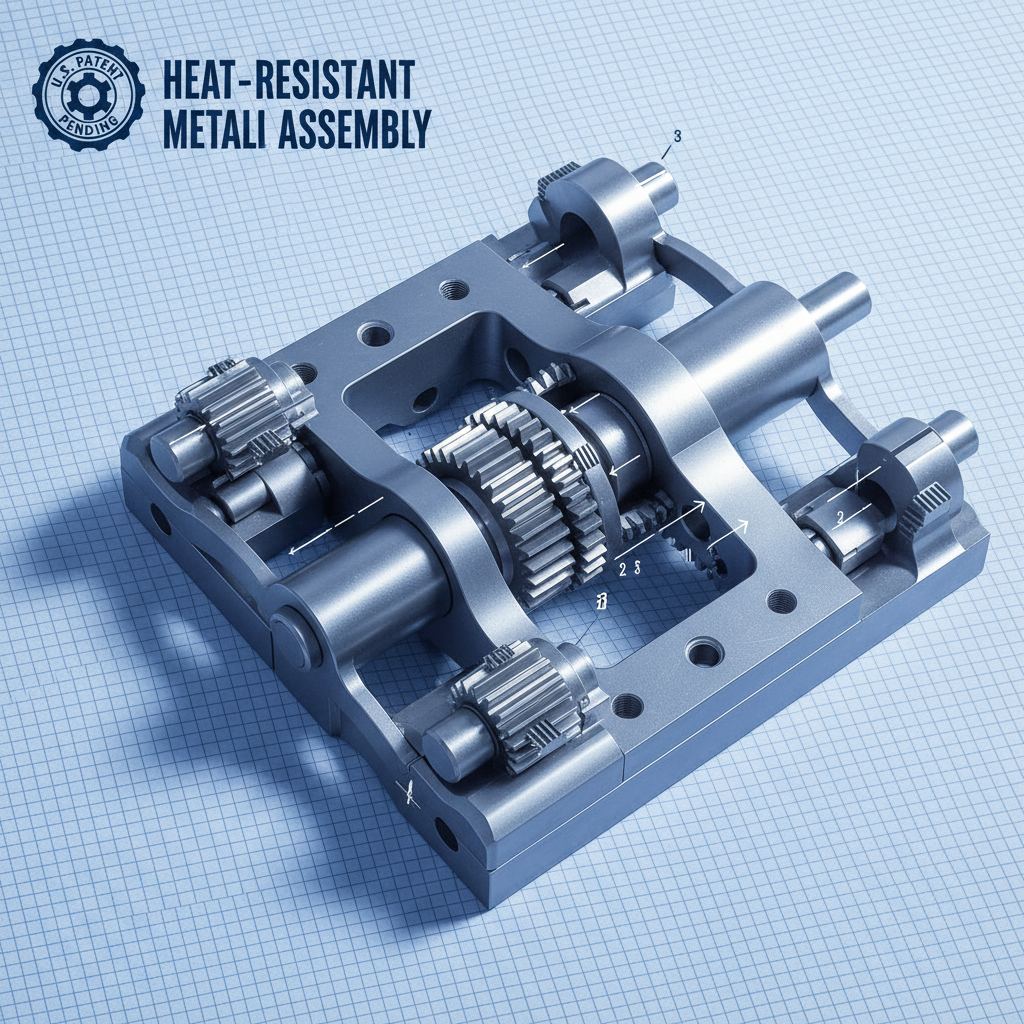
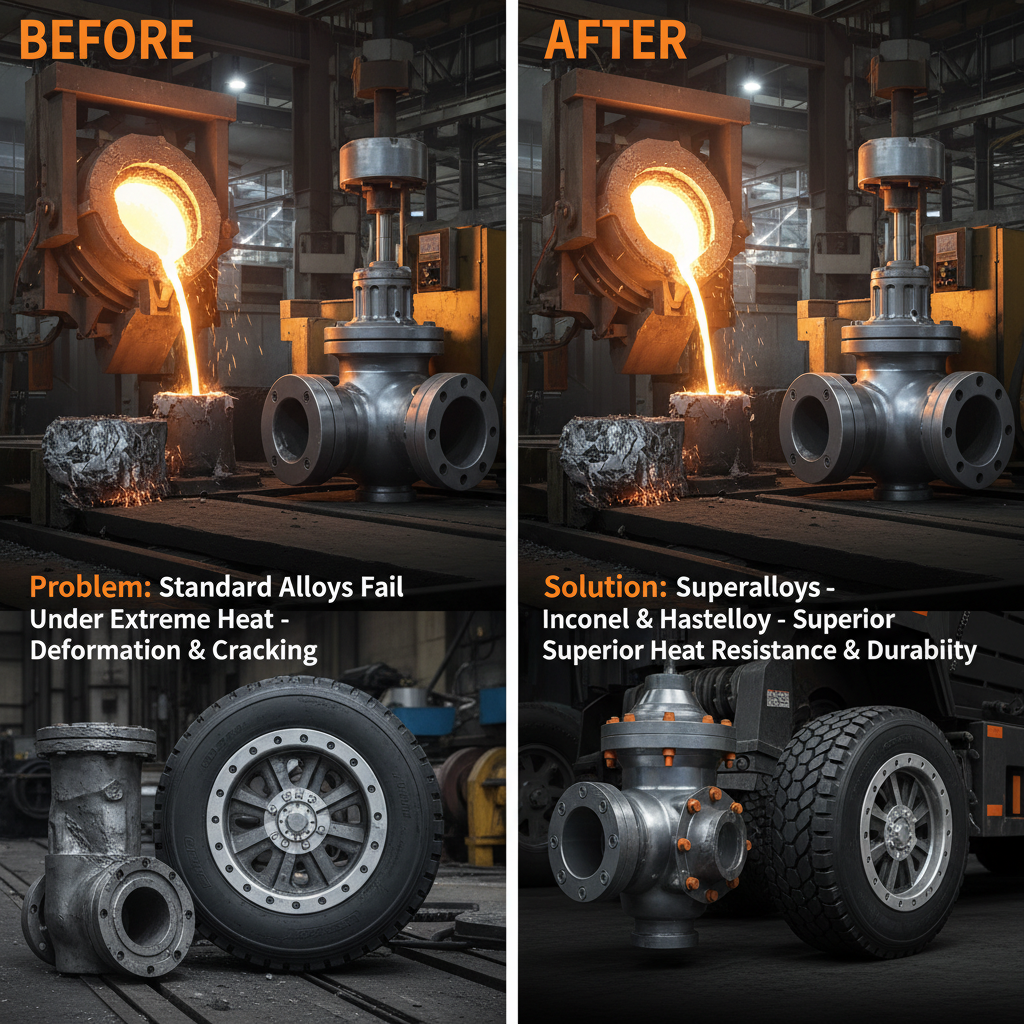
We're seeing a shift towards using more specialized alloys. It’s not just about steel anymore. We’re talking about nickel-based superalloys for high-temperature applications, titanium alloys for extreme strength-to-weight ratios, even some exotic stuff like beryllium copper for electrical contacts. But honestly, a lot of the time, good old-fashioned cast iron still does the job perfectly well, and it’s a fraction of the price.
The finish is important too. A rough surface finish can create stress concentrators, leading to fatigue cracks. We've had issues with parts failing prematurely because the surface hadn't been properly shot-peened or polished. It's subtle, but it matters.
And don't underestimate the importance of corrosion resistance. I’ve seen entire projects scrapped because the wrong type of steel was used in a corrosive environment. It’s a pain to deal with, especially when you’re working near the coast.
Real-World Testing: Beyond the Lab
Lab testing is fine, but it doesn't tell you everything. You need to see how things perform under real-world conditions. We do a lot of field testing – putting prototypes in actual machines, running them until they break, and then figuring out why they broke. It's messy, it's time-consuming, but it's the only way to get reliable data.
I remember once, we sent a new type of gear to a mining operation. The lab tests said it could handle a certain load, but within a week, they were finding metal fragments everywhere. Turns out the dust and grit in the mine were acting like an abrasive, wearing the gears down much faster than expected.
We also do a lot of vibration testing. Machines vibrate, and vibration is the enemy of everything. You need to make sure your parts can withstand the constant shaking and rattling without falling apart.
How Users Actually Use Things
This is where it gets interesting. You design something to be used a certain way, but users will always find a way to use it differently. I once designed a quick-release mechanism for a hydraulic hose. I thought it was foolproof. Turns out, the guys on the construction site were using it as a lever to pry things open. Bent every single one of them.
They're resourceful, those guys. Sometimes it’s ingenuity, sometimes it’s just… not what you expected. You’ve got to design with that in mind. Over-engineer the weak points, add safety factors, and accept that people aren’t always going to follow the instructions.
Engineering Machinery Parts Performance Metrics
Advantages and Disadvantages – A Realistic View
Look, everything has trade-offs. High strength usually means higher weight. Lightweight materials often mean lower durability. There's no magic bullet. It’s about finding the right balance for the application. And let’s be real, cost always plays a factor. You can design the most amazing part in the world, but if it costs a fortune to manufacture, nobody’s going to buy it.
The advantages are obvious: improved efficiency, increased productivity, reduced downtime. But the disadvantages are often overlooked: increased complexity, higher maintenance costs, the risk of premature failure. You gotta weigh it all up.
Customization and Specific Cases
We do a lot of customization. Every project is different, and sometimes you need a part that’s specifically tailored to the application. Last month, a customer needed a special type of hydraulic fitting that could withstand extremely high pressures and temperatures. They wanted it with a specific type of coating to prevent corrosion. It wasn’t off-the-shelf, but we were able to work with the manufacturer to get it made.
It’s not always easy, and it usually adds to the cost, but sometimes it’s the only way to get the job done. And let me tell you, dealing with customs regulations when you’re importing specialized parts…that’s a whole other headache.
But that flexibility is key. If you’re offering just standard parts, you’re missing out on a huge chunk of the market.
The Worker’s Verdict: A Customer Story & Final Thoughts
Last month, that small boss in Shenzhen who makes smart home devices insisted on changing the interface to on a batch of motor controllers. He was convinced it was the future. I tried to tell him, “Look, these guys are using this in dusty factories, a USB-C connector is gonna get wrecked in a week!” But he wouldn't listen. Sure enough, within a month, he was calling me up, complaining that half the units were failing. Had to switch back to the old, bulky connector. Lesson learned, I guess.
Anyway, I think the biggest challenge is keeping up with the pace of innovation. New materials, new processes, new technologies… it’s a constant learning curve. And you gotta remember, at the end of the day…
Ultimately, whether this thing works or not, the worker will know the moment he tightens the screw.
Summary of Key Material Properties for Engineering Machinery Parts
| Material Type |
Strength (MPa) |
Weight Density (g/cm³) |
Corrosion Resistance (1-5) |
| High-Strength Alloy Steel (4140) |
950-1100 |
7.85 |
3 |
| Aluminum Alloy (6061) |
276 |
2.7 |
4 |
| Cast Iron (Gray) |
200-300 |
7.2 |
2 |
| Stainless Steel (304) |
480-620 |
8.0 |
5 |
| Titanium Alloy (Ti-6Al-4V) |
895-1030 |
4.43 |
4 |
| Beryllium Copper |
300-450 |
8.2 |
3 |
FAQS
Lead times for custom parts vary greatly depending on the complexity of the design, the materials used, and the current workload of the manufacturer. Generally, you can expect a lead time of 4-8 weeks for simpler parts, and 8-16 weeks or more for more complex ones. It's always best to get a quote and timeline from the manufacturer upfront to avoid surprises.
Quality control is paramount. We work with manufacturers who have robust quality management systems in place, including ISO 9001 certification. This usually involves thorough material testing, dimensional inspections, and non-destructive testing methods like ultrasonic or radiographic inspection. We also conduct our own quality checks before shipping the parts to our customers.
A wide range of finishes are available, depending on the application and the material. These include powder coating, painting, anodizing (for aluminum), galvanizing (for steel), plating (chrome, nickel, zinc), and passivation (for stainless steel). The choice of finish depends on factors such as corrosion resistance, wear resistance, and aesthetic requirements.
Absolutely. We have a team of experienced engineers who can assist with design for manufacturability, material selection, and other engineering challenges. We can review your drawings, offer suggestions for optimization, and help you ensure that your parts are designed to meet your specific requirements. We don't just sell parts; we provide solutions.
We prefer to receive quotes in standard CAD formats such as STEP, IGES, SolidWorks, AutoCAD, and Pro/Engineer. PDF drawings are also acceptable, but they may require additional processing time. The more detailed and accurate the drawings are, the faster and more accurate the quote will be.
Minimum order quantities (MOQs) vary depending on the part and the manufacturing process. For some standard parts, we may have no MOQ. For custom parts, the MOQ is often determined by the setup costs involved in the manufacturing process. We're always willing to discuss your specific needs and try to accommodate smaller order quantities whenever possible.
Conclusion
So, that’s the gist of it. We're seeing a constant push for higher performance, lighter weight, and greater efficiency in engineering machinery parts. Material science is evolving, manufacturing processes are becoming more sophisticated, and users are always finding new ways to push the limits. It's a challenging field, but it's also incredibly rewarding.
The key is to stay informed, embrace innovation, and never forget the importance of real-world testing and user feedback. Don’t get lost in the fancy simulations. If you want to know if a part will work, get it out on a job site and see what happens. If you’re looking for reliable engineering machinery parts, or need help with a custom project, visit our website: www.dzmccasting.com