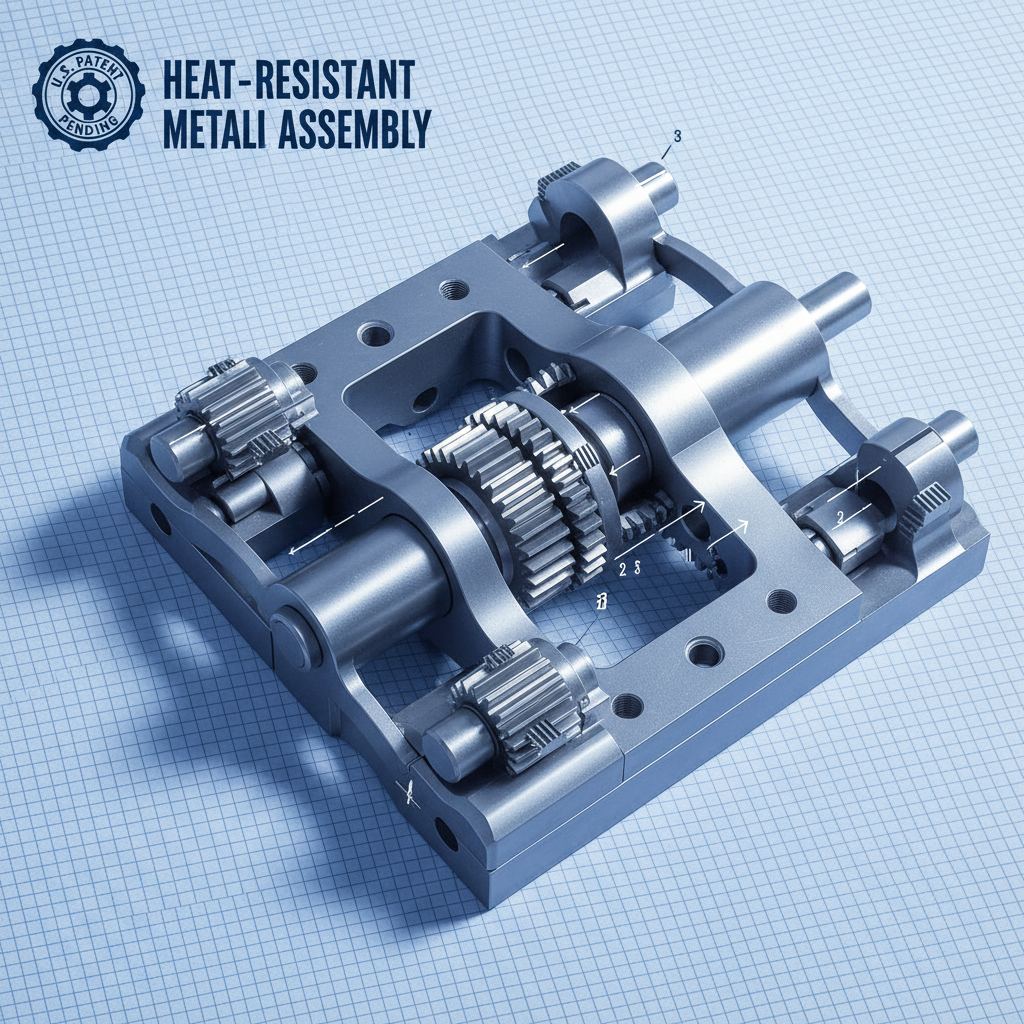
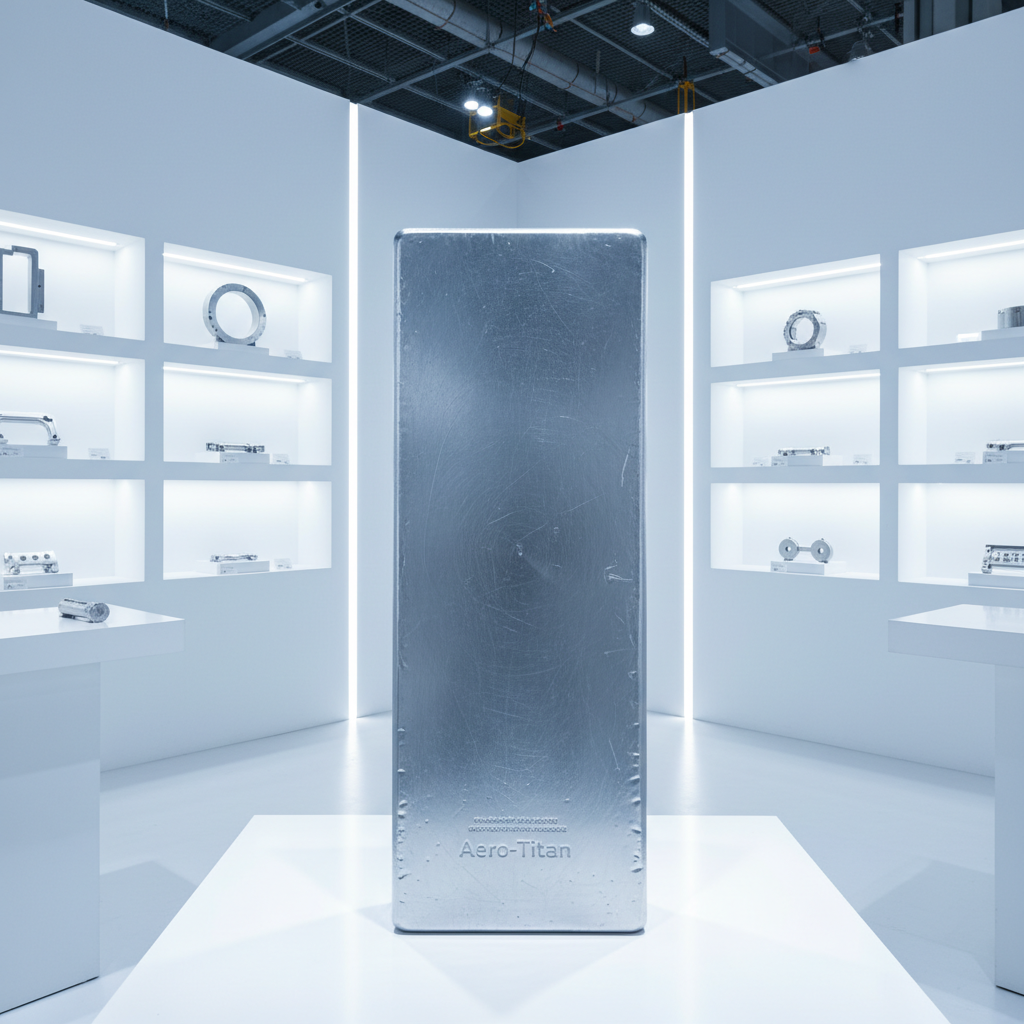
Heat proof metal, encompassing alloys and ceramics designed to withstand extremely high temperatures, is increasingly vital in modern industrial processes and emerging technologies. From aerospace engineering to advanced manufacturing and energy production, the demand for materials that maintain structural integrity and functionality at elevated temperatures continues to grow. This need is driven by a pursuit of greater efficiency, enhanced safety, and innovative applications where conventional materials simply fail.
Globally, the market for high-temperature materials is projected to experience substantial growth, fuelled by investments in renewable energy sources like concentrated solar power and advanced gas turbine technology. The United Nations Sustainable Development Goals (SDGs), particularly those related to affordable and clean energy (SDG 7) and industry, innovation, and infrastructure (SDG 9), indirectly rely on advancements in heat proof metal to realize their objectives. The World Bank also recognizes the importance of material science in driving economic development and creating more resilient infrastructure.
Understanding the properties, applications, and future trends of heat proof metal is crucial for engineers, researchers, policymakers, and businesses alike. It’s not just about materials science; it's about enabling progress across numerous sectors and tackling some of the world’s most pressing challenges, from improving energy efficiency to ensuring the safety of critical infrastructure.
The Importance of Heat Proof Metal
The critical role of heat proof metal extends far beyond simply resisting high temperatures. It’s a foundational element in developing technologies that drive efficiency and sustainability. Without these advanced materials, advancements in fields like aerospace, power generation, and chemical processing would be severely limited, potentially hindering our ability to meet growing energy demands and reduce environmental impact.
The ability to reliably operate at extreme temperatures directly translates into improved performance and extended lifecycles for critical components. This reduces maintenance costs, minimizes downtime, and ultimately enhances the overall economic viability of various industrial operations. Investing in and understanding heat proof metal is therefore a strategic imperative for both public and private sectors.
Defining Heat Proof Metal
Heat proof metal isn’t a single substance but rather a category of materials engineered to retain their mechanical strength, corrosion resistance, and other essential properties when exposed to high temperatures – often exceeding the capabilities of conventional steels and alloys. This typically involves utilizing refractory metals like tungsten, molybdenum, tantalum, and niobium, or high-performance alloys containing nickel, cobalt, and chromium. Ceramic materials, such as silicon carbide and alumina, also play a significant role in heat proof metal applications.
The term ‘heat proof’ itself is somewhat of a misnomer; all materials will eventually succumb to thermal degradation at sufficiently high temperatures. However, heat proof metal refers to materials with exceptionally high melting points and resistance to creep, oxidation, and thermal fatigue, allowing them to function effectively in demanding, high-temperature environments.
This capability is crucial not only in industrial settings but also in humanitarian applications like disaster relief and remote infrastructure projects where reliable, durable materials are paramount. The development of new heat proof metal alloys is directly linked to advances in both materials science and manufacturing technologies.
Core Characteristics of Heat Proof Metal
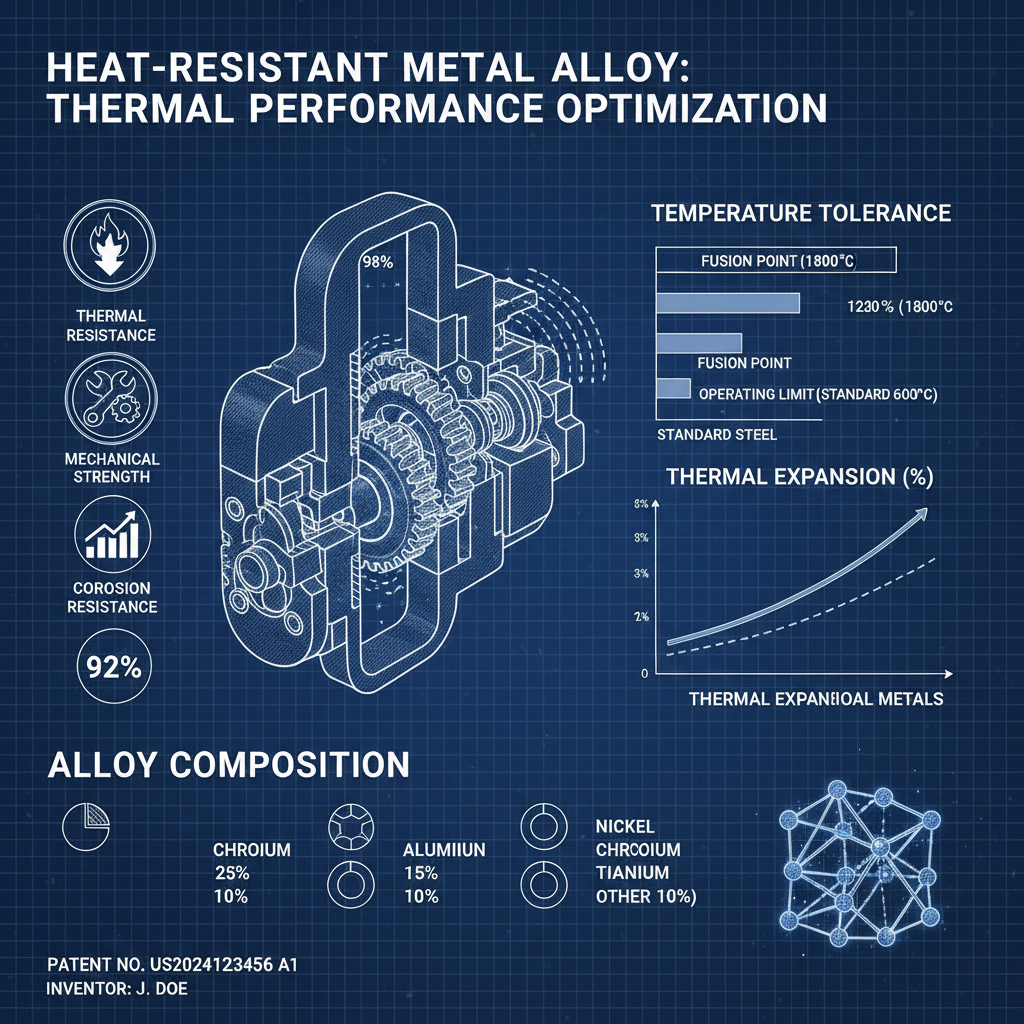
Several key characteristics define the performance of heat proof metal. First, and most obviously, is its high melting point – often exceeding 2000°C for refractory metals. This allows it to withstand extremely high temperatures without undergoing phase changes or significant structural deformation. Second, excellent creep resistance is essential to prevent slow deformation under sustained stress at elevated temperatures.
Third, resistance to oxidation and corrosion is critical, as many high-temperature environments are also highly reactive. Protective coatings and alloying elements are often employed to mitigate these effects. Fourth, thermal stability – the ability to maintain its properties over repeated heating and cooling cycles – is vital for applications involving thermal shock. Finally, the material’s toughness and resistance to fracture play a significant role in its overall reliability.
These characteristics are not mutually exclusive; often, achieving high performance in one area requires trade-offs in others. Material scientists and engineers continually strive to optimize these properties through advanced alloying techniques, processing methods, and surface treatments to create heat proof metal solutions tailored to specific applications.
Practical Applications of Heat Proof Metal
The versatility of heat proof metal makes it indispensable across a wide spectrum of industries. In aerospace, it’s used extensively in jet engine components, rocket nozzles, and thermal protection systems, allowing aircraft and spacecraft to withstand the extreme temperatures generated during flight. In the power generation sector, it's vital for gas turbine blades, combustion chambers, and heat exchangers, increasing efficiency and reducing emissions.
Chemical processing plants rely on heat proof metal for reactors, furnaces, and piping systems handling corrosive and high-temperature substances. Manufacturing industries utilize these materials in heat treatment furnaces, molds, and dies. Furthermore, they are increasingly incorporated into emerging technologies like concentrated solar power (CSP) systems, where they facilitate efficient heat transfer and energy storage.
Comparative Performance of Heat Proof Metal Alloys
Global Applications & Industries
The demand for heat proof metal is concentrated in industrialized nations with robust aerospace, energy, and manufacturing sectors, such as the United States, Germany, Japan, and China. However, its applications are increasingly prevalent in emerging economies experiencing rapid industrial growth, including India, Brazil, and Southeast Asian countries. In post-disaster relief operations, heat proof metal components in portable power generators and water purification systems are proving invaluable.
The aerospace industry represents a significant portion of the global market, with manufacturers like Boeing, Airbus, and Lockheed Martin continually seeking advanced materials for improved aircraft performance and fuel efficiency. The energy sector, driven by the transition to renewable sources, is another major consumer, particularly in the development of CSP plants and advanced gas turbines.
Advantages and Long-Term Value
Investing in heat proof metal offers a compelling combination of tangible and intangible benefits. Reduced maintenance and downtime due to increased component lifespan translate into significant cost savings over the long term. Enhanced efficiency in energy generation and industrial processes contributes to sustainability and reduces carbon emissions. The improved safety and reliability of critical infrastructure built with these materials provide peace of mind and protect valuable assets.
Beyond these practical advantages, heat proof metal fosters innovation, drives technological advancement, and strengthens a nation’s competitiveness in the global marketplace. Its role in enabling cutting-edge technologies and addressing critical societal challenges enhances trust and positions organizations as leaders in their respective fields.
Future Trends in Heat Proof Metal
The future of heat proof metal is intricately linked to advancements in materials science, nanotechnology, and digital manufacturing. Research is focused on developing new alloys with even higher melting points, improved creep resistance, and enhanced oxidation protection. Additive manufacturing (3D printing) is revolutionizing the fabrication of complex heat proof metal components, enabling customized designs and faster production times.
The integration of artificial intelligence (AI) and machine learning (ML) is accelerating materials discovery and optimization, allowing researchers to identify promising new alloy compositions and processing parameters. Furthermore, a growing emphasis on sustainability is driving the development of eco-friendly manufacturing processes and the exploration of recyclable heat proof metal materials.
These innovations will be crucial for supporting the continued growth of key industries and addressing emerging challenges in areas like fusion energy, hypersonic flight, and advanced materials for space exploration.
Summary of Challenges and Solutions in Heat Proof Metal Applications
| Challenge |
Material Limitations |
Manufacturing Complexity |
Potential Solutions |
| High Cost |
Rare and expensive elements |
Difficulties in machining and joining |
Alloy optimization, additive manufacturing |
| Oxidation Resistance |
Susceptibility to environmental degradation |
Coating application challenges |
Protective coatings, self-healing materials |
| Creep Deformation |
Limited high-temperature strength |
Complex stress distributions |
Grain boundary engineering, alloy strengthening |
| Thermal Fatigue |
Brittle fracture susceptibility |
Rapid temperature cycling |
Material toughening, optimized cooling strategies |
| Supply Chain Vulnerabilities |
Reliance on limited suppliers |
Geopolitical risks |
Diversified sourcing, domestic production |
| Quality Control |
Ensuring consistent material properties |
Non-destructive testing limitations |
Advanced inspection techniques, AI-driven analysis |
FAQS
Refractory metals, like tungsten and molybdenum, boast exceptionally high melting points but often lack ductility and are prone to oxidation. High-temperature alloys, typically nickel or cobalt-based, offer a better balance of strength, ductility, and oxidation resistance, making them suitable for more complex applications. The choice depends on the specific temperature, stress, and environmental conditions.
Additive manufacturing enables the creation of intricate geometries and customized designs that are difficult or impossible to achieve with traditional manufacturing methods. It also reduces material waste and allows for the integration of functionally graded materials, where the composition varies throughout the component to optimize performance. This is particularly valuable for applications requiring tailored thermal properties.
Common protective coatings include ceramic coatings like alumina (Al2O3) and zirconia (ZrO2), as well as MCrAlY coatings (where M represents nickel, cobalt, or iron). These coatings act as diffusion barriers, slowing down the oxidation process and protecting the underlying metal substrate. The choice of coating depends on the operating temperature, atmosphere, and desired coating lifespan.
Creep deformation, the slow and permanent deformation of a material under sustained stress at elevated temperatures, can significantly reduce the lifespan and reliability of heat proof metal components. Understanding and mitigating creep is crucial for ensuring structural integrity. Strategies include alloy strengthening, grain boundary engineering, and careful stress management in component design.
Sustainability concerns include the sourcing of raw materials, energy consumption during manufacturing, and the end-of-life recyclability of these materials. Efforts are focused on developing more sustainable manufacturing processes, utilizing recycled materials, and designing components for disassembly and reuse to minimize environmental impact.
AI and machine learning algorithms can analyze vast datasets of material properties and processing parameters to predict the performance of new alloy compositions. This accelerates the materials discovery process, reducing the time and cost associated with traditional trial-and-error methods. AI can also optimize manufacturing processes for improved material quality and performance.
Conclusion
In conclusion, heat proof metal represents a cornerstone of modern engineering and a critical enabler for numerous industries striving for greater efficiency, sustainability, and innovation. Its unique properties and diverse applications address challenges across aerospace, energy, manufacturing, and beyond. Understanding the core characteristics, current trends, and future possibilities of these materials is paramount for driving progress and tackling global challenges.
Continued investment in research and development, coupled with a commitment to sustainable manufacturing practices, will unlock the full potential of heat proof metal. We invite you to explore our extensive range of high-performance alloys and custom casting solutions at dzmccasting.com, where we are dedicated to providing tailored solutions to meet your most demanding heat proof metal requirements.