0%

Table of Contents

Heat resistant metal sheet are crucial components across a multitude of industries, safeguarding equipment and processes from extreme temperatures. Their increasing demand stems from the ever-growing need for materials capable of withstanding the rigors of modern applications, from aerospace engineering to industrial furnaces. Understanding the properties, applications, and future trends of these materials is essential for engineers, designers, and procurement specialists alike.

The global market for heat resistant metal sheet is experiencing significant growth, driven by factors such as increasing industrialization in emerging economies, advancements in high-temperature technologies, and stringent safety regulations. According to a recent report by the World Bank, investments in infrastructure and manufacturing sectors are projected to rise, directly impacting the demand for materials like heat resistant metal sheet. This underscores the importance of innovative and cost-effective solutions in this field.

Proper selection and implementation of a suitable heat resistant metal sheet can lead to enhanced operational efficiency, reduced maintenance costs, and improved safety protocols. Choosing the right alloy based on specific temperature requirements, environmental conditions, and load-bearing capacity is paramount for long-term success. heat resistant metal sheet are vital for a wide range of applications.
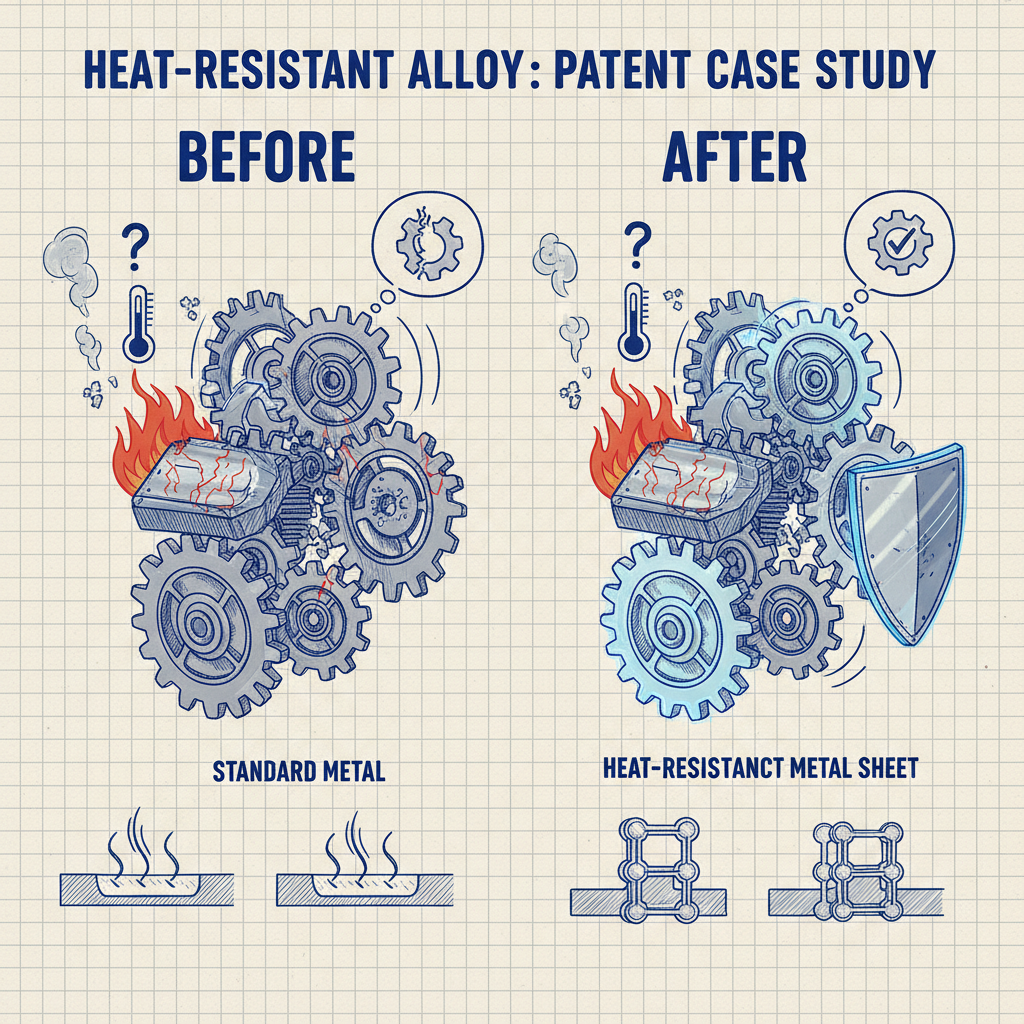
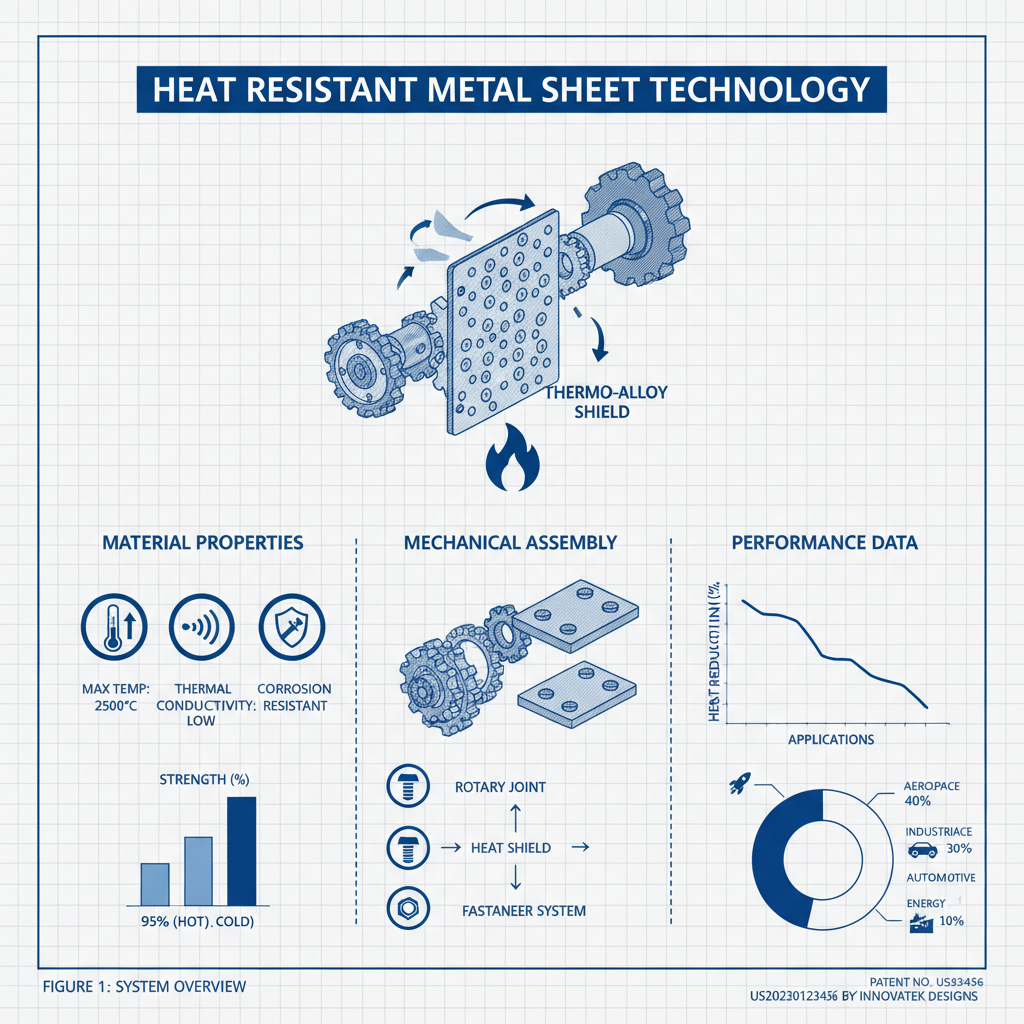
Advanced Heat Resistant Metal Sheet Solutions for Critical Industrial Applications

The Importance of Heat Resistant Metal Sheet

Advanced Heat Resistant Metal Sheet Solutions for Critical Industrial Applications

Heat resistant metal sheet play a critical role in industries where exposure to high temperatures is unavoidable. These materials aren’t merely about preventing physical deformation; they’re about maintaining structural integrity, ensuring operational safety, and extending the lifespan of critical components. Their ability to resist oxidation, creep, and thermal fatigue is paramount.

The demand for specialized heat resistant metal sheet is constantly evolving with advancements in technology. Materials are being engineered to withstand even more extreme conditions, such as those found in jet engines, fusion reactors, and advanced manufacturing processes. The continuous pursuit of better performance drives research and development in this field.

Global Context and Industrial Relevance

The increasing industrialization of nations like China, India, and Brazil has significantly heightened the demand for heat resistant metal sheet. These countries are investing heavily in infrastructure development and manufacturing sectors, creating a substantial need for materials that can withstand high-temperature environments. This global shift in manufacturing is a key driver of market growth.

ISO standards play a crucial role in ensuring the quality and reliability of heat resistant metal sheet. These standards provide a framework for testing, certification, and material selection, guaranteeing that products meet specific performance criteria. Adherence to these standards is essential for international trade and maintaining customer trust.

Furthermore, the aerospace industry’s constant drive for lighter and more durable materials necessitates the development of innovative heat resistant metal sheet alloys. From turbine blades to heat shields, these materials are critical for ensuring the safety and efficiency of air travel. heat resistant metal sheet are essential for modern aerospace.

Defining Heat Resistant Metal Sheet

Heat resistant metal sheet are specialized metallic materials engineered to maintain their mechanical strength and structural integrity at elevated temperatures. Unlike conventional metals, they exhibit minimal degradation in performance even when exposed to extreme heat, oxidation, and corrosive environments.

This capability is achieved through careful alloy design, incorporating elements that enhance resistance to creep, oxidation, and thermal fatigue. Common alloys include stainless steels, nickel-based superalloys, and refractory metals like molybdenum and tungsten. Their composition is carefully controlled to optimize performance under specific conditions.

The connection to modern industry and humanitarian needs is profound. In manufacturing, they enable high-temperature processes like heat treating and forging. In emergency situations, they can be used in protective gear and equipment designed for firefighters and rescue workers. Their versatility makes them indispensable in a wide range of applications.

Key Properties and Characteristics

Durability is perhaps the most crucial characteristic of heat resistant metal sheet. Their ability to withstand prolonged exposure to high temperatures without significant degradation ensures a long service life and reduces the need for frequent replacements. This translates into lower maintenance costs and increased operational efficiency.

Corrosion resistance is another vital property, especially in environments where the material is exposed to corrosive gases or liquids at high temperatures. Alloys like nickel-based superalloys are particularly well-suited for these applications, offering excellent resistance to oxidation and chemical attack.

Comparison of Heat Resistant Metal Sheet Properties


Applications Across Industries

In the aerospace industry, heat resistant metal sheet are indispensable for manufacturing turbine blades, exhaust nozzles, and other critical components that operate at extremely high temperatures. These materials enable more efficient and reliable jet engines.

The power generation sector relies heavily on these materials in gas turbines, coal-fired power plants, and waste incineration facilities. Protecting combustion chambers and heat exchangers from thermal stress and corrosion is crucial for maintaining plant efficiency and minimizing downtime.

Advantages and Long-Term Value

The cost-effectiveness of using heat resistant metal sheet often outweighs the initial investment. By reducing the frequency of replacements and minimizing downtime, these materials contribute to significant long-term savings. Increased operational efficiency further enhances their economic value.

From a sustainability perspective, these materials help reduce energy consumption by enabling more efficient processes. Their durability also minimizes waste, aligning with circular economy principles. The enhanced safety they provide also has significant social value.

Future Trends and Innovations

Ongoing research is focused on developing new alloys with even higher temperature capabilities and improved resistance to oxidation and creep. Additive manufacturing (3D printing) is emerging as a promising technique for creating complex geometries and customized heat resistant metal sheet components.

The integration of digital technologies, such as machine learning and artificial intelligence, is enabling more precise control over alloy composition and manufacturing processes. This leads to enhanced material properties and improved performance. heat resistant metal sheet are poised for innovation.

Furthermore, the growing emphasis on sustainability is driving the development of more eco-friendly manufacturing processes and the use of recycled materials in the production of heat resistant metal sheet. This aligns with the global push for a more circular economy.

FAQS

What factors determine the ideal heat resistant metal sheet for a specific application?

Selecting the right heat resistant metal sheet hinges on several factors. Temperature requirements are paramount, followed by the operational environment (corrosive, oxidizing, etc.). Load-bearing capacity, desired lifespan, and cost considerations also play a crucial role. Thorough analysis of these factors ensures optimal performance and longevity.

How do nickel-based superalloys compare to stainless steel in high-temperature applications?

Nickel-based superalloys generally exhibit superior high-temperature strength and corrosion resistance compared to stainless steel. They are better suited for extremely demanding applications, such as turbine blades in jet engines. However, they are also significantly more expensive. Stainless steel offers a cost-effective solution for less critical high-temperature environments.

What are the potential drawbacks of using refractory metals like tungsten and molybdenum?

Refractory metals possess exceptionally high melting points but suffer from poor oxidation resistance at elevated temperatures. They typically require protective coatings or operation in inert atmospheres to prevent degradation. Additionally, their high density can be a limitation in weight-sensitive applications.

How does additive manufacturing impact the production of heat resistant metal sheet components?

Additive manufacturing allows for the creation of complex geometries and customized designs that are difficult or impossible to achieve with traditional manufacturing methods. This enables optimized component performance and reduces material waste. It also facilitates rapid prototyping and the production of small batch sizes.

What maintenance is required for heat resistant metal sheet components?

Regular inspections for signs of oxidation, corrosion, and creep are essential. Depending on the application, protective coatings may need to be reapplied periodically. Monitoring operating temperatures and ensuring proper ventilation can also help extend the lifespan of the components.

Are there any emerging sustainable alternatives to traditional heat resistant metal sheet alloys?

Research is underway to develop high-entropy alloys (HEAs) and ceramic matrix composites (CMCs) as potential sustainable alternatives. HEAs offer a unique combination of properties, while CMCs provide excellent high-temperature strength and oxidation resistance. These materials could reduce reliance on critical elements and lower the environmental impact of production.

Conclusion

In conclusion, heat resistant metal sheet are integral to a vast array of industries, providing the durability, corrosion resistance, and high-temperature performance necessary for critical applications. Their role in driving innovation, enhancing safety, and improving efficiency is undeniable. Understanding the nuances of material selection and emerging technologies is essential for maximizing their benefits.

Looking ahead, the continued development of advanced alloys, coupled with the adoption of innovative manufacturing techniques like additive manufacturing, promises to unlock even greater potential for these materials. Exploring sustainable alternatives and prioritizing eco-friendly production methods will be crucial for ensuring a responsible and long-lasting future for the field. Visit our website to learn more about our range of heat resistant metal sheet.

Michael Johnson

Michael Johnson

Michael Johnson is the Lead Design Engineer at Hebei Dezhong Machinery Co., Ltd. Michael brings a wealth of experience in engineering design, specializing in castings for high-pressure valves, pump components, and metallurgical rollers. He uses three-dimensional coordinate measuring machines(CMM) and CAD software to develop detailed designs based on customer specifications.
Previous Exploring Heat Resistant Stainless Steel Applications and Future Trends
Next Advancements in High Temperature Alloy Steel for Critical Engineering Applications