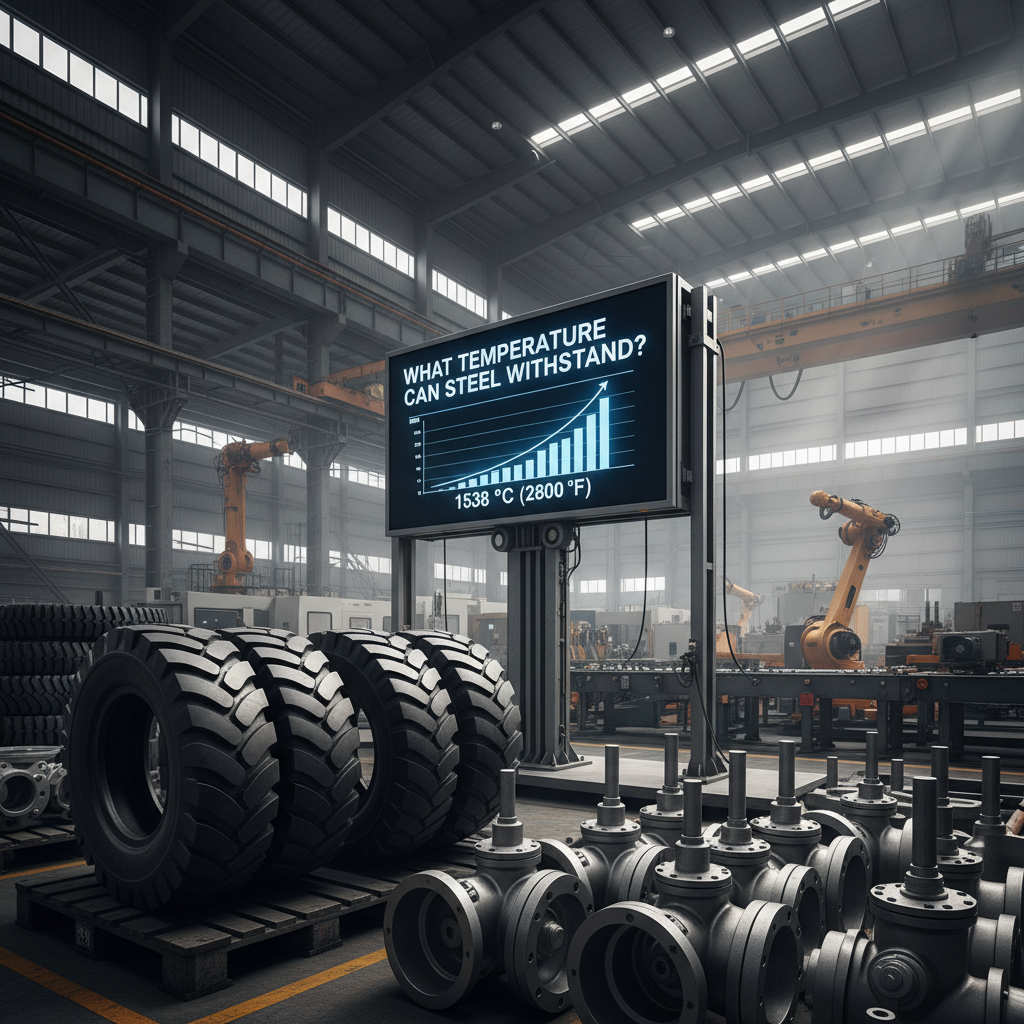
High temperature stainless steel represents a critical class of alloys engineered to maintain strength, resist corrosion, and retain functionality at elevated temperatures. Its importance stems from its indispensable role in numerous industries, including aerospace, power generation, chemical processing, and automotive manufacturing, where materials are frequently exposed to extreme thermal environments. Understanding the nuances of these alloys is paramount for engineers, material scientists, and policymakers seeking to optimize performance, enhance safety, and foster innovation.
The global demand for high temperature stainless steel is intrinsically linked to the growth of these key industrial sectors. Statistics from the World Steel Association indicate a consistent rise in the specialized alloy market, driven by the increasing need for efficient and reliable components in high-temperature applications. This growth isn't merely economic; it directly impacts global infrastructure development, energy security, and advancements in technologies designed to address pressing environmental challenges.
Addressing the demands of these sectors necessitates continuous improvement in the production and application of high temperature stainless steel. This includes refining alloy compositions, optimizing manufacturing processes, and developing advanced characterization techniques to ensure material integrity and predict long-term performance. Successfully navigating these challenges will be crucial for supporting sustainable development and meeting the evolving needs of a technologically advancing world.
The Significance of High Temperature Stainless Steel
High temperature stainless steel’s ability to withstand extreme heat while maintaining structural integrity makes it a cornerstone material in industries demanding robust performance under challenging conditions. This isn’t merely a material science achievement; it directly translates into safer, more efficient, and more reliable systems across critical infrastructure, ranging from power plants to aircraft engines.
The development and ongoing refinement of high temperature stainless steel alloys are continuously pushing the boundaries of what’s possible in engineering. As technologies evolve and demand for higher operating temperatures increases, the importance of these materials will only continue to grow, driving innovation and enabling advancements in a diverse range of applications.
Defining High Temperature Stainless Steel
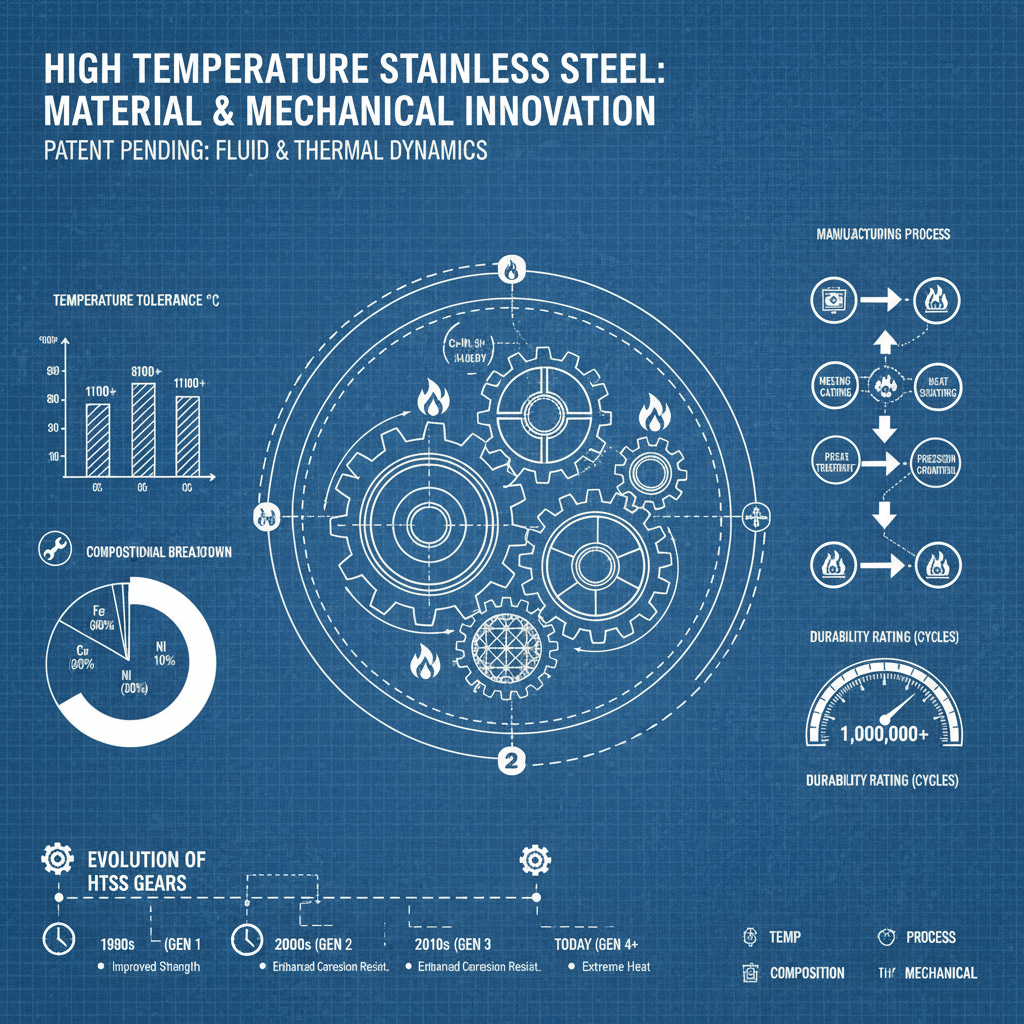
High temperature stainless steel is not a single alloy, but rather a family of iron-based alloys containing a minimum of 10.5% chromium. This chromium content is crucial as it forms a passive protective layer of chromium oxide on the surface, preventing corrosion. What sets these steels apart is their ability to retain significant strength, creep resistance, and oxidation resistance at temperatures exceeding those tolerated by conventional stainless steels—typically above 500°C (932°F).
The composition is carefully controlled, often incorporating elements like nickel, molybdenum, aluminum, titanium, and niobium to tailor specific properties. The addition of these elements enhances the alloy’s resistance to creep (deformation under sustained stress at high temperatures), oxidation, and other forms of degradation. The selection of alloying elements is directly tied to the intended application and operating environment.
This specialized material directly addresses the need for durable components in environments where conventional materials would quickly fail, serving as a vital link in the functionality of essential modern technologies and industries. Its strength and resilience are critical in ensuring the longevity and safety of various complex systems.
Core Properties of High Temperature Stainless Steel
The defining characteristic of high temperature stainless steel lies in its remarkable combination of properties. These include exceptional strength and ductility even at elevated temperatures, providing the structural integrity needed for demanding applications. Moreover, these alloys exhibit excellent resistance to oxidation and corrosion, extending service life and reducing maintenance requirements.
Creep resistance is another paramount property, essential for components subjected to sustained stress at high temperatures. This prevents gradual deformation over time, ensuring dimensional stability and maintaining functional performance. Finally, thermal fatigue resistance, the ability to withstand cyclical temperature changes without cracking, is crucial in applications involving fluctuating thermal loads. These properties contribute to their superior performance in harsh conditions.
The specific alloy composition plays a crucial role in tailoring these properties. For instance, the addition of nickel enhances ductility, while molybdenum increases strength and corrosion resistance. Precise control of these elements allows engineers to optimize the material for specific application needs.
Key Factors Influencing Performance
The long-term performance of high temperature stainless steel is not solely dictated by its initial composition; several critical factors influence its behavior in service. These include the specific operating temperature and stress levels. Higher temperatures and stresses accelerate creep and oxidation processes, potentially leading to premature failure.
Environmental conditions also play a crucial role. Exposure to corrosive atmospheres, such as those containing chlorides or sulfur compounds, can compromise the protective chromium oxide layer, leading to localized corrosion. The manufacturing process itself can also impact performance. Proper heat treatment, welding techniques, and surface finishing are essential to minimize defects and maximize the alloy's inherent properties.
Impact of Alloying Elements on High Temperature Stainless Steel Strength
Global Applications and Industry Impact
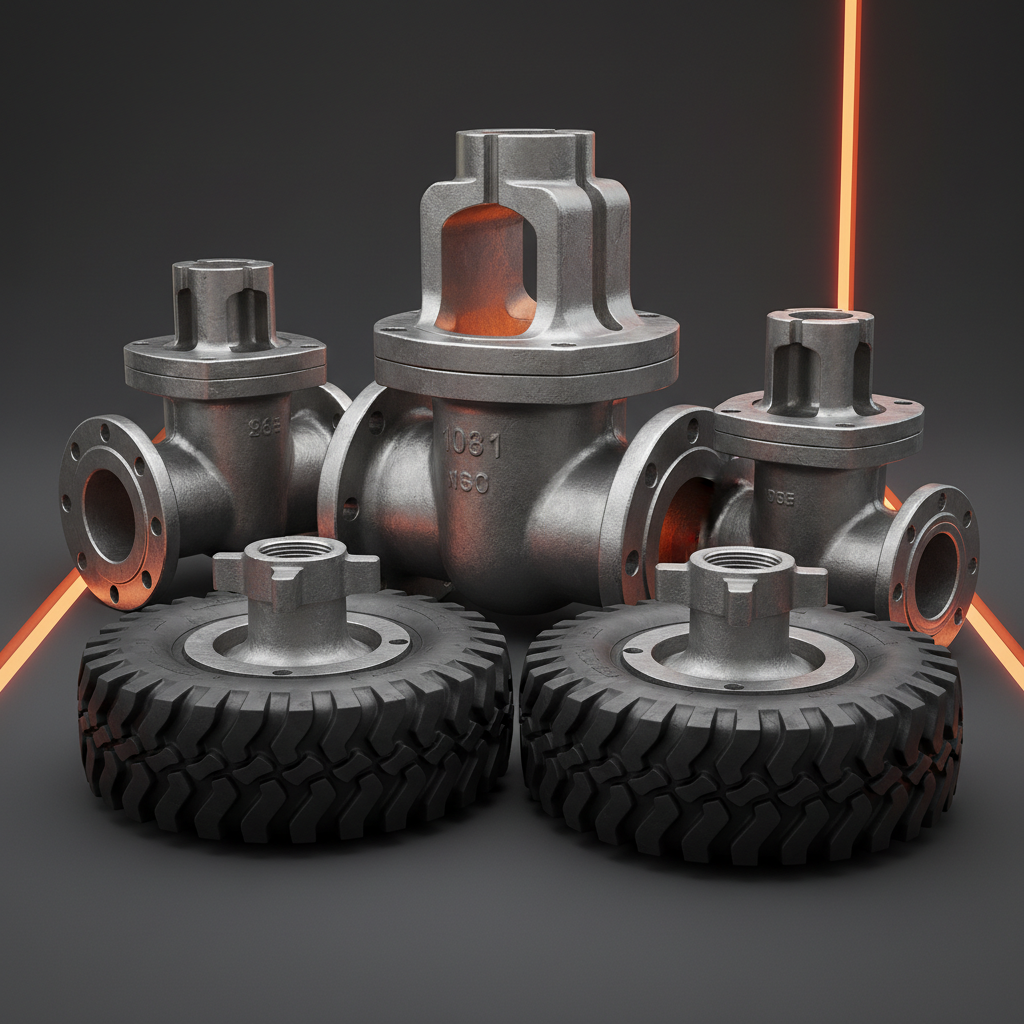
High temperature stainless steel finds widespread application across a diverse range of industries. In the aerospace sector, it's crucial for jet engine components, exhaust systems, and turbine blades where extreme temperatures and stresses are inherent. The power generation industry relies heavily on these alloys for gas turbine blades, heat exchangers, and boiler tubes, ensuring efficient and reliable energy production.
The chemical processing industry utilizes high temperature stainless steel for reactors, piping, and vessels handling corrosive fluids at elevated temperatures. In the automotive sector, it’s found in exhaust gas recirculation (EGR) systems and catalytic converters. Across these sectors, the material’s properties contribute to increased efficiency, safety, and longevity of critical components.
Advantages and Long-Term Value
The advantages of utilizing high temperature stainless steel extend beyond its immediate performance capabilities. Its exceptional durability translates to reduced maintenance costs and extended service life, providing significant economic benefits over the lifespan of a component.
Furthermore, the inherent corrosion resistance minimizes the risk of catastrophic failures, enhancing safety and reliability. From a sustainability perspective, the long life cycle and potential for recycling contribute to reduced material consumption and environmental impact. Investing in high temperature stainless steel isn’t simply a materials choice; it’s a strategic investment in long-term value and responsible engineering.
The reliability and predictability of these alloys foster trust and confidence in the systems they comprise, vital factors in industries where safety and performance are paramount.
Future Trends and Innovations
Research and development efforts are continuously focused on pushing the boundaries of high temperature stainless steel performance. Ongoing innovations include the development of new alloy compositions with enhanced creep resistance, oxidation resistance, and strength. Additive manufacturing (3D printing) is emerging as a promising technique for producing complex geometries and customized components from these alloys.
The integration of digital technologies, such as machine learning and artificial intelligence, is enabling predictive modeling of material behavior and optimization of manufacturing processes. Furthermore, the drive towards sustainable manufacturing is fostering the development of environmentally friendly production methods and recycling technologies for high temperature stainless steel.
FAQS
Standard stainless steels are designed for ambient temperature applications and lose significant strength at elevated temperatures. High temperature stainless steel, through careful alloying, retains substantial strength, creep resistance, and oxidation resistance at temperatures exceeding 500°C (932°F). This makes it suitable for demanding applications where conventional stainless steels would fail.
Creep resistance is crucial because it minimizes the gradual deformation of a component under sustained stress at high temperatures. Lower creep resistance leads to dimensional instability, reduced efficiency, and eventual failure. High creep resistance ensures the component maintains its shape and functionality over its intended service life, maximizing its lifespan.
Yes, ongoing research is focused on developing more sustainable production methods. This includes optimizing alloy compositions to reduce the reliance on scarce elements, improving recycling processes to recover valuable materials, and implementing energy-efficient manufacturing techniques. Furthermore, exploring alternative alloying elements with lower environmental impacts is a key area of investigation.
Heat treatment is a critical step in optimizing the microstructure and mechanical properties of high temperature stainless steel. It can be used to refine grain size, precipitate strengthening phases, and relieve residual stresses. Proper heat treatment ensures the alloy achieves its desired strength, ductility, and resistance to creep and oxidation.
Welding high temperature stainless steel requires specialized techniques due to the potential for sensitization (chromium carbide precipitation at grain boundaries), which reduces corrosion resistance. Careful control of welding parameters, filler metal selection, and post-weld heat treatment are essential to prevent sensitization and maintain the alloy’s integrity.
High temperature stainless steel generally falls in a mid-range price point compared to other high-strength alloys like nickel-based superalloys. While it may be more expensive than standard stainless steels, its superior performance in high-temperature applications often justifies the cost. The extended lifespan and reduced maintenance requirements further contribute to its long-term economic benefits.
Conclusion
In summary, high temperature stainless steel stands as an indispensable material in a wide array of industries, providing critical performance capabilities in extreme thermal environments. Its unique combination of strength, corrosion resistance, creep resistance, and thermal fatigue resistance ensures the reliability and longevity of components in demanding applications, from aerospace and power generation to chemical processing and automotive engineering.
Looking ahead, continued innovation in alloy composition, manufacturing processes, and digital technologies will further enhance the capabilities and sustainability of high temperature stainless steel. Investing in research and development will be crucial to meet the evolving needs of a world increasingly reliant on high-performance materials. For comprehensive information and tailored solutions, visit our website at www.dzmccasting.com.