Heat resistant metal mesh is a crucial component in a multitude of modern industrial applications, ranging from aerospace engineering to high-temperature filtration systems. Its ability to maintain structural integrity and functionality under extreme thermal conditions makes it an indispensable material in sectors prioritizing safety, efficiency, and longevity. The growing demand for advanced materials that can withstand increasing temperatures drives continuous innovation in the design and manufacturing of heat resistant metal mesh.
Globally, the need for effective heat management solutions is rising due to the expansion of industries such as energy production, metallurgy, and chemical processing. These sectors require materials capable of operating reliably in harsh environments, presenting a significant market opportunity for heat resistant metal mesh. Furthermore, advancements in technologies like additive manufacturing are enabling the creation of more complex and customized mesh structures, further broadening its application scope.
Understanding the properties and applications of heat resistant metal mesh is no longer confined to material scientists and engineers; it’s becoming increasingly important for decision-makers across various industries seeking to optimize performance, reduce costs, and enhance safety. Investing in research and development of novel alloys and fabrication techniques is essential to meet the evolving demands of a rapidly changing technological landscape.
Introduction to Heat Resistant Metal Mesh
Heat resistant metal mesh serves as a critical barrier against extreme temperatures in various industrial processes. From safeguarding sensitive equipment to enabling efficient energy conversion, its role is paramount. The selection of appropriate materials and mesh configurations directly impacts the performance and reliability of the overall system.
The development of advanced heat resistant metal mesh is directly tied to the increasing demands of sectors like aerospace, power generation, and automotive manufacturing. These industries continuously seek materials capable of withstanding higher temperatures, corrosive environments, and mechanical stress, driving innovation in alloy compositions and manufacturing techniques.
Defining Heat Resistant Metal Mesh
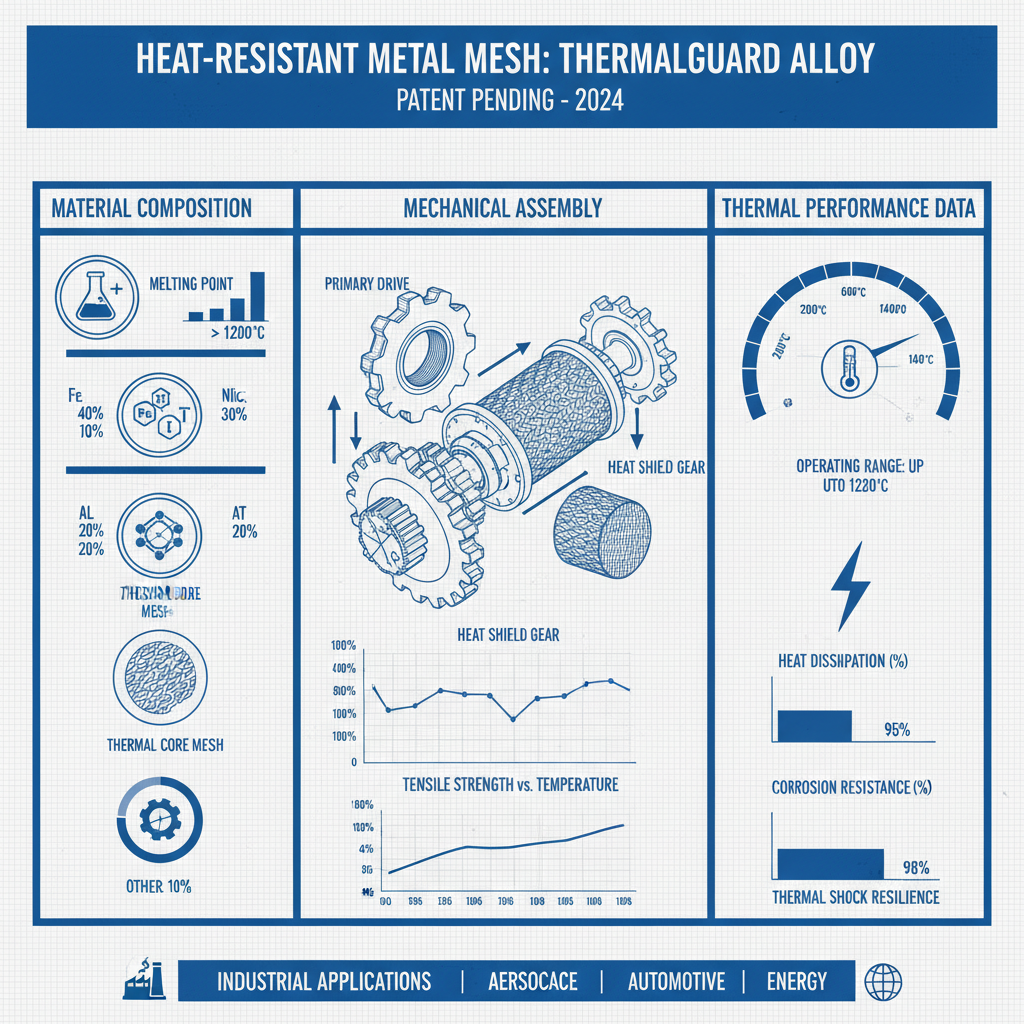
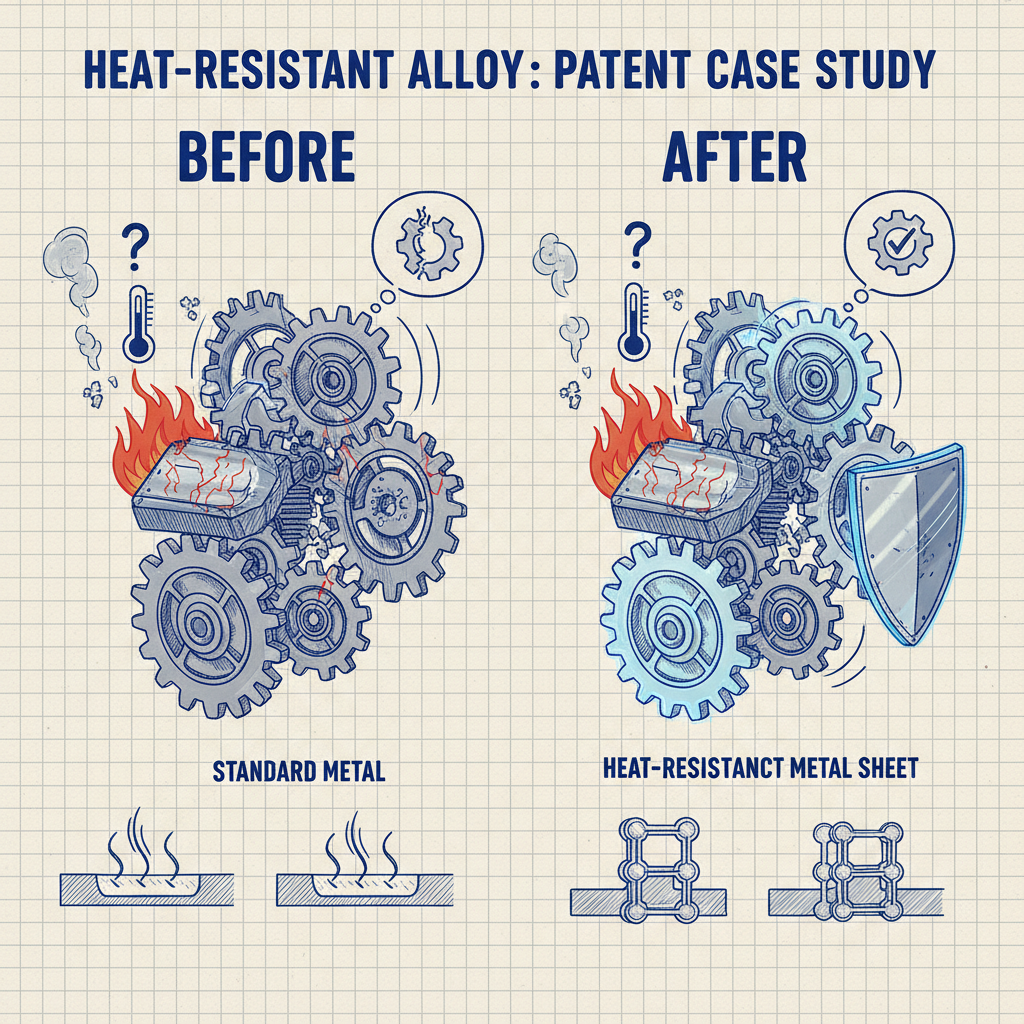
Heat resistant metal mesh, at its core, is a woven or knitted structure constructed from alloys designed to retain their mechanical strength and structural integrity at elevated temperatures. Unlike conventional metals, these alloys exhibit reduced creep, oxidation, and corrosion even under prolonged exposure to thermal stress.
This material isn’t merely about resisting heat; it’s about enabling processes that require high temperatures. From filtering molten metals in foundries to creating catalytic converters in automobiles, heat resistant metal mesh allows for optimized operation in challenging conditions. Its significance extends beyond purely industrial applications, impacting areas like medical implants and environmental control systems.
The connection to modern industry and humanitarian needs lies in the increased efficiency, safety, and durability it provides. Whether it’s enhancing the performance of jet engines or providing a robust filtration system for clean water, heat resistant metal mesh plays a crucial, often unseen, role in everyday life.
Core Components of Performance
Several key factors determine the effectiveness of heat resistant metal mesh. First, the alloy composition is critical; materials like Inconel, Hastelloy, and stainless steel with specific alloying elements are frequently employed. These materials exhibit inherent resistance to oxidation and creep.
Secondly, the mesh weave or knit pattern plays a significant role. Different patterns offer varying levels of permeability, strength, and flexibility. Tight weaves provide greater resistance to deformation, while looser weaves allow for higher flow rates. Understanding these trade-offs is vital for selecting the optimal mesh configuration.
Third, the manufacturing process impacts the material's microstructure and ultimately its performance. Techniques like sintering, powder metallurgy, and advanced weaving methods are employed to achieve desired properties. Lastly, surface treatments, such as coatings, can further enhance resistance to corrosion and oxidation, extending the lifespan of the mesh.
These factors are interconnected; a strong alloy can be compromised by a poor weave, and vice versa. Optimizing each component is essential to achieving peak performance and ensuring the mesh meets the demands of its intended application.
Diverse Applications Worldwide
The applications of heat resistant metal mesh are remarkably diverse. In the aerospace industry, it's used in jet engine components, heat shields, and exhaust systems, where temperatures routinely exceed 1000°C. The automotive sector utilizes it in catalytic converters and exhaust gas recirculation systems to reduce emissions.
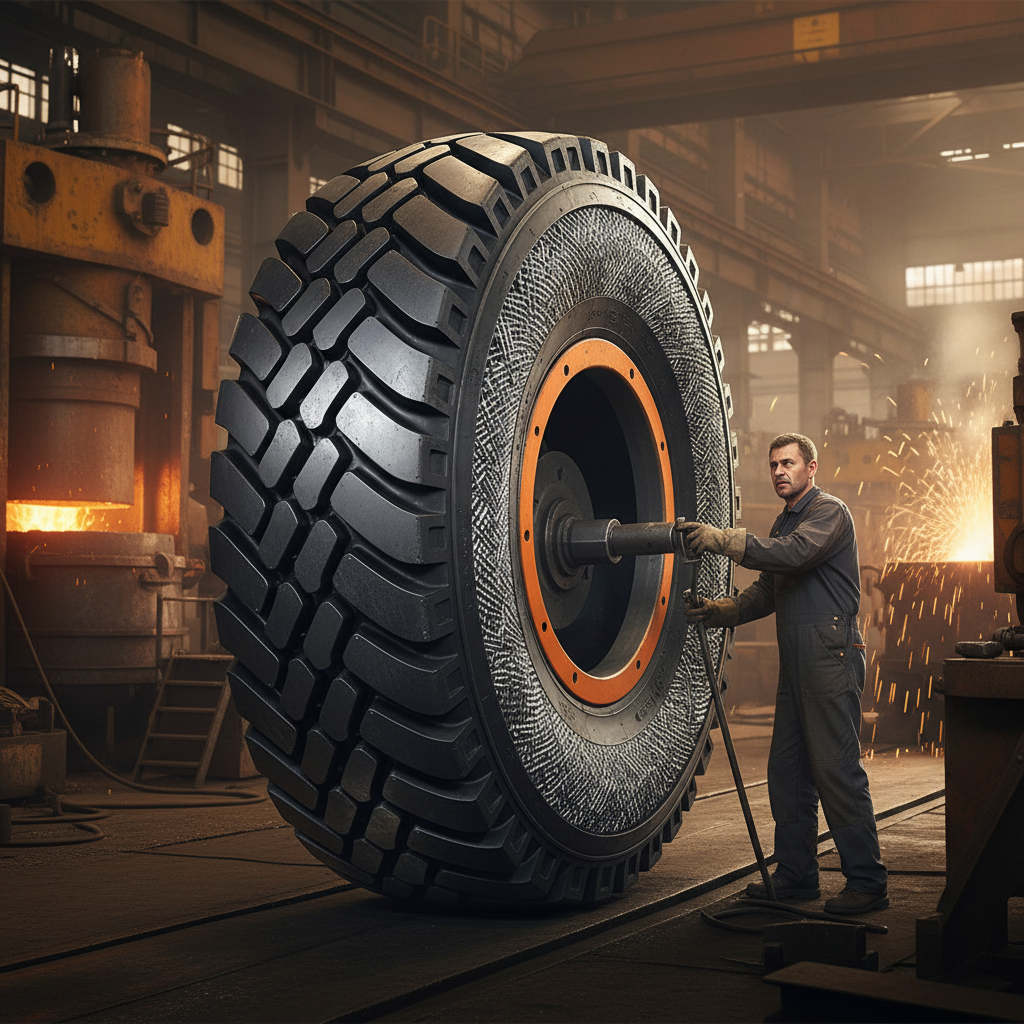
In the chemical processing industry, heat resistant metal mesh serves as filtration media in reactors and separators, removing particulate matter from high-temperature gases and liquids. Power generation plants employ it in gas turbine components and heat exchangers to improve efficiency. Geographically, demand is particularly high in industrialized nations like the United States, Germany, Japan, and China, but also expanding in developing economies experiencing rapid industrial growth.
In post-disaster relief operations, specialized heat resistant metal mesh can be used in emergency shelter construction to provide thermal insulation and protection from fire hazards. In remote industrial zones, it serves as a critical component in maintaining operational integrity of vital equipment and infrastructure.
Heat Resistant Metal Mesh Application Ratings
Advantages and Long-Term Value
The advantages of utilizing heat resistant metal mesh extend far beyond its primary function of heat protection. Cost-effectiveness is a significant benefit; by increasing the lifespan of components and reducing maintenance requirements, it minimizes long-term expenses. Sustainability is also enhanced through reduced material waste and improved energy efficiency.
The reliability provided by heat resistant metal mesh translates directly into increased safety and improved operational efficiency. This builds trust with stakeholders and enhances brand reputation. Moreover, the constant innovation in this field, leading to new alloys and manufacturing techniques, positions it as a key driver of technological advancement.
Emerging Trends and Innovations
Several exciting trends are shaping the future of heat resistant metal mesh. Additive manufacturing (3D printing) is enabling the creation of complex geometries and customized mesh structures with unprecedented precision. New alloy compositions, incorporating rare earth elements and advanced ceramics, are pushing the boundaries of temperature resistance.
The integration of digital technologies, such as machine learning and data analytics, is allowing for predictive maintenance and optimized performance monitoring. These innovations align with broader trends in green energy, digital transformation, and automation, further solidifying the importance of heat resistant metal mesh in a rapidly evolving world.
Challenges and Future Solutions
Despite its numerous benefits, heat resistant metal mesh faces certain challenges. High material costs and complex manufacturing processes can limit its widespread adoption. Ensuring consistent quality and performance across diverse applications requires rigorous testing and quality control measures.
Future solutions lie in developing more cost-effective manufacturing techniques, such as near-net shape forming and advanced sintering processes. Research into novel alloys with improved properties and reduced reliance on scarce materials is also crucial. Collaboration between material scientists, engineers, and manufacturers is essential to overcome these challenges and unlock the full potential of heat resistant metal mesh.
Furthermore, standardization of testing procedures and performance metrics will facilitate greater transparency and trust within the industry.
Summary of Key Considerations for Heat Resistant Metal Mesh Selection
| Alloy Type |
Operating Temperature |
Mesh Weave/Knit |
Application Suitability |
| Inconel 625 |
Up to 980°C |
Plain Weave |
Aerospace, Chemical Processing |
| Hastelloy C-276 |
Up to 760°C |
Dutch Weave |
Corrosive Environments, Filtration |
| 316 Stainless Steel |
Up to 870°C |
Twill Weave |
General Industrial Applications |
| Inconel 718 |
Up to 700°C |
Knitted Mesh |
High-Stress Applications, Gaskets |
| Woven Ceramic Fiber Mesh |
Up to 1200°C |
Reinforced Weave |
High-Temperature Insulation |
| Nickel-Chromium Alloys |
Up to 1100°C |
Spiral Mesh |
Furnace Applications, Heating Elements |
FAQS
Selecting the right alloy depends on several factors, including the maximum operating temperature, the corrosive environment, the required mechanical strength, and the budget. Alloys like Inconel and Hastelloy offer excellent high-temperature performance and corrosion resistance, but they are generally more expensive than stainless steel. Carefully analyzing these parameters will ensure the chosen alloy meets the application’s needs.
The mesh weave directly impacts both filtration efficiency and pressure drop. Tighter weaves offer higher filtration efficiency by capturing smaller particles, but they also create greater resistance to flow, leading to a higher pressure drop. Looser weaves allow for higher flow rates but may have lower filtration efficiency. Selecting the appropriate weave involves balancing these two factors based on the specific filtration requirements.
Surface treatments, such as coatings, can significantly enhance the performance of heat resistant metal mesh. They provide additional protection against corrosion, oxidation, and wear, extending the lifespan of the mesh. Common coatings include ceramic coatings and diffusion coatings, which create a protective barrier between the alloy and the harsh environment.
Maximizing the lifespan of heat resistant metal mesh requires careful consideration of operating conditions and regular maintenance. Avoiding excessive temperatures, corrosive environments, and mechanical stress will significantly prolong its life. Regular inspection for signs of damage or degradation, coupled with timely replacement or repair, is also crucial.
Additive manufacturing (3D printing) is a rapidly emerging technique for producing complex and customized heat resistant metal mesh structures. Near-net shape forming and advanced sintering processes are also gaining traction, offering improved material utilization and reduced manufacturing costs. These techniques are enabling the creation of innovative mesh designs with enhanced performance.
Heat resistant metal mesh typically has a higher initial cost compared to traditional materials like carbon steel. However, its extended lifespan, reduced maintenance requirements, and improved performance often result in lower total cost of ownership. Considering the long-term benefits and the critical nature of its applications, the investment in heat resistant metal mesh is often justified.
Conclusion
In summary, heat resistant metal mesh is an indispensable material driving innovation across a broad spectrum of industries. Its ability to withstand extreme temperatures, coupled with its inherent durability and reliability, makes it a crucial component in applications ranging from aerospace to chemical processing. Understanding the core components of its performance – alloy composition, mesh weave, and manufacturing process – is paramount for optimizing its effectiveness.
Looking ahead, continued research and development in advanced alloys, additive manufacturing, and digital technologies will unlock even greater potential for heat resistant metal mesh. We encourage you to explore the possibilities this material offers and discover how it can benefit your specific application. Visit our website at dzmccasting.com to learn more about our comprehensive range of heat resistant metal mesh solutions and discuss your project needs.