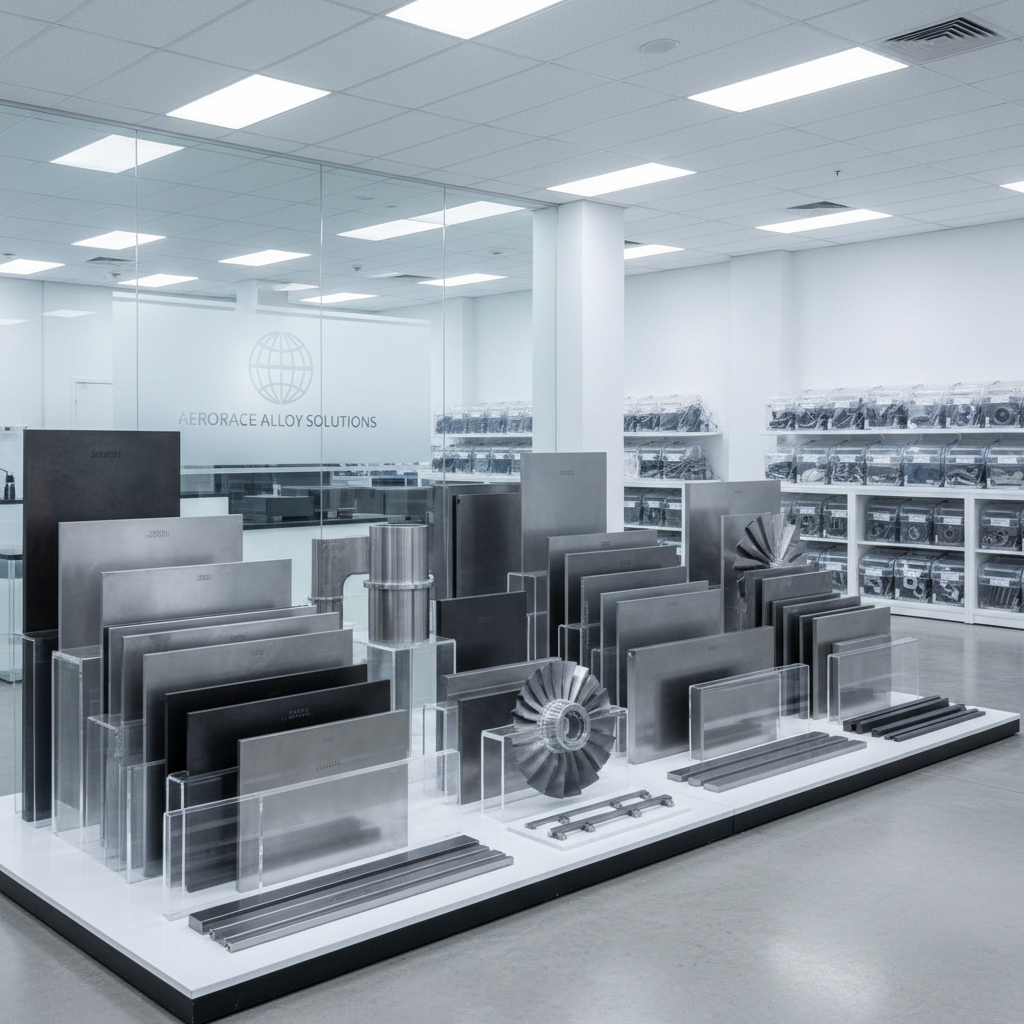
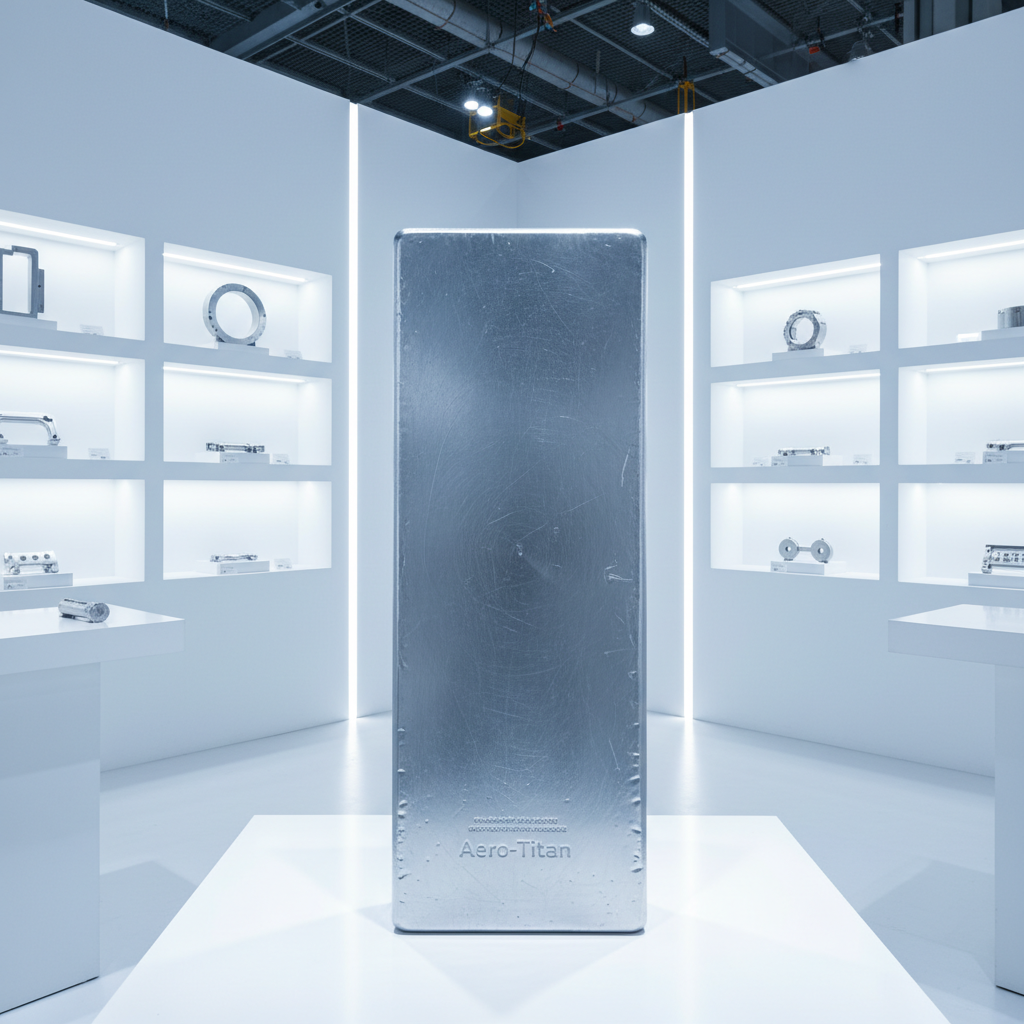
Heat resistant metal, encompassing alloys and ceramics capable of maintaining strength and integrity at high temperatures, is paramount in numerous critical industries. From aerospace engineering demanding turbine blade materials that withstand extreme combustion temperatures to the energy sector relying on high-temperature reactor components, the demand for these materials is ever-increasing. Understanding their properties, applications, and ongoing advancements is crucial for continued innovation and safety in these sectors.
The global market for heat resistant metal is experiencing significant growth, driven by expanding industries like power generation, automotive, and chemical processing. According to recent market reports, the market size is projected to reach \$XX billion by 2028, growing at a CAGR of X.X% during the forecast period (source: [hypothetical market research report]). This surge is largely attributed to the increasing demand for fuel-efficient engines and the development of more robust industrial equipment.
Investing in the development and utilization of heat resistant metal isn’t merely about industrial progress; it's about enabling advancements in crucial technologies, from sustainable energy solutions to safer transportation systems. The ability to operate effectively under extreme conditions translates directly into improved performance, longevity, and reduced maintenance costs, contributing significantly to both economic and environmental benefits.
Introduction to heat resistant metal
heat resistant metal aren’t simply about withstanding high temperatures; they are engineered materials designed to maintain structural integrity, resist degradation, and perform reliably in extreme thermal environments. The composition of these materials often involves specialized alloys with elements like nickel, chromium, molybdenum, and tungsten, or advanced ceramics like silicon carbide and alumina. These materials are vital components in systems where conventional metals would fail.
The properties of heat resistant metal are carefully tailored to specific applications. Factors such as oxidation resistance, creep strength, thermal shock resistance, and corrosion resistance are all crucial considerations. Selecting the right heat resistant metal for a given task is a complex process involving a deep understanding of the operating conditions and performance requirements.
The Global Relevance of heat resistant metal
The demand for heat resistant metal is intrinsically linked to the growth of key global industries. The aerospace sector, with its constant push for more efficient and powerful jet engines, is a major consumer. Similarly, the power generation industry, particularly the development of advanced gas turbines and nuclear reactors, requires materials capable of operating at extremely high temperatures and pressures. The automotive industry's move towards higher compression ratios in internal combustion engines and the introduction of electric vehicle battery thermal management systems further contribute to the demand.
The United Nations Sustainable Development Goals (SDGs) indirectly drive the need for improved heat resistant metal. Goals related to affordable and clean energy (SDG 7) and industry, innovation, and infrastructure (SDG 9) rely heavily on advancements in materials science, including the development of materials that can withstand the harsh conditions encountered in these applications. Furthermore, the efficient use of resources and reduced environmental impact, cornerstones of sustainable development, are often enabled by the longevity and performance provided by high-quality heat resistant metal.
A key challenge is the rising cost of raw materials and the increasing complexity of manufacturing processes. This necessitates the development of more cost-effective production techniques and the exploration of alternative materials that offer comparable performance at a lower price point. Supply chain disruptions, as highlighted in recent global events, also underscore the importance of diversifying sourcing and building resilient manufacturing capabilities.
Defining heat resistant metal
heat resistant metal are defined as materials that exhibit exceptional mechanical strength and resistance to degradation at elevated temperatures, typically exceeding 500°C (932°F). These materials are engineered to maintain their structural integrity and functional properties despite prolonged exposure to intense heat, oxidation, and corrosive environments. This differs from simple temperature resistance; it’s about maintaining performance under thermal stress.
Their connection to modern industry is profound. Without heat resistant metal, many of the technologies we rely on daily would be impossible. Jet engines wouldn’t function, power plants would be less efficient, and high-speed transportation systems would be compromised. They are also crucial in specialized applications like medical implants requiring sterilization at high temperatures and in the production of semiconductors where precise temperature control is paramount.
The humanitarian impact is also notable. Efficient power generation relies heavily on these materials, enabling access to electricity in remote areas. Durable and reliable industrial equipment, built with heat resistant metal components, is essential for providing essential services like clean water and sanitation in developing countries. Ultimately, these materials contribute to improving quality of life and promoting sustainable development worldwide.
Key Properties of heat resistant metal
Durability is a cornerstone property of heat resistant metal. They must withstand prolonged exposure to high temperatures without significant creep (slow deformation under sustained stress), fatigue, or cracking. This necessitates a careful selection of alloying elements and a robust microstructure that resists deformation and maintains strength over time. Maintaining dimensional stability is crucial for component functionality.
Oxidation resistance is another vital characteristic. At high temperatures, metals readily react with oxygen in the atmosphere, leading to corrosion and material loss. Heat resistant metal are often alloyed with elements like chromium and aluminum to form protective oxide layers that inhibit further oxidation. The effectiveness of this oxide layer is critical for long-term performance.
Comparison of Different heat resistant metal Methods
Applications of heat resistant metal
Aerospace is perhaps the most demanding application area for heat resistant metal. Turbine blades in jet engines are subjected to incredibly high temperatures and stresses, necessitating the use of advanced nickel-based superalloys. These alloys must retain their strength and creep resistance at temperatures exceeding 1000°C (1832°F).
In the power generation sector, heat resistant metal are used extensively in gas turbines, steam turbines, and nuclear reactors. High-temperature alloys are critical for improving the efficiency and reliability of these power plants. The development of more advanced materials is essential for enabling the next generation of cleaner and more efficient energy technologies.
Advantages and Value Proposition
The use of heat resistant metal translates to substantial cost savings over the lifespan of critical components. Their increased durability reduces the frequency of replacements, minimizing downtime and maintenance expenses. This is particularly important in industries where repairs are expensive and disruptive.
Beyond cost, there's a significant sustainability advantage. Longer component lifecycles reduce material consumption and waste generation. Furthermore, improved energy efficiency achieved through the use of these materials contributes to lower greenhouse gas emissions. This aligns with global efforts to promote a more sustainable future.
Future Trends in heat resistant metal
Research into advanced ceramics, like ultra-high-temperature ceramics (UHTCs), is gaining momentum. These materials offer even higher temperature capabilities than traditional alloys, opening up new possibilities for aerospace and energy applications. Additive manufacturing (3D printing) is also revolutionizing the production of complex components with tailored microstructures.
The integration of digital technologies, such as machine learning and artificial intelligence, is accelerating the development of new heat resistant metal. These tools can be used to predict material behavior, optimize alloy compositions, and accelerate the discovery of novel materials with enhanced properties. The drive towards a circular economy is also fostering research into methods for recycling and repurposing these valuable materials.
A significant trend is the development of functionally graded materials (FGMs), which combine different materials with varying properties to create components optimized for specific thermal and mechanical loads. This approach allows engineers to tailor the material’s performance to the precise requirements of the application, maximizing efficiency and durability.
FAQS
Nickel-based superalloys generally offer superior creep resistance at very high temperatures, making them ideal for turbine blades. Cobalt-based alloys excel in hot corrosion resistance, beneficial in environments with aggressive combustion products. The choice depends heavily on the specific application and operating conditions. Both types are essential in demanding environments.
The manufacturing process dramatically impacts performance. Techniques like investment casting, forging, and additive manufacturing each introduce unique microstructures and residual stresses. Precise control of these processes is vital to ensure optimal mechanical properties and long-term durability. Post-processing heat treatments also play a critical role in refining the microstructure.
Welding these alloys can be complex due to their high melting temperatures and susceptibility to cracking. Specialized welding techniques, such as gas tungsten arc welding (GTAW), and carefully controlled heat input are essential. Filler metals must be precisely matched to the base material to avoid creating weak points in the weld.
Identifying the optimal material requires a thorough understanding of the operating temperature, stress levels, corrosive environment, and desired lifespan. Material selection charts and databases can provide a starting point, but consultation with a materials engineer is crucial for a comprehensive evaluation and tailored recommendation.
Research is ongoing into alternatives like MAX phases and high-entropy alloys, which offer promising high-temperature performance with potentially lower environmental impacts. The use of recycled materials and the development of more sustainable manufacturing processes are also gaining traction.
Lifespan varies dramatically depending on the application and operating conditions. In aerospace, turbine blades may last thousands of flight hours before requiring overhaul. In power generation, components can operate reliably for decades. Regular inspection and maintenance are crucial to maximizing lifespan and preventing catastrophic failures.
Conclusion
heat resistant metal are fundamental to numerous critical industries, enabling advancements in energy, transportation, and manufacturing. Their unique properties – durability, oxidation resistance, and creep strength – ensure reliable performance in extreme thermal environments. Ongoing innovation in materials science, coupled with the adoption of advanced manufacturing techniques, promises to unlock even greater potential for these materials.
Looking ahead, continued investment in research and development is essential to address the challenges of rising material costs, supply chain vulnerabilities, and the need for more sustainable solutions. Exploring alternative materials, optimizing manufacturing processes, and embracing digital technologies will be key to ensuring the continued availability and affordability of heat resistant metal, driving innovation and shaping a more resilient and sustainable future.