0%

Table of Contents

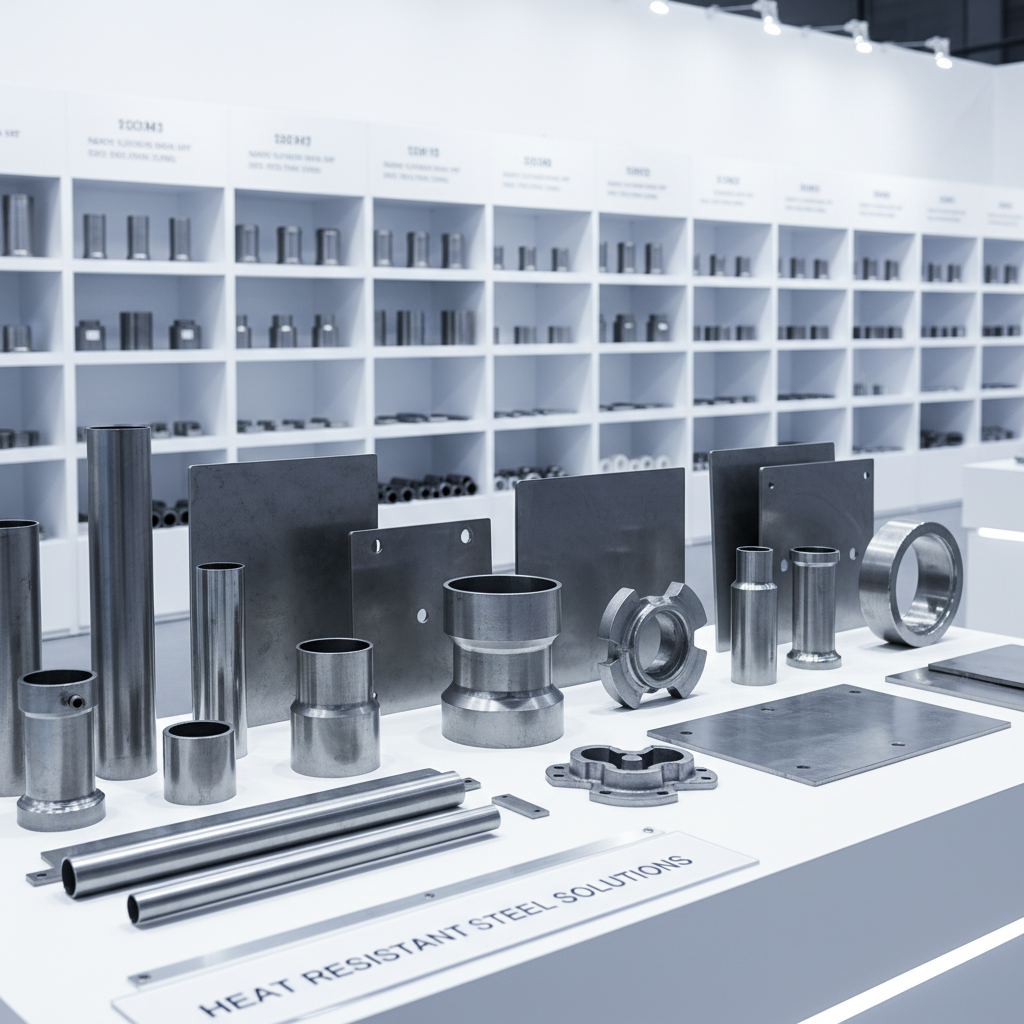
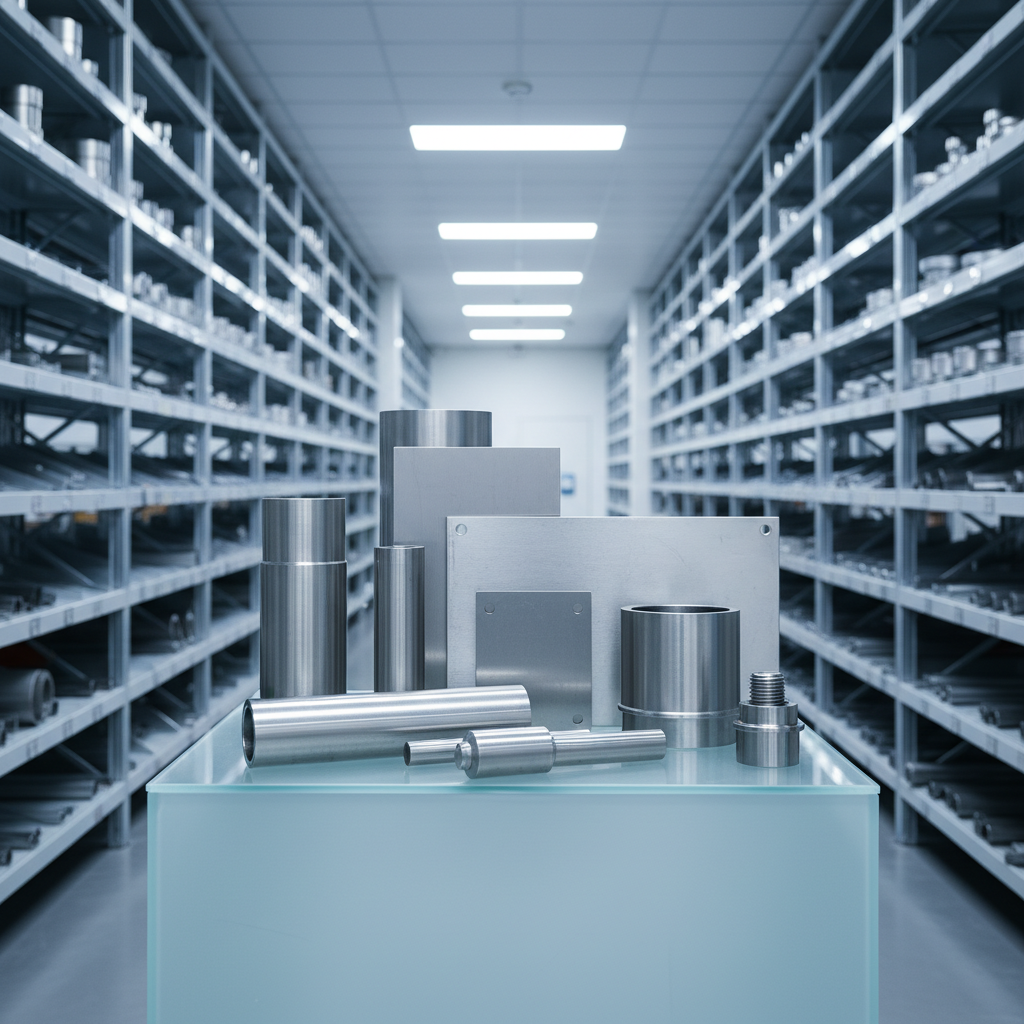
Heat resistant steel products are crucial components in a vast array of industries, from aerospace and automotive to energy production and chemical processing. These specialized materials are engineered to maintain their strength, integrity, and functionality at extremely high temperatures, often exceeding the limits of conventional steels. Understanding their properties, applications, and advancements is paramount for innovation and safety in critical sectors globally.

The demand for heat resistant steel products is directly linked to the increasing sophistication of modern technology and the pursuit of greater efficiency and performance in high-temperature environments. Industries are constantly pushing boundaries, requiring materials that can withstand extreme conditions for prolonged periods. This drives continuous research and development, leading to new alloys and manufacturing processes to meet evolving needs.

Ultimately, heat resistant steel products are not merely materials; they are enablers of progress. They allow for safer, more efficient, and more sustainable operations across multiple sectors, contributing to economic growth and technological advancement worldwide. They represent a vital link in the chain of innovation, ensuring that critical systems function reliably even under the most demanding circumstances.
Advancements in Heat Resistant Steel Products for Critical Industrial Applications

The Importance of Heat Resistant Steel Products

Advancements in Heat Resistant Steel Products for Critical Industrial Applications

The global reliance on heat resistant steel products is steadily increasing, driven by demands from energy, aerospace, and automotive sectors. According to a 2023 report by the World Steel Association, specialized steel alloys, including those designed for high-temperature applications, experienced a growth rate of 6% compared to the previous year. This underscores the critical role these materials play in supporting modern industrial infrastructure.

The absence of high-performing heat resistant steel would significantly hinder advancements in technologies like jet engines, gas turbines, and advanced combustion systems. These applications demand materials that can endure extreme temperatures without compromising structural integrity, making specialized steel alloys indispensable for continued innovation and efficient operation.

Defining Heat Resistant Steel Products

Heat resistant steel products are a category of ferrous alloys specifically engineered to retain their mechanical strength and resist degradation at elevated temperatures. Unlike conventional steels, they are formulated with specific alloying elements—such as chromium, nickel, molybdenum, and vanadium—that enhance their oxidation resistance, creep resistance, and overall thermal stability. These alloys aren't simply about withstanding heat; it’s about maintaining performance while exposed to extreme temperatures.

The connection to modern industry is profound. From the power generation sector, requiring materials for boiler tubes and turbine blades, to the aerospace industry demanding alloys for jet engine components, heat resistant steel underpins many critical technologies. These materials enable higher operating efficiencies, reduced fuel consumption, and increased longevity of equipment, driving economic and environmental benefits.

Furthermore, the humanitarian needs addressed by these materials often go unnoticed. The efficient and reliable operation of power plants – which often rely heavily on heat resistant steel – contributes to stable energy supplies for hospitals, communication networks, and essential infrastructure in communities worldwide.

Key Characteristics of Heat Resistant Steel

Heat resistant steel exhibits several key properties that distinguish it from standard steel grades. Primarily, it possesses exceptional oxidation resistance, preventing the formation of scale and corrosion at high temperatures. This is typically achieved through the addition of chromium, which forms a protective oxide layer on the steel's surface.

Creep resistance is another critical characteristic. Creep refers to the tendency of a material to deform permanently under sustained stress at elevated temperatures. Heat resistant steel alloys are formulated to minimize creep, ensuring structural integrity over extended periods. The addition of elements like molybdenum and vanadium contribute to this increased resistance.

These steels also maintain high tensile strength and ductility at high temperatures, preventing catastrophic failures. Finally, their thermal stability is crucial, meaning they maintain consistent properties over long durations and fluctuating temperatures, reducing risks of material breakdown and improving system reliability.

Performance Metrics for heat resistant steel products

Evaluating heat resistant steel necessitates considering several performance metrics beyond basic strength. High-temperature tensile strength, creep rupture strength, and oxidation resistance are pivotal. These properties dictate the material’s ability to withstand stress and maintain integrity in demanding thermal environments.

Understanding these metrics is essential for engineers and designers to select the appropriate alloy for a specific application. Often, trade-offs must be considered, such as balancing strength with oxidation resistance or creep resistance with cost.

Heat Resistant Steel Product Performance Ratings


Global Applications of Heat Resistant Steel

Heat resistant steel finds extensive application across various sectors worldwide. In the aerospace industry, it's crucial for manufacturing turbine blades, exhaust systems, and other engine components that endure extreme temperatures. Major aircraft manufacturers, such as Boeing and Airbus, rely heavily on these materials.

In the energy sector, particularly in power generation, heat resistant steel is essential for constructing boiler tubes, superheater tubes, and gas turbine components. Regions with significant energy demands, like China and the United States, are major consumers of these materials. Moreover, in post-disaster relief operations and remote industrial zones, reliable power generation – often facilitated by heat resistant steel components – is vital for sustaining essential services.

Advantages and Long-Term Value Proposition

The advantages of utilizing heat resistant steel products extend far beyond their technical capabilities. Cost savings are realized through extended component lifespan, reduced maintenance requirements, and improved operational efficiency. Sustainability is enhanced through reduced fuel consumption and lower emissions in energy production.

Beyond these tangible benefits, there’s the crucial aspect of safety. By preventing material failures in critical systems, heat resistant steel protects lives and minimizes environmental risks. This builds trust in the reliability of infrastructure and technology, fostering innovation and progress.

Future Trends and Innovation in Heat Resistant Steel Production

The future of heat resistant steel is intertwined with advancements in materials science and manufacturing technologies. Research is focusing on developing new alloys with even higher temperature capabilities and improved creep resistance. Additive manufacturing (3D printing) is emerging as a promising technique for creating complex geometries and customized components.

Furthermore, the integration of digital technologies—such as machine learning and artificial intelligence—is accelerating materials discovery and optimization. These advancements are crucial for supporting the transition to green energy sources, such as hydrogen production and advanced nuclear reactors, which demand materials capable of withstanding extreme conditions.

FAQS

What are the primary alloying elements used in heat resistant steel?

The most common alloying elements in heat resistant steel include chromium, nickel, molybdenum, vanadium, and tungsten. Chromium contributes to oxidation resistance, while nickel enhances ductility and toughness. Molybdenum and vanadium improve creep resistance, and tungsten further boosts high-temperature strength. The specific combination of these elements varies depending on the desired properties and application of the steel.

How does creep resistance affect the lifespan of a component?

Creep resistance is a critical factor determining the lifespan of components operating at high temperatures. A material with low creep resistance will gradually deform under sustained stress, leading to eventual failure. Higher creep resistance allows components to maintain their structural integrity for longer periods, reducing the need for replacements and minimizing downtime. Selecting an alloy with appropriate creep resistance for the operating conditions is essential for ensuring long-term reliability.

What is the role of oxidation resistance in heat resistant steel?

Oxidation resistance is paramount in high-temperature environments. Without it, the steel surface would react with oxygen, forming scale that degrades the material and weakens its structure. Chromium is the primary element responsible for oxidation resistance, creating a protective chromium oxide layer. Maintaining this layer is vital for preserving the steel's mechanical properties and preventing premature failure.

Can heat resistant steel be welded and machined effectively?

Yes, but careful consideration must be given to welding and machining procedures. Some heat resistant steel alloys require preheating and post-weld heat treatment to maintain their properties. Machining can also be challenging due to the high hardness of these materials, often requiring specialized cutting tools and techniques. Proper handling and processing are crucial to avoid compromising the material's performance.

What are some emerging manufacturing techniques for heat resistant steel?

Additive manufacturing (3D printing) is a significant emerging technique. It allows for the creation of complex geometries and customized components with reduced material waste. Powder metallurgy is also gaining traction, enabling the production of near-net-shape parts with enhanced properties. Furthermore, advanced casting techniques, such as investment casting, are used to produce intricate components with high precision.

How does the cost of heat resistant steel compare to standard steel?

Heat resistant steel generally has a higher cost than standard steel due to the inclusion of expensive alloying elements and the more complex manufacturing processes involved. However, the long-term value proposition often outweighs the initial cost. Reduced maintenance, extended component lifespan, and improved operational efficiency can result in significant cost savings over the life of the equipment.

Conclusion

Heat resistant steel products are undeniably vital for modern industry and technological progress. Their exceptional properties—high-temperature strength, creep resistance, and oxidation resistance—enable innovation and improve efficiency across a diverse range of sectors, from aerospace and energy to automotive and chemical processing. Continued research and development are driving advancements in alloy design and manufacturing techniques, paving the way for even more robust and versatile materials.

Looking ahead, a strategic focus on sustainability and resource efficiency will be crucial. Exploring alternative alloying elements, optimizing manufacturing processes to minimize waste, and embracing digital technologies to accelerate materials discovery will be essential. Investing in these areas will not only enhance the performance of heat resistant steel but also contribute to a more sustainable and resilient future. For further information and to explore our range of heat resistant steel products, visit our website: dzmccasting.com.

Robert Miller

Robert Miller

Robert Miller is the Senior Metallurgist at Hebei Dezhong Machinery Co., Ltd. With over 15 years of experience in the casting industry, Robert specializes in material science, focusing on the optimization of gray iron, ductile iron, and steel alloys for performance and durability. He leads the team responsible for ensuring
Previous Advancements in Heat Resistant Metal for Critical Industrial Applications
Next Understanding Cone Crusher Parts PDF and Modern Construction Challenges