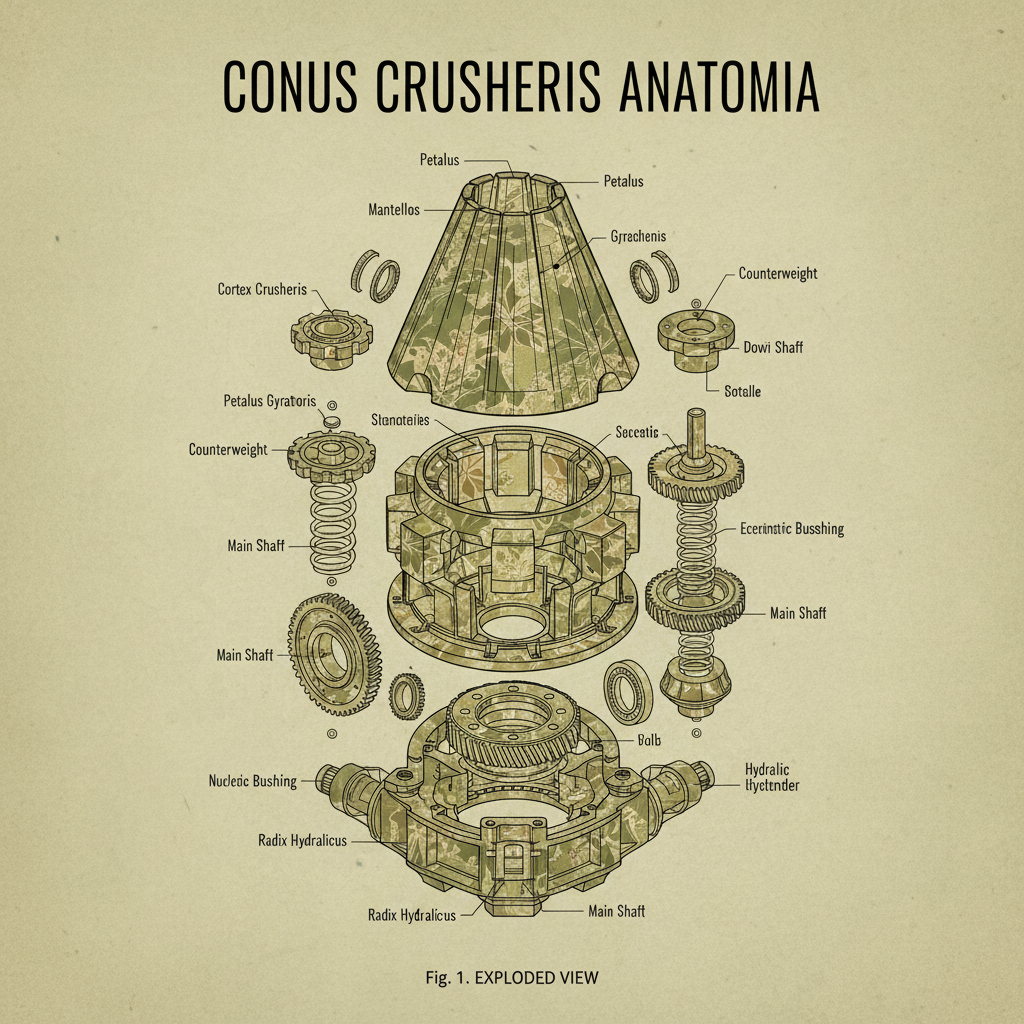
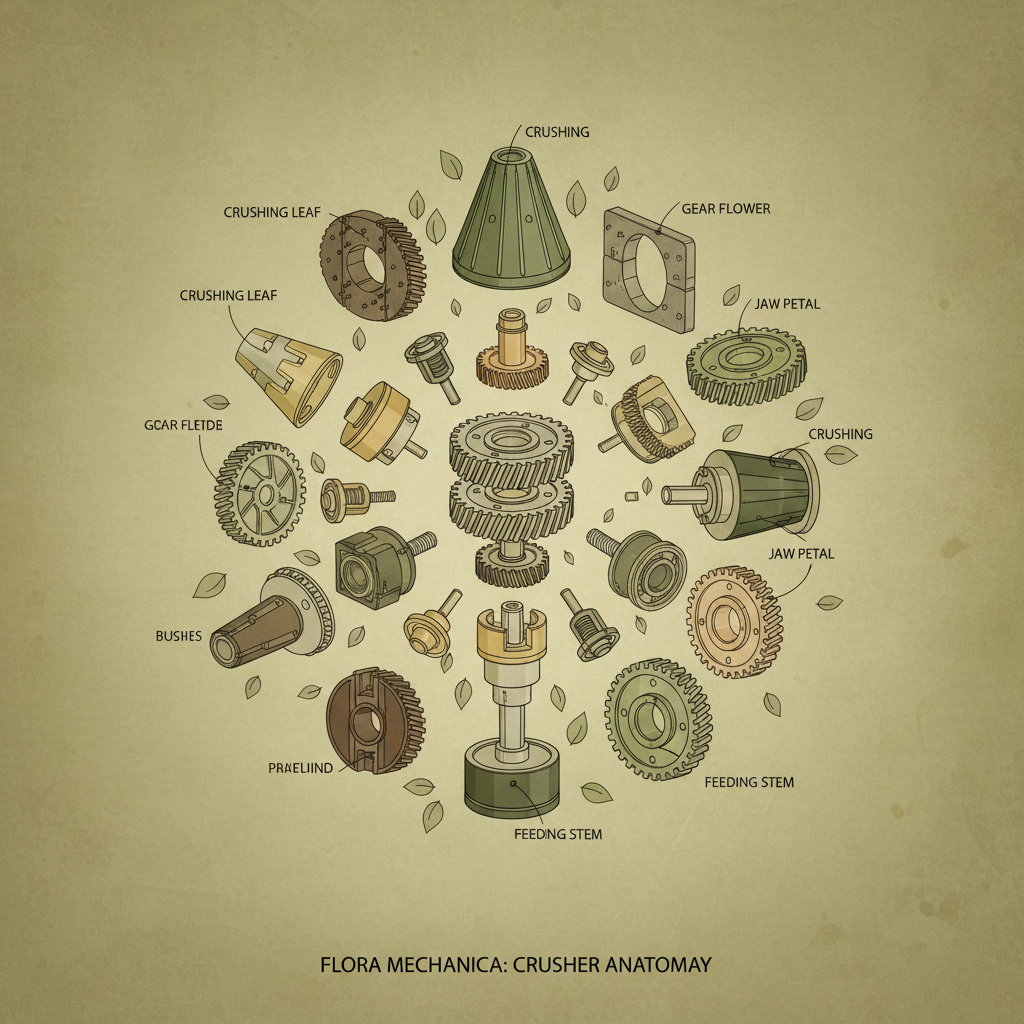
To be honest, this year’s been… hectic. Been running around construction sites from Beijing to Guangzhou, and you see a lot of changes. Everyone’s talking about prefabrication now, you know? Modular stuff. It’s not new, not at all, but it’s finally gaining traction. Less reliance on on-site labor, faster turnaround. Sounds great on paper, right? But the devil’s in the details, as always. And those details usually involve cone crusher parts pdf. I've been seeing more and more demand for higher quality components, because frankly, the cheap stuff just doesn’t last.
Have you noticed how everyone's obsessed with “smart” everything? Smart concrete, smart rebar… Makes you wonder what’s next, smart dust? But even with all the new tech, you still need solid, reliable parts. And that’s where things get tricky. Too many designers get caught up in the theoretical, the simulations. They forget what it’s actually like to work with this stuff. I encountered this at a factory in Shandong last time, a new automated line they’d installed. Looked impressive, all flashing lights and robotic arms. But the parts weren't up to snuff, constant breakdowns. It was a mess.
The biggest issue I see is people underestimating the importance of material selection. They'll go for the cheapest option upfront, and then wonder why everything falls apart after six months. We're talking about things like high-manganese steel for the crusher mantles and concave, for instance. It's got a distinct smell when you're cutting it, almost metallic, but…cleaner than some of the other alloys. Feels substantial in your hand, you know? Not flimsy. And then there's the polymer liners – different formulations for different materials. You gotta get the right one, or it’ll just disintegrate. Strangely, those polymer liners are often the first to go, even though they should be the sacrificial parts.
Industry Trends and Design Pitfalls
The biggest trend? Everything’s going bigger, faster. More demand for higher capacity crushers, especially in mining. But they're also trying to squeeze every last ounce of efficiency out of existing machines. That means pushing the parts harder. Which means needing better parts. The pitfall? Designing for cost, not for longevity. I've seen too many designs that look great on CAD, but fall apart when you actually try to build them. It's a headache.
And another thing… everyone’s trying to copy each other. Too many designs are just slight variations of existing models. Not enough innovation. We need to be thinking outside the box, exploring new materials, new geometries. But that takes investment, and frankly, a lot of companies are too focused on short-term profits.
Material Matters: Steel, Polymers, and the Smell of Quality
Let's talk materials. High-manganese steel, like I said, is the workhorse. It’s got that work-hardened surface, absorbs impact really well. You can tell a good piece of manganese steel just by looking at it, the grain structure is… right. And the smell! It's a distinctive smell. Then you've got the various alloy steels – chromium, molybdenum, nickel. Each one adds different properties. It's a constant balancing act, trying to get the right combination of hardness, toughness, and wear resistance.
Polymers are trickier. There are so many different types, each with its own strengths and weaknesses. Polyurethane, for example, is great for shock absorption, but it doesn't handle high temperatures very well. You've got to consider the operating environment. Is it a hot, dusty environment? Is it exposed to harsh chemicals? These are all things that affect material selection.
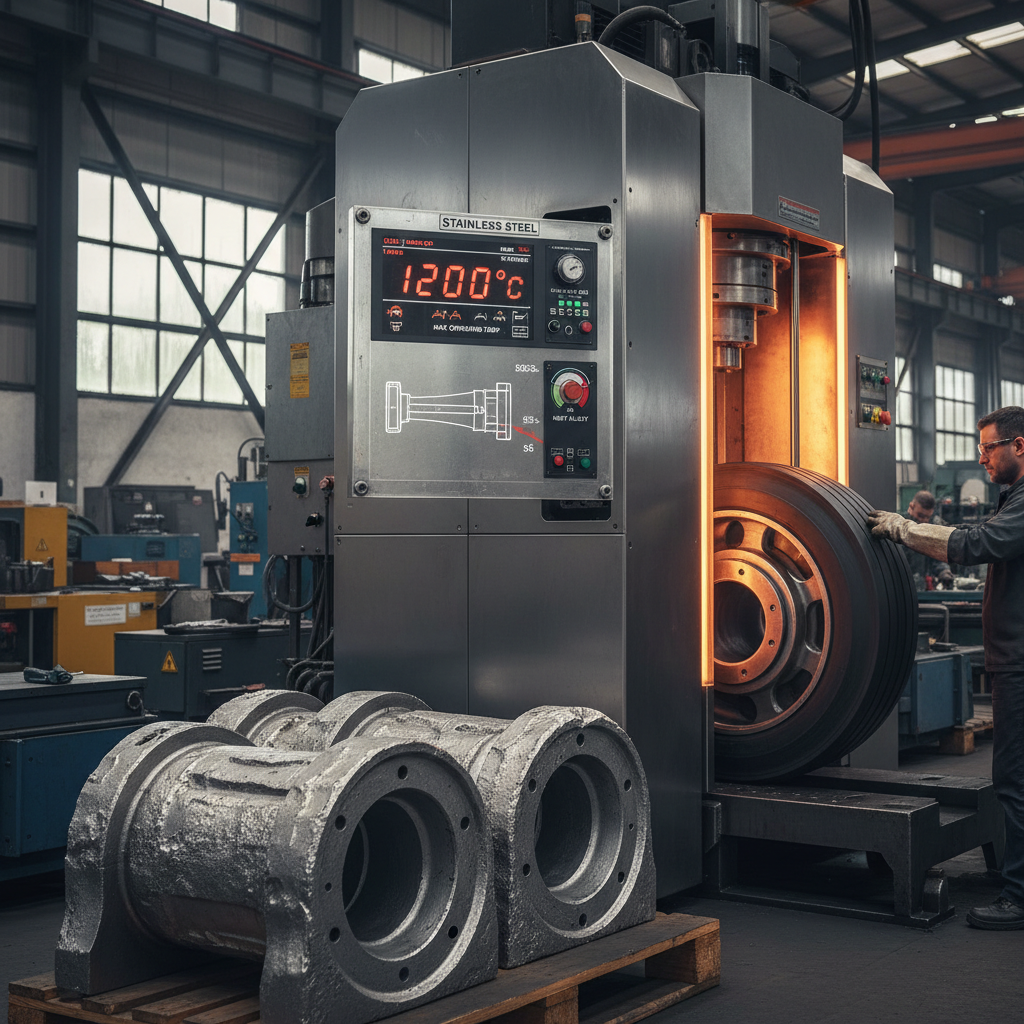
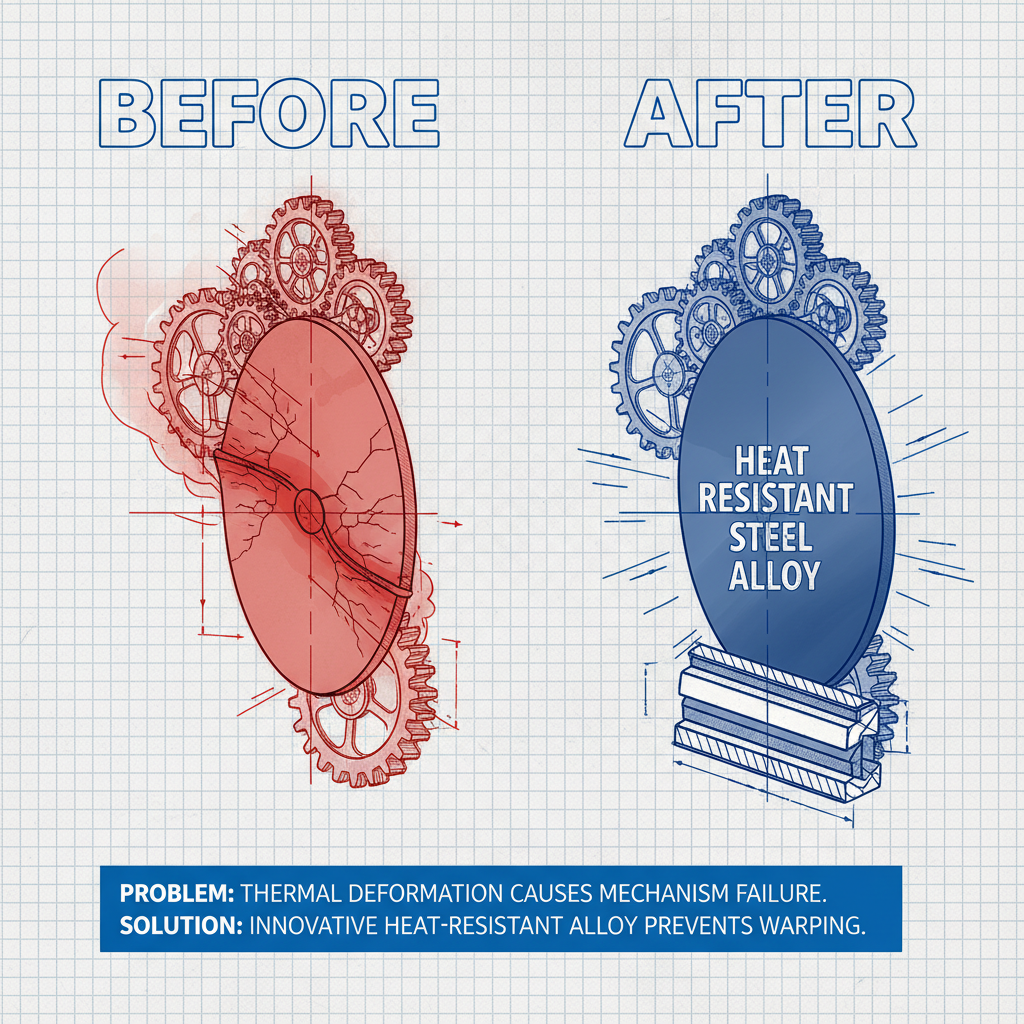
And don't underestimate the importance of proper heat treatment. A poorly heat-treated steel part is just waiting to fail. I once saw a batch of mantles that hadn't been properly quenched, and they cracked within a week. A complete waste of money.
Real-World Testing and Usage: Beyond the Lab
Lab tests are fine, but they don’t tell the whole story. You need to see how these parts perform in real-world conditions. I’ve spent countless hours watching crushers operate, observing wear patterns, talking to the operators. That's where you learn the most. They’ll tell you what works and what doesn’t, and they won’t sugarcoat it.
One thing I've noticed is that users often don’t follow the manufacturer’s recommendations. They'll overload the crusher, use the wrong settings, or neglect proper maintenance. And then they blame the parts when things go wrong. It’s frustrating, but it’s the reality. They’ll also try to "modify" things, which usually ends poorly. I saw a guy weld a plate onto a mantle once...don't ask.
We do a lot of field testing ourselves. We’ll install parts in customers’ crushers and monitor their performance over time. We’ll take measurements, analyze wear patterns, and gather feedback from the operators. It's a messy job, covered in dust and grime, but it’s essential.
Advantages, Disadvantages, and the Art of Customization
Okay, so the advantages of quality cone crusher parts pdf? Durability, obviously. Less downtime, increased productivity, lower overall cost of ownership. It just makes sense. But they’re not perfect. High-quality parts are more expensive upfront. And sometimes, you need to wait longer to get them, especially if they're custom-made.
That brings me to customization. It’s something we offer, and it’s becoming increasingly popular. For example, we had a customer in Australia who was crushing particularly abrasive material. He needed a mantle with a different profile, a different alloy composition. We worked with him to design a custom mantle that met his specific needs. It wasn't cheap, but it saved him a lot of money in the long run.
Cone Crusher Parts pdf Performance Metrics
Customer Story: The Shenzhen Smart Home Snafu
Last month, that small boss in Shenzhen who makes smart home devices – always pushing the envelope, that one – insisted on changing the interface to . Said it was “more modern.” He wanted all our parts to fit his new standard. We warned him it wasn’t designed for the stresses involved in a cone crusher, and would require significant modifications to our existing designs. He didn’t listen.
He ordered a full set of custom mantles and concaves. Cost him a fortune, both in design fees and manufacturing. The first batch lasted… two days. Apparently, the interface wasn’t strong enough to withstand the impact forces. He ended up having to revert back to the standard design, eating a huge loss. I tell ya, some people just have to learn the hard way.
Performance Metrics and Key Considerations
Anyway, I think the biggest things to consider when evaluating cone crusher parts pdf are impact strength, wear resistance, and fatigue life. You need parts that can withstand repeated impacts without cracking or breaking. And they need to last a reasonable amount of time before they need to be replaced. It's a constant trade-off.
Another key consideration is dimensional accuracy. Parts that aren’t properly sized can cause all sorts of problems, from reduced crushing efficiency to premature failure. You need tight tolerances and consistent quality control. I’ve seen too many parts that were just… off. Even by a millimeter.
And don't forget about the little things. The bolts, the washers, the retaining rings. These seemingly insignificant parts can have a big impact on overall performance. They need to be made from high-quality materials and properly hardened.
The Worker's Verdict: A Final Thought
Ultimately, whether this thing works or not, the worker will know the moment he tightens the screw. If it feels solid, if it fits right, if it just feels good, then you’re probably on the right track. Too many engineers forget that. They get lost in the numbers and the simulations, and they lose sight of the human element.
We’re trying to bridge that gap, you know? By spending time on-site, talking to the operators, understanding their needs. Because at the end of the day, it’s not about fancy designs or cutting-edge materials. It’s about building parts that work, that last, and that make the worker’s job a little bit easier. That's all that really matters.
The following table summarizes key characteristics of frequently used cone crusher parts pdf materials.
| Material Type |
Typical Applications |
Pros & Cons |
Cost (Relative) |
| High Manganese Steel (13-18% Mn) |
Crusher Mantles, Concaves |
Excellent impact resistance, work hardening. Prone to corrosion. |
Medium |
| Alloy Steel (Cr-Mo) |
Shafts, Gears, Liners |
High strength, good wear resistance. More brittle than manganese steel. |
High |
| Polyurethane Rubber |
Liner Segments, Impact Plates |
Excellent shock absorption, quiet operation. Limited temperature resistance. |
Low-Medium |
| Ceramic Materials (Alumina) |
Wear-Resistant Inserts |
Extremely high hardness, excellent abrasion resistance. Brittle and expensive. |
Very High |
| Cast Iron (Various Grades) |
Base Frames, Support Structures |
Good damping characteristics, machinable. Lower strength than steel. |
Low |
| High-Strength Composite Materials |
Specialized Liners and Inserts |
Lightweight, high strength-to-weight ratio. Complex manufacturing and higher cost. |
Medium-High |
FAQS
That really depends on the material being crushed, the crusher settings, and the overall operating conditions. But generally, you can expect a high-manganese steel mantle to last anywhere from 500 to 2000 hours. A lot of it comes down to experience and knowing when to replace it before it causes problems. Don't wait for it to completely fail, or you'll risk damaging other parts.
You've got to consider the abrasiveness of the material you're crushing, the impact forces, and the operating temperature. Polyurethane is good for high-impact applications, but it doesn't handle heat very well. Natural rubber is more resilient to temperature fluctuations, but it wears out faster. It's a trade-off. Talk to a supplier who understands your specific needs.
Neglecting lubrication! Seriously. People often forget to grease the bearings and other moving parts. That leads to increased friction, wear, and eventually, catastrophic failure. Regular lubrication is essential for extending the life of your crusher and preventing costly downtime. Check the manufacturer's manual for specific recommendations.
In almost all cases, yes. Cheaper parts might save you money upfront, but they'll wear out faster, leading to more frequent replacements and increased downtime. Premium parts are made from higher-quality materials and are designed to withstand more abuse. They'll pay for themselves in the long run.
Look for signs of excessive wear, such as rounded edges, cracks, or pitting. Also, pay attention to the crusher's performance. If you notice a decrease in crushing efficiency or an increase in vibration, it's probably time to replace the mantle. Don't wait until it fails completely!
Sometimes. Minor damage, such as small cracks, can be repaired by welding. But if the damage is extensive, it's usually better to replace the part. Repairing a severely damaged part can compromise its structural integrity and lead to premature failure. It's a risk you generally don't want to take.
Conclusion
So, there you have it. Cone crusher parts pdf, it's not the sexiest topic, but it’s a critical one. From the latest trends in prefabrication to the importance of material selection and proper maintenance, there’s a lot to consider. The industry is constantly evolving, and it’s important to stay up-to-date on the latest technologies and best practices.
Ultimately, whether this thing works or not, the worker will know the moment he tightens the screw. And we as engineers need to make sure that when he does, it feels right. It feels solid. It feels like it’s going to last. Because at the end of the day, that’s all that really matters. Visit our website for more information on cone crusher parts.