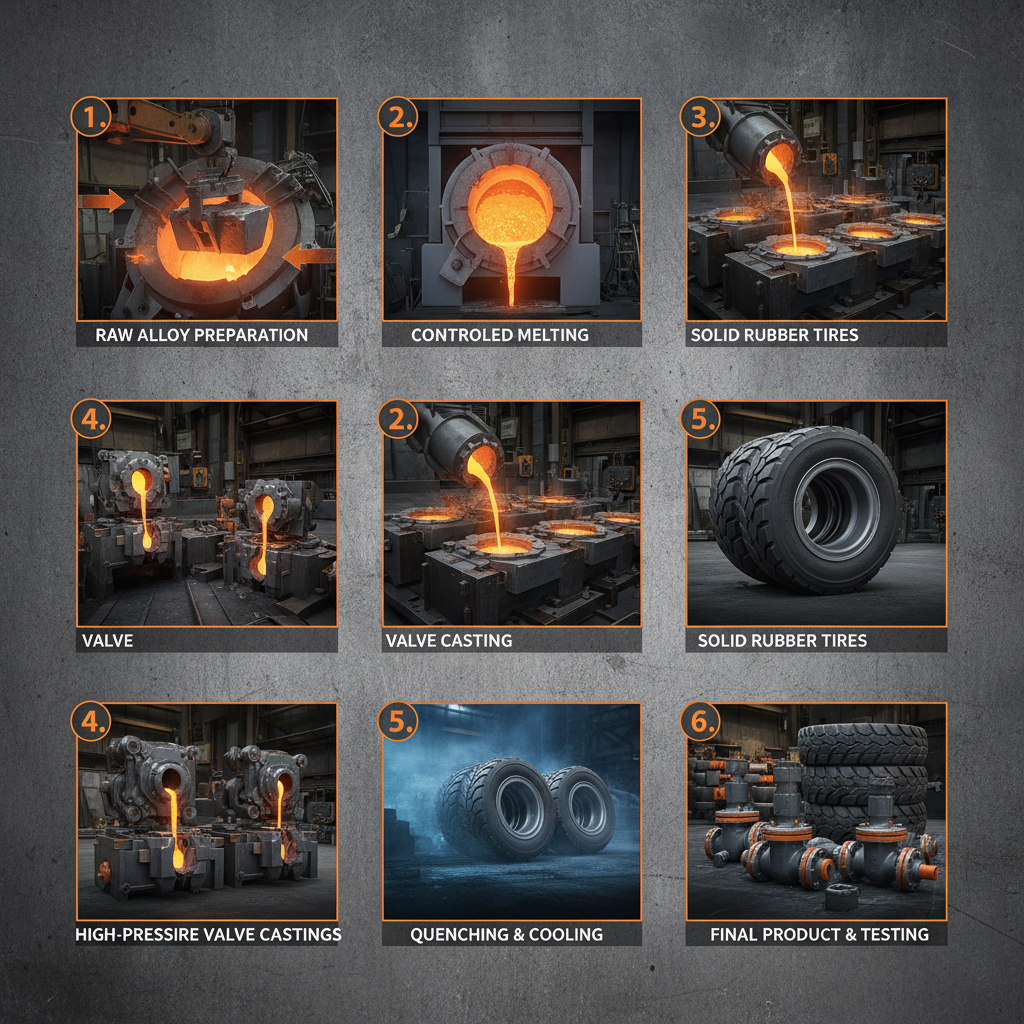
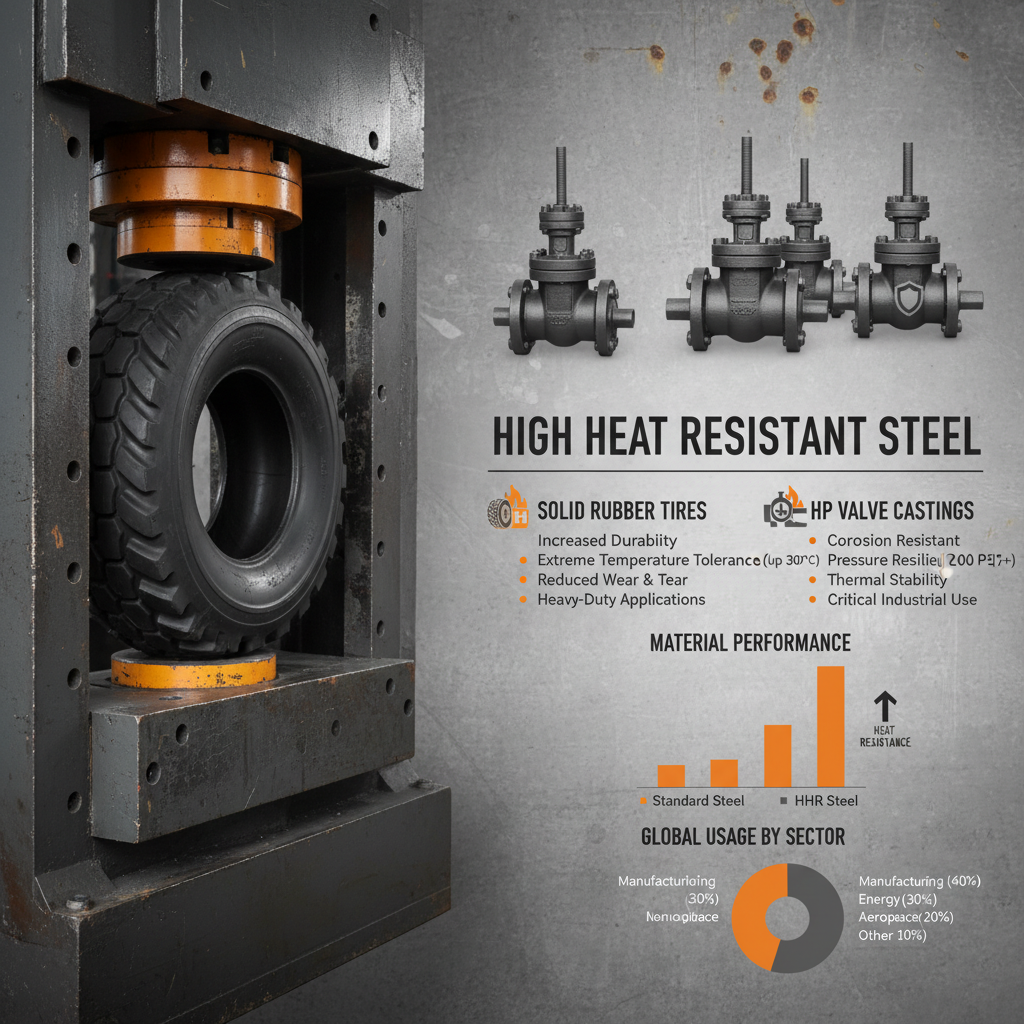
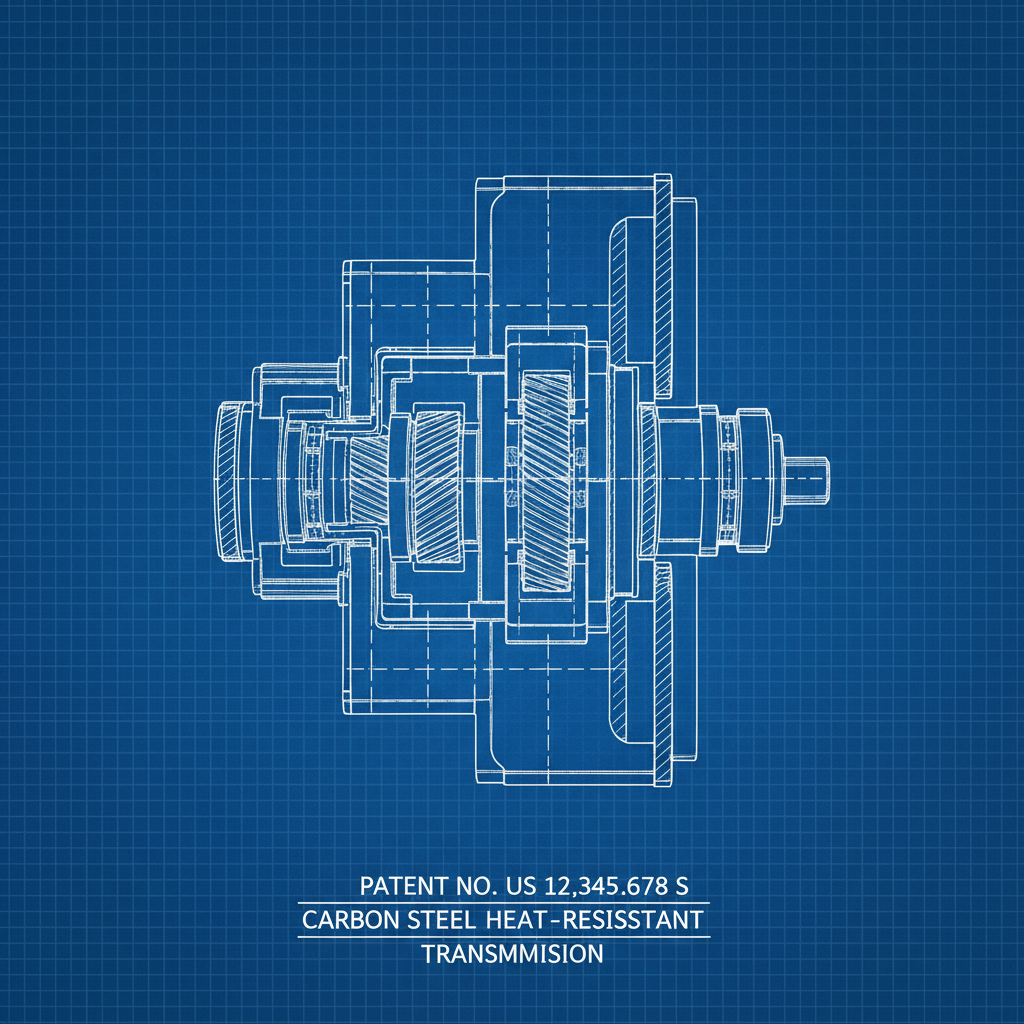
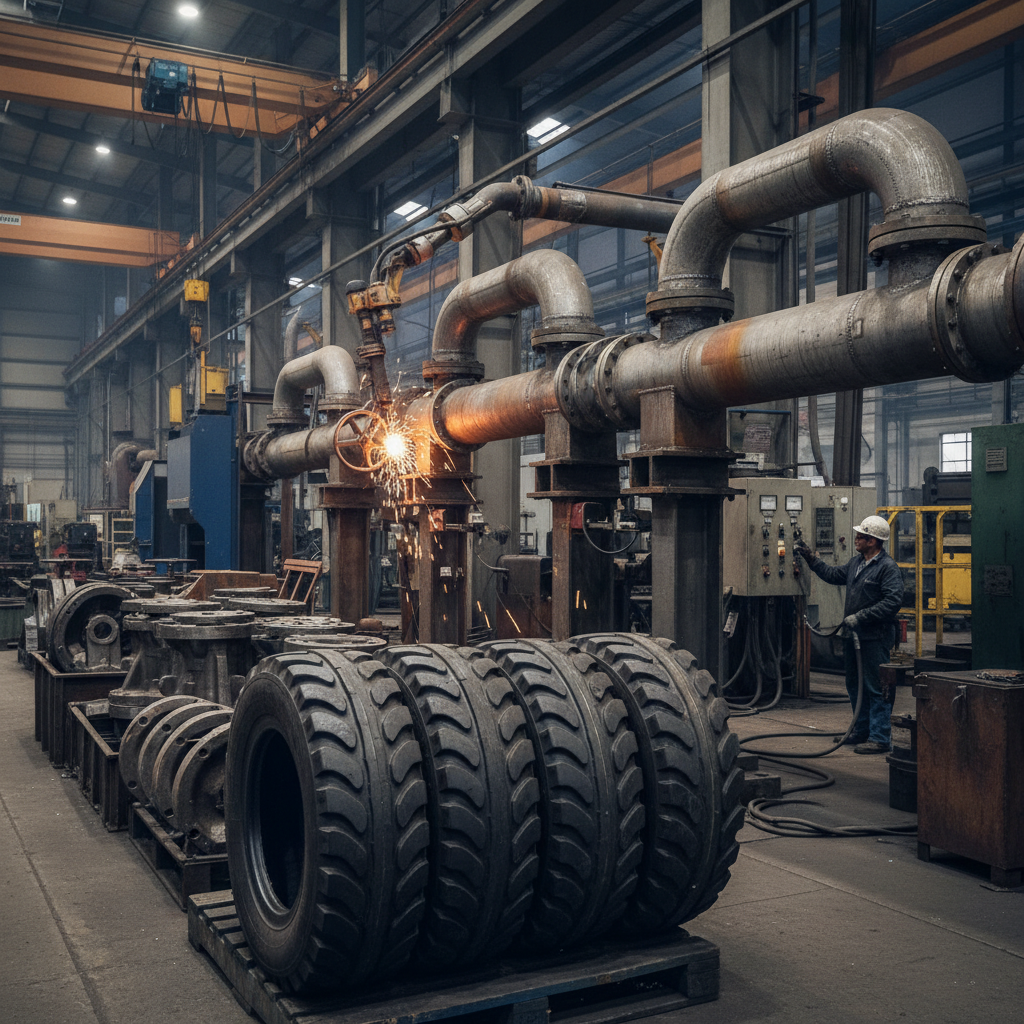
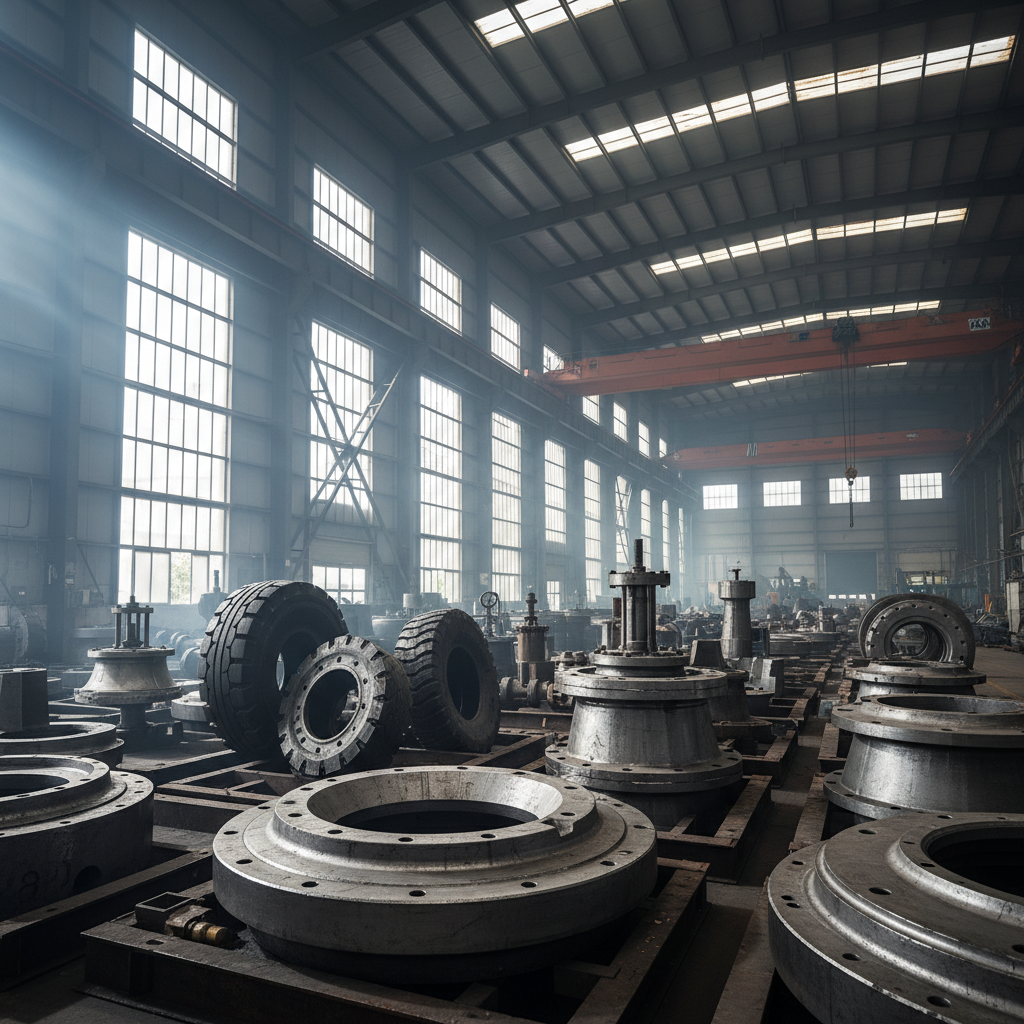
In the demanding world of heavy industry, the ability of materials to withstand extreme thermal stress is not just a technical requirement but a critical safety necessity. high heat resistant steel serves as the backbone for countless high-temperature applications, ensuring that machinery operating in volcanic-like conditions maintains its structural integrity and operational efficiency.
From the depths of mine crusher components to the heart of industrial furnaces, the choice of metallurgy determines the lifespan of the equipment. Understanding the nuances of these alloys allows engineers to push the boundaries of productivity, reducing unplanned downtime and mitigating the risks of catastrophic thermal failure.
This comprehensive guide explores the multifaceted world of heat-resistant alloys, examining why high heat resistant steel is indispensable for modern manufacturing, how it is engineered to resist oxidation and creep, and how it empowers industries to operate in the most hostile environments on Earth.
Global Importance of High Heat Resistant Steel
The global demand for high heat resistant steel is driven by the relentless pursuit of energy efficiency and higher processing temperatures. According to industrial standards aligned with ISO guidelines, the ability of a material to resist "creep"—the slow deformation under high stress and temperature—is the primary metric for success in heavy casting. As global infrastructure expands, particularly in mining and power generation, the reliance on these specialized alloys has grown exponentially.
The challenge lies in the extreme environments where these materials operate. In sectors like mine crushing, components are subjected to simultaneous abrasive wear and intense heat, which can lead to rapid degradation of standard carbon steels. By implementing heat-resistant alloys, industries can significantly extend the mean time between failures (MTBF), ensuring that global supply chains for raw materials remain uninterrupted.
Defining High Heat Resistant Steel in Modern Industry
In simple terms, high heat resistant steel refers to a class of alloys specifically engineered to maintain their mechanical properties—such as yield strength, hardness, and ductility—at temperatures where conventional steels would soften or oxidize. These materials are typically alloyed with elements like chromium, nickel, molybdenum, and vanadium to create a stable microstructure that resists thermal decomposition.
Beyond the chemistry, these steels are designed to solve a fundamental humanitarian and economic problem: the cost of failure. When a critical component in a smelting plant or a large-scale mine crusher fails due to heat stress, the resulting downtime can cost millions of dollars per hour and pose severe safety risks to onsite personnel. Therefore, these alloys represent a marriage of advanced chemistry and practical engineering.
Modern industry classifies these materials based on their operating range, from those that handle moderate heat in automotive exhausts to those capable of surviving the white-hot interiors of blast furnaces. The evolution of these materials is closely linked to the development of "superalloys," pushing the boundaries of what is physically possible in metallurgy.
Core Components of Thermal Durability
The first pillar of high heat resistant steel is Oxidation Resistance. At high temperatures, steel naturally reacts with oxygen to form scale, which thins the material. By adding chromium, a protective oxide layer forms on the surface, acting as a shield that prevents further corrosion and preserves the component's thickness.
Creep Strength is perhaps the most vital characteristic of high heat resistant steel. Creep occurs when a material is subjected to constant stress at high temperatures, causing it to slowly deform over time. The inclusion of refractory elements like tungsten and molybdenum stabilizes the grain boundaries, preventing the steel from "stretching" under load.
Finally, Thermal Fatigue Resistance ensures that the material can survive repeated heating and cooling cycles without cracking. This is achieved through precise control of the coefficient of thermal expansion, ensuring that the high heat resistant steel expands and contracts uniformly, reducing internal stresses that lead to thermal shock.
Industrial Applications and Use Cases
The practical application of high heat resistant steel is most evident in the mining and metallurgy sectors. For instance, the mechanical parts of mine crushers often operate in environments where friction generates immense heat. Utilizing heat-resistant alloys in these parts prevents the loss of hardness, ensuring that the crushing edges remain sharp and effective for longer periods.
In remote industrial zones, such as the mining belts of Australia or the smelting hubs of Southeast Asia, the reliability of these materials is paramount. Because transporting replacement parts to these locations is costly and slow, the longevity provided by high heat resistant steel directly impacts the profitability of the operation.
Comparative Performance of High Heat Resistant Steel Variants
Long-Term Value and Sustainability
Investing in high heat resistant steel provides a tangible logical benefit: a lower Total Cost of Ownership (TCO). While the initial procurement cost of specialized alloys is higher than that of standard steel, the reduction in replacement frequency and the avoidance of emergency shutdowns create a far more sustainable financial model.
From an emotional and safety perspective, the reliability of these materials fosters trust. Operators can work with the confidence that their equipment will not fail under pressure, ensuring a safer work environment. Furthermore, longer-lasting parts mean less scrap metal and lower energy consumption associated with the repeated casting and shipping of replacement components.
Future Trends in Metallurgy
The future of high heat resistant steel is being shaped by the drive toward "Green Steel" and carbon neutrality. Researchers are exploring new alloying elements that provide the same thermal stability but require lower energy inputs during the smelting process, reducing the overall carbon footprint of the casting industry.
Digital transformation is also playing a role through the use of "Digital Twins." By creating a virtual model of a component made from high heat resistant steel, engineers can predict exactly when thermal fatigue will set in, allowing for predictive maintenance rather than reactive repairs.
Additionally, the rise of additive manufacturing (3D printing) for metals is allowing for the creation of complex internal cooling channels within heat-resistant parts. This innovation allows the steel to be cooled internally, effectively raising its operating temperature limit even further than traditional casting allows.
Overcoming Implementation Challenges
Despite its benefits, the implementation of high heat resistant steel comes with challenges, primarily regarding weldability and machining. The same elements that make the steel resistant to heat often make it difficult to weld using traditional methods, as they can lead to "hot cracking" during the cooling process.
To overcome this, expert metallurgists recommend specialized pre-heating and post-weld heat treatment (PWHT) protocols. By carefully controlling the cooling rate, the internal stresses are relieved, and the structural integrity of the weld is maintained, ensuring the component remains a cohesive unit under thermal load.
Another hurdle is the cost of precision machining. high heat resistant steel is inherently tough, which wears down cutting tools quickly. The solution lies in the adoption of advanced CNC tooling and diamond-tipped inserts, which allow for precise tolerances without compromising the material's surface integrity.
Comparative Analysis of High Heat Resistant Steel Performance Metrics
| Alloy Type |
Max Operating Temp (°C) |
Oxidation Resistance |
Cost-to-Life Ratio |
| Low-Alloy Heat Steel |
550-650 |
Moderate |
Economy |
| Chromium-Nickel Steel |
700-850 |
High |
Balanced |
| Molybdenum-Enhanced |
800-950 |
Very High |
Premium |
| Austenitic Stainless |
600-800 |
Excellent |
Moderate |
| Nickel-Base Superalloy |
1000+ |
Superior |
High Investment |
| Vanadium-Cast Steel |
650-750 |
High |
Efficient |
FAQS
A steel is classified as high heat resistant when it contains specific alloying elements like Chromium, Nickel, and Molybdenum. These elements prevent the metal from softening at high temperatures and create a protective oxide layer that stops the steel from rusting or "scaling" when exposed to extreme heat, ensuring the part maintains its shape and strength.
While standard stainless steel is designed primarily for corrosion resistance at room temperature, high heat resistant steel is optimized for mechanical strength at elevated temperatures. It focuses on preventing "creep" (permanent deformation) and thermal fatigue, making it suitable for furnace parts and crusher components where stainless steel might warp.
Yes, but it requires specialized techniques. Due to the alloy composition, these steels are prone to hot cracking. To prevent this, technicians must use compatible filler metals and implement precise pre-heating and post-weld heat treatment (PWHT) to ensure the weld zone is as strong as the base material.
Absolutely. Although the upfront cost is higher, the "cost-per-hour" of operation is significantly lower. By extending the lifespan of mechanical parts and reducing the frequency of emergency shutdowns, companies save more on maintenance and lost production than they spend on the premium material.
The primary beneficiaries are those in the general equipment manufacturing sector, specifically in black metal casting. This includes power plant operators, cement kilns, petrochemical refineries, and mining operations that use heavy-duty crushers and grinding mills.
The choice depends on three factors: the maximum operating temperature, the presence of corrosive gases, and the mechanical load. We recommend consulting a metallurgy expert to balance the need for creep strength versus oxidation resistance based on your specific industrial environment.
Conclusion
The integration of high heat resistant steel into heavy industrial components is a strategic necessity for any operation aiming for peak efficiency and safety. By mastering the balance of oxidation resistance, creep strength, and thermal fatigue, these alloys allow the mining and casting industries to operate under conditions that would destroy ordinary materials, ultimately securing the stability of the global industrial infrastructure.
Looking ahead, the synergy of green metallurgy and digital monitoring will further enhance the value of these materials. We encourage industry leaders to move beyond a "lowest-cost" procurement mindset and instead embrace a "long-term value" approach, ensuring their equipment is built to last in the face of extreme thermal challenges. For professional casting solutions and high-performance alloys, visit our website: www.dzmccasting.com.