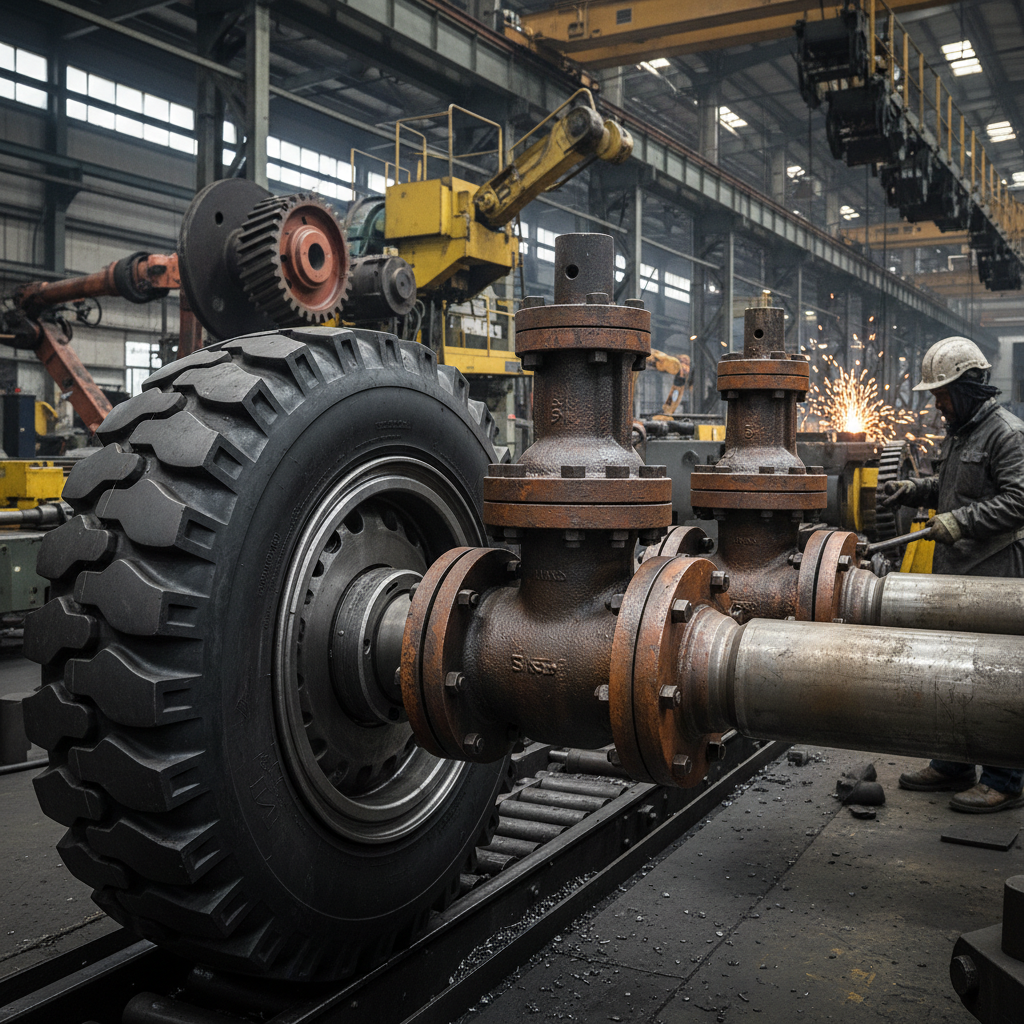
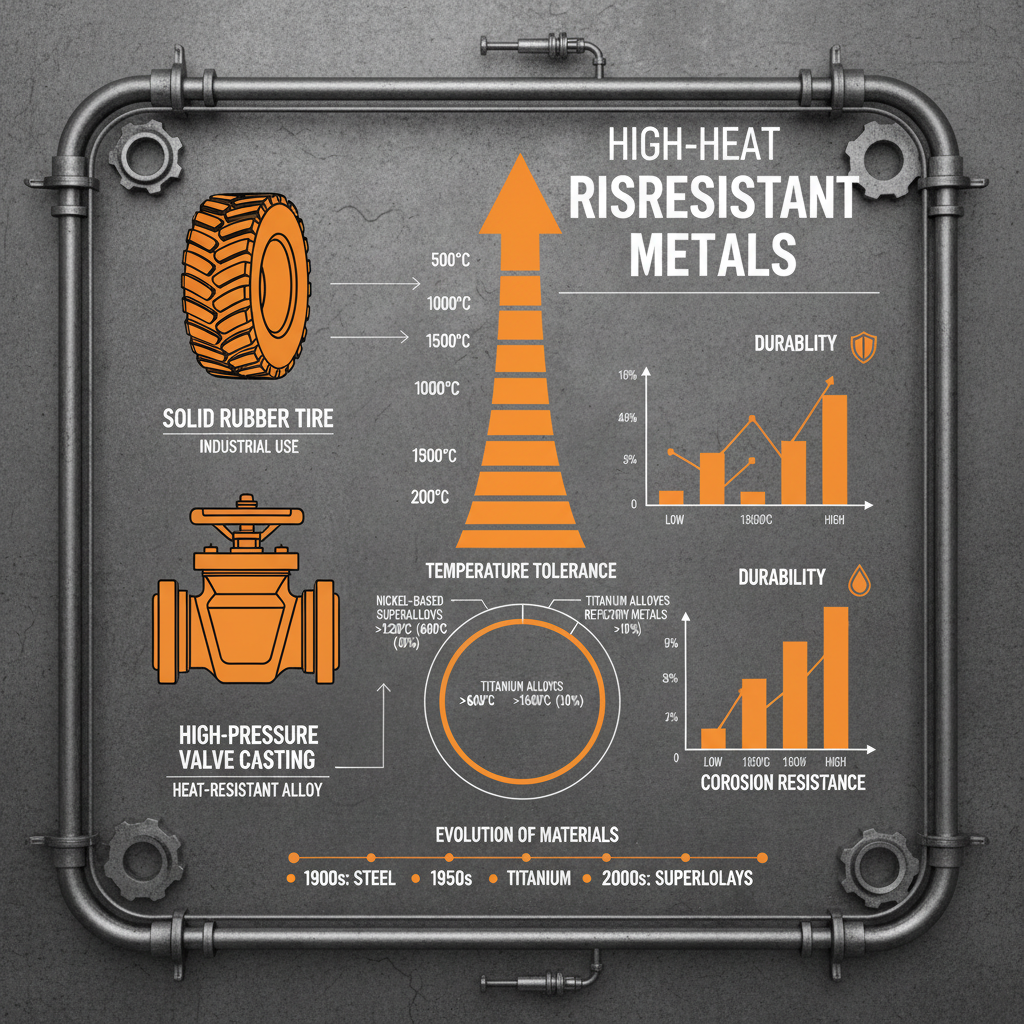
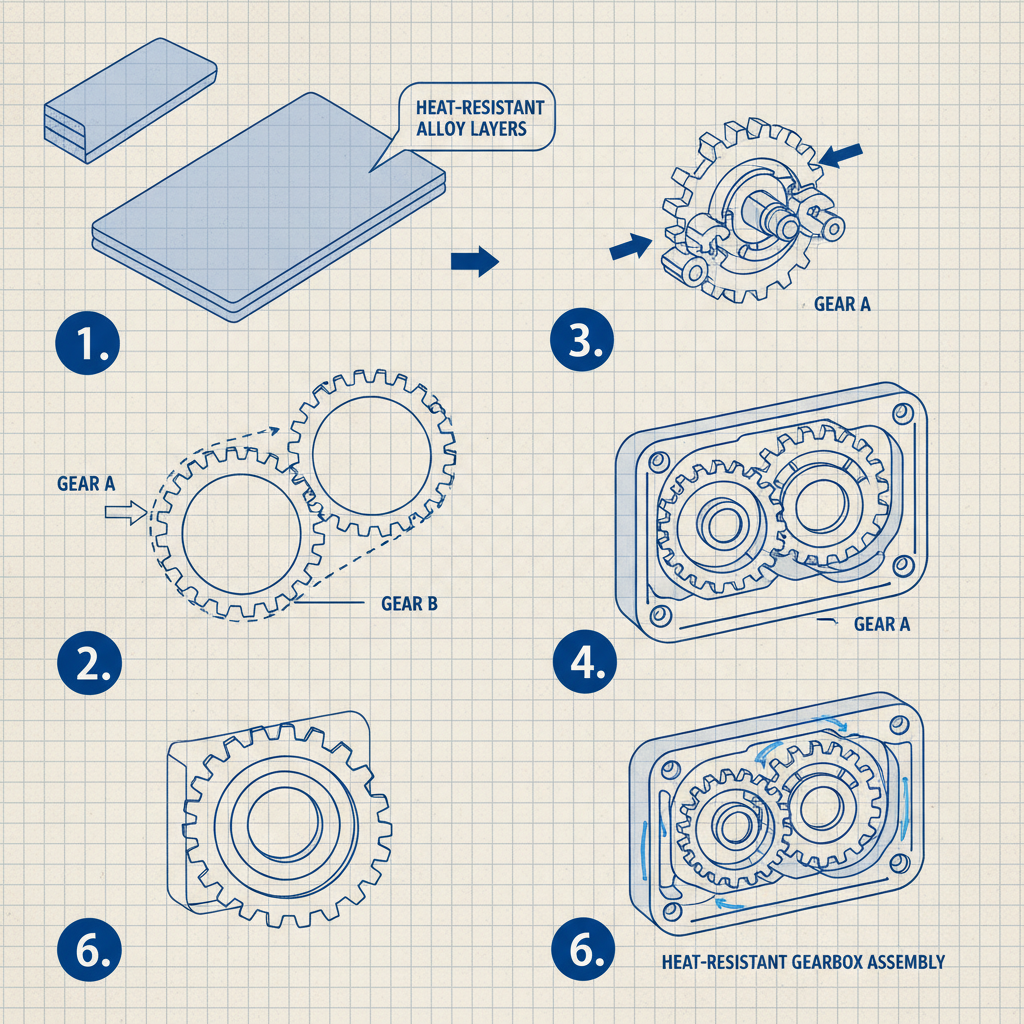
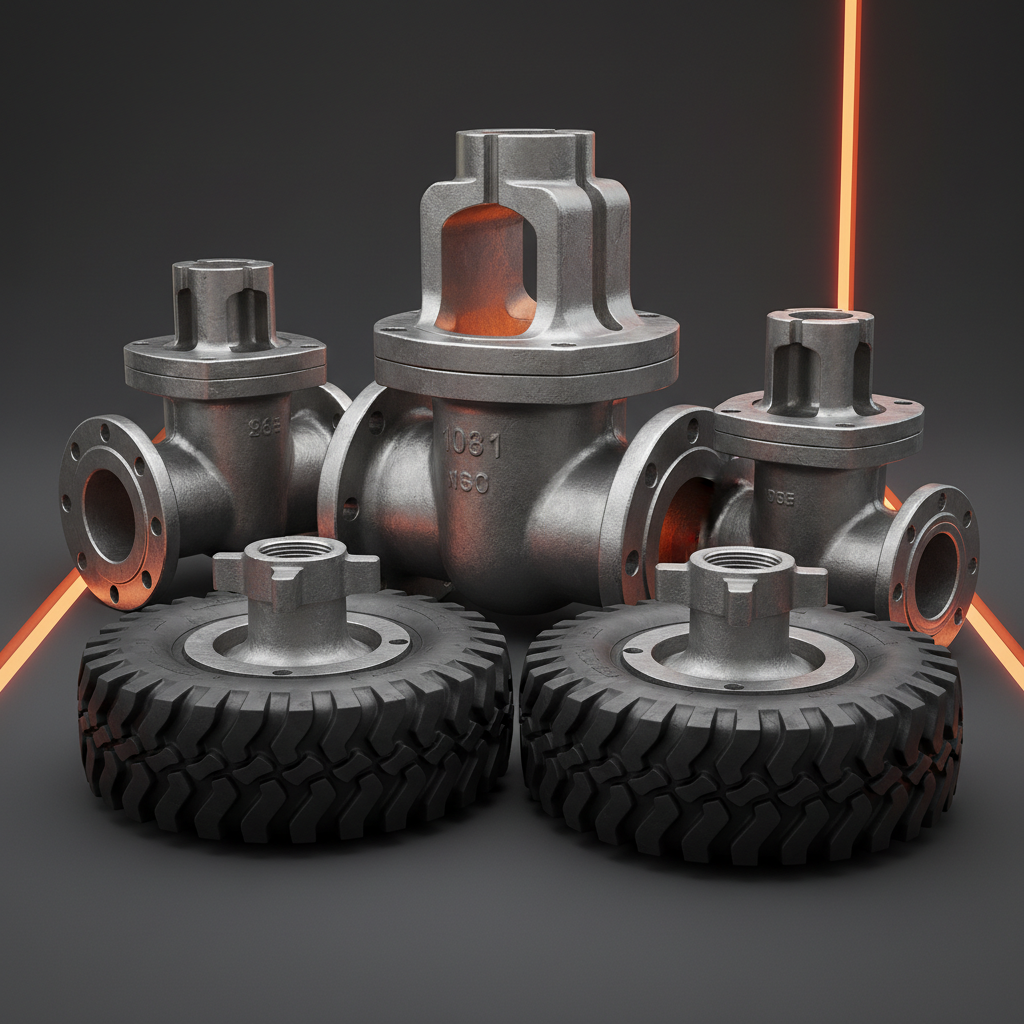
The pursuit of operational efficiency in heavy industry often hinges on the resilience of materials under extreme conditions. A high heat resistant metal is not merely a technical specification but the backbone of modern thermal engineering, ensuring that critical machinery survives temperatures that would liquefy or warp standard alloys. From the depths of mining crushers to the cores of industrial furnaces, the ability of a metal to retain its structural integrity while exposed to intense heat is what separates high-performance assets from frequent, costly failures.
Globally, the demand for these specialized materials is surging as industries push the boundaries of thermodynamic efficiency. When we discuss the implementation of high heat resistant metal, we are addressing the challenge of thermal expansion, oxidation, and creep—the slow deformation of materials under mechanical stress at high temperatures. Without these advanced metallurgical solutions, the energy sector, aerospace, and heavy manufacturing would face insurmountable bottlenecks in production and safety.
Understanding the nuances of these metals allows engineers to optimize the lifecycle of mechanical parts, particularly in the most demanding environments. By integrating high heat resistant metal into the design of mine crusher components and heat-resistant steel products, companies can significantly reduce downtime and maintenance costs. This guide explores the technical foundations, global applications, and future innovations that make these materials indispensable to the modern industrial landscape.
Global Relevance of High Heat Resistant Metal
In the current global industrial climate, the reliance on high heat resistant metal has become a critical factor for economic stability. According to ISO standards for metallurgy, the ability of a material to withstand thermal cycling without fatigue is paramount for the longevity of infrastructure. As the world moves toward higher energy densities and more aggressive mining operations, the failure of a single heat-stressed component can lead to catastrophic losses, making the adoption of superior alloys a global priority.
The challenge lies in the aggressive environments of the 21st century, where mechanical parts of mine crushers are subjected to both extreme frictional heat and corrosive chemical exposure. The global supply chain depends on the stability of these materials to ensure that smelting, forging, and crushing operations remain uninterrupted. By investing in the research and deployment of advanced thermally stable metals, industries are not just improving a part; they are safeguarding the entire production pipeline.
Defining High Heat Resistant Metal and Its Industrial Role
Simply put, a high heat resistant metal is an alloy specifically engineered to maintain its mechanical properties—such as hardness, tensile strength, and ductility—at temperatures where conventional steels would soften or oxidize. These materials often utilize a complex blend of chromium, nickel, cobalt, and molybdenum to create a stable microscopic structure that resists the "creep" phenomenon, ensuring that a part does not deform over time under constant high-temperature stress.
In the context of modern industry, these metals are the unsung heroes of efficiency. Whether it is the heat-resistant steel products used in industrial kilns or the reinforced components in high-pressure turbines, these materials allow systems to operate at higher temperatures. Higher operating temperatures generally equate to higher thermodynamic efficiency, meaning less fuel is wasted and more energy is extracted from every process.
Furthermore, the connection to humanitarian and environmental needs is evident in the push for cleaner energy. High-temperature alloys enable the creation of more efficient waste-to-energy plants and advanced geothermal systems. By utilizing high heat resistant metal, we can build machinery that lasts longer and operates more cleanly, reducing the frequency of replacement and the subsequent environmental footprint of metal production.
Core Components of Thermal Durability
The efficacy of a high heat resistant metal is determined by its oxidation resistance. This is the material's ability to form a protective oxide layer on its surface, which acts as a shield against further atmospheric corrosion at high temperatures. Without this "passive layer," the metal would rapidly degrade, leading to thinning walls and eventual structural collapse in high-heat environments.
Thermal stability and creep resistance are equally vital. Creep is the tendency of a solid material to move slowly or deform permanently under the influence of persistent mechanical stresses. In the case of a high heat resistant metal, the addition of refractory elements like tungsten or tantalum helps pin the grain boundaries of the metal, preventing the atoms from sliding and ensuring the part maintains its exact dimensions over years of service.
Finally, the coefficient of thermal expansion (CTE) must be carefully managed. When a metal is heated and cooled repeatedly, it expands and contracts. If this expansion is too volatile, it creates internal stresses that lead to thermal fatigue and cracking. A premium high heat resistant metal is designed with a controlled CTE to ensure that joints and interfaces remain tight and secure throughout thousands of thermal cycles.
Performance Metrics for Industrial Application
Selecting the right material requires a data-driven approach, comparing different alloys based on their operational thresholds. When evaluating a high heat resistant metal, engineers look at the balance between hardness and toughness. While high hardness prevents wear, too much brittleness can lead to sudden fractures under the impact loads typical of mine crusher mechanical parts.
The following analysis demonstrates how different variations of thermally stable alloys perform across key industrial metrics. By quantifying these attributes, we can determine which specific alloy composition is best suited for a given thermal environment, whether it's the extreme heat of a blast furnace or the sustained friction of a heavy-duty crusher.
Comparison of High Heat Resistant Metal Alloy Performance
Global Applications and Use Cases
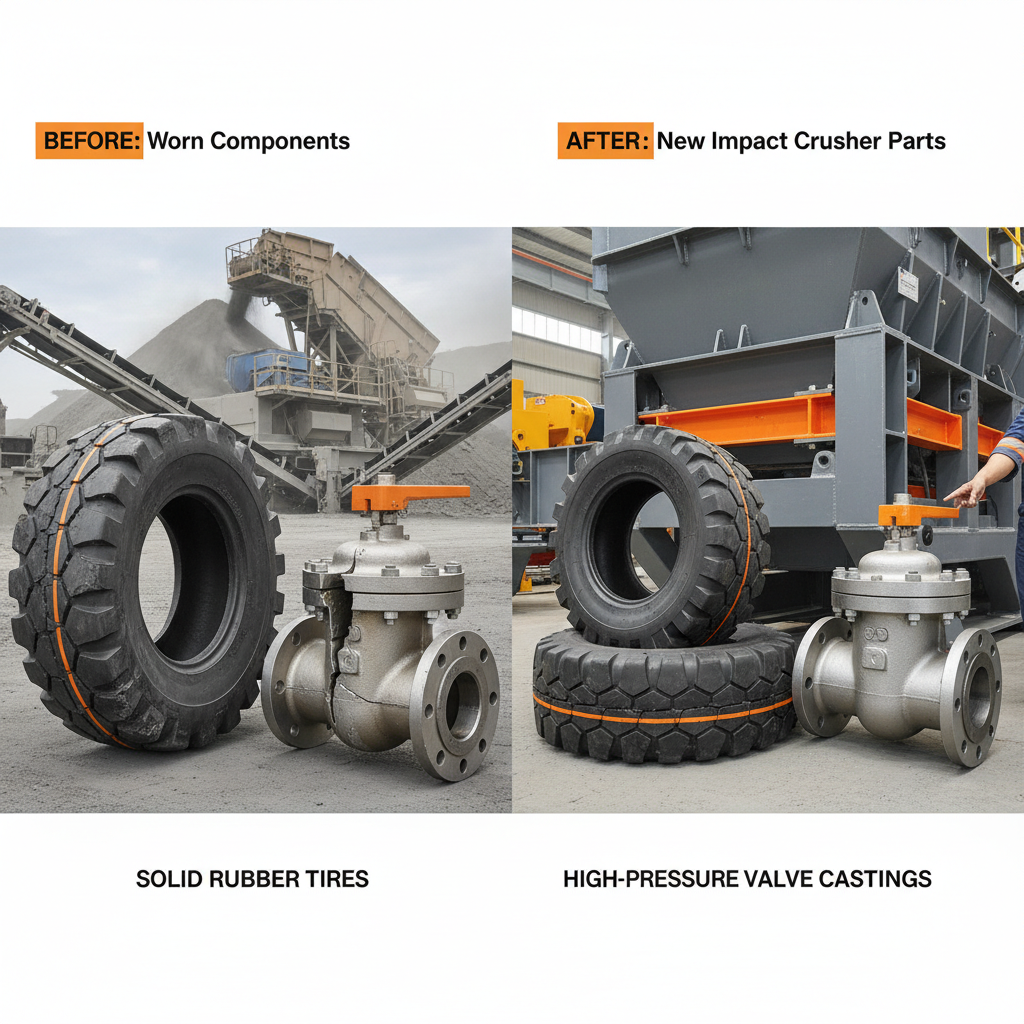
In the mining sector, particularly in remote industrial zones like the Australian Outback or the Andes, the use of high heat resistant metal in mechanical parts of mine crushers is a necessity. These machines process thousands of tons of abrasive ore daily; the resulting friction generates immense heat. If the components are not made from thermally stable alloys, the metal would soften, leading to rapid wear and catastrophic failure of the crusher's jaw or cone.
Beyond mining, these materials are critical in the energy sector. For example, in concentrated solar power plants, heat transfer fluids reach extreme temperatures. The pipes and valves must be constructed from high heat resistant metal to prevent leaks and explosions. Similarly, in the aerospace industry, turbine blades are cast from single-crystal superalloys to withstand the inferno of a jet engine, proving that these materials are essential for both terrestrial industry and global transport.
Long-Term Value and Sustainability
The investment in high heat resistant metal offers tangible long-term economic value. While the initial procurement cost of a superalloy is higher than that of standard carbon steel, the Total Cost of Ownership (TCO) is significantly lower. By extending the interval between maintenance shutdowns from three months to a year, a facility can realize millions of dollars in additional production revenue and reduced labor costs.
From a sustainability perspective, these materials contribute to a circular economy by reducing waste. Parts that last longer mean fewer replacements are cast and shipped globally, reducing the carbon footprint associated with metallurgy and logistics. Moreover, the increased efficiency of high-temperature processes means less fuel is burned to achieve the same industrial output, aligning heavy manufacturing with global green energy goals.
Ultimately, the value lies in trust and safety. When a plant manager knows that their heat-resistant steel products can handle a 20% surge in temperature without failing, they can optimize their processes for maximum output without risking the safety of their personnel. This reliability fosters innovation, as engineers feel confident pushing the limits of what their machinery can achieve.
Future Trends in Heat Resistant Metallurgy
The future of high heat resistant metal is being shaped by the intersection of digital transformation and material science. Additive manufacturing (3D printing) is allowing for the creation of complex internal cooling channels within metal parts. This means that while the metal itself is heat resistant, it can also be actively cooled, allowing it to operate in environments that were previously thought impossible.
Furthermore, the development of "High-Entropy Alloys" (HEAs) is revolutionizing the field. Unlike traditional alloys based on one primary metal, HEAs mix five or more elements in equal proportions. This creates a disordered atomic structure that is exceptionally stable at extreme temperatures, potentially replacing current superalloys in the next decade of aerospace and nuclear energy development.
Automation and AI are also playing a role in optimizing the casting process. By using machine learning to predict how a high heat resistant metal will shrink during cooling, manufacturers can produce parts with micron-level precision, reducing the need for extensive machining and further lowering the cost of entry for these advanced materials.
Analysis of Next-Generation Heat Resistant Materials
| Material Type |
Thermal Threshold |
Oxidation Resistance |
Industrial Adoption |
| Nickel Superalloys |
Very High |
Excellent |
Widespread |
| Cobalt-Based Alloys |
High |
Very High |
Specialized |
| High-Entropy Alloys |
Extreme |
Experimental |
Emerging |
| Ceramic-Metal Composites |
Extreme |
Highest |
Limited |
| Molybdenum Alloys |
Very High |
Moderate |
Industrial |
| Refractory Steels |
Moderate-High |
High |
Common |
FAQS
The primary difference lies in the alloying elements and the microscopic grain structure. High heat resistant metals incorporate elements like Nickel, Chromium, and Cobalt, which prevent the metal from recrystallizing or softening at high temperatures. While standard steel begins to lose its structural integrity around 500-600°C, these specialized alloys can maintain their strength well above 1000°C, resisting deformation (creep) and oxidation.
Yes, they are essential. Mine crushers generate immense heat due to the friction of crushing hard ores. Using high heat resistant metal ensures that the components do not warp or wear down prematurely. Specifically, alloys that combine heat resistance with high impact toughness are used to prevent the parts from cracking under the heavy shocks common in mining operations.
Absolutely. The justification comes from the reduction in "downtime." In heavy industry, a single day of unplanned shutdown can cost tens of thousands of dollars. By using high heat resistant metal, you extend the life of the part and reduce the frequency of replacements. When you calculate the total cost of ownership—including labor, replacement parts, and lost production—the premium materials usually pay for themselves within the first year.
You should consider these materials if your components operate consistently above 400°C, if you notice "sagging" or deformation of parts over time (creep), or if your metal parts are scaling and flaking due to oxidation. If your equipment is in a high-friction environment, like a crusher or a furnace, standard alloys will likely fail, and a specialized heat-resistant solution is required.
They can, but they require specialized techniques. Because they are designed to resist heat, they are often more difficult to weld and machine. Specialized welding filler materials and low-speed, high-torque machining processes are typically used to avoid introducing internal stresses or overheating the material during fabrication, which could compromise its thermal properties.
While the production of these alloys is energy-intensive, their "eco-friendliness" comes from their longevity. By lasting 3-5 times longer than standard metals, they reduce the overall amount of raw material extracted and processed. Furthermore, by allowing industrial plants to operate at higher, more efficient temperatures, they directly contribute to lower fuel consumption and reduced CO2 emissions per unit of production.
Conclusion
The integration of high heat resistant metal is a cornerstone of industrial resilience. From the critical mechanical parts of mine crushers to the specialized heat-resistant steel products used in energy generation, these materials solve the fundamental problem of thermal degradation. By mastering the balance of oxidation resistance, creep strength, and thermal stability, industries can move away from a cycle of constant repair and toward a model of sustained, high-efficiency operation.
As we look toward the future, the evolution of High-Entropy Alloys and additive manufacturing will continue to push the boundaries of what is possible. For companies looking to optimize their production lines and reduce long-term operational costs, upgrading to superior thermally stable materials is no longer an option—it is a competitive necessity. To explore how the right metallurgical choices can transform your equipment's lifespan, visit our website: www.dzmccasting.com