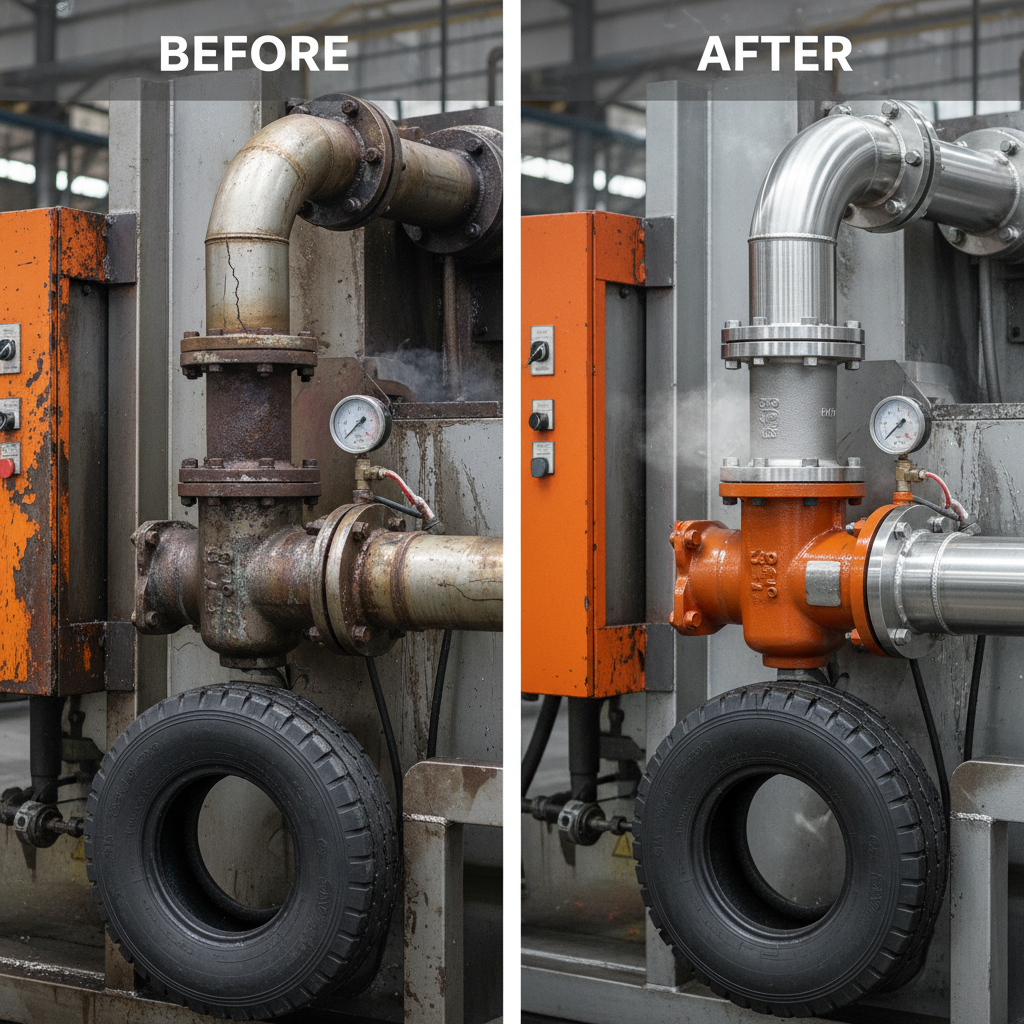
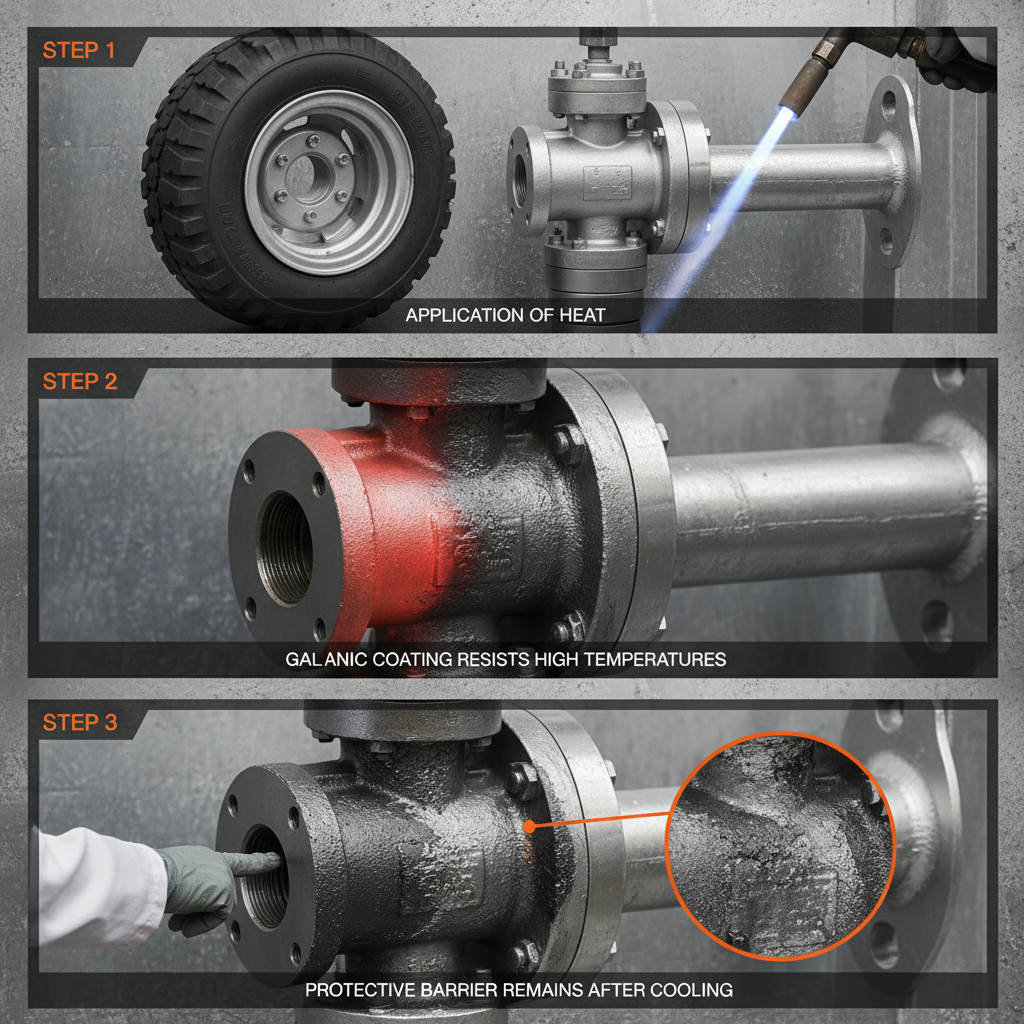
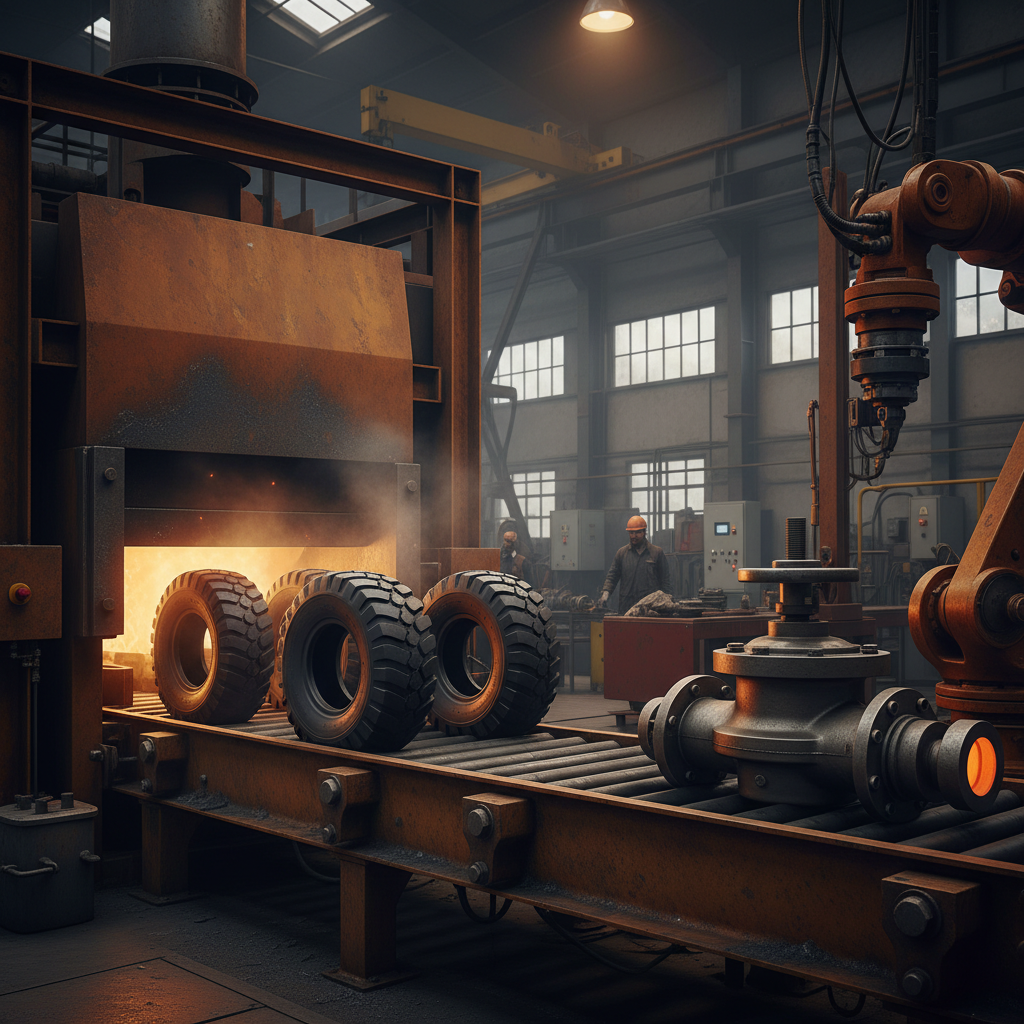
In the demanding environments of modern heavy industry, the integrity of structural components is often tested by extreme thermal loads and corrosive atmospheres. heat resistant steel castings serve as the critical backbone for machinery that must operate at searing temperatures without sacrificing mechanical strength or dimensional stability. Understanding the nuances of these materials is essential for engineers aiming to maximize equipment uptime and safety in sectors ranging from petrochemicals to power generation.
The global shift toward higher efficiency in industrial furnaces and turbine systems has intensified the demand for alloys that can withstand creep and oxidation. By utilizing advanced metallurgical techniques, heat resistant steel castings provide a tailored solution that balances ductility, hardness, and thermal endurance. This ensures that critical parts, such as those used in mine crusher mechanical components, do not fail prematurely under cyclic thermal stress.
Ultimately, the strategic selection of heat-resistant materials is not merely a technical choice but a financial one. Reducing the frequency of unplanned shutdowns through the implementation of high-grade heat resistant steel castings leads to significant long-term operational savings. This comprehensive guide explores the technical foundations, global applications, and future innovations driving the evolution of these essential industrial components.
Global Relevance of Heat Resistant Steel Castings
From a global perspective, the reliance on heat resistant steel castings is intrinsically linked to the expansion of the energy and mining sectors. As ISO standards evolve to demand higher safety margins and lower carbon footprints, the industry is pushed toward materials that can operate at higher temperatures, which inherently increases thermodynamic efficiency. In regions like East Asia and North America, the integration of these castings in waste-to-energy plants has become a cornerstone of urban sustainability.
The primary challenge addressed by these specialized castings is the phenomenon of "creep"—the tendency of a solid material to move slowly or deform permanently under the influence of persistent mechanical stresses. Without the precise alloying found in heat resistant steel castings, critical infrastructure would suffer from catastrophic failure, leading to immense economic losses and environmental hazards.
Defining Heat Resistant Steel Castings in Modern Industry
In simple terms, heat resistant steel castings are specialized metallic components created by pouring molten alloy into a mold, specifically engineered to maintain their structural integrity and resist oxidation when exposed to high temperatures. Unlike standard carbon steels, these alloys incorporate elements like chromium, nickel, and molybdenum to create a protective oxide layer and stabilize the internal crystalline structure.
Their connection to modern industry is profound, as they enable the creation of high-performance mechanical parts of mine crushers and industrial valves that would otherwise melt or warp. In the context of humanitarian needs, these materials are vital for the construction of sustainable power grids and water desalination plants in arid regions, where extreme heat is a constant operational variable.
The "casting" aspect is particularly important because it allows for the production of complex, near-net-shape geometries that would be impossible or prohibitively expensive to machine from forged blocks. This flexibility ensures that heat resistant steel castings can be optimized for specific flow dynamics in turbines or high-impact zones in crushing equipment.
Core Components of Thermal Durability
The durability of heat resistant steel castings is primarily driven by chemical composition. The addition of Chromium is essential for creating a passive layer of chromium oxide, which prevents oxygen from penetrating the metal surface at high temperatures, thus stopping internal corrosion.
Another critical factor is the microstructure stability of heat resistant steel castings. Through precise heat treatment processes, the grains of the steel are refined to prevent "grain boundary sliding," which is the primary mechanism behind creep deformation in high-heat environments.
Lastly, scalability and cost-efficiency are achieved through the optimization of the casting process itself. By utilizing advanced simulation software, manufacturers can predict shrinkage and porosity, ensuring that heat resistant steel castings meet strict tolerances while minimizing raw material waste.
Performance Metrics and Material Efficiency
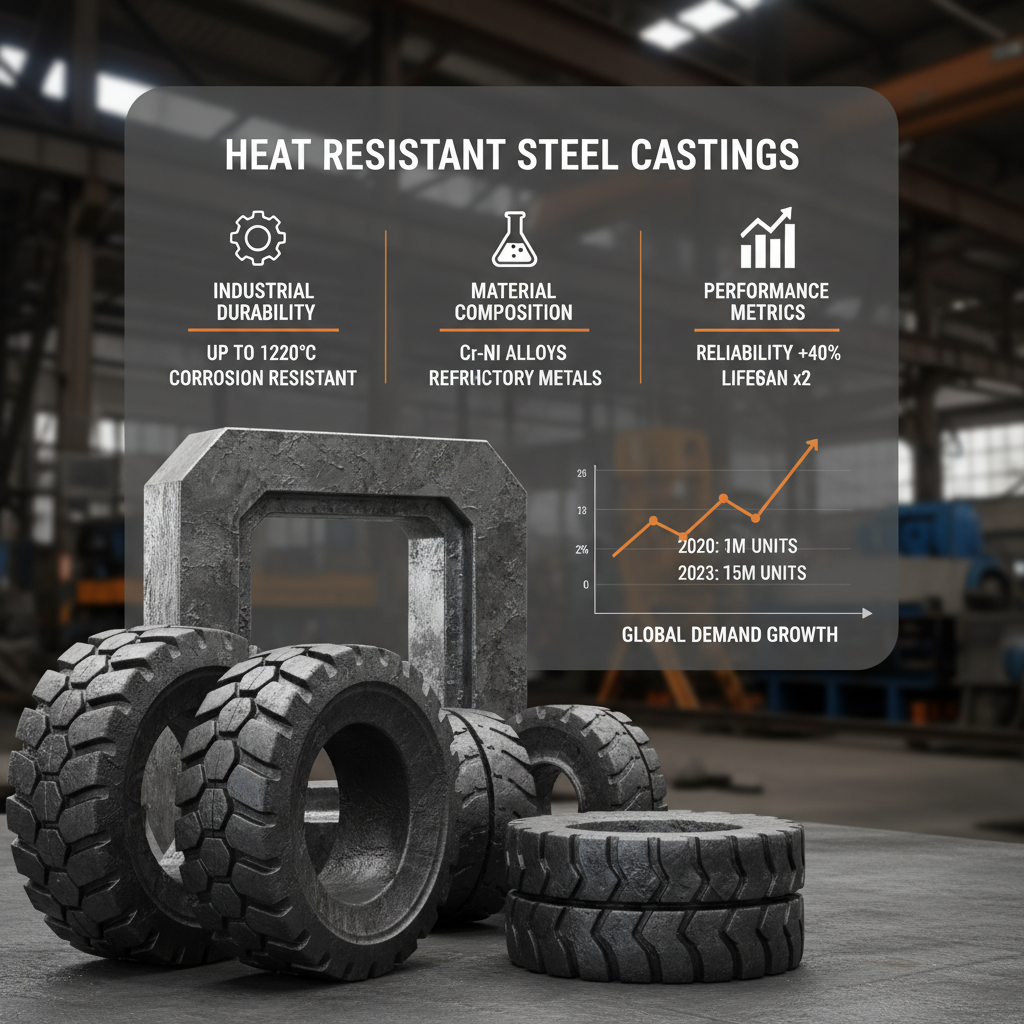
Evaluating the effectiveness of heat resistant steel castings requires a look at multiple performance indices, including tensile strength at temperature, oxidation rates, and fatigue resistance. Different alloy grades are selected based on whether the primary threat is purely thermal or a combination of heat and mechanical abrasion, as seen in mine crusher parts.
The following data illustrates the comparative performance of various casting methods used to produce heat-resistant components, highlighting how different approaches impact the overall reliability and lifespan of the part.
Comparative Reliability of Heat Resistant Steel Castings Methods
Global Applications and Real-World Use Cases
The practical application of heat resistant steel castings spans several critical global industries. In the petrochemical sector, these castings are used for reactor linings and heat exchanger tubes that must withstand corrosive chemical reactions at temperatures exceeding 800°C. Without these specialized materials, plant downtime would increase by an estimated 30% due to corrosion-induced leaks.
Furthermore, in remote industrial zones, such as the mining belts of Australia or Chile, heat resistant steel castings are utilized in the production of mechanical parts for mine crushers. These components face the dual challenge of extreme friction-generated heat and the impact of heavy ores, proving that the material's value lies in its ability to combine heat resistance with high fracture toughness.
Long-Term Value and Industrial Reliability
Investing in high-quality heat resistant steel castings offers a compelling logical and emotional value proposition. Logically, the reduction in Lifecycle Cost (LCC) is evident; while the initial procurement cost of alloy steel is higher than carbon steel, the extended replacement intervals and lower maintenance costs result in a lower Total Cost of Ownership (TCO).
From an emotional and safety perspective, the reliability of these components fosters trust among operational staff. In high-pressure environments like power plant boilers, knowing that the heat resistant steel castings are engineered to withstand peak loads prevents the anxiety associated with potential catastrophic failures, ensuring the dignity and safety of the workforce.
Moreover, the sustainability aspect cannot be ignored. Components that last longer reduce the amount of scrap metal and the energy required for frequent re-casting. This alignment with "green" industrial goals makes heat resistant steel castings a preferred choice for companies striving for ISO 14001 environmental management certification.
Future Trends in Heat Resistant Metallurgy
The future of heat resistant steel castings is being shaped by the digital transformation of the foundry. Industry 4.0 is introducing "Digital Twins," where a virtual replica of the casting is tested under simulated thermal stress before the actual pour. This reduces trial-and-error and ensures that the resulting heat resistant steel castings are perfectly optimized for their specific environment.
Additionally, the rise of green hydrogen production is creating new demands for materials that can withstand both high heat and hydrogen embrittlement. New "super-alloys" are being integrated into the casting process, blending traditional steel with rare-earth elements to push the thermal ceiling even higher.
Automation in the casting process, particularly the use of 3D-printed sand molds, is allowing for internal cooling channels to be cast directly into the heat resistant steel castings. This innovation allows for active thermal management, significantly extending the lifespan of the parts.
Analysis of Heat Resistant Steel Casting Grade Suitability
| Alloy Grade |
Max Op Temp (°C) |
Oxidation Resistance |
Primary Application |
| ASTM A297 Grade 1 |
650°C |
Moderate |
General Furnace Parts |
| High-Cr Alloy Steel |
800°C |
High |
Chemical Valves |
| Ni-Cr Superalloy |
1100°C |
Very High |
Gas Turbine Blades |
| Heat-Resistant Mn Steel |
500°C |
Moderate |
Mine Crusher Parts |
| Cobalt-Based Alloy |
1200°C |
Extreme |
Jet Engine Components |
| Stainless Heat-Resistant |
900°C |
High |
Heat Exchangers |
FAQS
The primary difference lies in the alloying elements. heat resistant steel castings incorporate higher percentages of Chromium, Nickel, and Molybdenum, which create a protective oxide layer and prevent the metal from softening or "creeping" at temperatures where standard carbon steel would lose its structural integrity.
Lifespan depends on the specific alloy and operating conditions. However, high-grade heat resistant steel castings used in mine crushers typically last 3-5 times longer than standard steel parts, provided they are properly heat-treated and maintained to prevent surface cracking.
Yes, although the initial cost is higher, they are more cost-effective due to the reduction in downtime. For a small operation, one unplanned shutdown of a crusher can cost more in lost production than the entire price difference between standard and heat resistant steel castings.
Many heat resistant steel castings can be repaired using specialized welding techniques (such as TIG welding with matching filler metals). However, if the internal microstructure has undergone significant creep or "burning," full replacement is necessary to ensure safety.
The choice depends on three factors: the maximum operating temperature, the presence of corrosive chemicals, and the mechanical load. We recommend consulting with a metallurgical expert to balance the need for oxidation resistance versus tensile strength for your specific heat resistant steel castings.
While the finished heat resistant steel castings are durable, they should be stored in dry environments to prevent surface flash-rusting before installation. Once exposed to their operating heat, the protective oxide layer forms naturally, protecting the component.
Conclusion
In summary, heat resistant steel castings are an indispensable asset in the modern industrial landscape, bridging the gap between extreme thermal demands and structural reliability. By leveraging advanced alloying, precise casting methods, and rigorous quality control, these components ensure that critical machinery in the mining and energy sectors operates at peak efficiency with minimal risk of failure.
Looking forward, the integration of AI-driven design and sustainable metallurgy will continue to push the boundaries of what these materials can achieve. For companies seeking to optimize their operational lifespan and reduce environmental impact, investing in premium heat resistant steel castings is not just a technical upgrade—it is a strategic necessity for long-term growth. Visit our website: www.dzmccasting.com