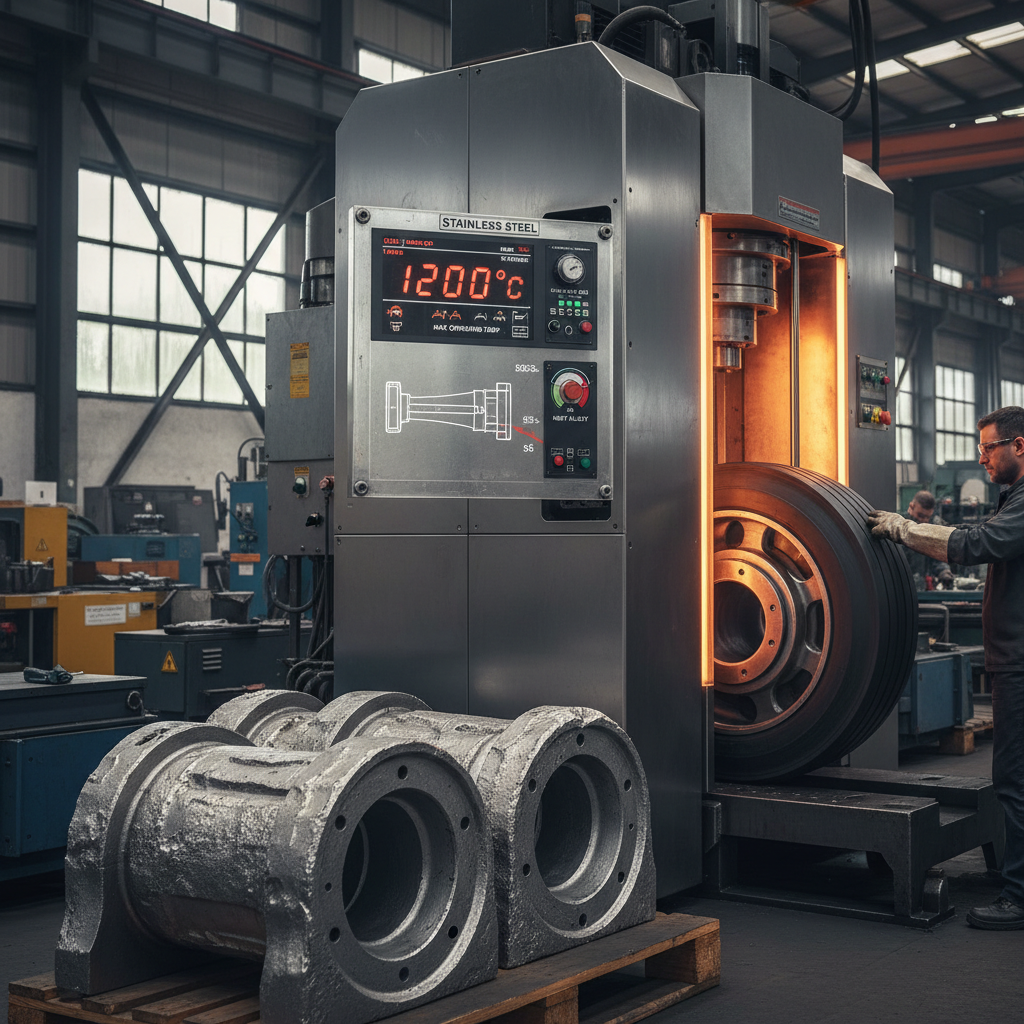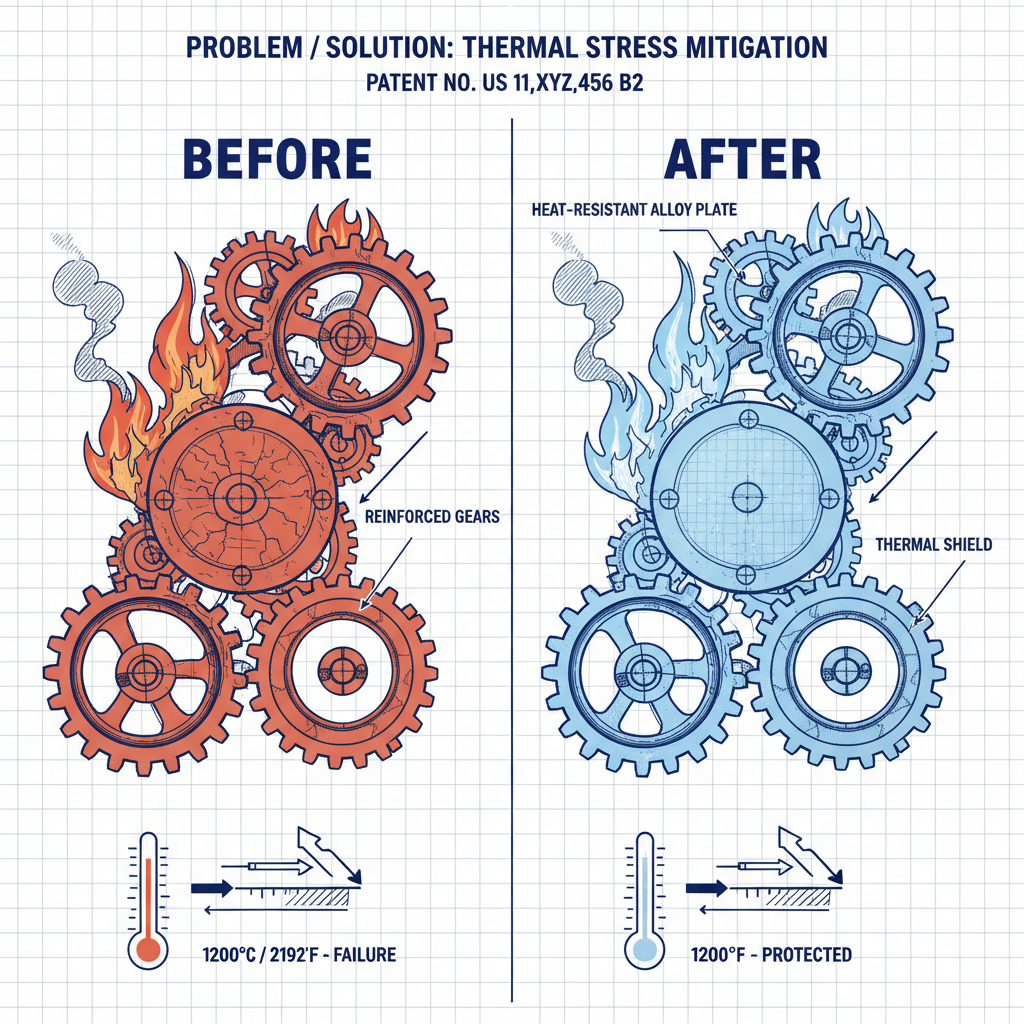
High temperature resistant steel is a critical material in numerous industries globally, enabling advancements in energy production, aerospace, and manufacturing. Its ability to maintain strength and integrity at elevated temperatures is essential for the efficient and safe operation of power plants, jet engines, and high-performance industrial equipment. Understanding the properties and applications of this specialized steel is increasingly important as demands for higher operating temperatures and improved efficiency continue to rise.
The global demand for high temperature resistant steel is directly linked to the expansion of industries requiring robust materials capable of withstanding extreme conditions. According to the World Steel Association, specialty steels, which include high temperature alloys, represent a growing segment of the steel market, driven by technological advancements and infrastructure development. This demand is particularly pronounced in emerging economies investing in power generation and industrial infrastructure.
Addressing challenges like corrosion and oxidation at high temperatures, high temperature resistant steel allows for innovation in areas where conventional materials fall short. Its inherent reliability translates directly to improved safety, reduced maintenance costs, and extended service life for critical components across a diverse range of applications.
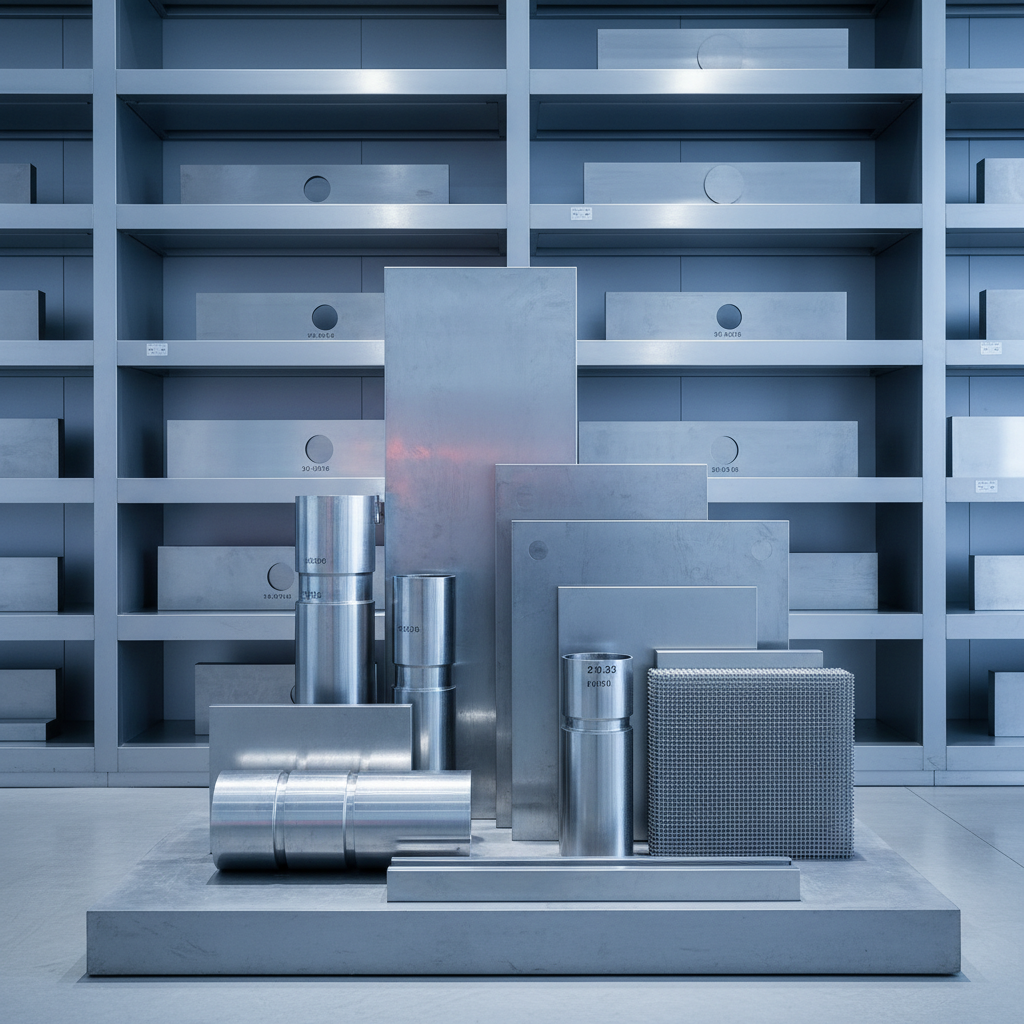
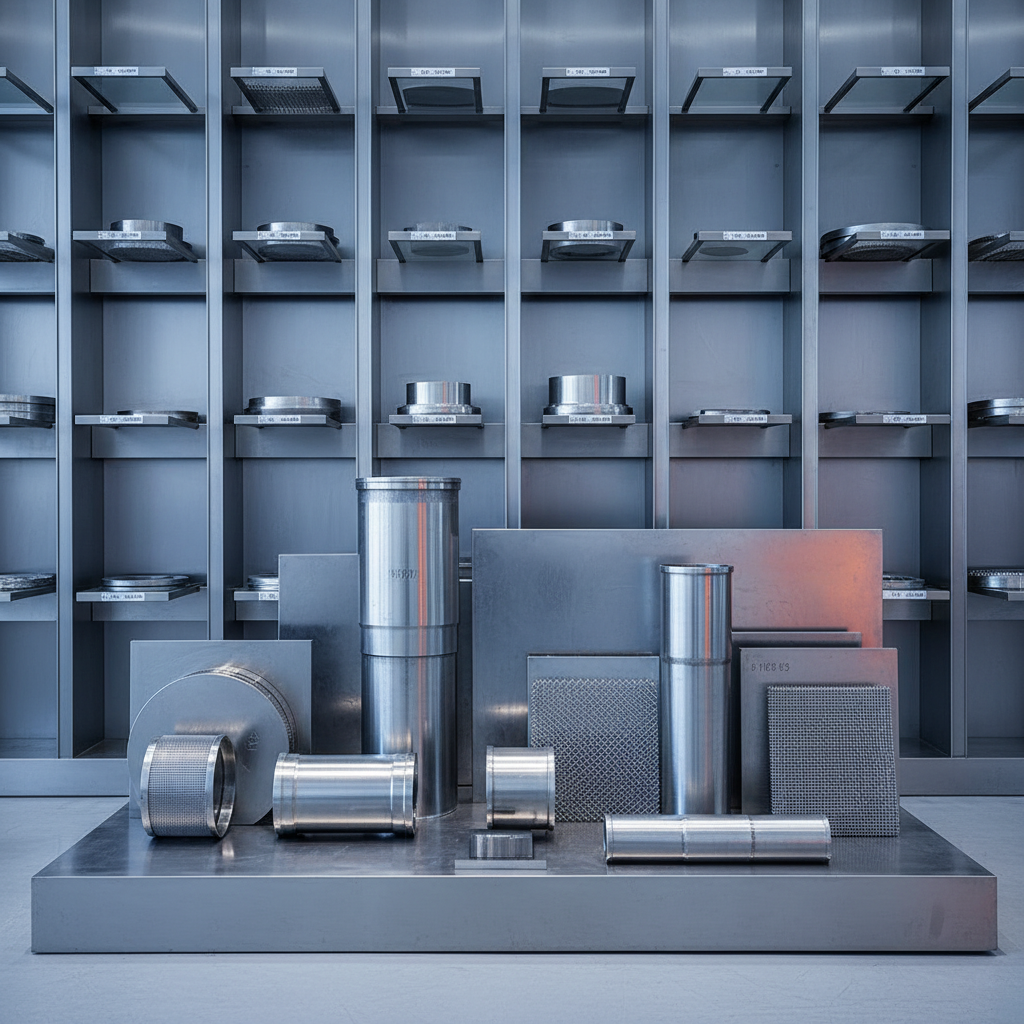
The significance of high temperature resistant steel extends far beyond its immediate applications. It underpins the reliability and efficiency of vital infrastructure, from power generation facilities to aerospace components. Without these specialized alloys, many of the technologies we rely on daily would be simply impossible to operate effectively or safely.
Investing in the development and application of advanced high temperature resistant steels is therefore crucial for continued technological progress and economic growth. It's a foundation for innovation across multiple sectors, enabling us to push the boundaries of performance and durability in demanding environments.
The most common alloying elements include chromium, nickel, molybdenum, vanadium, tungsten, and silicon. Chromium enhances corrosion resistance, nickel improves austenitic stability and creep resistance, and molybdenum and vanadium increase strength and hardenability. The specific combination varies depending on the desired properties and application requirements. These elements work together to stabilize the steel's microstructure at elevated temperatures, preventing deformation and degradation.
Creep resistance, the ability to withstand sustained stress at high temperatures, varies significantly based on alloy composition and microstructure. Austenitic stainless steels generally exhibit excellent creep resistance due to their stable face-centered cubic structure. Ferritic steels often require additions of molybdenum and vanadium to enhance creep performance. Superalloys, containing high concentrations of nickel, cobalt, and chromium, offer the highest creep resistance but are also the most expensive. The choice of alloy depends on the specific temperature and stress levels of the application.
High temperature resistant steels are crucial for jet engine components such as turbine blades, turbine discs, and exhaust systems. These parts endure extremely high temperatures and stresses during operation. They’re also used in aircraft structural components exposed to high heat, like engine nacelles and trailing edge flaps. The ability of these steels to maintain strength and resist creep at extreme temperatures is vital for ensuring safe and efficient flight.
Several surface treatments can enhance the performance of high temperature resistant steels. Aluminizing and chromizing create a diffusion coating that improves oxidation resistance. Ceramic coatings, such as thermal barrier coatings (TBCs), provide insulation and protect the underlying steel from extreme heat. Plating with corrosion-resistant metals like platinum or ruthenium can further enhance durability in harsh environments. Selecting the appropriate surface treatment depends on the specific application and operating conditions.
High temperature resistant steels are typically significantly more expensive than conventional carbon steels due to the complex alloying processes and specialized manufacturing techniques involved. The addition of elements like chromium, nickel, and molybdenum increases material costs. Furthermore, the requirement for precise heat treatment and quality control adds to the overall expense. However, the long-term benefits – including reduced maintenance, extended service life, and improved safety – often outweigh the initial cost premium.
Emerging trends include the development of steels with even higher chromium and aluminum contents for improved oxidation resistance, as well as the exploration of new alloying elements like rhenium and ruthenium. Additive manufacturing (3D printing) is enabling the creation of complex geometries and tailored microstructures. Research is also focused on developing alloys with improved weldability and lower costs, making them more accessible for a wider range of applications. Finally, there's growing interest in developing high entropy alloys with exceptional high-temperature properties.
In summary, high temperature resistant steel represents a cornerstone material in numerous critical industries. Its unique combination of strength, creep resistance, and corrosion resistance at elevated temperatures enables advancements in power generation, aerospace, chemical processing, and beyond. The continuous development of novel alloys and manufacturing techniques will further expand its applications and solidify its importance in addressing global challenges.
Looking ahead, a continued commitment to research, innovation, and sustainable practices is crucial for unlocking the full potential of high temperature resistant steel. Investing in the development of more cost-effective and environmentally friendly alloys will drive wider adoption and accelerate progress towards a more efficient and sustainable future. Visit our website at www.dzmccasting.com to learn more about our high temperature resistant steel solutions.