Comprehensive Guide to Jaw Crusher Parts Names and Effective Maintenance
Understanding Jaw Crusher Parts Names
Jaw crushers are indispensable machines in industries like mining, construction, and recycling, responsible for breaking down large rocks and materials into smaller, more manageable sizes. Understanding the various jaw crusher parts names is crucial for effective maintenance, repair, and optimal performance. This guide provides a comprehensive overview of the key components, their functions, and why choosing quality parts from a reputable supplier like DZM Casting is vital for your operations. Knowing these parts allows for faster troubleshooting and more efficient upkeep, ultimately reducing downtime and maximizing productivity.
Key Components of a Jaw Crusher
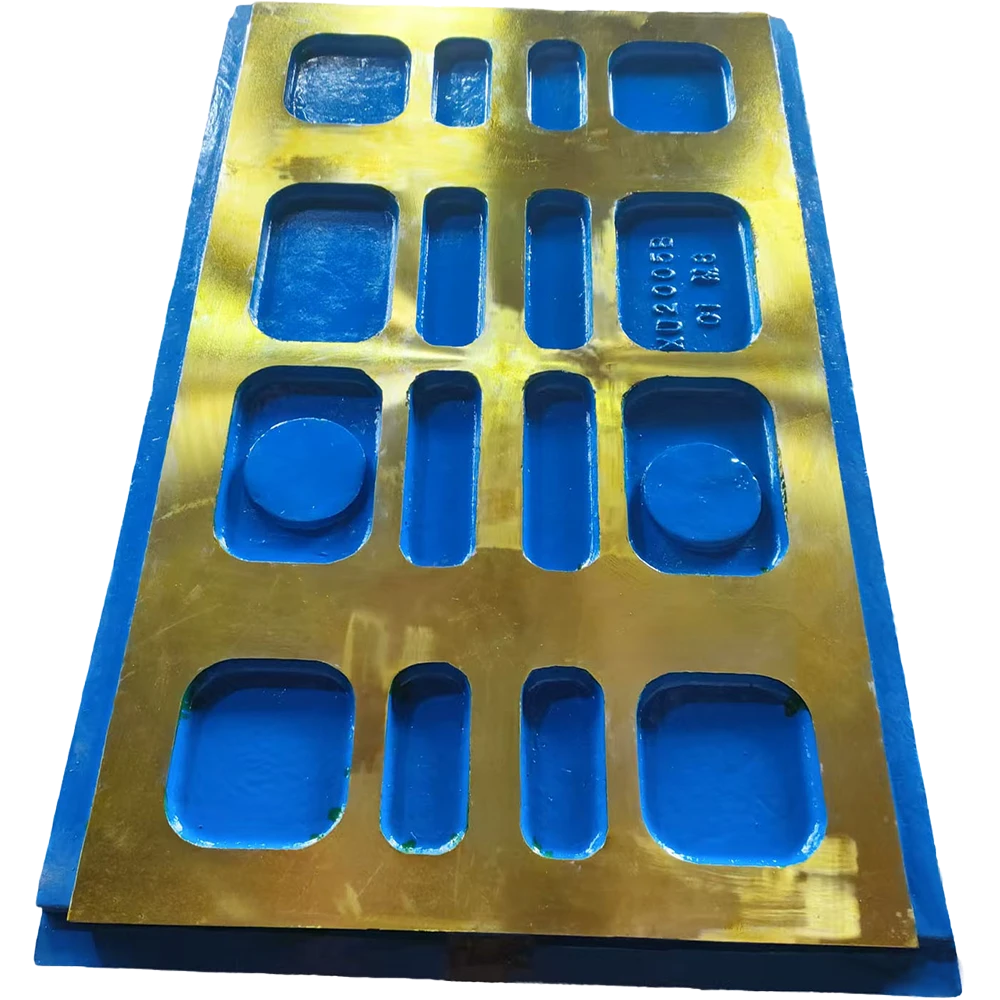
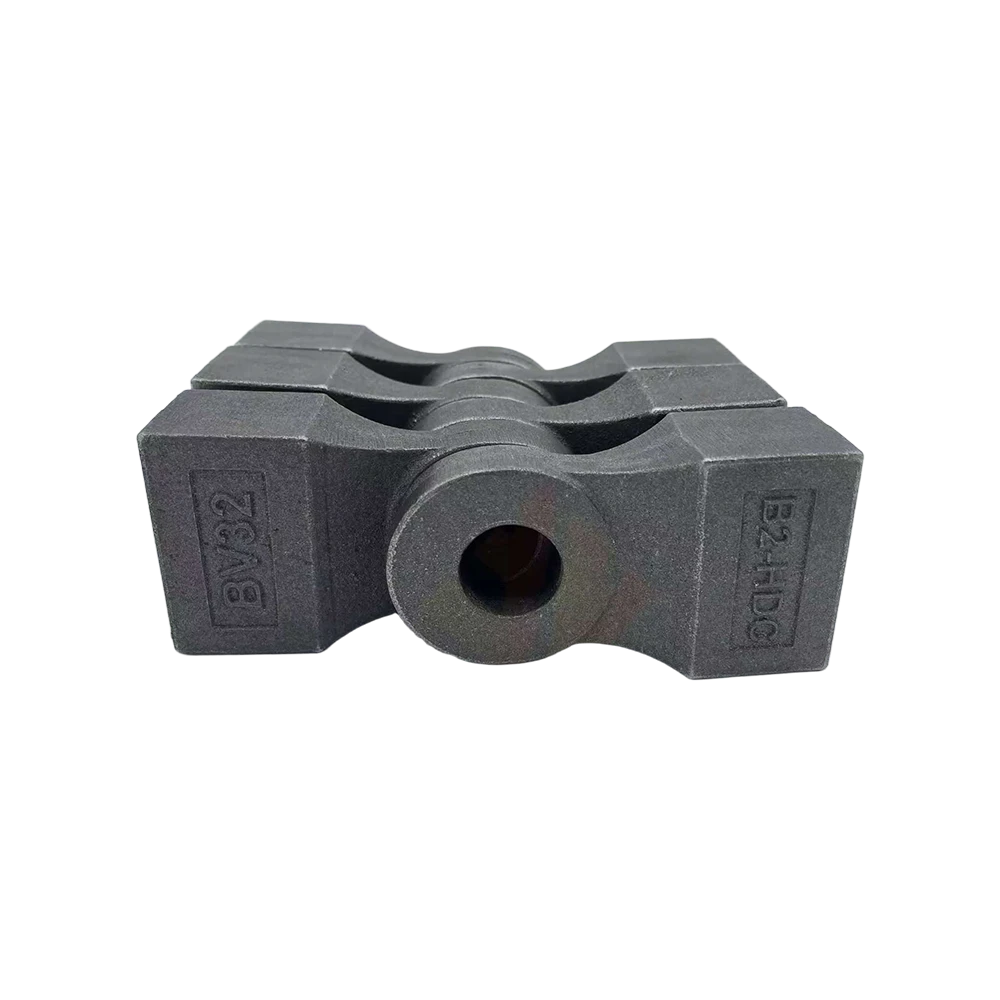
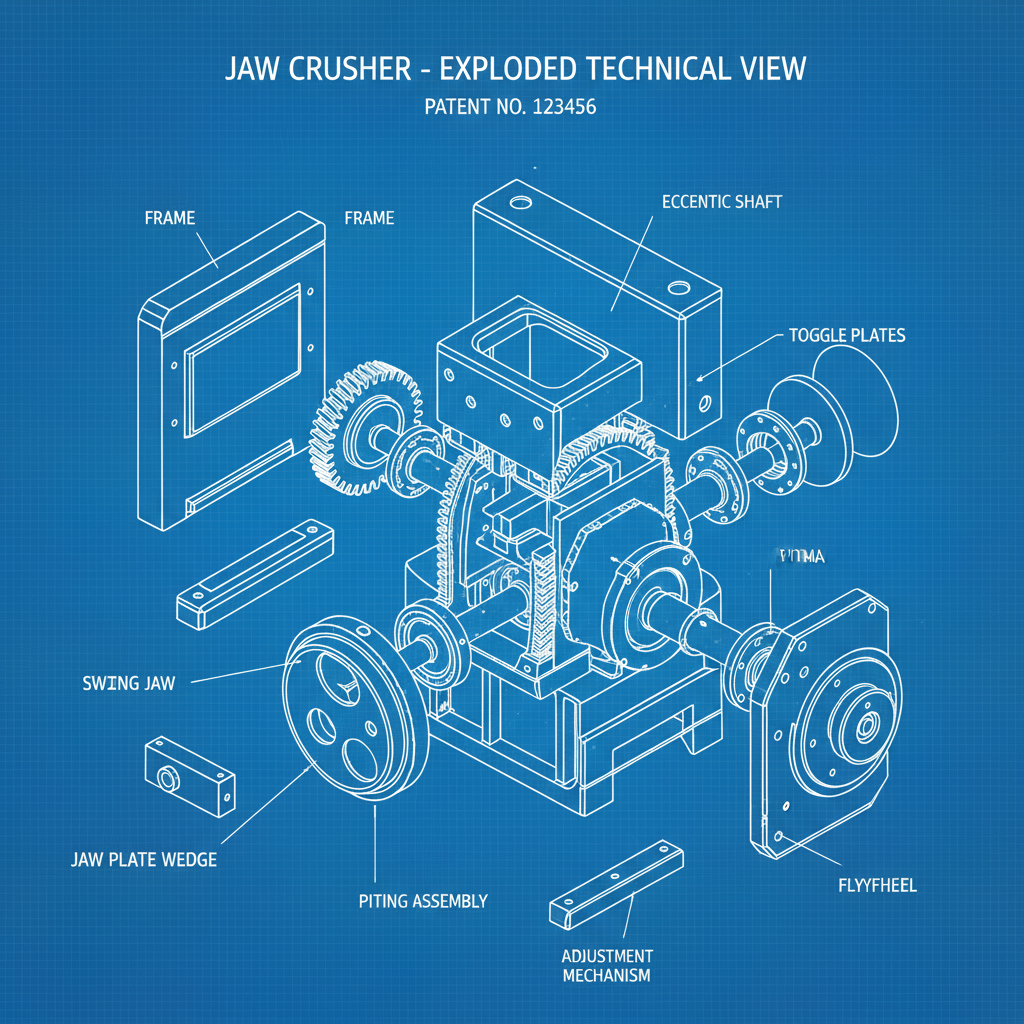
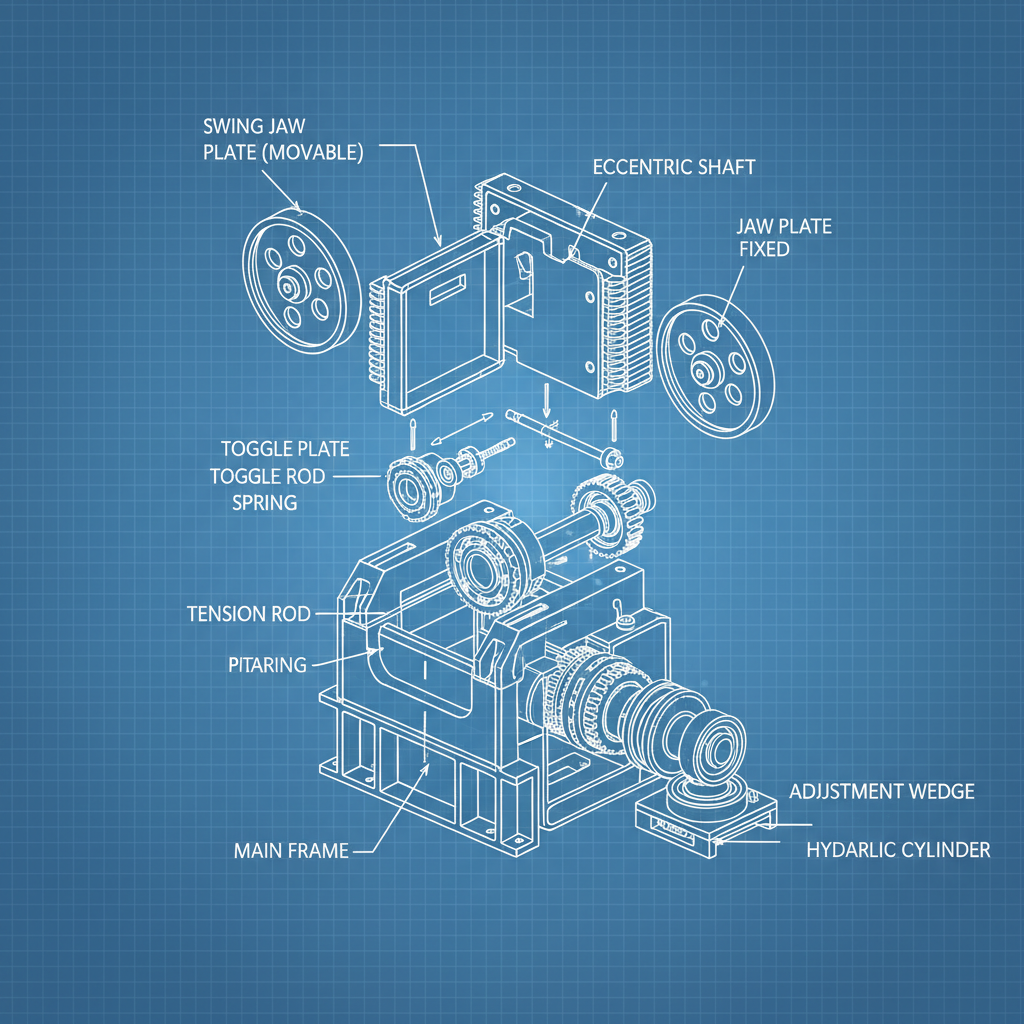
A jaw crusher consists of several key components working in tandem to achieve efficient crushing. The primary components include the fixed jaw, movable jaw, toggle plate, springs, and crushing chamber. The fixed jaw provides a stable crushing surface, while the movable jaw oscillates back and forth, applying force to break the material. The toggle plate connects the movable jaw to the pitman, converting rotary motion into the crushing action. Springs provide cushioning and allow for the release of trapped materials. Understanding the function of each part is the first step to proper maintenance.
Key Highlights: Understanding the interaction between the fixed and movable jaws, toggle plate, and springs is essential for diagnosing and repairing issues. Regular inspection of these components ensures optimal crushing performance.
Common Jaw Crusher Parts and Their Functions
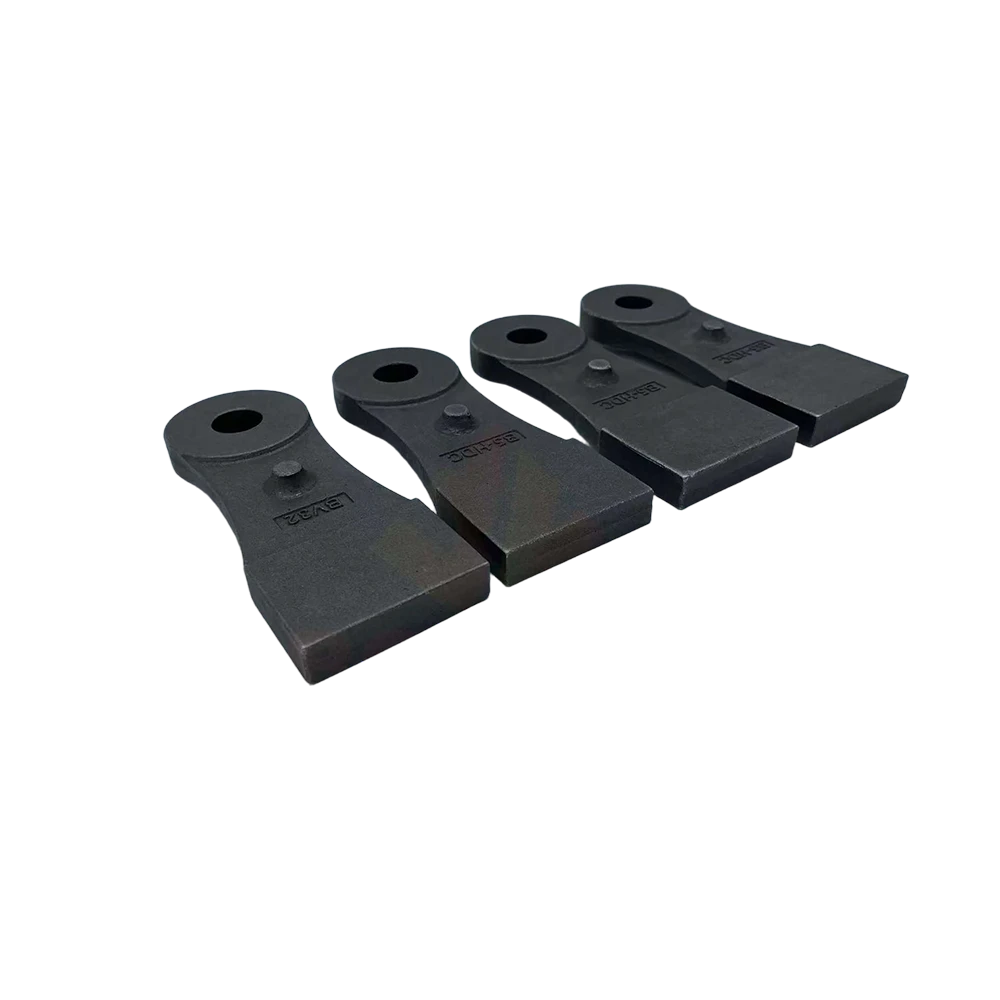
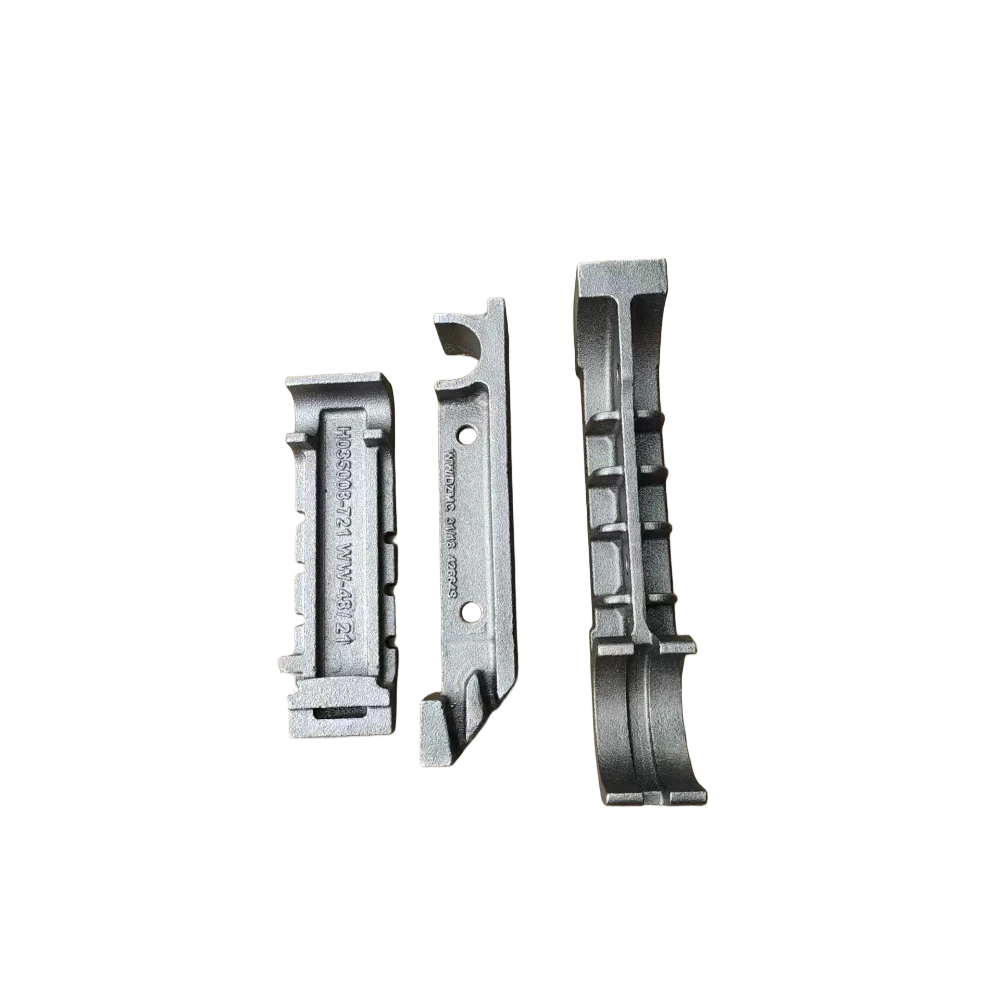
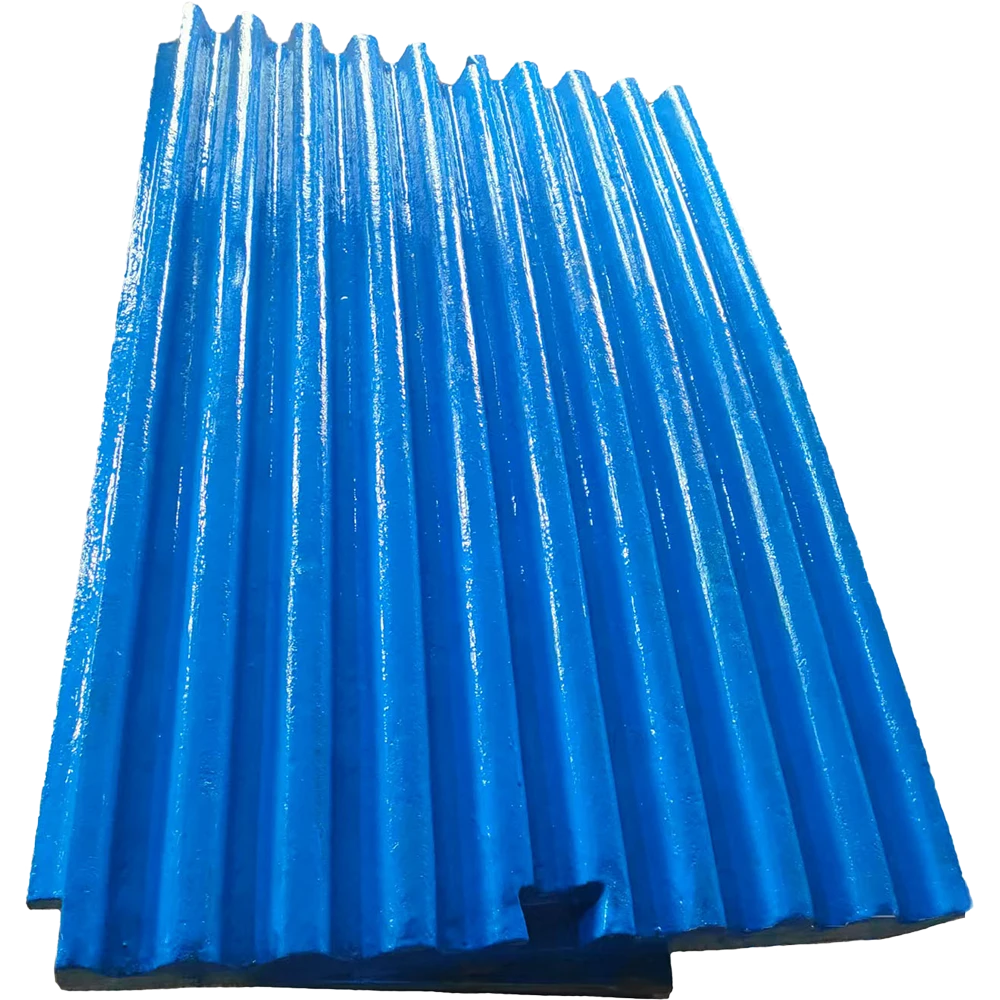
Beyond the core components, several other parts contribute to the efficient operation of a jaw crusher. These include the pitman, eccentric shaft, cheek plates, liner plates, and toggle seat. The pitman transmits motion from the eccentric shaft to the movable jaw. Cheek plates and liner plates protect the crusher housing and reduce wear and tear. The toggle seat provides a stable base for the toggle plate. Regularly replacing these wear parts is crucial for maintaining consistent crushing efficiency.
Essential Parts Breakdown:
• Pitman: Transmits motion from the eccentric shaft.
• Eccentric Shaft: Converts rotary motion into reciprocating motion.
• Cheek Plates: Protect the crusher housing.
• Liner Plates: Reduce wear and tear on the crushing chamber.
Detailed Look at Jaw Crusher Parts Names
Here’s a more detailed list of jaw crusher parts names and their specific roles:
Why Choose Quality Parts from DZM Casting?
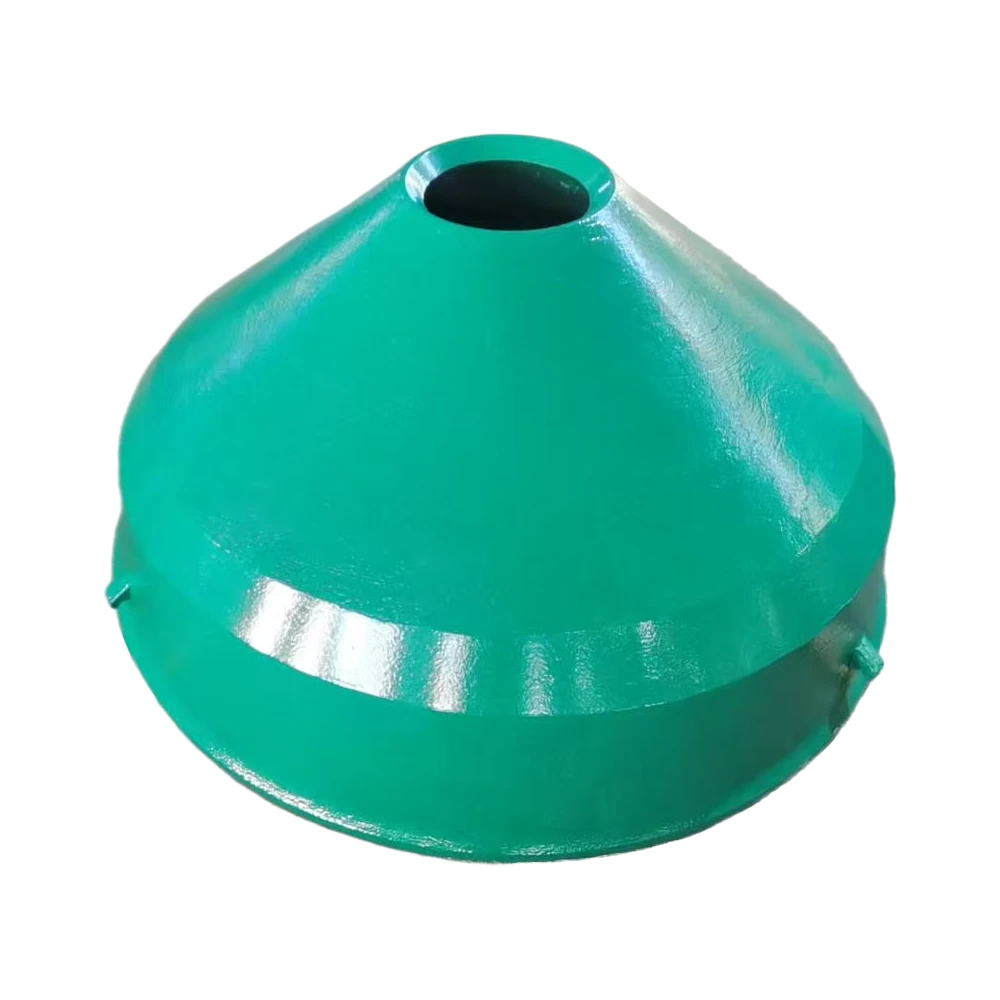
Using high-quality replacement parts is crucial for the longevity and efficiency of your jaw crusher. DZM Casting specializes in manufacturing durable and reliable jaw crusher parts, using premium materials and advanced casting techniques. Our parts are designed to withstand the harshest conditions and deliver consistent performance, minimizing downtime and maximizing your return on investment. We provide custom solutions and expert support to ensure you get the right parts for your specific needs.
Selecting the Right Parts for Your Application
Choosing the correct jaw crusher parts depends on several factors, including the type of material being crushed, the size of the crusher, and the operating environment. Consider the hardness and abrasiveness of the material when selecting liner plates and jaw plates. Regularly inspecting worn parts and replacing them promptly prevents further damage and ensures optimal crushing performance. Consulting with a knowledgeable supplier like DZM Casting can help you identify the right parts for your specific application.
Conclusion: Investing in Quality Crusher Parts
Understanding jaw crusher parts names and investing in high-quality replacements from a trusted supplier like DZM Casting is paramount for maintaining efficient and reliable crushing operations. Don’t compromise on quality – prioritize durable parts that minimize downtime and maximize productivity.
Frequently Asked Questions (FAQs)
How often should I replace jaw plates?
The frequency of jaw plate replacement depends on the abrasiveness of the material being crushed and the operating conditions. However, a general guideline is to inspect the plates every 3-6 months for wear and tear. Replace them when the wear reaches approximately 10-15% of the original thickness. Ignoring significant wear can lead to reduced crushing efficiency and potential damage to other crusher components. Regular inspections and timely replacements are key to optimal performance.
What materials are jaw crusher parts typically made from?
Jaw crusher parts are commonly made from high-manganese steel (often with high chromium content) due to its excellent wear resistance and impact strength. Other materials used include cast steel for components like the pitman and eccentric shaft, and alloy steel for parts requiring high tensile strength. The specific material selection depends on the component’s function and the type of material being crushed.
Can DZM Casting provide custom jaw crusher parts?
Yes, DZM Casting specializes in custom manufacturing of jaw crusher parts. We can produce parts according to your specific drawings, specifications, and material requirements. Our experienced engineers can assist with design and optimization to ensure optimal performance and durability.
-
High Performance oem cast heat resistant steel for Industrial UseNewsApr.16,2026
-
Guide to Selecting High Quality Cast Heat Resistant Steel AlloysNewsApr.09,2026
-
Custom Cast Heat Resistant Steel Solutions for High Temperature ApplicationsNewsApr.07,2026
-
Comprehensive Guide to Wholesale Cast Heat Resistant Steel for Industrial ApplicationsNewsApr.04,2026
-
Comprehensive Guide to High Performance Heat Resistant Metal Product SolutionsNewsMar.31,2026
-
Expert Guidance on Heat Resistant Metal Quotes and Alloy SelectionNewsMar.28,2026