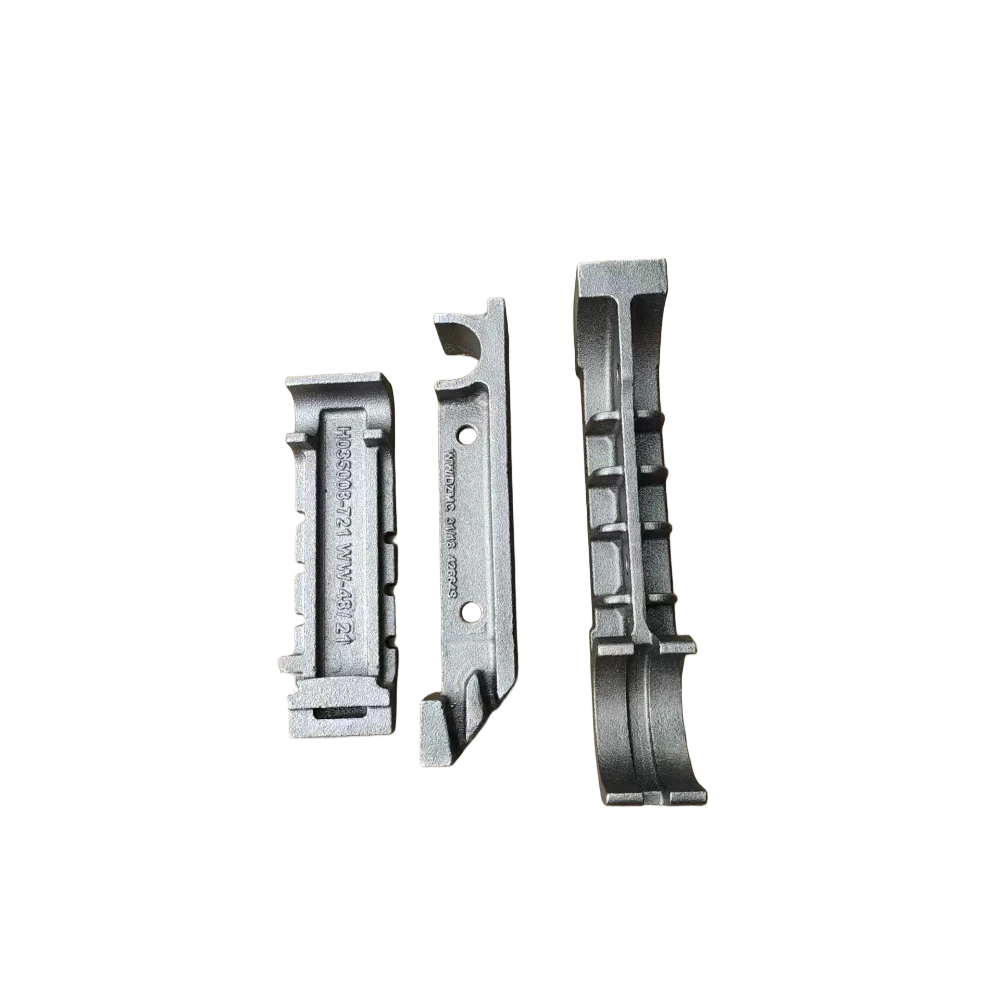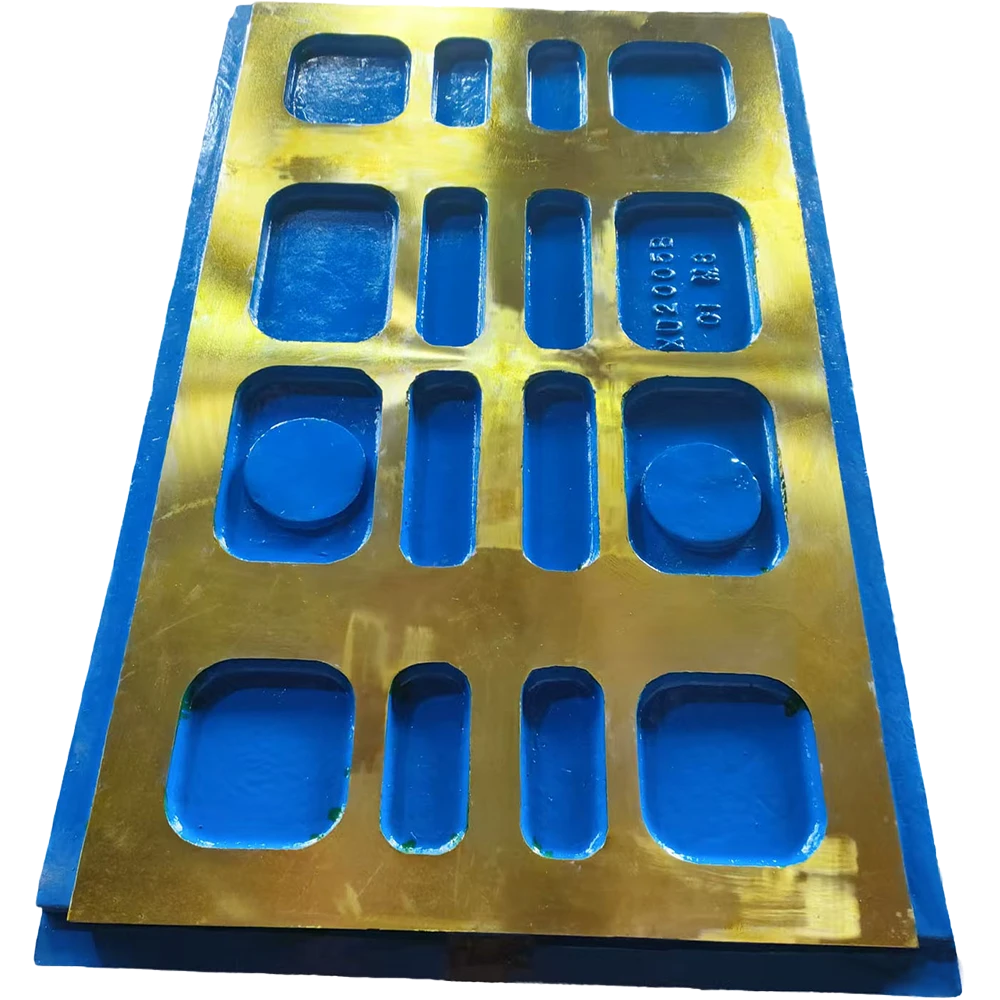
Optimizing Jaw Crusher Performance Through Strategic Material Selection
Understanding Jaw Crusher Material Selection
Selecting the right materials for a jaw crusher is crucial for its performance, longevity, and overall cost-effectiveness. The abrasive nature of the materials being crushed demands robust components capable of withstanding significant wear and tear. This article explores the key considerations when choosing materials for jaw crusher components, including manganese steel, alloy steel, and chrome molybdenum alloys. We'll delve into their properties, advantages, and disadvantages, helping you make informed decisions for your specific crushing needs. Choosing the wrong material can lead to frequent replacements, downtime, and increased operational costs.
The Importance of Material Properties in Jaw Crushers
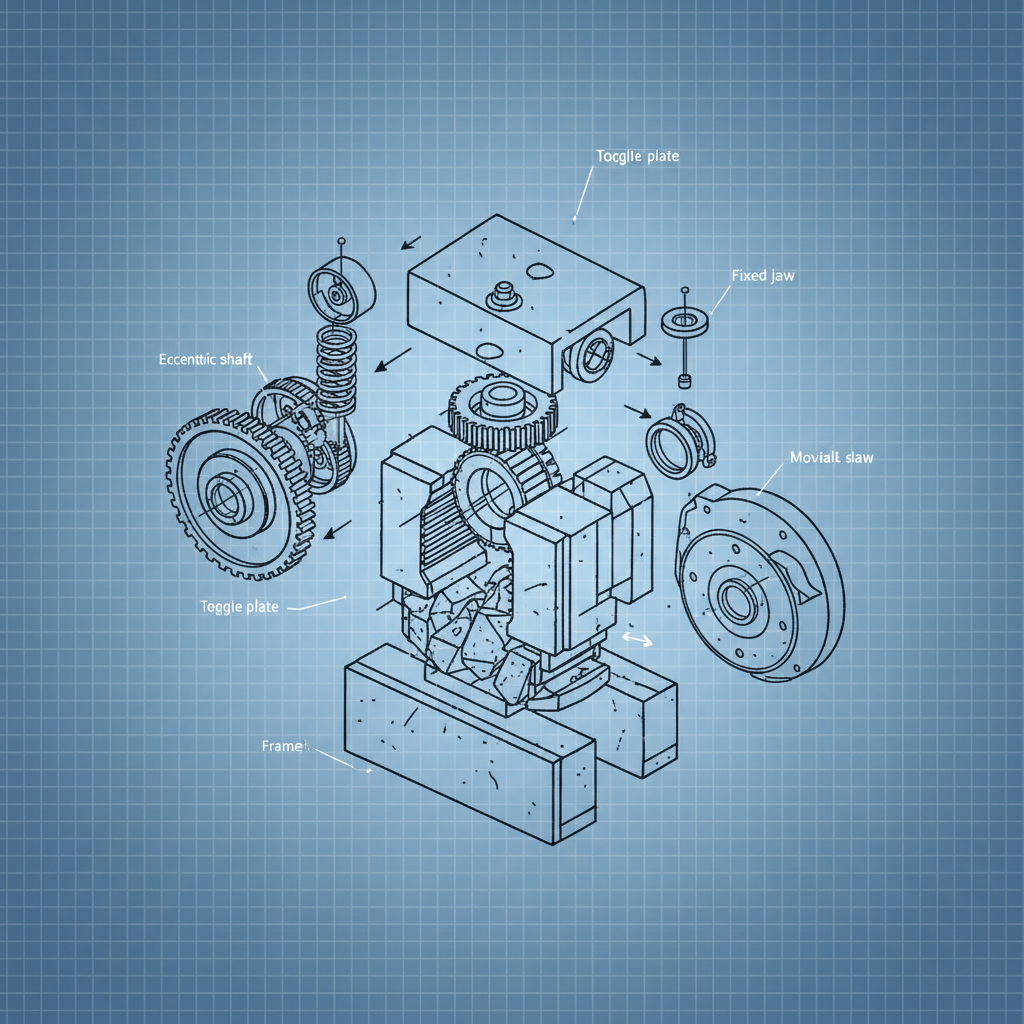
Jaw crushers operate under immense stress and impact. The materials used in their construction must possess specific properties to resist wear, impact, and fatigue. Key properties include hardness, toughness, ductility, and wear resistance. Hardness determines the material’s resistance to indentation, while toughness measures its ability to absorb energy before fracturing. Ductility allows the material to deform plastically without breaking, and wear resistance indicates its ability to withstand abrasive wear from the crushed material. Optimizing these properties is essential for maximizing crusher efficiency and minimizing maintenance requirements. The constant impact and abrasion from materials being crushed require materials that can withstand these forces.
Key Material Considerations: High hardness, excellent toughness, good wear resistance, and sufficient ductility.
A Deep Dive into Common Jaw Crusher Materials
Several materials are commonly employed in jaw crusher construction, each with its strengths and weaknesses. These include various grades of steel alloys, specifically tailored to handle the harsh conditions within the crusher. Understanding these materials is paramount to making informed decisions regarding component selection and replacement. Commonly used materials include manganese steel (Hadfield steel), alloy steels containing chromium and nickel, and high-strength chrome molybdenum alloys. Each offers a different balance of properties for specific applications.
Key Materials for Jaw Crushers:
• Manganese Steel (Hadfield Steel): High toughness and work hardening properties.
• Alloy Steel (Cr-Ni): Enhanced strength, hardness, and wear resistance.
• Chrome Molybdenum Alloys: Superior strength, toughness, and high-temperature performance.
Manganese Steel: The Workhorse of Jaw Crushers
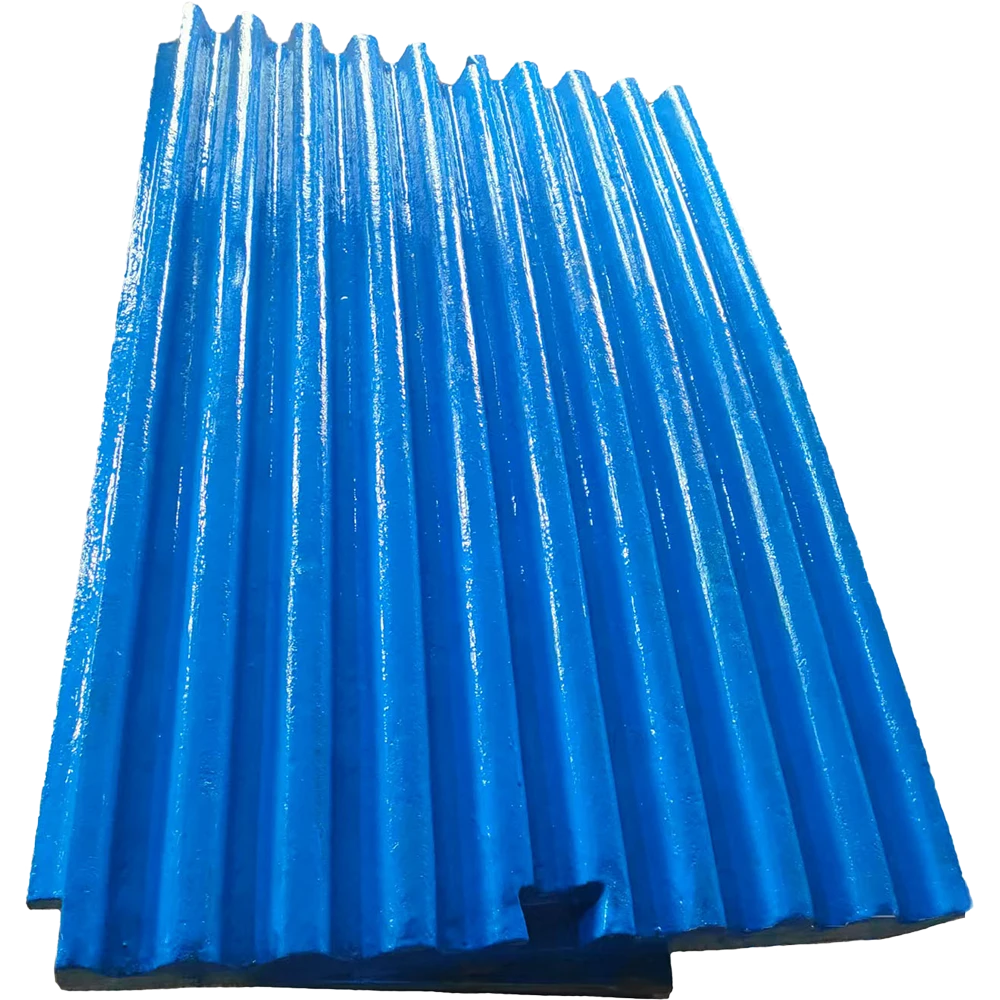
Manganese steel, often referred to as Hadfield steel, is the most widely used material for jaw crusher components, particularly the crushing jaws and liners. Its unique work-hardening property is its key advantage. As the steel is subjected to impact, its surface becomes harder and more resistant to wear. This makes it ideal for handling abrasive materials. However, manganese steel has lower tensile strength and can be susceptible to brittle fracture under certain conditions. Regular inspections are crucial to identify any signs of cracking.
Advanced Alloys: When to Consider Alloy and Chrome Molybdenum Steels
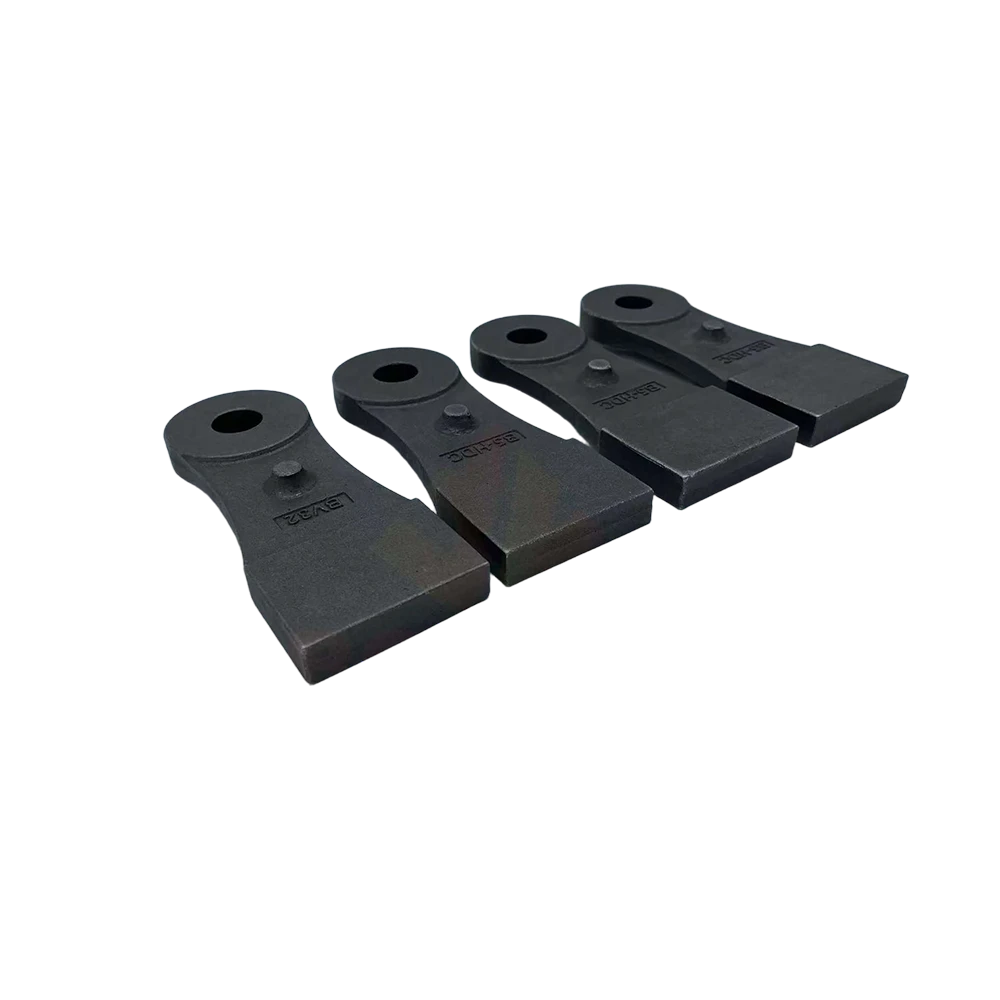
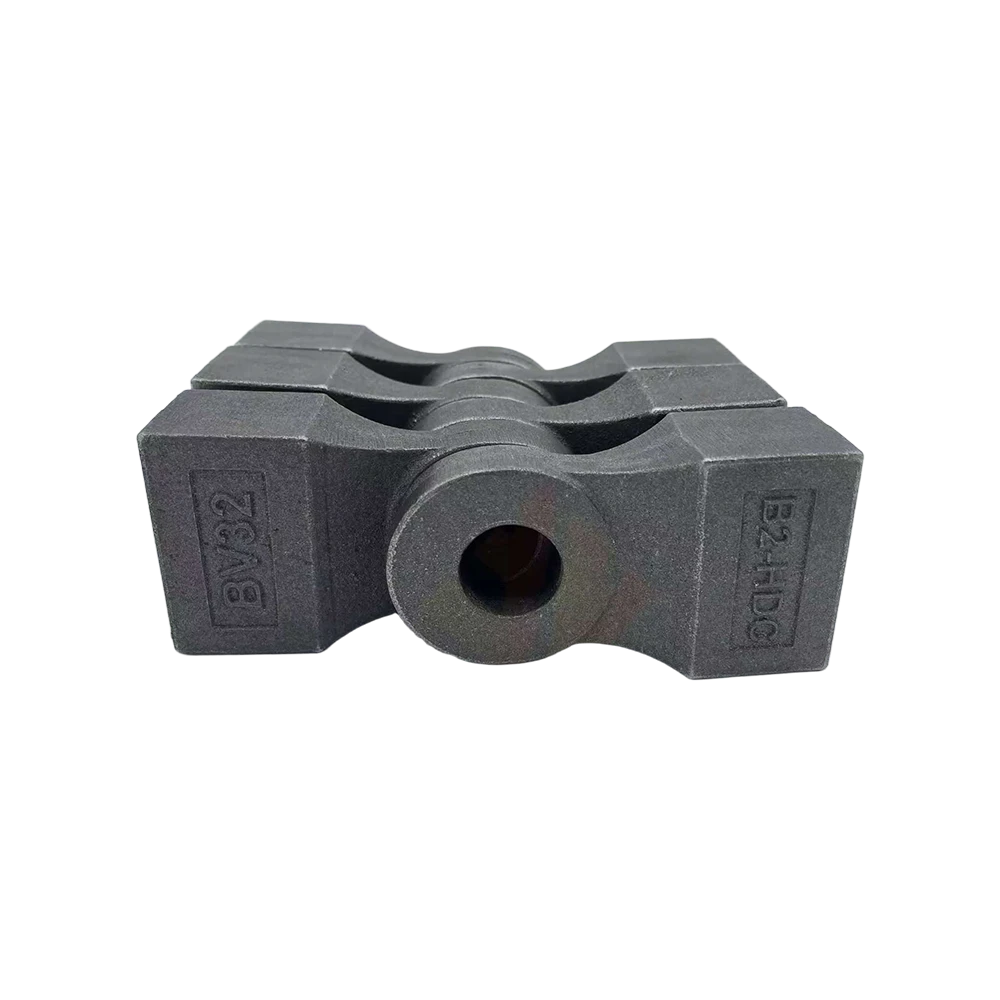
For applications involving highly abrasive materials or demanding operating conditions, alloy steels containing chromium and nickel, or high-strength chrome molybdenum alloys, offer superior performance. These materials boast higher tensile strength, hardness, and wear resistance compared to manganese steel. However, they are generally more expensive. Alloy steels are often used for components requiring greater structural integrity, such as the crusher frame and toggle plates. Chrome molybdenum alloys excel in high-temperature applications and offer exceptional toughness.
Selecting the Right Material: A Summary
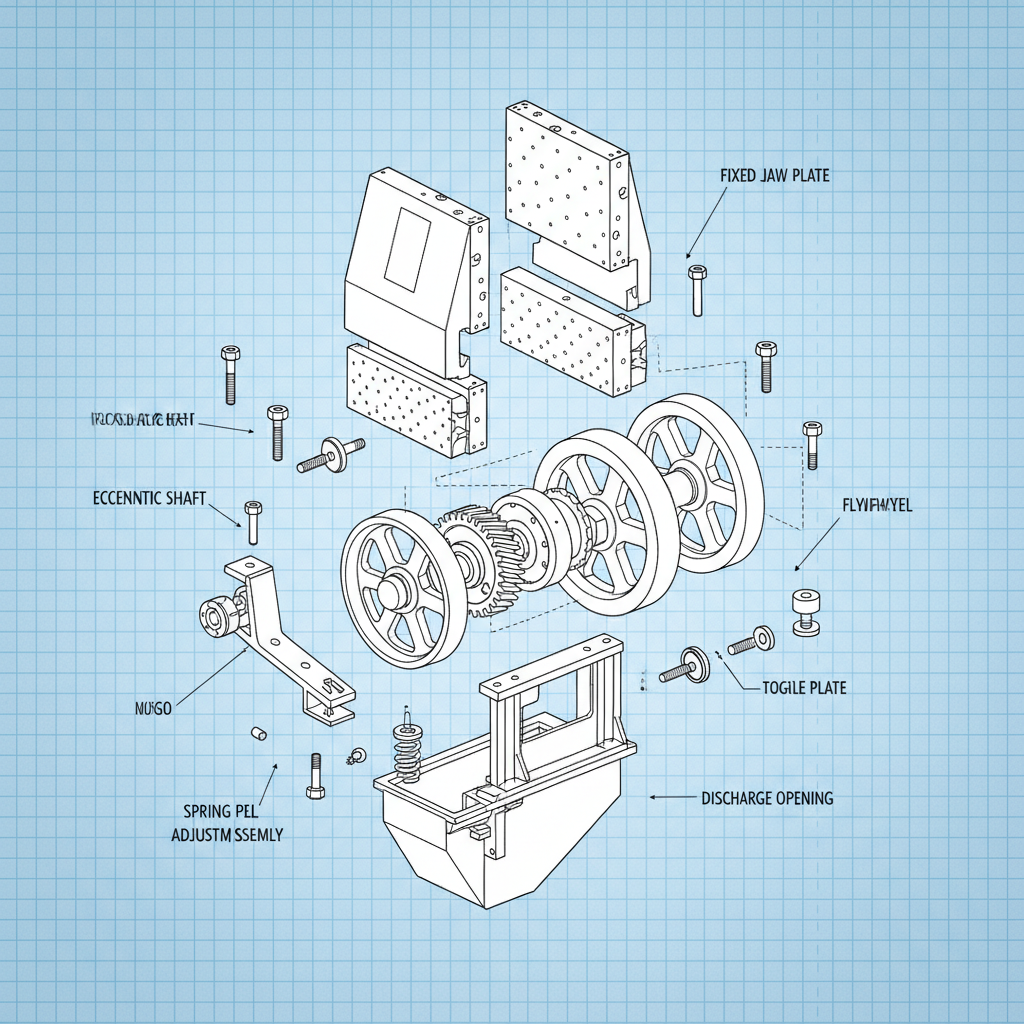
Ultimately, the optimal material selection for your jaw crusher depends on a variety of factors, including the type of material being crushed, the operating environment, and your budget. DZMCCasting provides expert guidance and high-quality components tailored to your specific needs. By carefully considering these factors and consulting with experienced professionals, you can maximize the lifespan and performance of your jaw crusher, reducing downtime and increasing profitability.
Conclusion: Optimizing Performance Through Material Selection
Choosing the correct material for your jaw crusher components is a critical investment in long-term performance and reduced operational costs. Understanding the properties of manganese steel, alloy steels, and chrome molybdenum alloys enables informed decisions based on your specific application. DZMCCasting offers a comprehensive range of high-quality crusher components and expert advice to help you optimize your crushing operations.
Frequently Asked Questions (FAQs)
What is the primary advantage of using manganese steel in jaw crushers?
The main advantage of manganese steel is its work-hardening property. This means that as the steel is impacted during crushing, its surface becomes increasingly harder, improving its resistance to wear and extending the component’s lifespan. This is particularly beneficial when crushing abrasive materials. While it has lower tensile strength than some other alloys, the work-hardening effect makes it exceptionally durable in high-impact applications.
When would you recommend using alloy steel instead of manganese steel?
Alloy steel is recommended when higher tensile strength and hardness are required, especially when crushing particularly hard or abrasive materials. It's also suitable for components that experience significant stress beyond simple impact, such as the crusher frame or toggle plates. While more expensive than manganese steel, the increased durability and resistance to deformation can lead to lower long-term maintenance costs.
How does the operating environment affect material selection?
The operating environment plays a crucial role. If the crusher is operating in extreme temperatures or corrosive conditions, specialized alloys resistant to these factors will be necessary. For example, chrome molybdenum alloys offer superior performance at high temperatures, while stainless steel alloys may be required for corrosive environments. The presence of moisture or specific chemical compounds in the crushed material can also influence material selection.
What are the benefits of working with a supplier like DZMCCasting for jaw crusher components?
DZMCCasting offers a comprehensive range of high-quality jaw crusher components, tailored to specific applications. We provide expert consultation to help you select the optimal materials for your crushing needs, ensuring maximum performance and longevity. Our components are manufactured to strict quality control standards and backed by reliable customer support. We can also provide custom casting solutions to meet unique requirements.
-
High Performance oem cast heat resistant steel for Industrial UseNewsApr.16,2026
-
Guide to Selecting High Quality Cast Heat Resistant Steel AlloysNewsApr.09,2026
-
Custom Cast Heat Resistant Steel Solutions for High Temperature ApplicationsNewsApr.07,2026
-
Comprehensive Guide to Wholesale Cast Heat Resistant Steel for Industrial ApplicationsNewsApr.04,2026
-
Comprehensive Guide to High Performance Heat Resistant Metal Product SolutionsNewsMar.31,2026
-
Expert Guidance on Heat Resistant Metal Quotes and Alloy SelectionNewsMar.28,2026