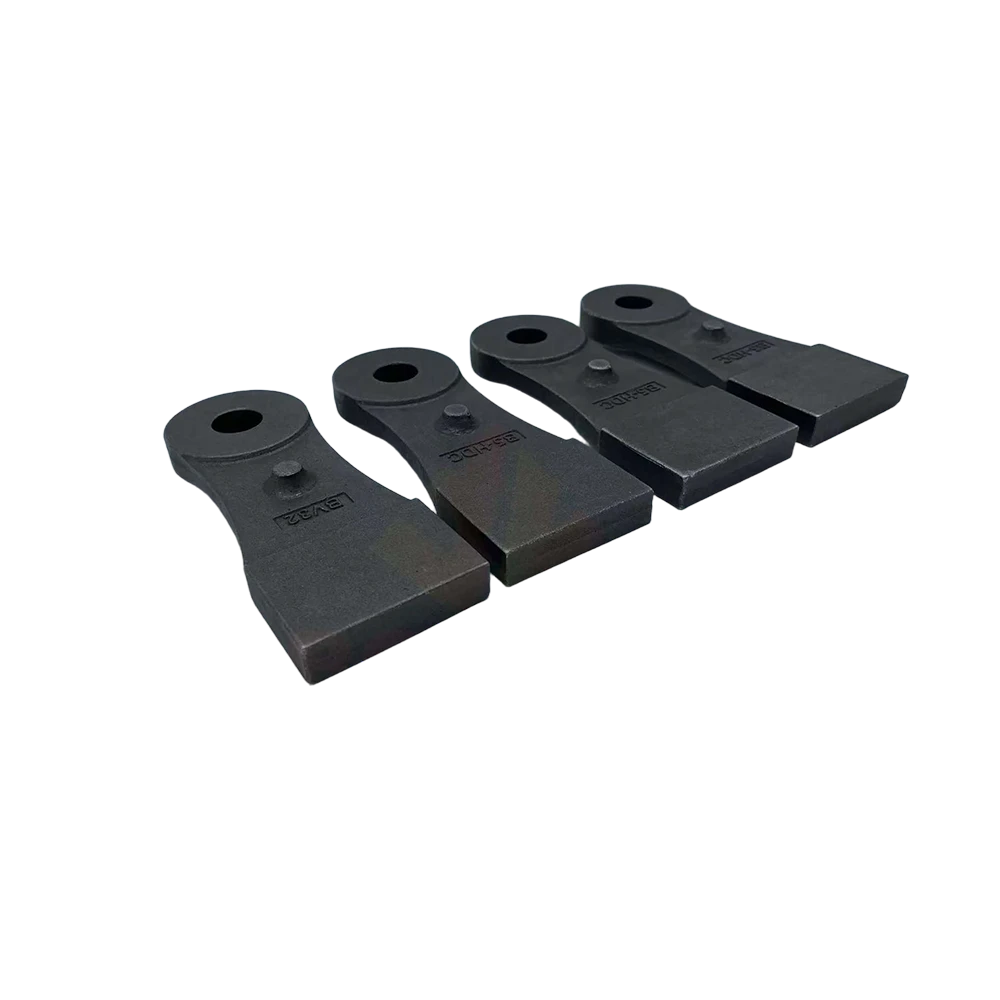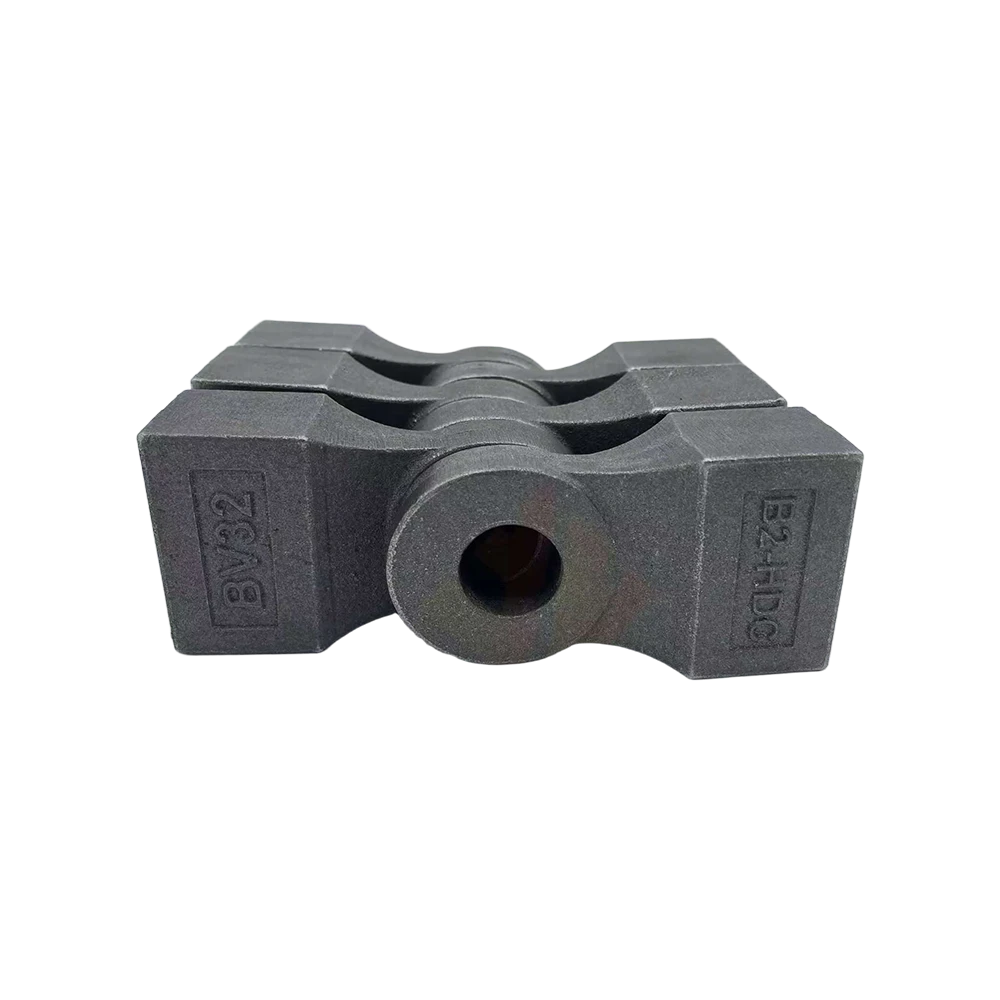
Comprehensive Guide to Wholesale Cast Heat Resistant Steel for Industrial Applications
Wholesale Cast Heat Resistant Steel: A Comprehensive Guide
When seeking reliable materials for high-temperature applications, wholesale cast heat resistant steel is a critical consideration. These specialized alloys maintain their strength and integrity even under extreme thermal stress, making them essential for industries like aerospace, automotive, and power generation. This article will explore the properties, applications, grades, and sourcing options for cast heat resistant steel, providing a valuable resource for businesses looking to procure high-quality materials. Choosing the right alloy can significantly impact the performance and longevity of your products.
Understanding Heat Resistant Steel Alloys
Heat resistant steels, also known as high-temperature alloys, are designed to withstand the effects of elevated temperatures without significant loss of strength, creep resistance, or oxidation resistance. These alloys achieve this through specific chemical compositions, often including elements like chromium, nickel, molybdenum, and vanadium. These additions create stable carbides and other phases that prevent grain growth and maintain structural integrity at high temperatures. The specific alloy selected will depend on the application’s temperature range, stress levels, and atmospheric conditions. DZM Casting specializes in providing a diverse range of these crucial materials.
Key Highlights: Heat resistant steels are engineered to maintain strength and resist deformation at high temperatures, crucial for demanding industrial applications.
Common Grades of Wholesale Cast Heat Resistant Steel
Several grades of cast heat resistant steel cater to specific performance requirements. Some common examples include:
- HF Steel (High-Frequency Induction Furnace Steel): Offers good hot workability and oxidation resistance, suitable for forging and casting.
- HP Steel (High-Pressure Turbine Steel): Designed for high-temperature, high-pressure environments found in turbine blades.
- Heat-Treatable Alloy Steels: Like 4140 and 4340, modified with alloying elements to enhance heat resistance.
- Superalloys: Including Inconel and Hastelloy, offering exceptional high-temperature strength and corrosion resistance.
Each grade presents a unique combination of properties, impacting its suitability for different applications. The optimal selection requires careful consideration of the operating conditions and desired performance characteristics. DZM Casting offers expertise in helping clients select the most appropriate grade for their specific needs.
Applications Across Industries
The demand for wholesale cast heat resistant steel spans numerous industries:
- Aerospace: Turbine blades, exhaust systems, and engine components.
- Automotive: Exhaust manifolds, turbocharger components, and engine valves.
- Power Generation: Boiler tubes, furnace parts, and gas turbine components.
- Chemical Processing: Reactors, heat exchangers, and piping systems.
- Oil & Gas: Downhole tools, valves, and pipelines.
The ability of these steels to withstand extreme temperatures and pressures is fundamental to the safe and efficient operation of critical equipment in these industries.
Key Benefits of Using Heat Resistant Steel:
• Maintains Strength at High Temperatures
• Resists Creep and Deformation
• Offers Excellent Oxidation and Corrosion Resistance
• Ensures Long-Term Reliability and Performance
Comparing Common Heat Resistant Steel Grades
Selecting the right grade requires understanding the differences between available options. Below is a comparison of several common heat resistant steel grades:
Sourcing Wholesale Cast Heat Resistant Steel from DZM Casting
When sourcing wholesale cast heat resistant steel, selecting a reputable supplier is crucial. DZM Casting offers a comprehensive range of alloys, competitive pricing, and stringent quality control measures. We specialize in custom casting solutions tailored to your specific needs. Our commitment to quality and customer satisfaction makes us a trusted partner for businesses worldwide. We provide detailed material certifications and ensure adherence to industry standards.
Conclusion: Ensuring Reliability with the Right Alloy
Investing in high-quality wholesale cast heat resistant steel is paramount for the success of numerous industrial applications. By carefully considering the operating conditions, selecting the appropriate alloy grade, and partnering with a reliable supplier like DZM Casting, businesses can ensure the longevity, safety, and efficiency of their products and operations. Don’t compromise on the integrity of your materials—choose a partner committed to excellence.
Frequently Asked Questions (FAQs)
What factors affect the heat resistance of steel?
Several factors influence a steel's ability to withstand high temperatures. The primary one is the alloy composition, specifically the addition of elements like chromium, nickel, molybdenum, and vanadium. These elements form stable carbides and other compounds that prevent grain growth and maintain strength at elevated temperatures. The steel's microstructure, achieved through heat treatment, also plays a significant role. Furthermore, the operating environment, including the presence of corrosive gases or liquids, can affect the steel's long-term performance. Finally, the level of stress applied to the material at high temperatures influences its susceptibility to creep.
What is creep in relation to heat resistant steel?
Creep is the tendency of a solid material to slowly deform permanently under the influence of persistent mechanical stresses. It becomes significant at high temperatures, where steel loses some of its strength. Even relatively low stress levels can cause creep deformation over time. Heat resistant steels are specifically designed to minimize creep, often through the addition of alloying elements that strengthen the material’s microstructure. Understanding a material's creep resistance is crucial for applications involving prolonged exposure to high temperatures and loads.
How does oxidation resistance relate to heat resistant steel?
At high temperatures, steel can react with oxygen in the atmosphere, forming oxides that scale and weaken the material. Oxidation resistance is the ability of a steel alloy to resist this corrosive process. Chromium is a key element in enhancing oxidation resistance, as it forms a protective chromium oxide layer on the steel's surface. Other alloying elements, such as aluminum and silicon, can also contribute to oxidation resistance. Maintaining a protective oxide layer is vital for preventing material loss and preserving the steel's mechanical properties at elevated temperatures.
What quality control measures does DZM Casting employ?
DZM Casting maintains rigorous quality control throughout the entire manufacturing process. This includes comprehensive material testing, including chemical analysis, mechanical property testing, and non-destructive examination. We adhere to strict industry standards and provide detailed material certifications with every shipment. Our quality control team conducts thorough inspections at each stage of production, from raw material sourcing to final product delivery, ensuring consistent quality and customer satisfaction. We are committed to delivering products that meet or exceed your expectations.
-
High Performance oem cast heat resistant steel for Industrial UseNewsApr.16,2026
-
Guide to Selecting High Quality Cast Heat Resistant Steel AlloysNewsApr.09,2026
-
Custom Cast Heat Resistant Steel Solutions for High Temperature ApplicationsNewsApr.07,2026
-
Comprehensive Guide to High Performance Heat Resistant Metal Product SolutionsNewsMar.31,2026
-
Expert Guidance on Heat Resistant Metal Quotes and Alloy SelectionNewsMar.28,2026