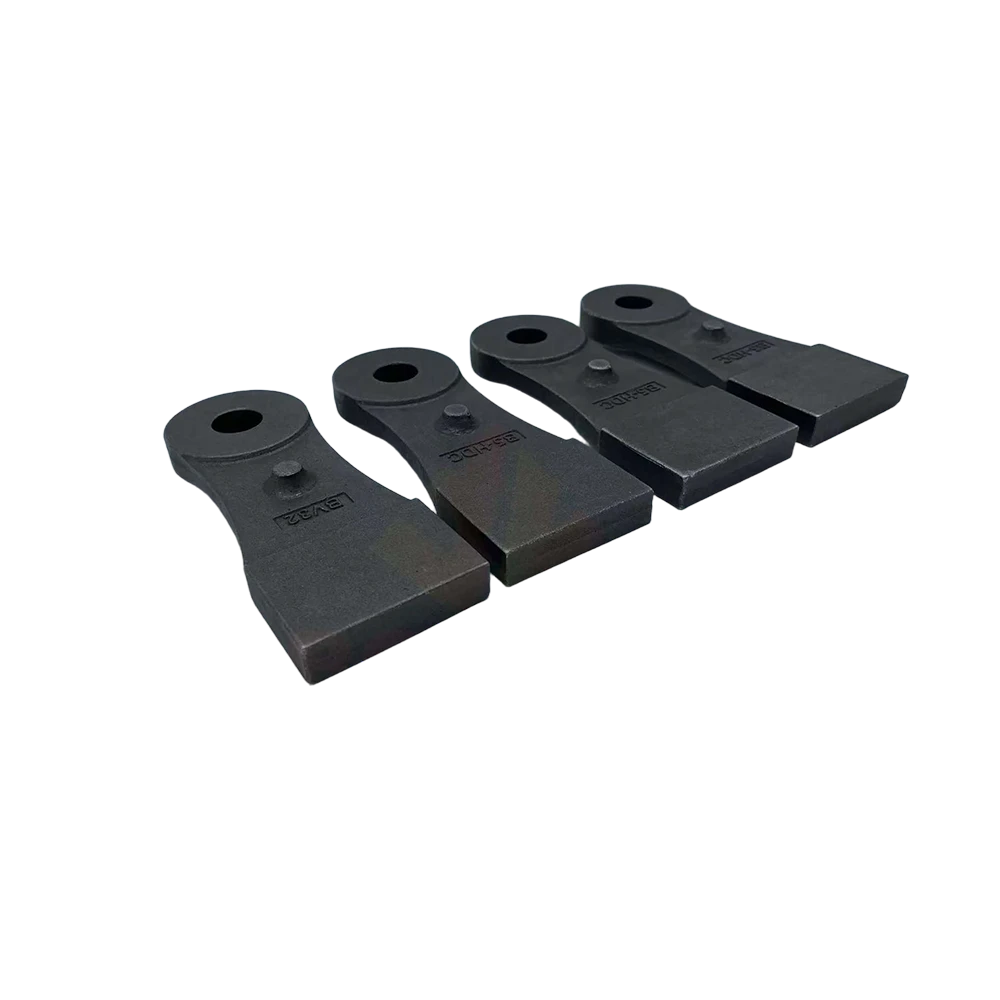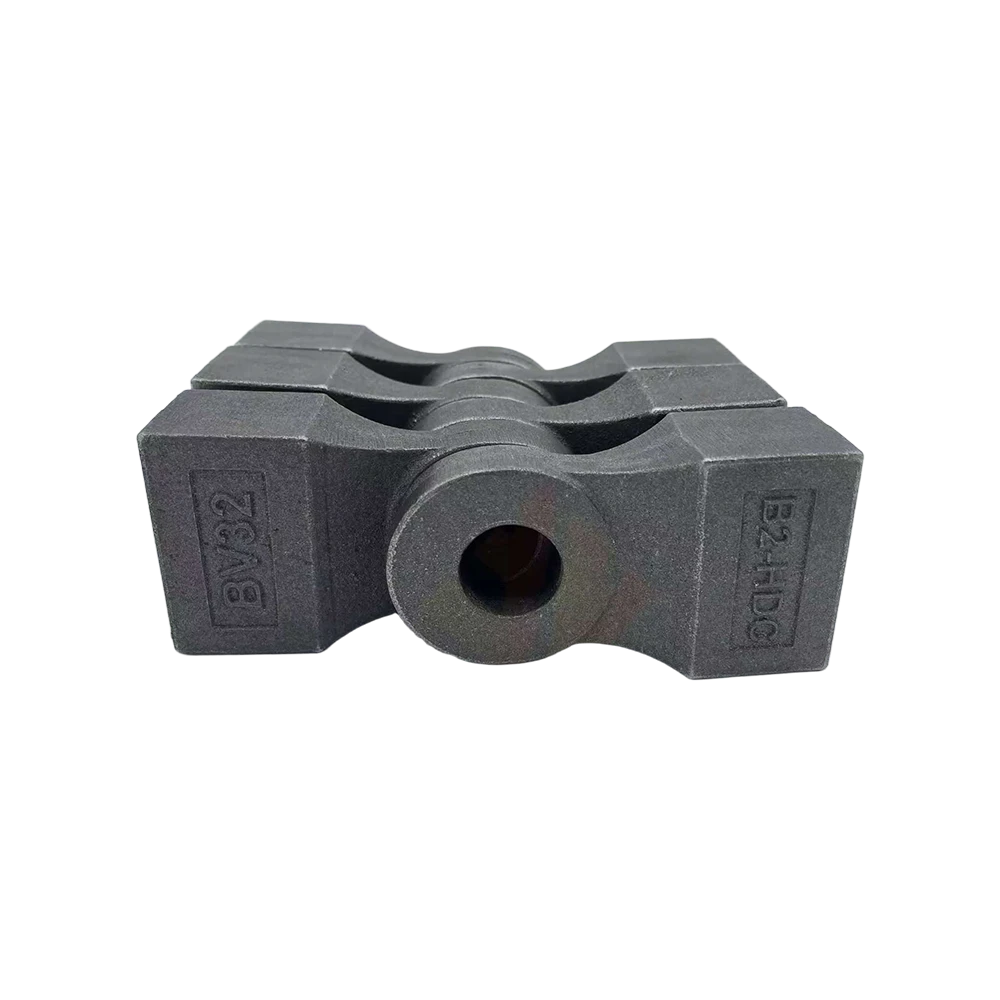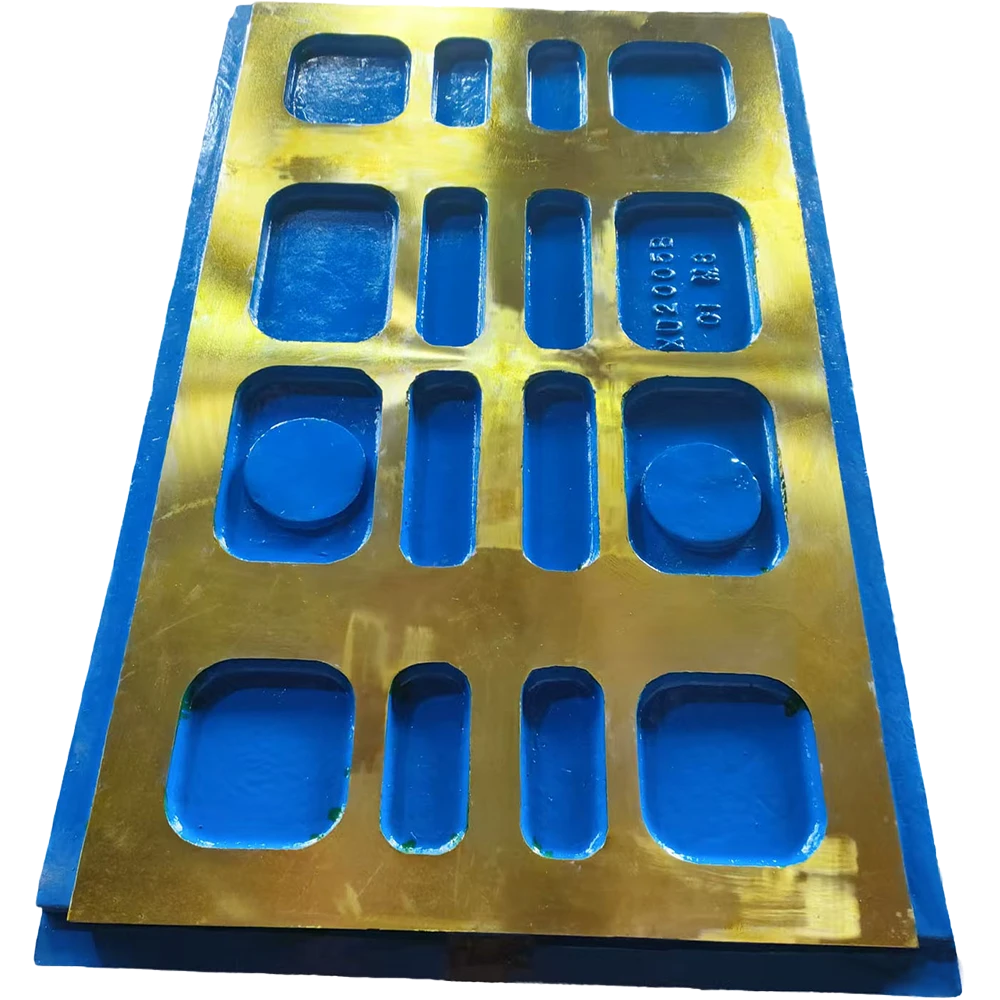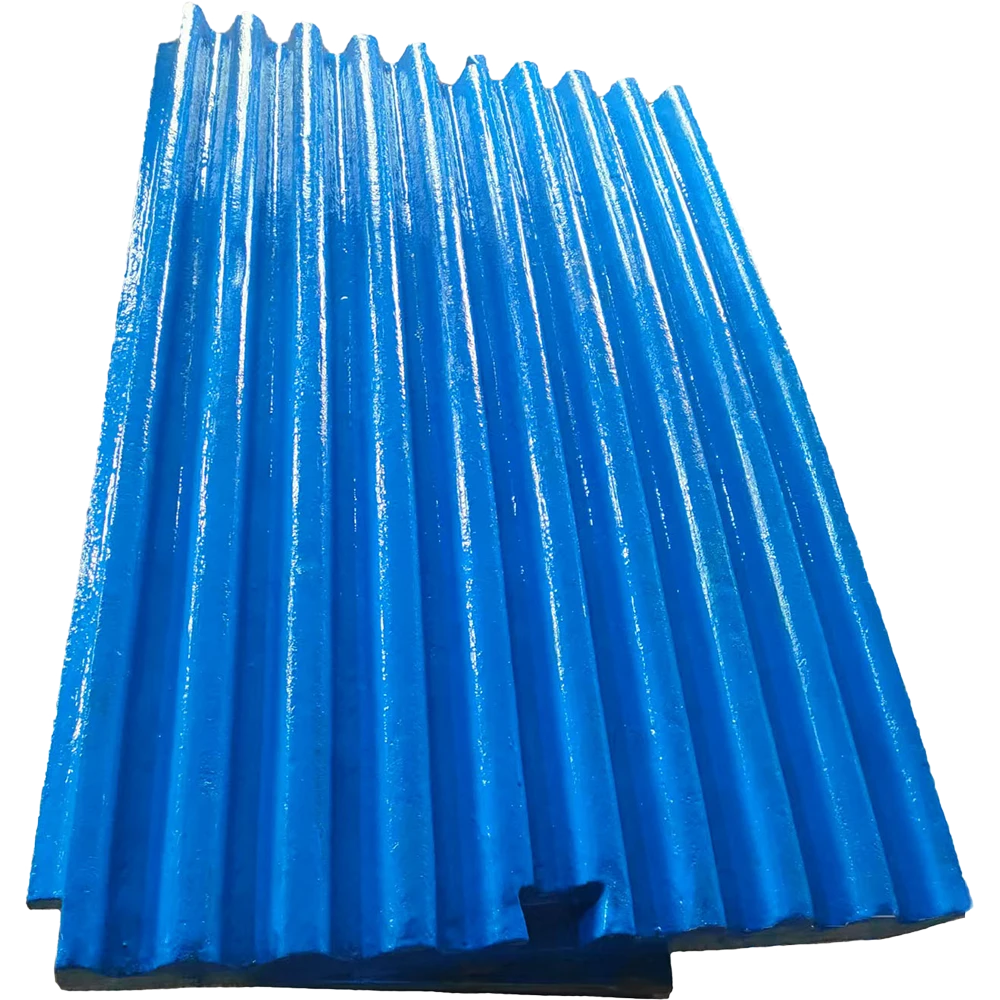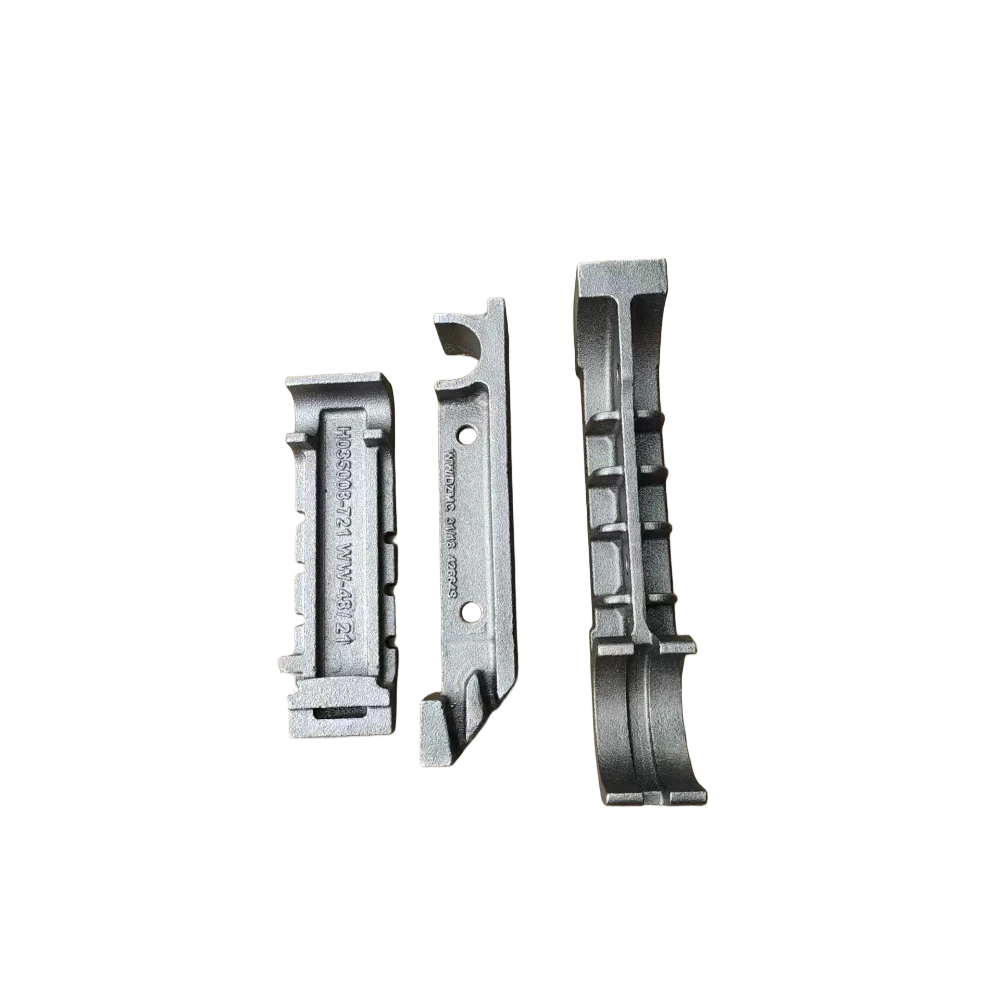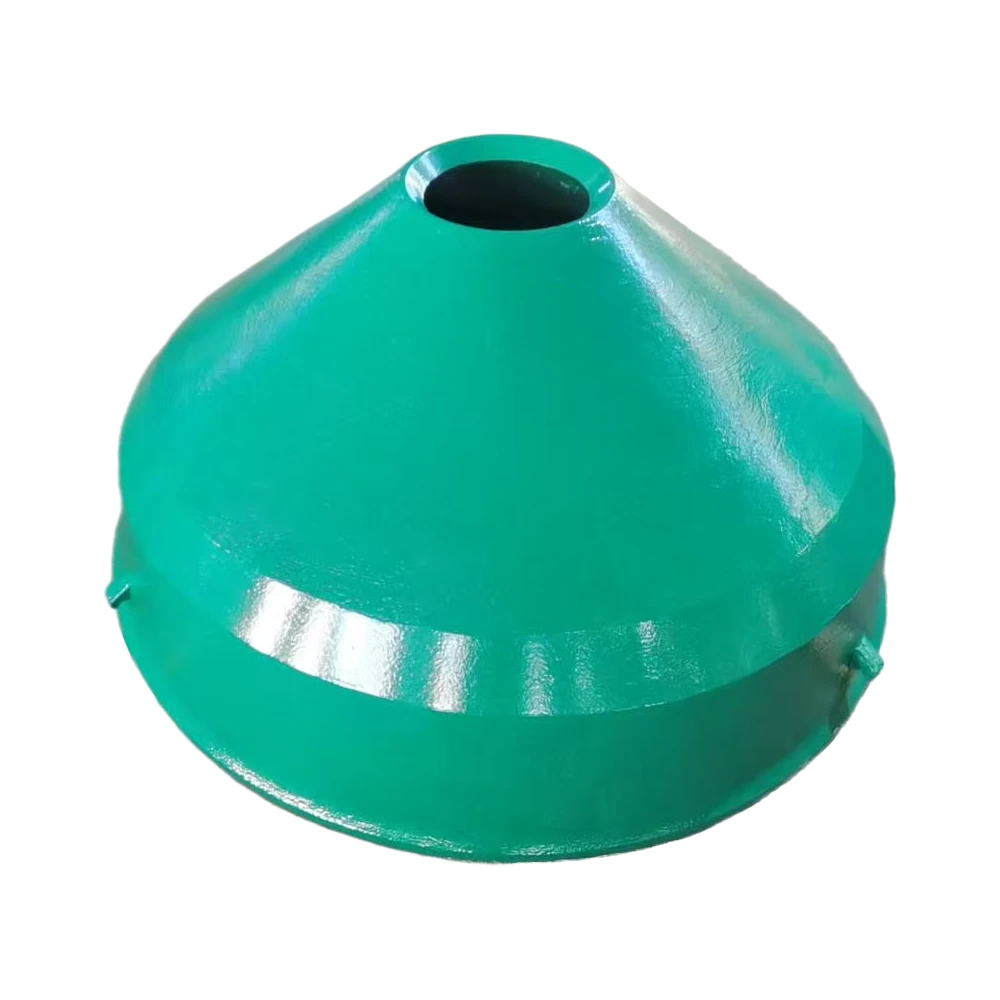
High Performance oem cast heat resistant steel for Industrial Use
High-Performance OEM Cast Heat Resistant Steel: Engineering Excellence
In the demanding world of industrial thermal processing, the integrity of your components can be the difference between seamless operation and costly downtime. Choosing a professional oem cast heat resistant steel provider ensures that your parts are engineered to withstand extreme temperatures without sacrificing structural strength. Whether you are dealing with furnace components, turbine parts, or heat exchangers, the material's ability to resist creep and oxidation is critical. This guide explores the technical nuances and strategic advantages of utilizing custom casting for heat-resistant applications, helping you optimize your industrial performance.
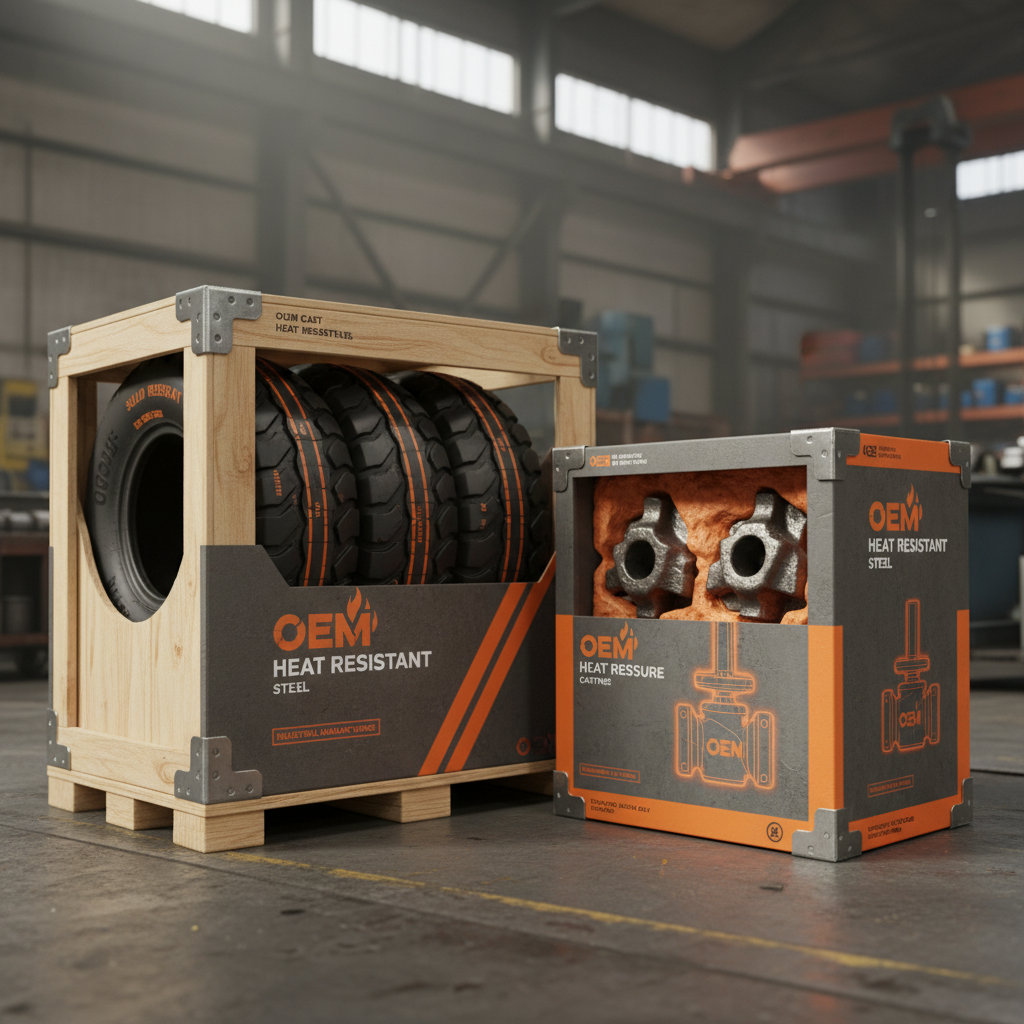
The Importance of Custom OEM Cast Heat Resistant Steel
Standard off-the-shelf components often fail to meet the specific thermal gradients and mechanical stresses of specialized industrial environments. By opting for oem cast heat resistant steel, companies can tailor the chemical composition of the alloy—such as adjusting chromium, nickel, or molybdenum levels—to match the exact operating temperature of their machinery. This precision casting process reduces the need for extensive machining and ensures a uniform grain structure, which is essential for preventing premature failure under thermal cycling.
Key Advantages: Custom OEM casting allows for complex geometries that are impossible to achieve via forging, while ensuring the material properties are optimized for high-temperature oxidation resistance and long-term creep strength.
Material Selection for Heat-Resistant Castings
Selecting the right alloy is the cornerstone of durability. Heat-resistant steels are generally categorized by their base elements, which determine their performance in different atmospheres. For instance, austenitic steels are preferred for their excellent ductility and corrosion resistance at high temperatures, whereas martensitic steels provide higher strength. When partnering with a specialist in oem cast heat resistant steel, you gain access to advanced metallurgical expertise to choose the exact grade required for your specific thermal load.
Critical Selection Factors:
• Maximum Operating Temperature: Determines the alloy's melting point and softening stage.
• Oxidation Environment: Determines the required chromium content to form a protective oxide layer.
• Mechanical Load: Determines the need for alloying elements like Molybdenum for creep resistance.
• Thermal Cycling: Affects the choice of material to prevent thermal fatigue cracking.
Comparing OEM Cast Heat Resistant Steel vs. Wrought Steel
Many engineers debate between cast and wrought materials. While wrought steel is known for its strength, casting offers unparalleled design flexibility and cost-efficiency for complex shapes. The oem cast heat resistant steel process allows for integrated cooling channels and intricate internal structures that would be prohibitively expensive or impossible to machine from a solid block of steel.
Industrial Applications of Heat Resistant Castings
The versatility of oem cast heat resistant steel makes it indispensable across several high-stakes industries. In the petrochemical sector, it is used for cracking tubes and valve bodies that must withstand corrosive gases at extreme heat. In power generation, turbine blades and boiler components rely on these castings to maintain their dimensions under centrifugal force and thermal expansion. Additionally, the automotive and aerospace industries utilize these materials for turbocharger components and exhaust manifolds, where weight reduction and heat dissipation are critical.
Technical Specifications for Quality OEM Castings
To ensure the longevity of a component, a rigorous set of technical specifications must be followed during the casting process. This includes precise control of the pouring temperature, cooling rates, and post-cast heat treatments (such as annealing or normalizing). A high-quality oem cast heat resistant steel part should undergo non-destructive testing (NDT), such as X-ray or ultrasonic inspection, to ensure there are no internal voids or inclusions that could lead to failure under pressure.
Optimizing Lifecycle Costs with High-Grade Castings
While the initial investment in premium oem cast heat resistant steel may be higher than generic alternatives, the Total Cost of Ownership (TCO) is significantly lower. High-grade castings exhibit superior resistance to thermal deformation and scaling, which extends the mean time between failures (MTBF). By reducing the frequency of replacements and minimizing unplanned outages, enterprises can achieve greater operational efficiency and a faster return on investment. Investing in quality metallurgy is not just a technical choice, but a financial strategy for long-term industrial stability.
Conclusion: Empowering Your Industry with Precision Casting
The strategic implementation of oem cast heat resistant steel allows industries to push the boundaries of temperature and pressure. By combining advanced alloy selection, precision OEM casting techniques, and rigorous quality testing, you can ensure that your critical components remain resilient in the harshest environments. When durability and precision are non-negotiable, custom heat-resistant castings provide the reliability your business needs to thrive in a competitive global market.
Frequently Asked Questions (FAQs)
What exactly is OEM cast heat resistant steel?
OEM (Original Equipment Manufacturer) cast heat resistant steel refers to steel components that are custom-cast to a client's specific design and metallurgical requirements, specifically engineered to maintain mechanical properties at elevated temperatures. Unlike standard steels, these alloys contain higher percentages of elements like Chromium, Nickel, and Cobalt to prevent oxidation and "creep"—the tendency of a solid material to move slowly or deform permanently under the influence of persistent mechanical stresses. This process ensures a perfect fit and optimized performance for a specific machine or system.
How do you prevent oxidation in heat resistant castings?
Oxidation is prevented primarily through the precise addition of Chromium to the steel alloy. When heated, Chromium reacts with oxygen to form a thin, stable, and adherent layer of chromium oxide (Cr2O3) on the surface of the part. This "passive layer" acts as a barrier that prevents further oxygen from penetrating the metal. In more extreme environments, other elements like Silicon or Aluminum may be added to enhance this protective scale, ensuring the oem cast heat resistant steel component does not degrade or lose mass over time.
What is the typical lead time for custom OEM castings?
Lead times vary depending on the complexity of the part and the specific alloy required. Generally, the process includes design verification, mold creation, casting, heat treatment, and final machining. For most industrial components, this can range from 4 to 12 weeks. However, by utilizing advanced 3D printing for patterns and streamlined quality control processes, professional providers can often reduce these timelines. It is always recommended to provide detailed technical drawings early in the procurement phase to ensure the most efficient production schedule.
Can you cast very large heat resistant steel components?
Yes, modern casting facilities are equipped to handle a wide range of sizes, from small precision valves to massive furnace housings. The key to successful large-scale oem cast heat resistant steel is controlling the cooling rate. Large castings are prone to shrinkage and internal stresses; therefore, advanced gating systems and controlled cooling molds are used to ensure the part remains dimensionally accurate and free of internal cracks, regardless of its size.
-
Guide to Selecting High Quality Cast Heat Resistant Steel AlloysNewsApr.09,2026
-
Custom Cast Heat Resistant Steel Solutions for High Temperature ApplicationsNewsApr.07,2026
-
Comprehensive Guide to Wholesale Cast Heat Resistant Steel for Industrial ApplicationsNewsApr.04,2026
-
Comprehensive Guide to High Performance Heat Resistant Metal Product SolutionsNewsMar.31,2026
-
Expert Guidance on Heat Resistant Metal Quotes and Alloy SelectionNewsMar.28,2026