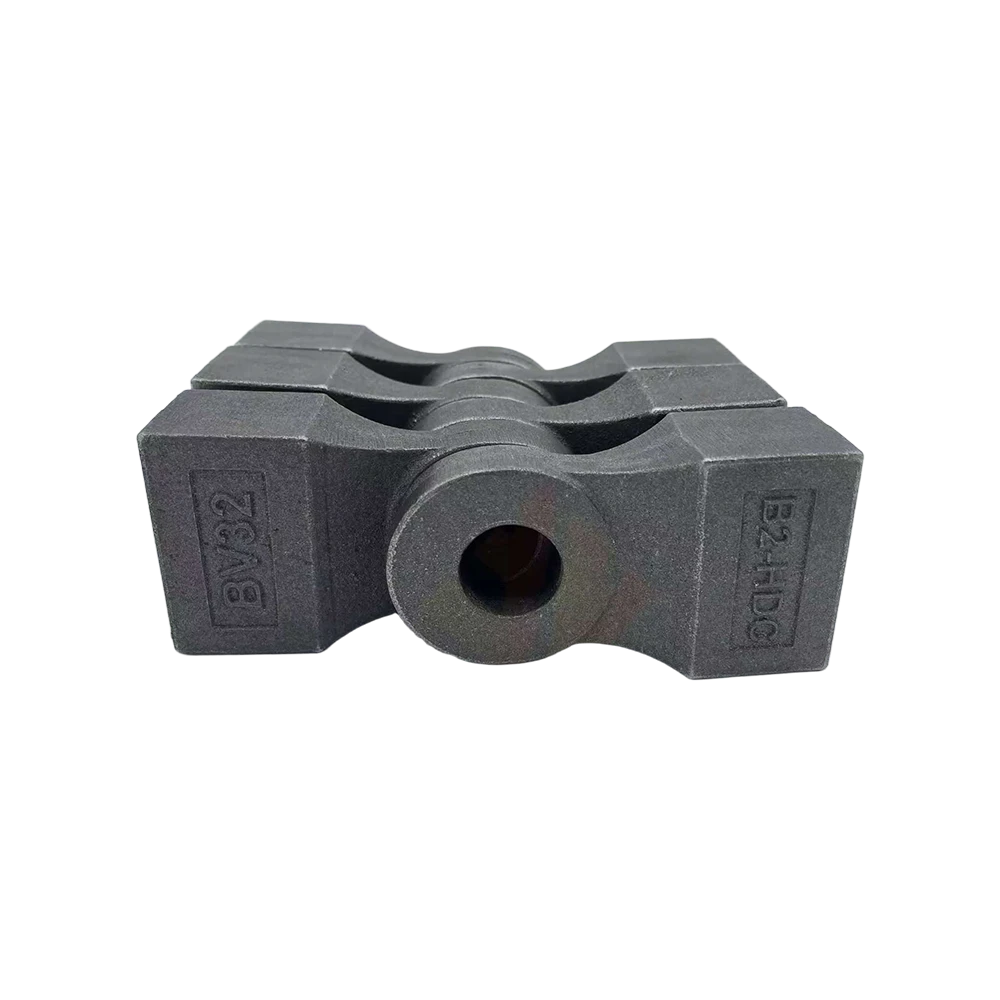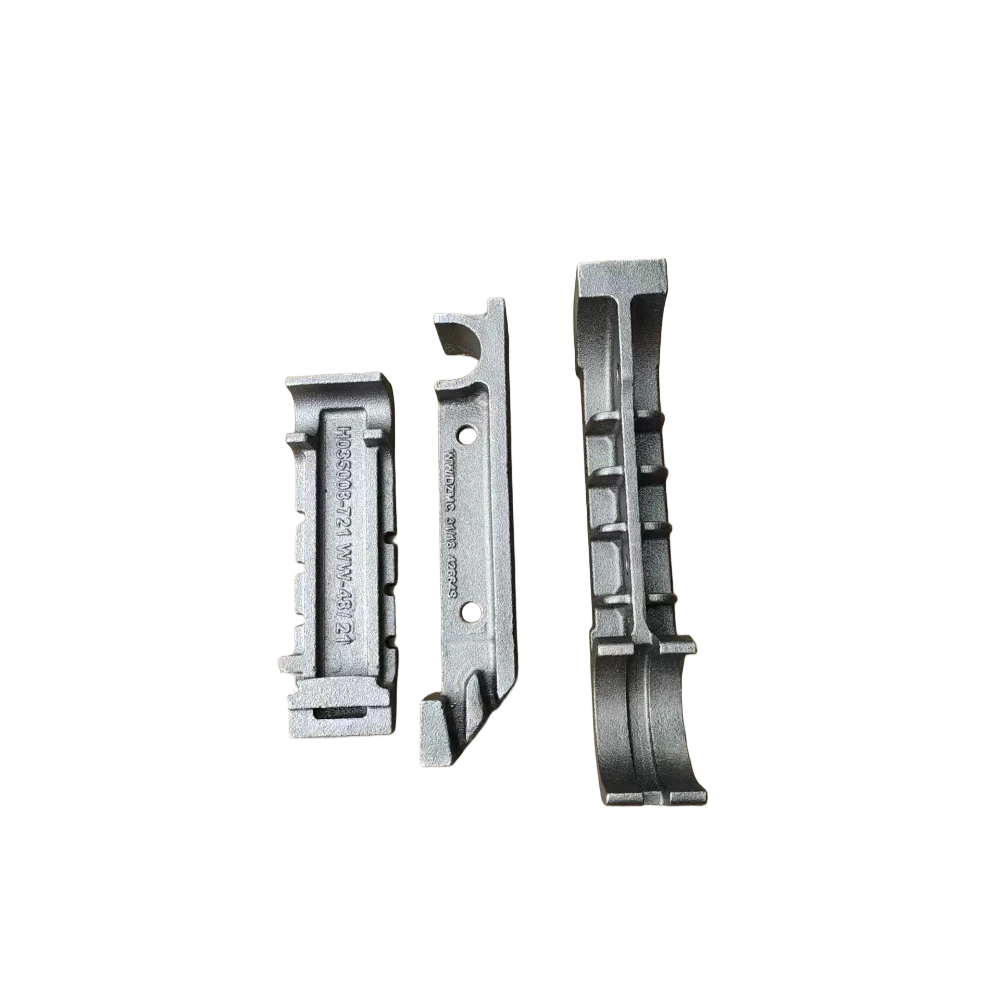
Custom Cast Heat Resistant Steel Solutions for High Temperature Applications
Custom Cast Heat Resistant Steel: A Comprehensive Guide
In demanding industrial applications, the need for materials that can withstand extreme temperatures and harsh conditions is paramount. Custom cast heat resistant steel provides a solution, offering exceptional performance in high-temperature environments. This article will explore the properties, applications, manufacturing processes, and benefits of these specialized steel castings, providing insights for engineers and procurement professionals. Choosing the right material can significantly improve the efficiency and longevity of equipment operating under thermal stress.
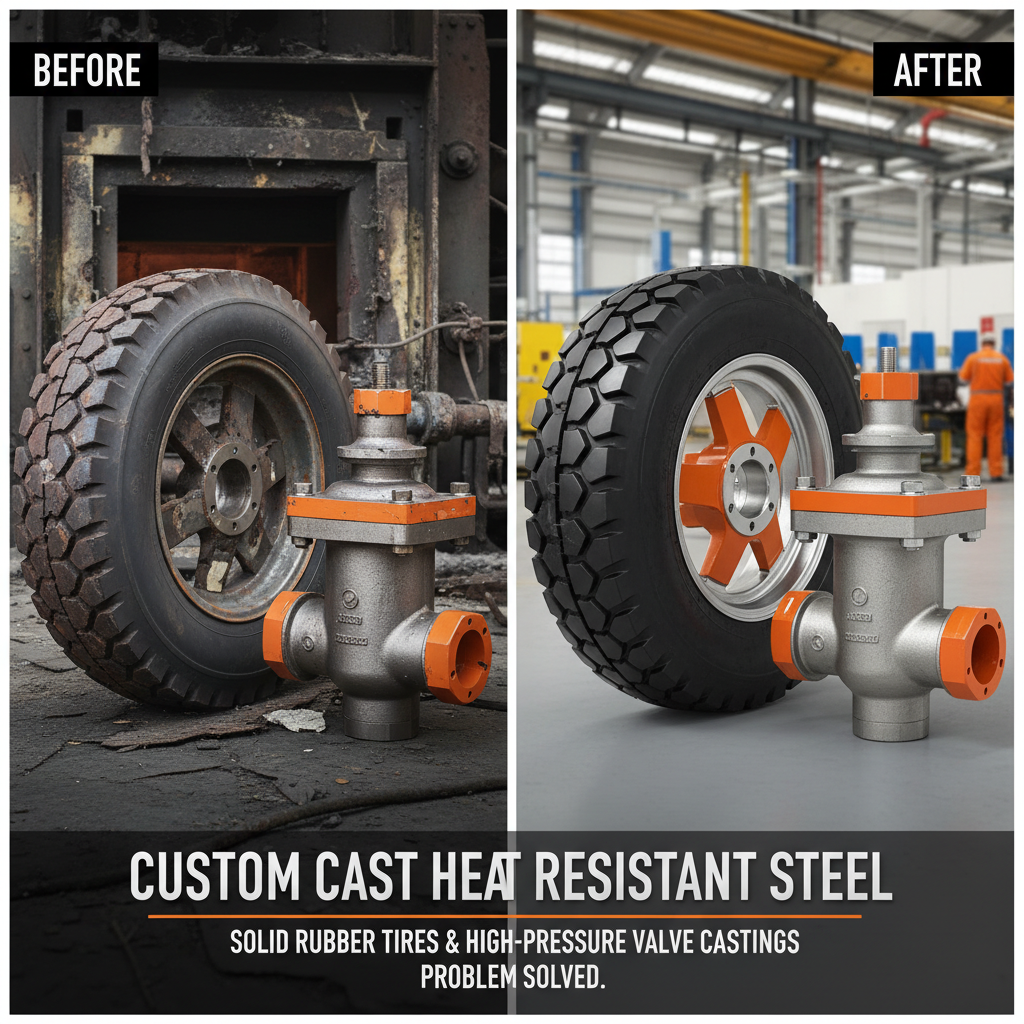
Understanding Heat Resistant Steel
Heat resistant steel, also known as high-temperature steel, is engineered to maintain its strength, toughness, and corrosion resistance at elevated temperatures. Unlike standard steels which lose their mechanical properties as temperature rises, these alloys retain critical characteristics crucial for applications like furnace components, exhaust systems, and jet engine parts. The addition of alloying elements like chromium, nickel, molybdenum, and vanadium stabilizes the microstructure, preventing phase transformations that weaken the material. DZM Casting specializes in producing custom castings from these challenging materials, ensuring optimal performance in your specific application.
Key Applications of Custom Cast Heat Resistant Steel
The unique properties of heat resistant steel make it indispensable in numerous industries. Power generation plants utilize it for turbine blades and combustion chambers. The aerospace industry relies on these alloys for jet engine components and exhaust nozzles. Metalworking and heat treatment industries depend on them for furnace linings and dies. Chemical processing plants utilize these steels in reactors and heat exchangers. Furthermore, they are increasingly used in waste incineration and renewable energy systems. DZM Casting provides solutions tailored to these diverse requirements.
Key Benefits: Exceptional strength and toughness at high temperatures, resistance to thermal fatigue, excellent corrosion resistance, and customizability through casting.
Common Grades of Custom Cast Heat Resistant Steel
A variety of heat resistant steel grades are available, each with specific compositions optimized for different temperature ranges and applications. Common grades include:
The Casting Process for Heat Resistant Steel
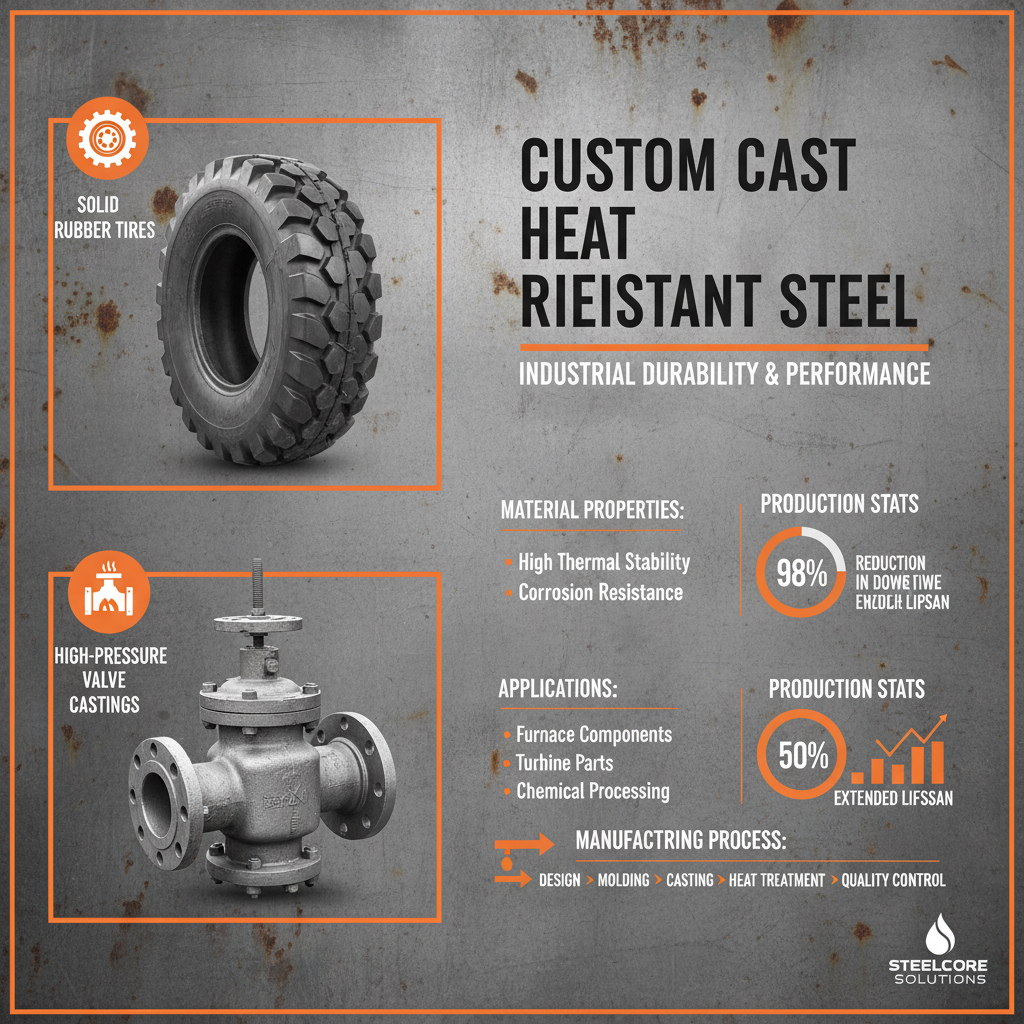
Casting is a highly effective method for producing complex shapes from heat resistant steel. The process involves melting the alloy and pouring it into a mold. Several casting techniques are employed, including sand casting, investment casting (lost-wax casting), and vacuum casting. Each method has its advantages in terms of precision, surface finish, and cost. DZM Casting utilizes advanced casting techniques to deliver high-quality, dimensionally accurate components that meet stringent customer specifications. Careful control of the melting and pouring processes is essential to avoid defects and ensure the desired material properties.
Benefits of Choosing Custom Casting with DZM Casting
Selecting DZM Casting for your custom cast heat resistant steel components offers numerous advantages. We provide material expertise, design assistance, and a comprehensive range of casting processes to meet your specific needs. Our commitment to quality control ensures that every component meets the highest standards of performance and reliability. We also offer competitive pricing and rapid turnaround times. We are dedicated to providing innovative solutions and building long-term partnerships with our clients.
Conclusion: Reliable Heat Resistance for Critical Applications
Custom cast heat resistant steel is essential for ensuring the reliable operation of equipment in demanding high-temperature environments. DZM Casting is your trusted partner for delivering high-quality, custom-engineered solutions that meet your precise specifications. Contact us today to discuss your project and learn how we can help you optimize your operations.
Frequently Asked Questions (FAQs)
What factors influence the cost of custom cast heat resistant steel?
The cost of custom cast heat resistant steel is influenced by several factors including the alloy composition, the complexity of the design, the quantity ordered, and the chosen casting process. More complex designs and alloys with higher percentages of expensive elements like nickel or cobalt will generally cost more. Larger quantities typically benefit from economies of scale. DZM Casting provides detailed quotations based on your specific requirements, ensuring transparency and cost-effectiveness.
What is the typical lead time for a custom casting order?
Lead times vary depending on the complexity of the part, the alloy, and our current production schedule. Generally, lead times range from 4 to 12 weeks. We strive to expedite orders whenever possible and offer flexible scheduling options to meet your deadlines. Providing detailed specifications and drawings upfront will help us accurately assess lead times and ensure timely delivery. Contact DZM Casting to discuss your project and get a specific lead time estimate.
Can DZM Casting assist with the design of my casting?
Yes, DZM Casting offers design assistance services to help optimize your casting for manufacturability and performance. Our experienced engineers can review your drawings, suggest design improvements, and ensure that the casting is suitable for the intended application. We can also provide guidance on material selection and casting process selection.
What quality control measures are in place at DZM Casting?
DZM Casting maintains a rigorous quality control system throughout the entire casting process. This includes material verification, dimensional inspections, non-destructive testing (NDT) such as radiographic testing and ultrasonic testing, and visual inspections. We are committed to delivering castings that meet or exceed your expectations. Our quality control processes are designed to identify and address any potential defects before they reach our customers.
-
High Performance oem cast heat resistant steel for Industrial UseNewsApr.16,2026
-
Guide to Selecting High Quality Cast Heat Resistant Steel AlloysNewsApr.09,2026
-
Comprehensive Guide to Wholesale Cast Heat Resistant Steel for Industrial ApplicationsNewsApr.04,2026
-
Comprehensive Guide to High Performance Heat Resistant Metal Product SolutionsNewsMar.31,2026
-
Expert Guidance on Heat Resistant Metal Quotes and Alloy SelectionNewsMar.28,2026