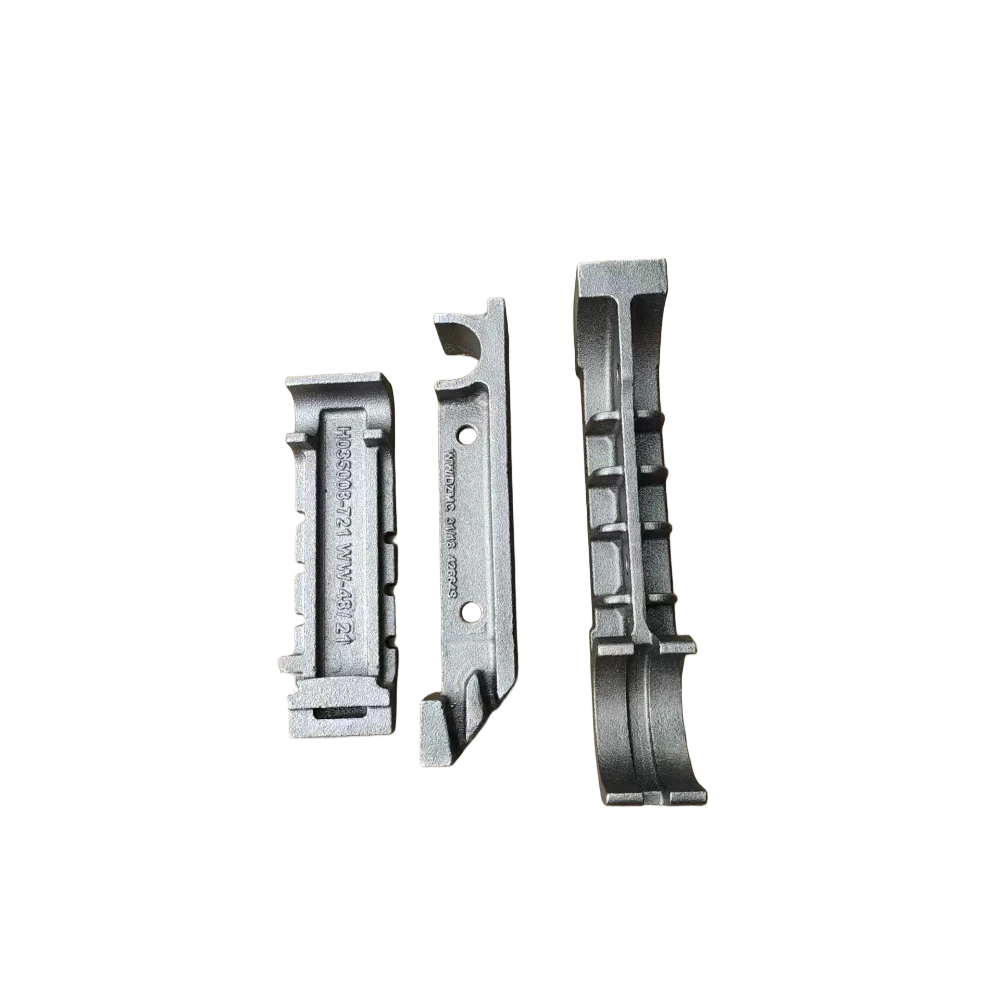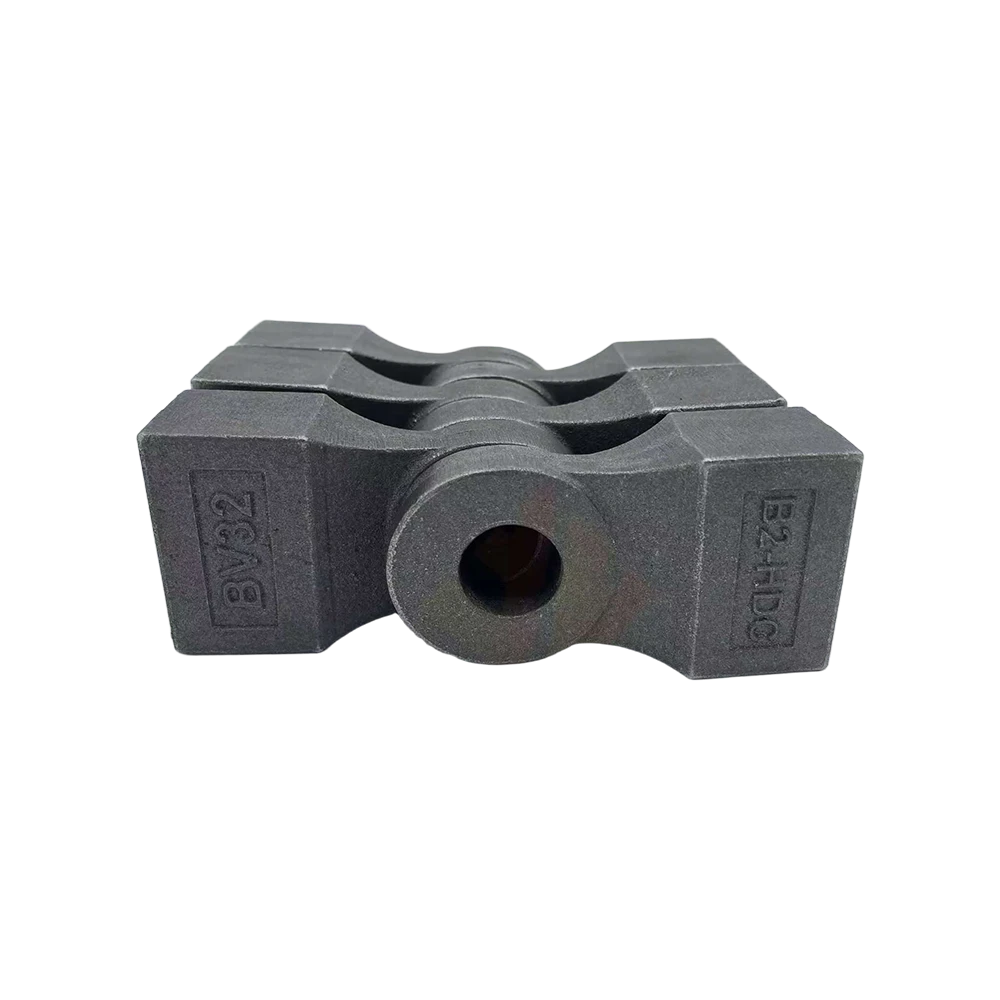
Comprehensive Guide to High Performance Heat Resistant Metal Product Solutions
Heat Resistant Metal Product: A Comprehensive Guide
In industries demanding high-performance materials, the need for heat resistant metal products is paramount. These specialized components are crucial for ensuring operational efficiency, safety, and longevity in demanding environments. This article explores the applications, materials, manufacturing processes, and benefits of heat resistant metal products, providing a comprehensive understanding for engineers, procurement professionals, and anyone involved in high-temperature applications. Selecting the correct material and manufacturing process is vital for success. DZMCCasting specializes in producing high-quality, customized heat-resistant metal products.
Understanding the Core Requirements of Heat Resistance
Heat resistance isn't simply about withstanding high temperatures. It encompasses a range of properties including oxidation resistance, creep resistance, thermal stability, and resistance to thermal shock. Different applications require varying degrees of these properties. For instance, components in jet engines demand exceptional creep resistance to maintain structural integrity under immense stress at high temperatures, while furnace parts prioritize oxidation resistance to prevent material degradation. Effective heat resistance also translates to reduced maintenance costs and extended operational life, resulting in significant long-term savings.
Key Considerations: Successful heat resistance relies on a combination of material selection, manufacturing process, and understanding the specific operating environment.
Common Materials Used in Heat Resistant Metal Products
Several metals and alloys excel in high-temperature environments. Nickel-based superalloys, such as Inconel and Hastelloy, are renowned for their exceptional creep resistance and oxidation resistance, making them ideal for aerospace applications. Cobalt-based alloys offer superior hot strength and are often used in gas turbines. Stainless steels, particularly austenitic grades like 316, provide good corrosion resistance and moderate heat resistance. Furthermore, refractory metals like tungsten and molybdenum exhibit extremely high melting points but require protective coatings to prevent oxidation. DZMCCasting works with a variety of these materials to meet specific project requirements.
Material Selection Guide:
• Nickel-based Superalloys: Aerospace, gas turbines, chemical processing.
• Cobalt-based Alloys: High-temperature structural components, medical implants.
• Stainless Steels: Furnaces, heat exchangers, general industrial applications.
• Refractory Metals: High-temperature tooling, aerospace components (with coatings).
Heat Resistant Metal Product Manufacturing Processes
The manufacturing process significantly influences the final properties of heat resistant metal products. Investment casting is widely used for complex geometries and tight tolerances, offering excellent surface finish. Sand casting is cost-effective for larger parts, while die casting is suitable for high-volume production. Powder metallurgy allows for the creation of alloys with unique compositions and excellent control over microstructure. Furthermore, specialized techniques like hot isostatic pressing (HIP) can eliminate internal porosity, enhancing mechanical properties and fatigue life. DZMCCasting utilizes a variety of these techniques, tailored to each customer's needs.
Applications of Heat Resistant Metal Products
The applications of these products are incredibly diverse. Aerospace utilizes them extensively in jet engine components, exhaust systems, and turbine blades. The power generation industry relies on them for furnace linings, gas turbine blades, and heat exchangers. Chemical processing employs them in reactors, distillation columns, and piping systems. Furthermore, the automotive sector utilizes them in exhaust manifolds and turbocharger components. The demand for these materials is steadily increasing with the development of more efficient and advanced technologies.
Benefits of Investing in High-Quality Heat Resistant Components
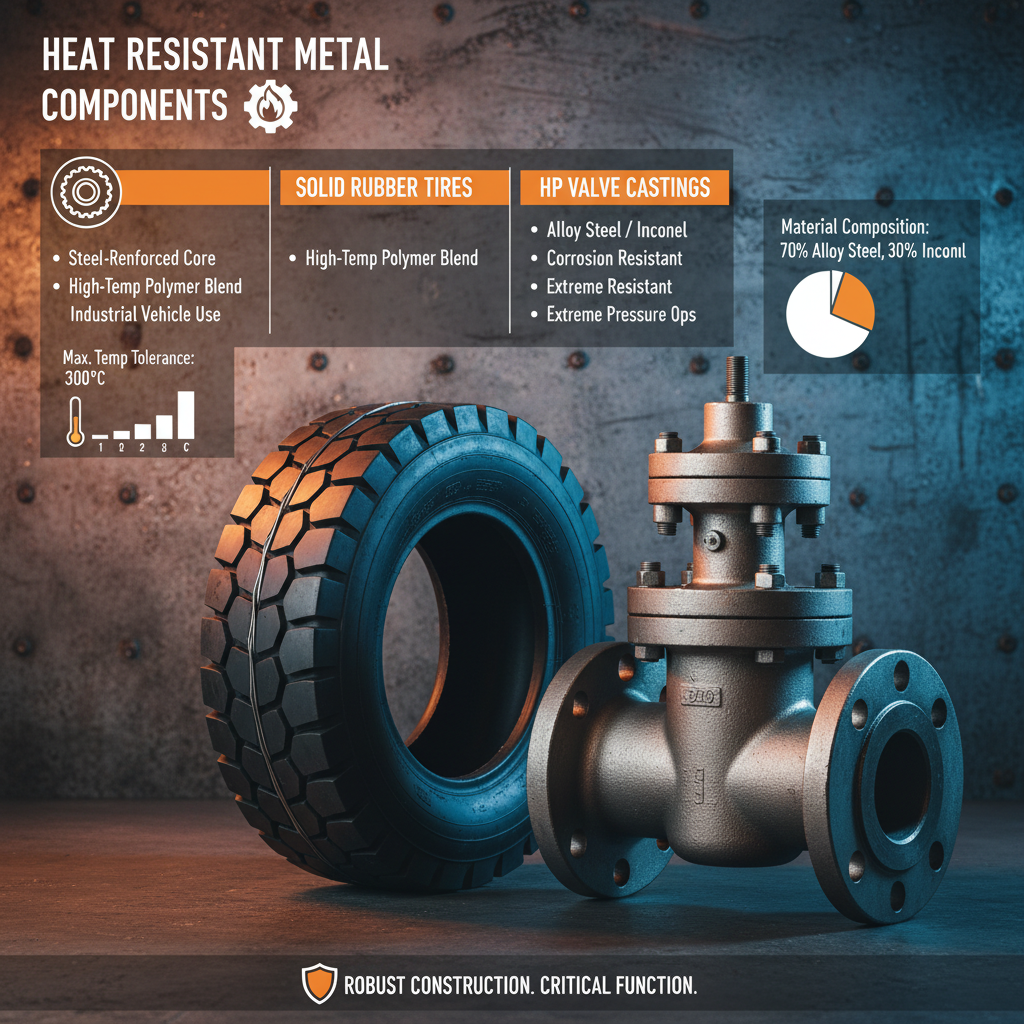
Investing in high-quality heat resistant metal products offers numerous benefits. Increased operational efficiency through reduced downtime and maintenance. Extended component lifespan, lowering replacement costs. Improved safety by preventing catastrophic failures in high-temperature environments. Enhanced performance and reliability of critical systems. Ultimately, these benefits translate into significant cost savings and a stronger bottom line. DZMCCasting is dedicated to providing solutions that deliver these advantages.
Conclusion: Optimizing Performance with the Right Materials
Selecting the right heat resistant metal product is a critical decision that impacts performance, reliability, and cost-effectiveness. By carefully considering the application requirements, material properties, and manufacturing processes, you can ensure optimal results. DZMCCasting provides the expertise and capabilities to deliver customized solutions that meet your specific needs. Don't compromise on quality – partner with a trusted leader in heat resistant metal casting.
Frequently Asked Questions (FAQs)
What factors influence the heat resistance of a metal alloy?
Several factors contribute to a metal alloy's heat resistance. These include the melting point of the constituent elements, the formation of protective oxide layers, the alloy's creep resistance (its ability to withstand deformation under stress at high temperatures), and its resistance to thermal shock (its ability to withstand rapid temperature changes). Alloying elements are often added to increase these properties. For example, chromium enhances oxidation resistance, while tungsten and molybdenum improve high-temperature strength. Proper heat treatment also plays a crucial role in developing the desired microstructure and enhancing heat resistance.
How does thermal shock affect heat resistant metal products?
Thermal shock occurs when a material experiences rapid temperature changes, creating stresses due to differential expansion and contraction. This can lead to cracking or failure, particularly in brittle materials. Heat resistant metal products designed for thermal shock environments require a combination of high thermal conductivity (to distribute heat evenly) and high fracture toughness (to resist crack propagation). Alloys with low thermal expansion coefficients are also preferred. Proper design considerations, such as minimizing stress concentrations and utilizing protective coatings, can further mitigate the effects of thermal shock.
What are the benefits of using protective coatings on heat resistant metals?
Protective coatings, such as ceramic coatings or diffusion coatings, enhance the performance and lifespan of heat resistant metal products. These coatings provide several benefits, including improved oxidation resistance, corrosion resistance, and thermal barrier properties. They also reduce heat loss and protect the underlying metal from degradation. The choice of coating depends on the specific application and operating environment. For example, alumina coatings are commonly used for oxidation resistance, while zirconia coatings offer excellent thermal insulation.
-
High Performance oem cast heat resistant steel for Industrial UseNewsApr.16,2026
-
Guide to Selecting High Quality Cast Heat Resistant Steel AlloysNewsApr.09,2026
-
Custom Cast Heat Resistant Steel Solutions for High Temperature ApplicationsNewsApr.07,2026
-
Comprehensive Guide to Wholesale Cast Heat Resistant Steel for Industrial ApplicationsNewsApr.04,2026
-
Expert Guidance on Heat Resistant Metal Quotes and Alloy SelectionNewsMar.28,2026