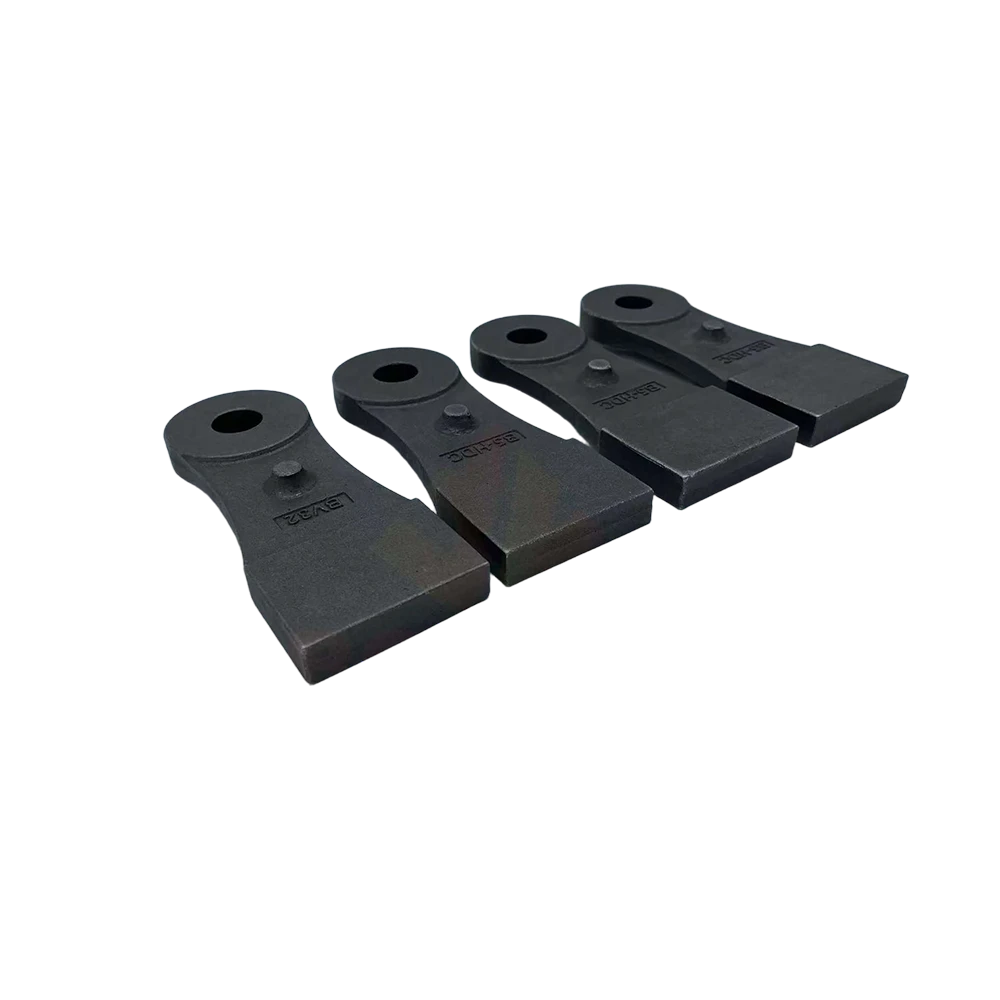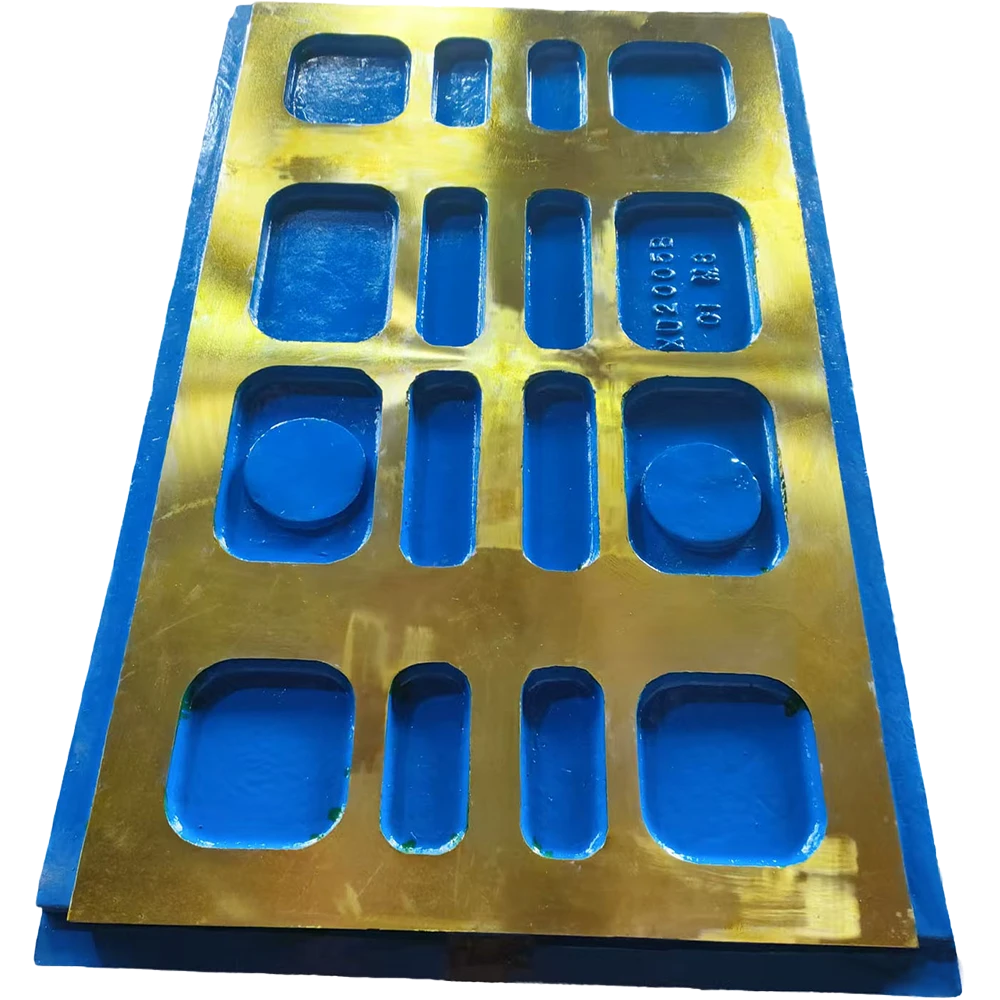
Guide to Selecting High Quality Cast Heat Resistant Steel Alloys
The Ultimate Guide to High Quality Cast Heat Resistant Steel
In the demanding world of high-temperature industrial applications, the integrity of your materials can be the difference between seamless operation and catastrophic failure. Utilizing high quality cast heat resistant steel is essential for components that must withstand extreme thermal stress without losing their structural strength. These specialized alloys are engineered to resist oxidation, creep, and thermal fatigue, making them indispensable in sectors like power generation, petrochemicals, and aerospace. In this comprehensive guide, we will explore the technical nuances, material advantages, and critical selection criteria for heat-resistant castings to help you optimize your industrial performance.
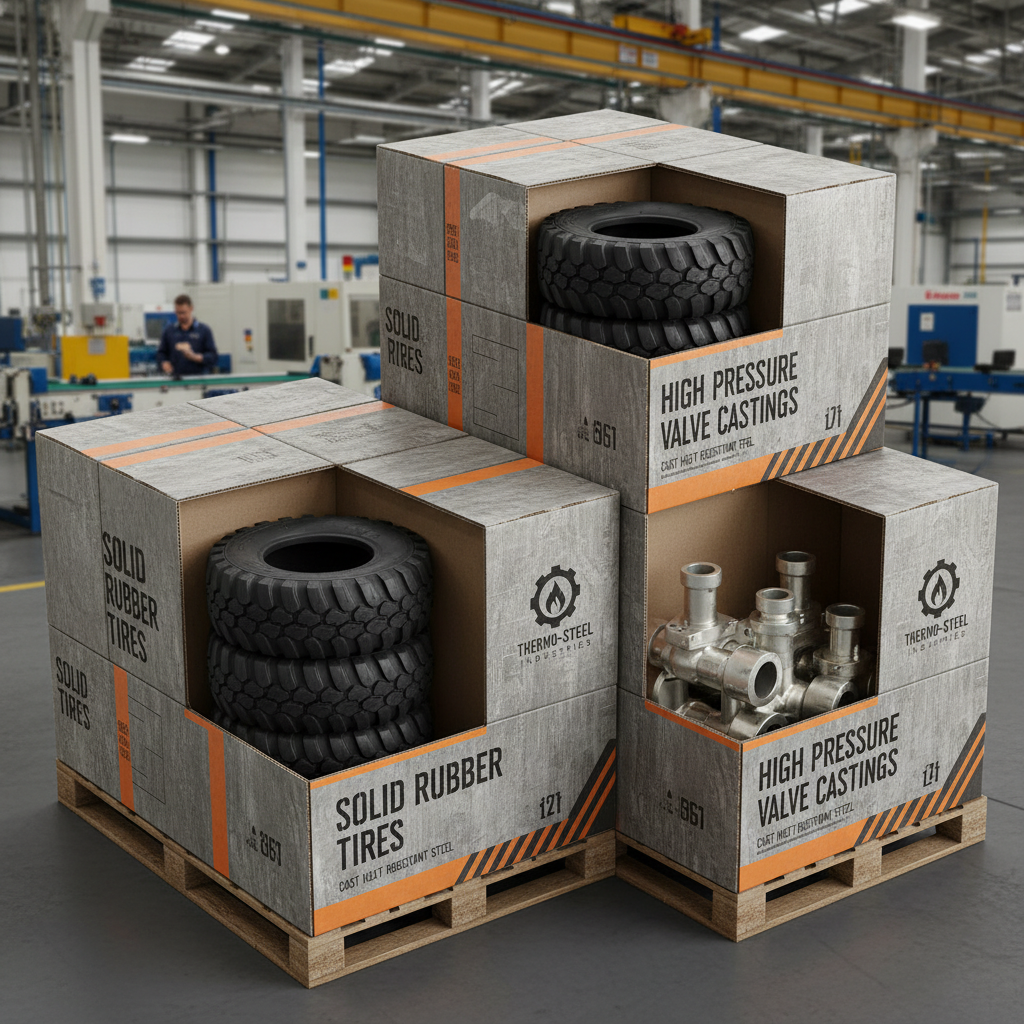
What Defines High Quality Cast Heat Resistant Steel?
Not all heat-resistant steels are created equal. High quality cast heat resistant steel is characterized by a precise chemical composition, typically involving the addition of chromium, nickel, and molybdenum. These elements create a protective oxide layer on the surface, preventing the metal from scaling or corroding at temperatures often exceeding 600°C. The casting process itself must be meticulously controlled to ensure a uniform grain structure, which eliminates internal voids and stresses that could lead to premature cracking under thermal cycling. By prioritizing purity and precision, manufacturers can provide components that offer exceptional longevity in the harshest environments.
Technical Insight: The "creep resistance" of these steels is a critical metric, referring to the material's ability to resist slow, permanent deformation under long-term exposure to high levels of stress and heat.
Key Performance Benefits of Heat Resistant Castings
Investing in premium alloys provides a multifaceted advantage for industrial operators. First and foremost is the extension of component lifespan; by resisting oxidation and thermal fatigue, high quality cast heat resistant steel significantly reduces the frequency of replacements. Furthermore, these materials ensure operational safety by maintaining their yield strength at elevated temperatures, preventing deformation in critical valves, turbines, and boiler parts. This reliability translates directly into lower maintenance costs and reduced unplanned downtime, optimizing the overall Return on Investment (ROI) for the facility.
Comparing High Quality Cast Heat Resistant Steel Grades
Selecting the right grade of steel depends entirely on the specific operating temperature and the chemical environment of your application. For instance, while some grades are optimized for pure thermal resistance, others are designed to fight both heat and corrosive gases. Understanding the trade-offs between different alloy compositions is key to achieving peak efficiency. The following table provides a technical comparison of common heat-resistant casting types to guide your selection process.
Critical Applications for High Quality Cast Heat Resistant Steel
The versatility of high quality cast heat resistant steel allows it to be deployed across various mission-critical sectors. In power plants, it is used for superheater tubes and steam turbine components where pressure and heat are immense. In the petrochemical industry, it forms the backbone of cracking furnaces and distillation columns. Even in waste-to-energy plants, these castings protect systems from the corrosive effects of flue gases. The ability to cast complex geometries means that engineers can design more efficient thermal systems without worrying about the limitations of machining from solid blocks.
Manufacturing Specifications for Heat-Resistant Castings
Achieving a high-standard casting requires strict adherence to international quality norms (such as ASTM or DIN). The process begins with vacuum induction melting to remove impurities, followed by precision mold design to control cooling rates. Post-casting heat treatment—including normalizing and tempering—is essential to relieve internal stresses and optimize the microstructure. Below are the standard specifications often required for industrial-grade heat resistant castings:
Conclusion: Ensuring Long-Term Reliability
Choosing high quality cast heat resistant steel is a strategic decision that safeguards your industrial assets. By balancing chemical precision, advanced casting techniques, and rigorous testing, you can ensure that your components withstand the most brutal thermal environments. Whether you are upgrading an existing plant or designing a new system, prioritizing high-grade heat-resistant alloys will minimize risk and maximize operational efficiency. Trust in quality materials to drive your industrial success.
Frequently Asked Questions (FAQs)
What is the difference between heat-resistant steel and stainless steel?
While both are alloys, stainless steel is primarily designed for corrosion resistance at room or moderate temperatures. Heat-resistant steel, specifically high quality cast heat resistant steel, is engineered to maintain mechanical properties (like tensile strength and creep resistance) at very high temperatures. While some heat-resistant steels are also stainless, the primary goal of a heat-resistant grade is to prevent the metal from softening or oxidizing when exposed to constant extreme heat over long periods.
How do I prevent thermal fatigue in cast steel components?
Thermal fatigue is caused by repeated heating and cooling cycles. To prevent this, it is crucial to select a material with a low coefficient of thermal expansion and high thermal conductivity. Additionally, ensuring the casting has a uniform wall thickness helps avoid "hot spots" and uneven contraction. Proper post-casting heat treatment to relieve internal stresses also significantly reduces the likelihood of cracking during operational thermal cycling.
Can high quality cast heat resistant steel be welded?
Yes, most heat-resistant cast steels can be welded, but it requires specialized procedures. Because these alloys are prone to cracking during the cooling phase of welding, pre-heating and post-weld heat treatment (PWHT) are usually mandatory. Using matching filler metals that possess similar thermal expansion properties is also essential to ensure the weld joint doesn't become a point of failure under high-temperature stress. Always consult a certified welding engineer for specific alloy grades.
How does casting compare to forging for heat-resistant parts?
Casting is often preferred for high quality cast heat resistant steel components because it allows for the creation of complex internal geometries (like cooling channels) that would be impossible or prohibitively expensive to forge. While forging can provide superior grain flow and strength for simple shapes, modern precision casting techniques achieve the mechanical properties required for most high-temperature industrial applications while significantly reducing material waste.
-
High Performance oem cast heat resistant steel for Industrial UseNewsApr.16,2026
-
Custom Cast Heat Resistant Steel Solutions for High Temperature ApplicationsNewsApr.07,2026
-
Comprehensive Guide to Wholesale Cast Heat Resistant Steel for Industrial ApplicationsNewsApr.04,2026
-
Comprehensive Guide to High Performance Heat Resistant Metal Product SolutionsNewsMar.31,2026
-
Expert Guidance on Heat Resistant Metal Quotes and Alloy SelectionNewsMar.28,2026