Expert Guidance on Heat Resistant Metal Quotes and Alloy Selection
Understanding Heat Resistant Metal Quotes and Material Selection
Securing reliable heat resistant metal quotes is crucial for projects demanding high-temperature performance. The selection of appropriate metals plays a pivotal role in ensuring longevity, safety, and operational efficiency. This article will delve into the factors influencing these quotes, the common metals used, and how to optimize your material sourcing strategy. Understanding the nuances of these materials, their properties, and market trends can significantly impact your project’s success. We'll explore various alloys and their applications in high-heat environments.
Factors Influencing Heat Resistant Metal Quotes
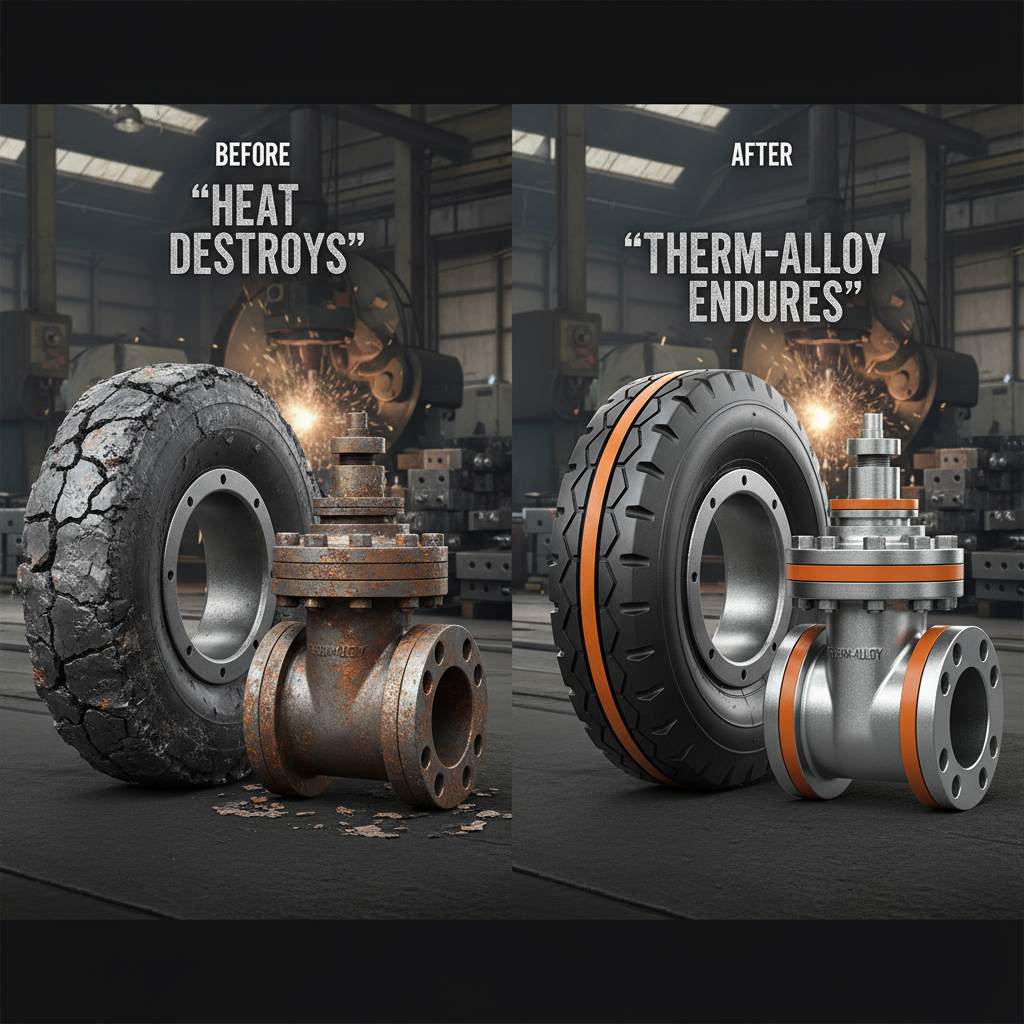
Several factors determine the price of heat-resistant metals. Raw material costs, including the mining and refining of the base metals, are a primary driver. Alloying elements, such as chromium, nickel, and molybdenum, also contribute significantly to the overall cost. Manufacturing processes, including casting, forging, and machining, add to the expense. Finally, supply and demand, geopolitical factors, and the specific quantity ordered all play a role in shaping the heat resistant metal quotes you receive. It's essential to consider these variables when budgeting for your project.
Key Influencers: Raw material costs, alloying elements, manufacturing processes, supply/demand dynamics, and order quantity.
Common Heat Resistant Metals and Their Applications
A variety of metals exhibit excellent resistance to high temperatures. Stainless steels, particularly austenitic grades like 304 and 316, are widely used due to their balance of cost and performance. Nickel alloys, such as Inconel and Hastelloy, offer superior corrosion resistance and can withstand even higher temperatures. Cobalt alloys provide exceptional strength at elevated temperatures, making them ideal for aerospace applications. Finally, refractory metals like tungsten and molybdenum possess the highest melting points but are often more expensive and require careful handling. Choosing the right metal depends on the specific temperature range, environment, and mechanical requirements of your application.
Heat Resistant Metal Properties:
• High Melting Point
• Excellent Creep Resistance
• Good Oxidation and Corrosion Resistance
• High Strength and Ductility at Elevated Temperatures
Comparing Heat Resistant Alloys: Performance & Cost
Selecting the optimal alloy involves a trade-off between performance and cost. Lower-cost stainless steels are suitable for moderate temperature applications, while more expensive nickel and cobalt alloys are necessary for extreme conditions. The following table provides a comparison of common heat-resistant alloys, outlining their key properties and approximate cost ranges. Remember that these are indicative values, and actual heat resistant metal quotes will vary based on supplier, quantity, and current market conditions.
Optimizing Your Sourcing Strategy for Heat Resistant Metals
To secure competitive heat resistant metal quotes, consider these strategies: Obtain quotes from multiple suppliers, comparing not only price but also lead times, quality certifications, and technical support. Explore long-term supply agreements to lock in favorable pricing. Optimize your order quantities to benefit from economies of scale. Work with suppliers who offer value-added services, such as pre-machining or heat treatment. Finally, stay informed about market trends and potential price fluctuations to make informed purchasing decisions.
Conclusion: Selecting the Right Metals for Long-Term Success
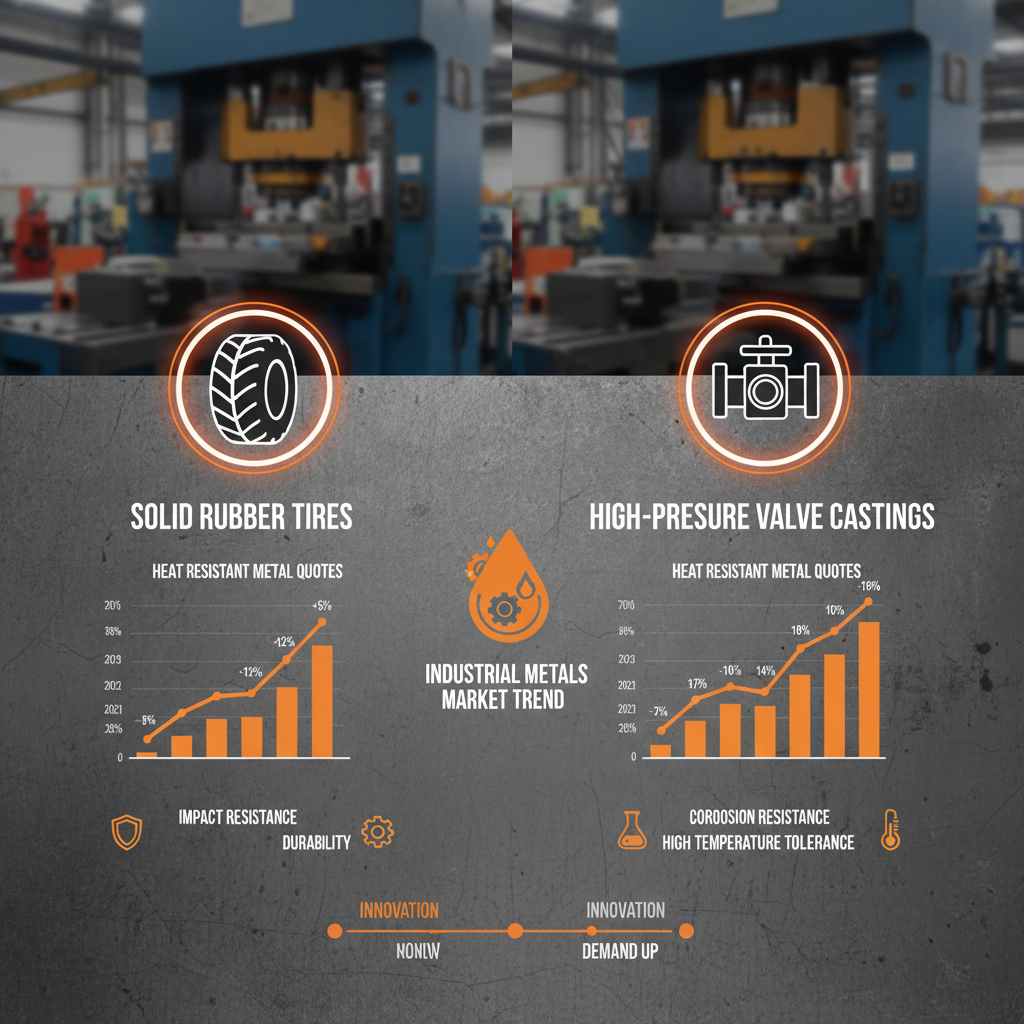
Successfully navigating the world of heat resistant metal quotes requires a thorough understanding of material properties, market dynamics, and sourcing strategies. By carefully considering your application requirements, comparing alloy options, and optimizing your procurement process, you can ensure you receive the best value and achieve long-term success in your projects. DZM Casting provides comprehensive casting solutions and expert advice to help you select the right materials for your needs.
Frequently Asked Questions (FAQs)
What factors contribute to the price volatility of heat resistant metals?
The prices of heat resistant metals are subject to fluctuations due to several interconnected factors. Global economic conditions, supply chain disruptions, geopolitical events, and changes in demand from key industries (like aerospace, power generation, and automotive) all play a role. Furthermore, the cost of energy used in mining and processing, as well as environmental regulations, can impact prices. Keeping abreast of these trends is essential for effective budgeting and procurement. Utilizing long-term contracts with suppliers can mitigate some of this risk by locking in pricing for a specified period.
What is creep resistance, and why is it important for high-temperature applications?
Creep resistance refers to a metal’s ability to withstand deformation under sustained stress at high temperatures. Over time, even relatively low stresses can cause a material to slowly deform or creep. In high-temperature applications, like gas turbines or furnaces, creep can lead to component failure and reduced efficiency. Therefore, selecting materials with excellent creep resistance is crucial for ensuring long-term reliability and safety. Alloys containing elements like chromium, molybdenum, and tungsten enhance creep resistance.
How can I ensure the quality of heat resistant metals I purchase?
Ensuring quality starts with selecting a reputable supplier with robust quality control processes. Look for suppliers who are certified to industry standards like ISO 9001. Request material test reports (MTRs) that verify the chemical composition and mechanical properties of the metal. Consider conducting your own independent testing to confirm compliance with specifications. Also, verify the traceability of the material back to the original manufacturer. DZM Casting prioritizes quality and provides comprehensive documentation for all our materials.
What is the role of surface treatments in enhancing the performance of heat resistant metals?
Surface treatments can significantly enhance the performance of heat resistant metals by improving their oxidation resistance, corrosion resistance, and wear resistance. Common treatments include coatings like aluminizing, chromizing, and ceramic coatings. These coatings create a protective barrier that prevents the metal from reacting with the surrounding environment at high temperatures. Other treatments, such as shot peening, can introduce compressive stresses that improve fatigue resistance. The selection of the appropriate surface treatment depends on the specific application and operating conditions.
-
High Performance oem cast heat resistant steel for Industrial UseNewsApr.16,2026
-
Guide to Selecting High Quality Cast Heat Resistant Steel AlloysNewsApr.09,2026
-
Custom Cast Heat Resistant Steel Solutions for High Temperature ApplicationsNewsApr.07,2026
-
Comprehensive Guide to Wholesale Cast Heat Resistant Steel for Industrial ApplicationsNewsApr.04,2026
-
Comprehensive Guide to High Performance Heat Resistant Metal Product SolutionsNewsMar.31,2026