Durable Parts Crusher Solutions for Industrial Efficiency | DZMC Casting
Understanding the Parts Crusher: A Workhorse in Industrial Equipment
Having spent quite a few years elbow-deep in industrial equipment, I can honestly say the parts crusher is one of those machines that quietly does a lot of heavy lifting behind the scenes. You won’t see it stealing the spotlight like a flashy new CNC machine, but it’s integral to many manufacturing and recycling operations.
Frankly, the evolution of parts crushers over the years illustrates how even the simplest concepts—crushing, breaking down—have become highly optimized. It feels like the focus has shifted toward striking a balance between power, durability, and energy efficiency. I’ve noticed that when operators talk about reliability, the longevity of critical components often wins out over pure horsepower.
Oddly enough, a crusher’s performance is not just about brute force. Material feeding methods and chamber design play big roles in how effectively the crusher does its job, especially when dealing with assorted scrap parts or hard metals. In real terms, if you’ve ever tried to crush parts that are uneven or oddly shaped, you’ll appreciate why customization options are becoming increasingly common.
Parts Crusher Key Specifications
| Specification | Typical Value |
|---|---|
| Motor Power | 7.5 kW – 55 kW |
| Feed Opening Size | 300 mm x 400 mm |
| Crushing Chamber Dimensions | 700 mm x 500 mm |
| Output Size Range | 5 mm – 30 mm (adjustable) |
| Frame Material | High-strength cast steel |
| Weight | 2,500 kg – 8,000 kg |
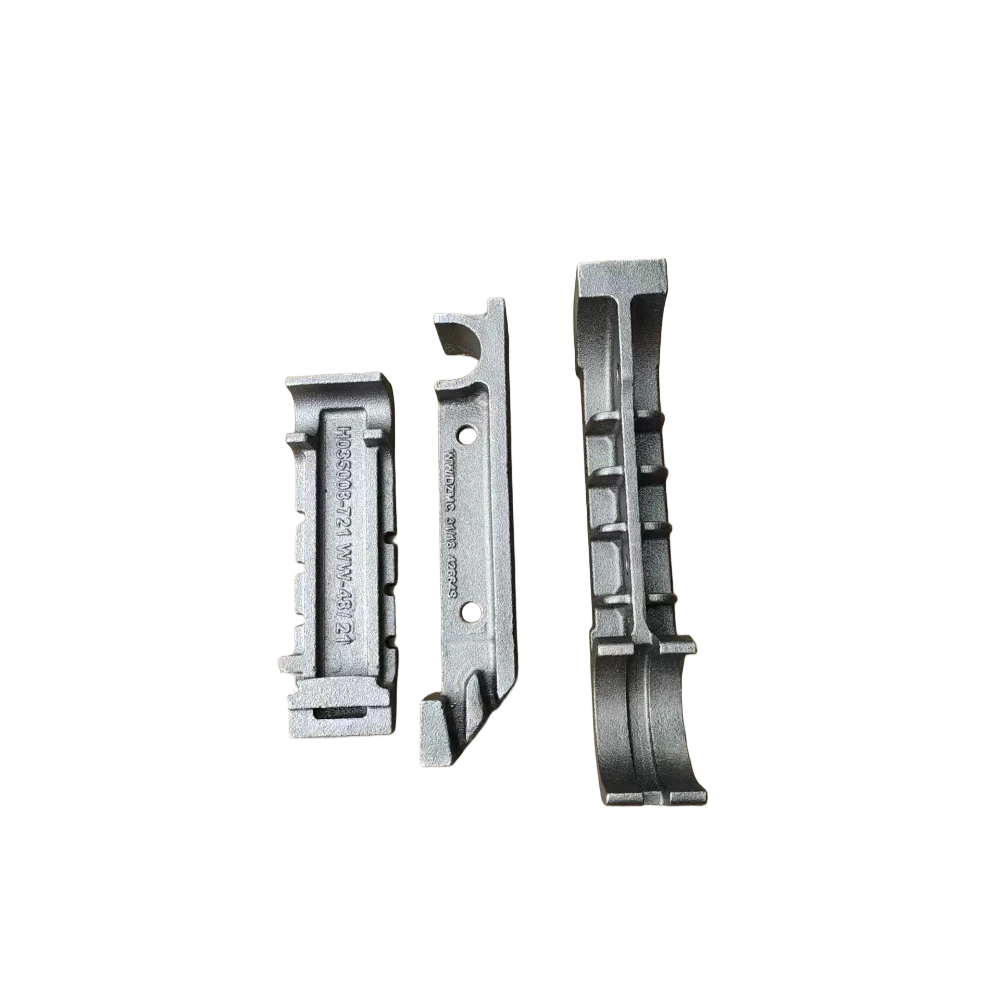
One thing I’ve always appreciated about crushers is their adaptability. For example, certain brands offer modular components which allow you to swap parts out rapidly if you have specialized crushing needs. This is particularly handy in metal recycling plants where the scrap mix keeps changing.
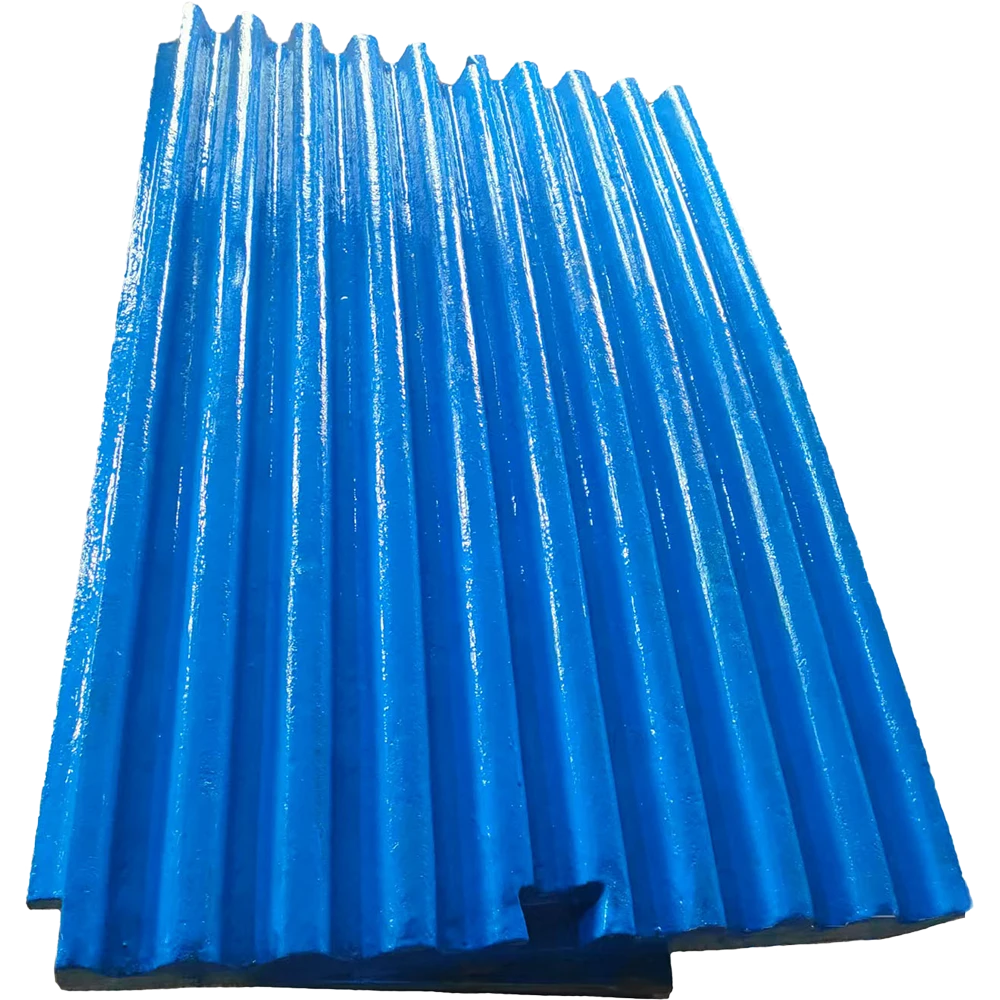
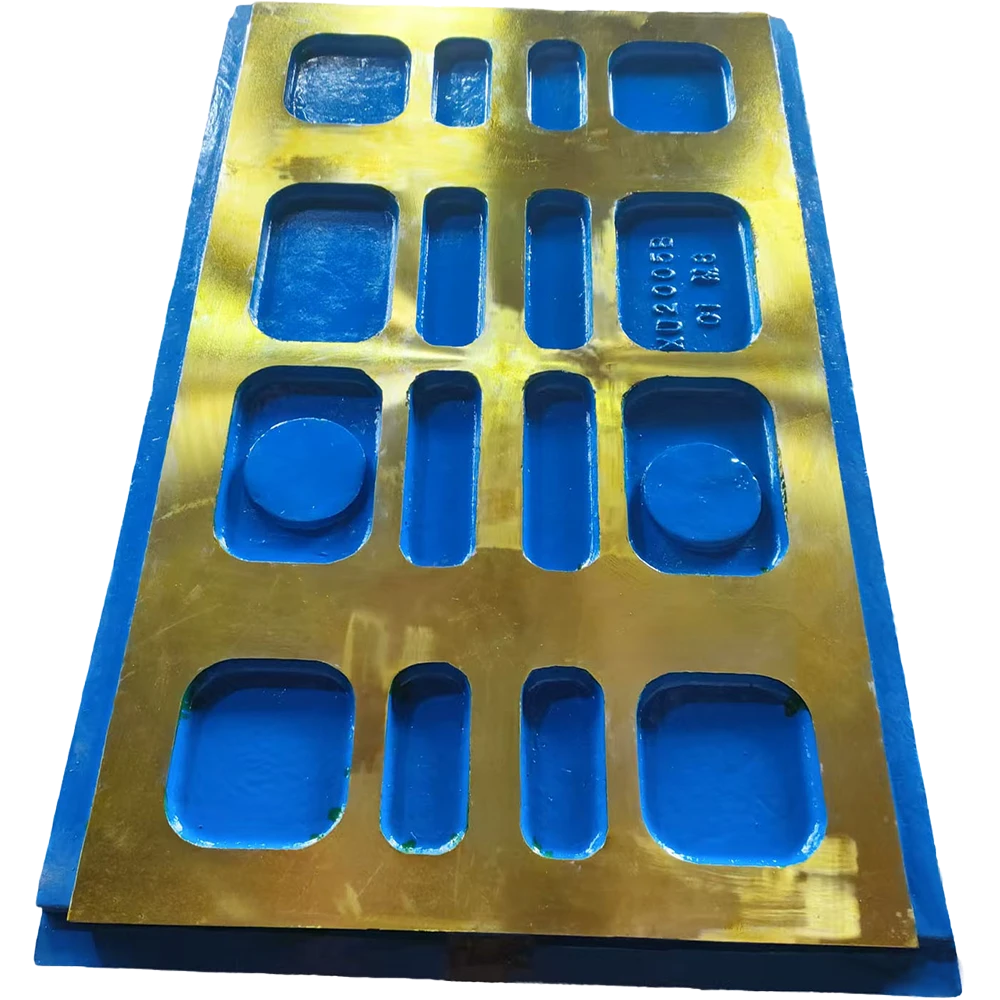
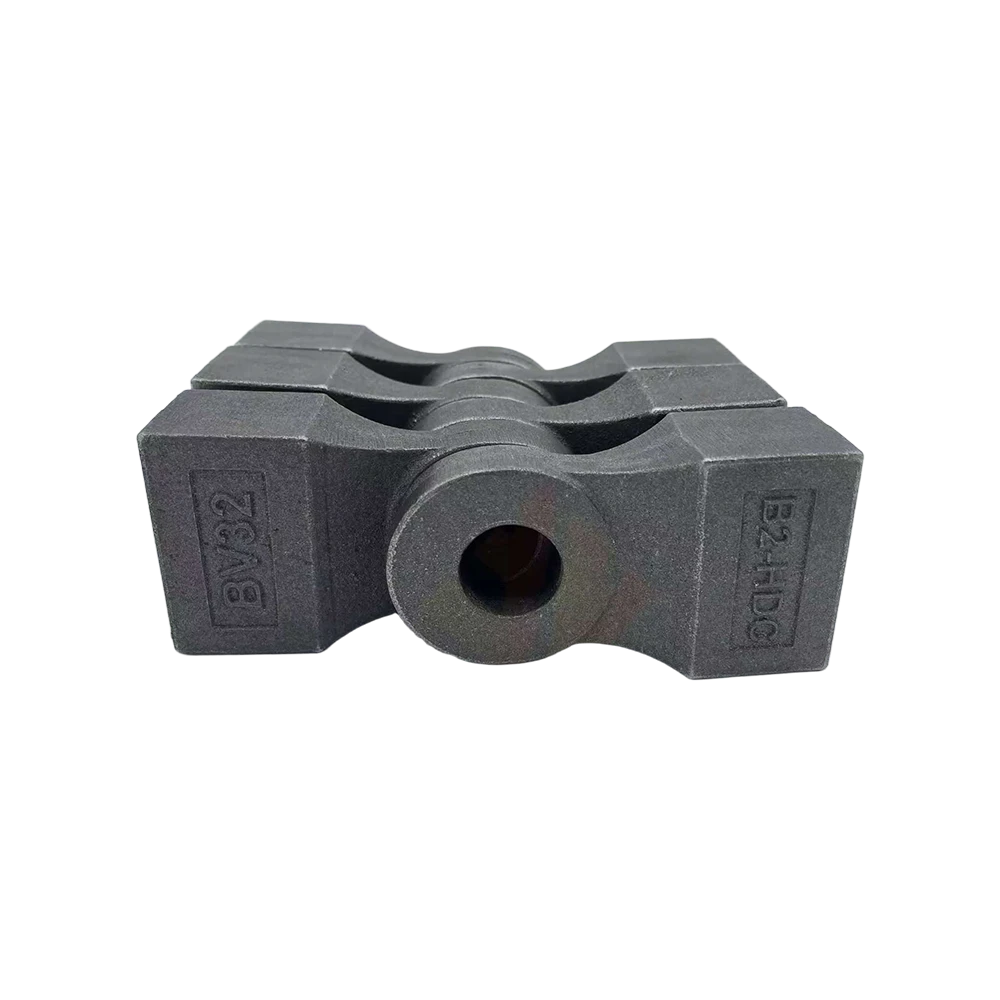
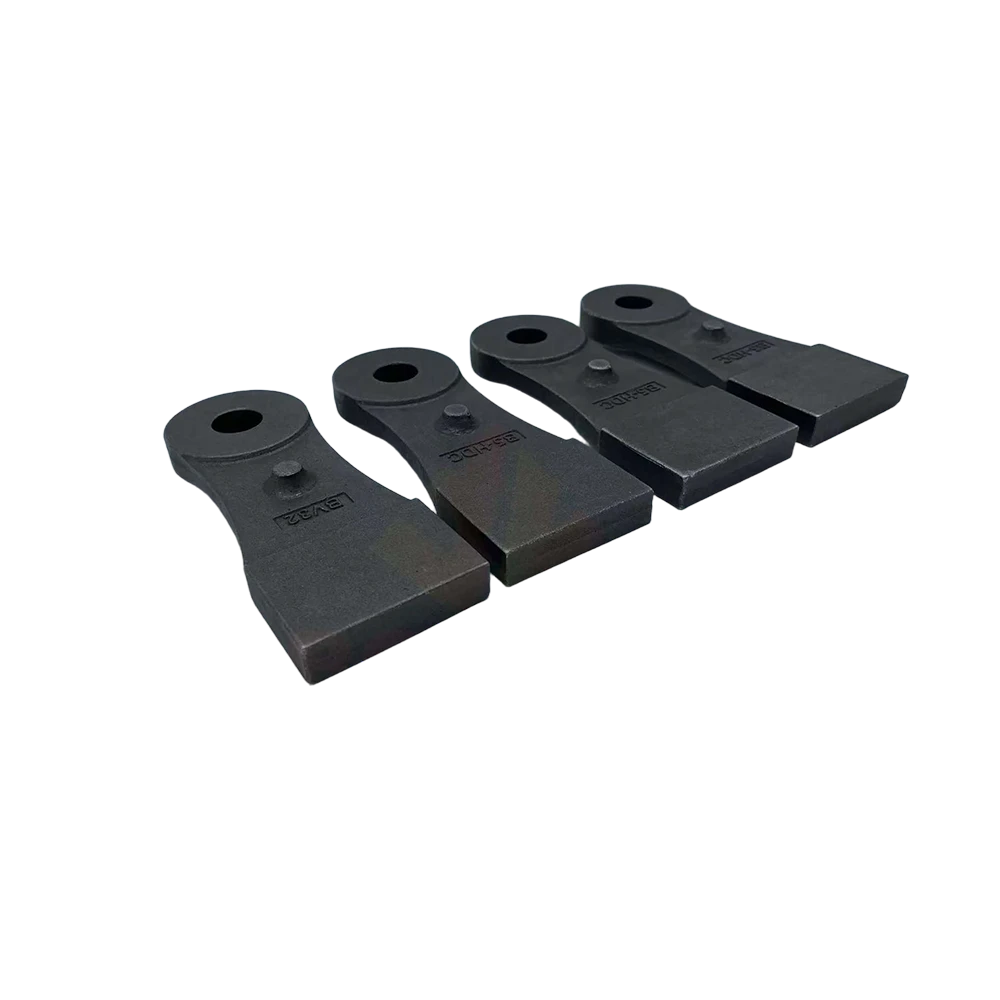
Many engineers say the wear parts—like breaker bars and liners—are the true test of a manufacturer’s expertise. I once visited a plant where the operator proudly showed me their machine, saying, “We get nearly double the uptime compared to our old crusher” —turns out they switched to a vendor that used castings treated with advanced alloy formulas.
Vendor Comparison: Leading Parts Crusher Manufacturers
| Feature | Vendor A | Vendor B | DZMC Casting |
|---|---|---|---|
| Material Quality | Standard steel | Heat-treated alloy | Advanced cast steel with alloy additives |
| Customization Options | Limited | Moderate | Extensive (custom molds & coatings) |
| Energy Efficiency | Basic | Improved motor tech | Optimized design for power consumption |
| Lead Time | 4-6 weeks | 3-5 weeks | Typically 3-4 weeks |
| After-Sales Support | Standard warranty | Extended support packages | Dedicated service and consultation |
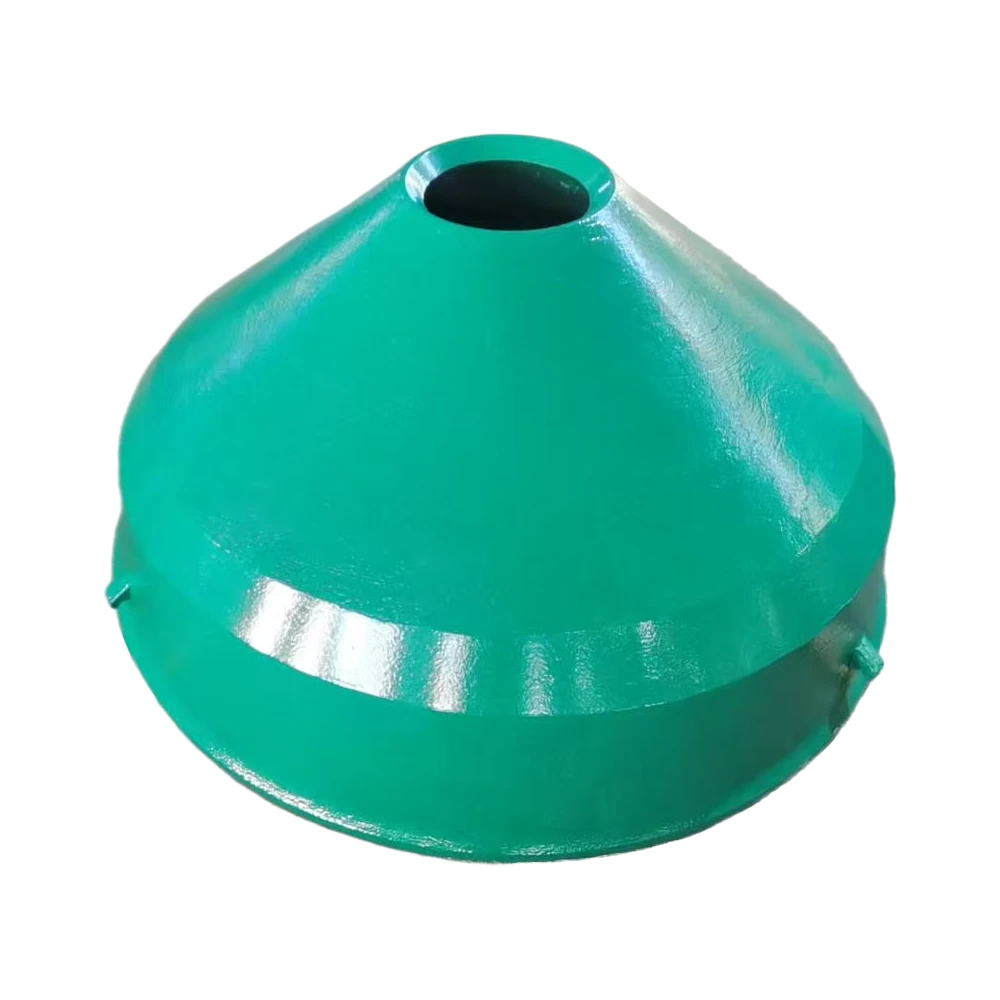
Now, if you ask me, the real advantage of choosing a vendor like DZMC Casting lies in their deep expertise in casting technology. Their parts crushers benefit from materials designed to withstand the brutal wear and tear that crushers endure daily. In fact, having physically inspected their castings, I can confirm the finish and density speak volumes about durability — not just marketing jargon.
Customization also isn’t just a buzzword. If your crusher has to manage a variety of industrial parts or scrap—heavy automotive components, industrial aluminum scraps, or even stainless steel bits—you’ll appreciate the way tailored solutions reduce downtime and maintenance costs.
Before I wrap up, here’s a quick customer story: a mid-size recycling company I worked with switched to a parts crusher from DZMC. They reported a 30% increase in throughput, thanks to reduced jamming and a cleaner, more consistent output size. Little changes in design often have big practical impacts, and this was a perfect example.
In conclusion, although the parts crusher may not grab headlines, it deserves respect for its role in industrial efficiency and sustainability. Whether you’re refurbishing an old plant or engineering a new workflow, the choice of crusher and vendor can make a tangible difference.
And of course, it never hurts to dig around a bit—ask for specs, visit production floors, and check testimonials. Equipment like this is an investment, not just a purchase.
Cheers to robust machines and smoother operations.
- John Smith, Industrial Crushers: Design & Application, 2019.
- Engineering Today Journal, Issue 43, “Advances in Metal Crushing Tech”, 2022.
- Interview with DZMC Casting Production Manager, April 2024.
-
High Performance oem cast heat resistant steel for Industrial UseNewsApr.16,2026
-
Guide to Selecting High Quality Cast Heat Resistant Steel AlloysNewsApr.09,2026
-
Custom Cast Heat Resistant Steel Solutions for High Temperature ApplicationsNewsApr.07,2026
-
Comprehensive Guide to Wholesale Cast Heat Resistant Steel for Industrial ApplicationsNewsApr.04,2026
-
Comprehensive Guide to High Performance Heat Resistant Metal Product SolutionsNewsMar.31,2026
-
Expert Guidance on Heat Resistant Metal Quotes and Alloy SelectionNewsMar.28,2026