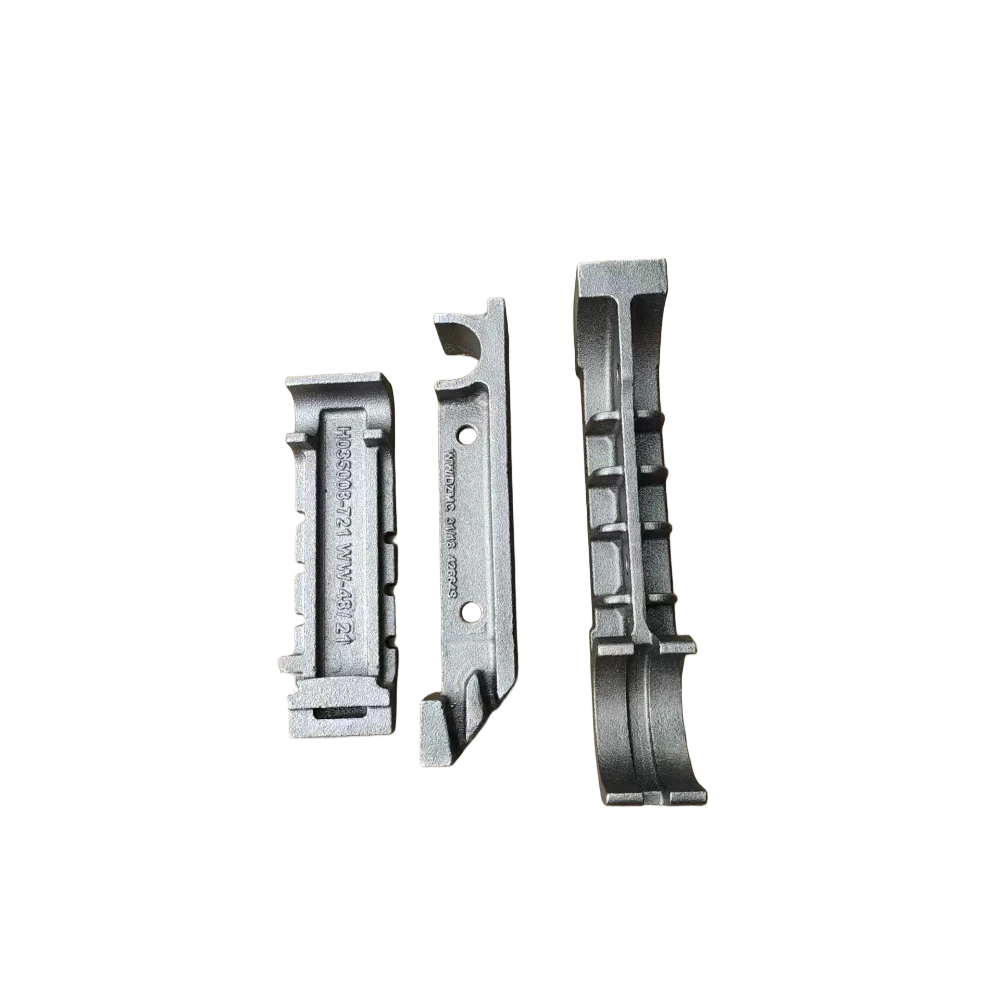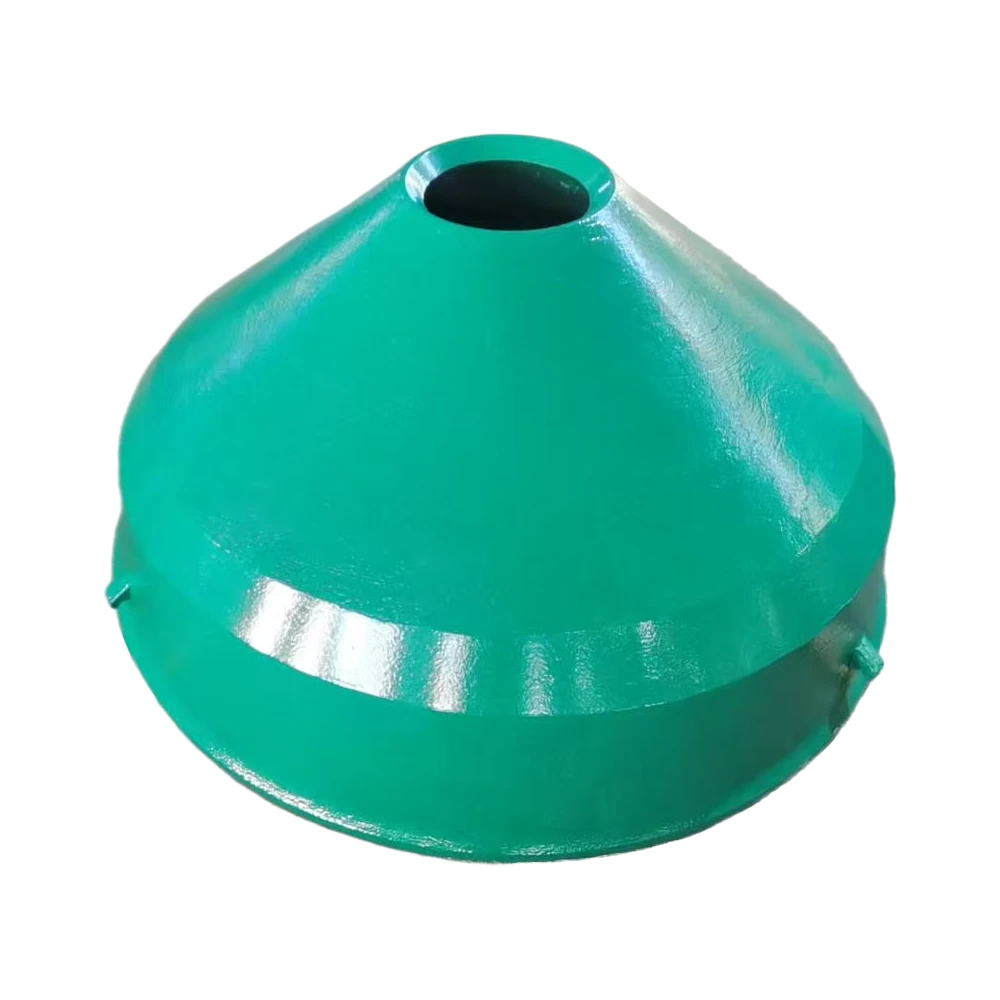
Comprehensive Guide to Crusher Machine Parts: Definitions, Benefits & Top Vendors
Understanding Crusher Machine Parts: The Backbone of Industrial Efficiency
Crusher machine parts might not be a topic that grabs headlines, but their importance globally is quietly immense. These components enable the crushing, grinding, and processing of raw materials – a crucial step in everything from mining and construction to recycling and infrastructure development. Knowing what crusher machine parts are, why they matter, and how they’re evolving is key for anyone involved in industrial operations or supply chains. After all, efficient parts mean less downtime, better production quality, and ultimately, more sustainable business practices.
Global Industry Context: Why Crusher Machine Parts Matter
Globally, industries like mining, construction, and waste management lean heavily on crusher machines—equipment designed to break down large chunks of material into manageable sizes. According to reports by the World Bank, infrastructure development alone accounts for billions in raw processing every year, much of it dependent on reliable crushing equipment.
However, challenges such as material wear, part failure, and supply chain disruptions persist, mandating a sharp focus on the quality and design of crusher machine parts. Oddly enough, despite the technical complexity, these parts are often overlooked in the global conversation — yet the industries relying on them lose productive hours and resources when these components fail.
What Are Crusher Machine Parts?
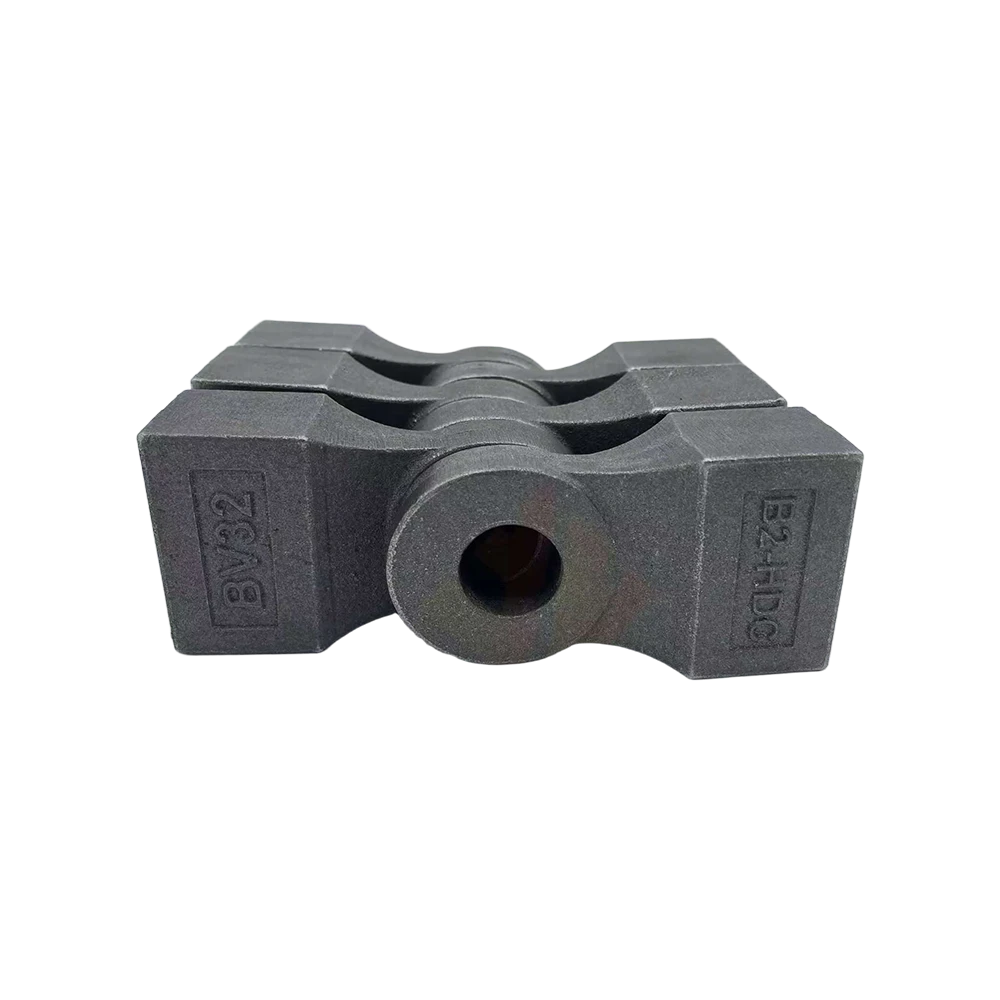
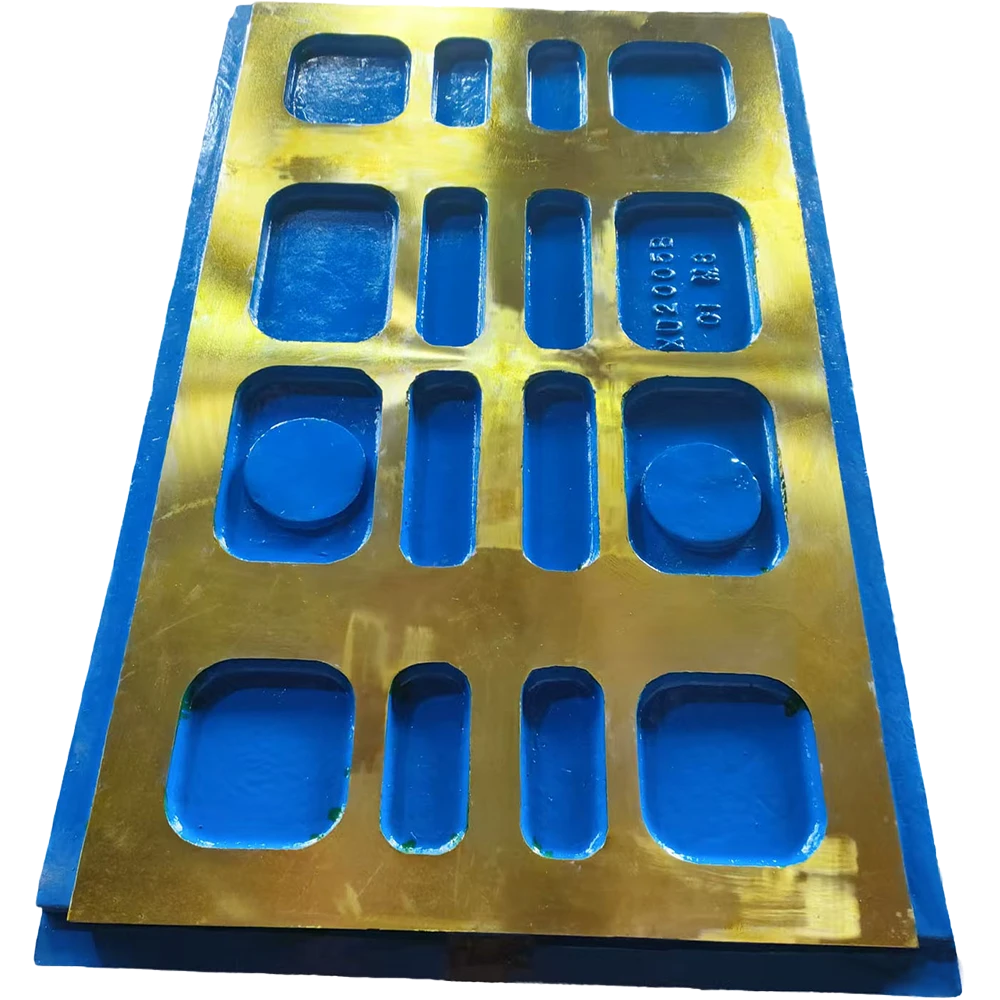
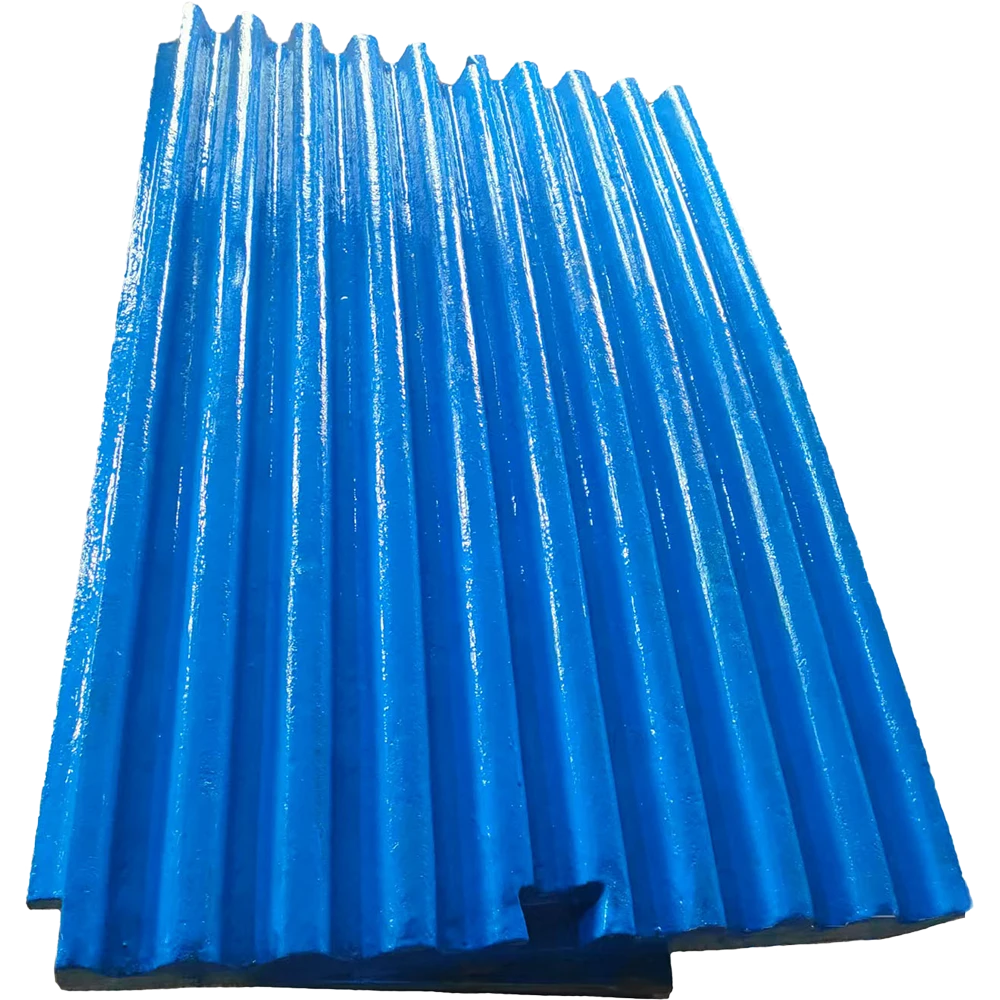
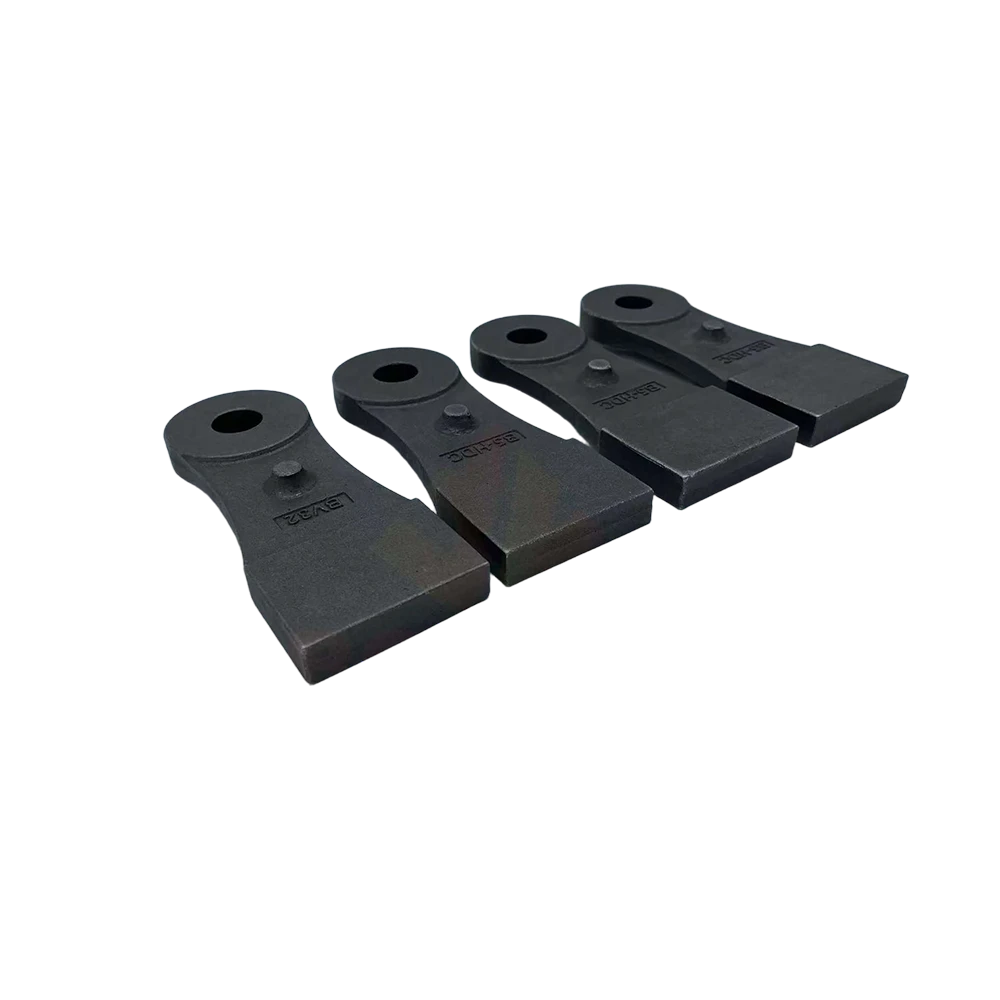
Simply put, crusher machine parts refer to the individual components that come together to make up a crusher machine. This includes everything from the jaw plates and the flywheels to the bearings and shafts. Each part plays a specialized role in breaking down rock, ore, or recycled material. The way these parts interlock and function dictates the overall machine’s efficiency, lifespan, and the quality of output.
In humanitarian contexts too—such as post-disaster debris removal or building infrastructure in emerging economies—well-made crusher parts provide practical solutions to large-scale processing needs, often under tough conditions.
Core Components of Crusher Machine Parts
- Durability: Crusher parts endure immense stress and impact. Components like jaw plates and liners must be crafted from wear-resistant materials, often manganese steel or alloy composites, to withstand heavy-duty usage.
- Compatibility: Parts need to match specific crusher models and sizes to avoid operational setbacks. This is why manufacturers often customize parts based on the machine’s design and intended use.
- Maintenance Friendliness: Easily replaceable or serviceable parts reduce downtime. Features such as bolt-on designs and modular assemblies enhance operational uptime.
- Cost Efficiency: Balancing initial cost and longevity is vital. While premium materials and designs might demand a higher upfront investment, they often yield lower replacement frequency and related expenses.
- Performance Precision: Precision-engineered parts ensure consistent product output by controlling particle size and shape during crushing processes.
- Environmental Resilience: Some environments subject these parts to corrosive or abrasive conditions, demanding coatings or treatments that prolong life.
Mini takeaway: When selecting crusher machine parts, consider durability, fit, maintenance ease, and cost. These fundamentals directly impact operational success.
Global Applications and Use Cases
Crusher machine parts play vital roles across industries and regions:
- Mining in Australia and Canada: These areas demand high-performance parts to process ores efficiently and safely.
- Construction in Southeast Asia: Rapid urban development relies on durable crushers to supply aggregate materials.
- Recycling operations in Europe: Crusher parts help break down concrete and glass waste, supporting circular economy goals.
- Post-disaster relief in the Caribbean: After hurricanes strike, crushers aid debris clearance, with quality parts ensuring swift return to normalcy.
- Remote industrial zones in Africa: Crusher machines equipped with easily maintainable parts minimize downtime where expert service is limited.
The variety of use scenarios means that vendors often tailor their parts to specific needs, be it heavy mining or quick-deployment relief efforts.
Product Specification Table for a Typical Crusher Machine Part Set
| Part | Material | Hardness (HRC) | Typical Lifespan (hrs) | Weight (kg) |
|---|---|---|---|---|
| Jaw Plate | Manganese Steel | 50-60 | 1500-3000 | 45 |
| Flywheel | Cast Iron | N/A | 5000+ | 100 |
| Bearing | Chrome Steel | 60-65 | 2000-4000 | 7 |
| Toggle Plate | Alloy Steel | 55-60 | 1500-3000 | 15 |
Advantages and Long-Term Value
There’s a logical and emotional side to investing in quality crusher machine parts. On a practical level, durable and well-designed parts lower maintenance costs and downtime while boosting throughput—pretty vital for industries where time is literally money. Sustainability-wise, longer-lived parts reduce waste and resource consumption. This resonates not just with company balance sheets but with environmental goals promoted by standards such as ISO certifications.
Emotionally, operators trust machines they can rely on—this trust translates to safer working conditions and, frankly, more pride in craftsmanship. There’s an innovative spirit too: modern parts often incorporate smart sensors or coatings that enhance performance, which feels like a glimpse into the future of industrial tech.
Vendor Comparison Table
| Manufacturer | Material Quality | Customization Options | Lead Time | Warranty |
|---|---|---|---|---|
| DZM Casting | High-grade manganese steel | Extensive | 3-5 weeks | 12 months |
| OEM Global | Standard alloys | Limited | 6-8 weeks | 6 months |
| Industrial Metals Inc. | Medium-grade steel | Moderate | 4-7 weeks | 9 months |
Future Trends and Innovations
Looking forward, crusher machine parts are moving toward more eco-friendly materials and smart technology integration. Coatings that reduce friction and wear, components using recycled materials, and parts embedded with IoT sensors to predict failures before they happen—these developments echo a broader industrial digital transformation.
Policies supporting green energy and resource efficiency push manufacturers to innovate, producing crusher parts that are not only durable but also kinder to the planet. Automation also boosts productivity while minimizing human error in maintenance scheduling. It feels like the perfect blend of old industrial grit and new-age technology.
Challenges & Solutions
Despite advances, challenges linger. Material fatigue and sudden failures disrupt operations, and supply chains for specialty parts can be tight. Luckily, manufacturers and end-users are collaborating closely to design modular parts adaptable to multiple machine types, easing inventory burdens. Predictive maintenance based on sensor data is another game-changer—catching issues early saves costs and prevents downtime.
FAQ: Frequently Asked Questions About Crusher Machine Parts
- 1. What materials are crusher machine parts usually made of?
- Most crusher parts are crafted from manganese steel, alloy steel, or chrome steel because these materials handle tough stress and wear well. The exact choice depends on the application—like mining ore versus recycling concrete.
- 2. How often should crusher machine parts be replaced?
- It varies greatly with use and material hardness. On average, jaw plates last between 1500 to 3000 operational hours. Regular inspections and predictive maintenance help optimize replacement schedules.
- 3. Can crusher machine parts be customized?
- Definitely. Many manufacturers offer custom sizing, materials, and coating options to match specific machine types and operational needs. Customization often improves performance and lifespan.
- 4. Are there environmental concerns with crusher machine parts?
- Yes, worn parts generate metal waste, but many companies now recycle old parts or use eco-friendlier materials and coatings to mitigate environmental impact.
- 5. How to source quality crusher machine parts internationally?
- Work with reputable suppliers that provide certifications, warranties, and clear specifications. Platforms like crusher machine parts vendors help you find verified manufacturers with global shipping capabilities.
Conclusion and Call to Action
In real terms, the long-term benefits of reliable crusher machine parts cannot be overstated—they increase operational efficiency, improve safety, and support sustainable industry practices worldwide. Whether you’re redeveloping mining sites, operating recycling centers, or supplying construction aggregates, choosing the right parts matters. To explore trusted options and tailor solutions to your needs, visit our website: https://www.dzmccasting.com.
Thanks for sticking with me through the weeds — hopefully, this gave you a clearer picture of why these seemingly 'small' parts are so crucial.
Quick takeaway: Crusher machine parts are the unsung heroes of industry—invest smartly, and your whole operation runs smoother.
References
-
High Performance oem cast heat resistant steel for Industrial UseNewsApr.16,2026
-
Guide to Selecting High Quality Cast Heat Resistant Steel AlloysNewsApr.09,2026
-
Custom Cast Heat Resistant Steel Solutions for High Temperature ApplicationsNewsApr.07,2026
-
Comprehensive Guide to Wholesale Cast Heat Resistant Steel for Industrial ApplicationsNewsApr.04,2026
-
Comprehensive Guide to High Performance Heat Resistant Metal Product SolutionsNewsMar.31,2026
-
Expert Guidance on Heat Resistant Metal Quotes and Alloy SelectionNewsMar.28,2026