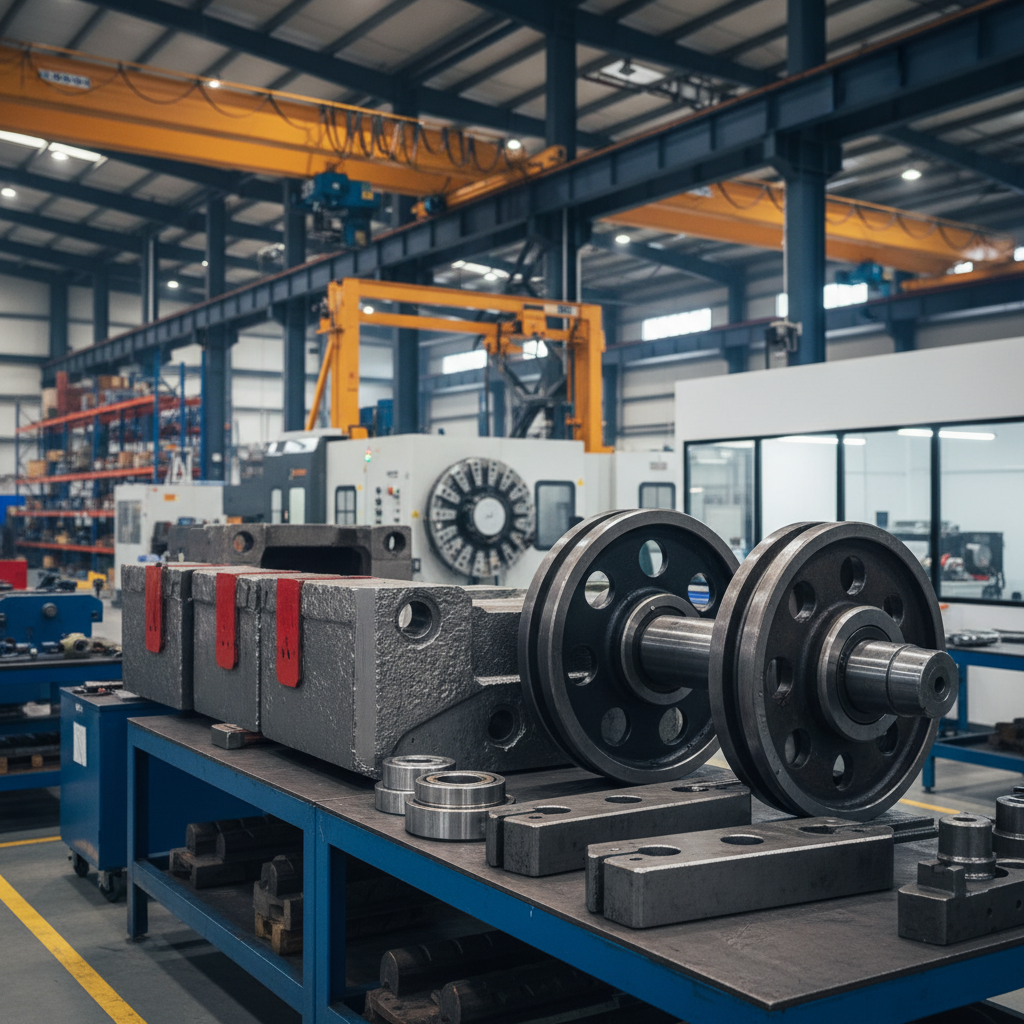
In the demanding world of heavy industry, the efficiency of primary crushing operations depends entirely on the integrity of jaw crusher components. These specialized parts are engineered to withstand extreme compressive forces and abrasive wear, serving as the frontline defense in processing hard rock, ores, and recycled concrete. Understanding the metallurgy and design of these elements is not just a technical necessity but a strategic advantage for reducing operational downtime.
Globally, the mining and construction sectors are facing increased pressure to optimize throughput while minimizing maintenance costs. The selection of high-performance jaw crusher components, such as jaw plates and cheek plates, directly impacts the energy consumption of the entire plant. When these components fail prematurely, it triggers a ripple effect of inefficiency, leading to costly unscheduled shutdowns and lost revenue.
By focusing on the synergy between material science—specifically heat-resistant and wear-resistant alloys—and precision casting, operators can significantly extend the lifecycle of their machinery. This guide explores the critical nature of jaw crusher components, providing a comprehensive overview of their technical specifications, global applications, and the future of crushing technology.
Global Relevance of Jaw Crusher Components
The global demand for infrastructure development and mineral extraction has placed jaw crusher components at the center of industrial supply chains. According to industrial benchmarks, the wear rate of crusher liners can vary by up to 40% depending on the metallurgy used, making the choice of components a critical factor in the operational expenditure (OPEX) of mining sites from Australia to Brazil.
In an era of strict ISO standards for machinery safety and efficiency, the precision of these components ensures that the crushing chamber maintains its optimal geometry. This precision prevents "packing" and reduces the stress on the eccentric shaft, thereby extending the overall life of the machine and ensuring a consistent output size for downstream processing.
Defining High-Performance Crusher Parts
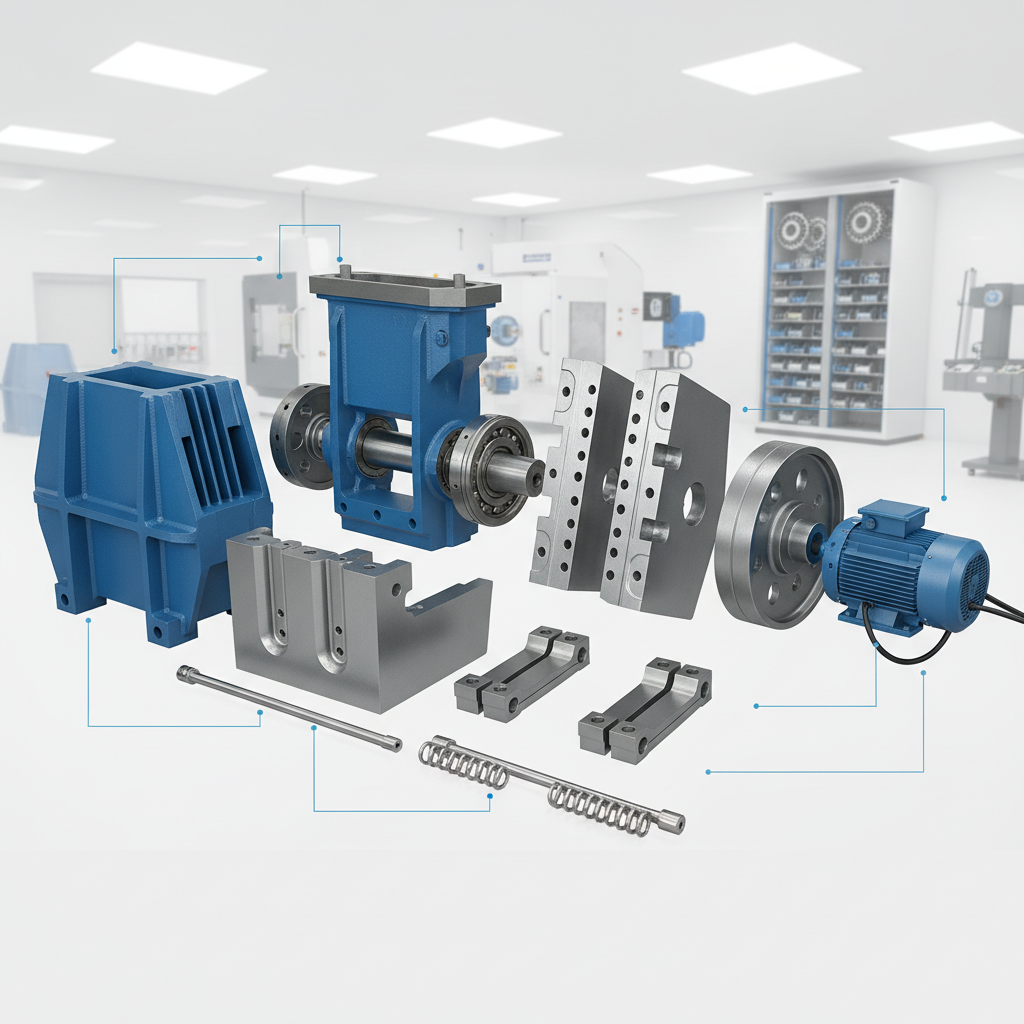
At its simplest level, jaw crusher components refer to the replaceable wear parts and structural elements that facilitate the compression and fracturing of raw materials. This includes the fixed jaw plate, the swing jaw plate, cheek plates, and the toggle plate. These components are designed to absorb massive impacts while maintaining a hard surface to shred rock into smaller, manageable pieces.
Modern industry views these parts not merely as "consumables" but as critical engineering interfaces. The connection to humanitarian and urban needs is evident in the recycling industry; high-quality components allow for the efficient crushing of construction debris, turning waste into sustainable aggregate for new roads and buildings, thereby reducing the need for environmentally damaging quarrying.
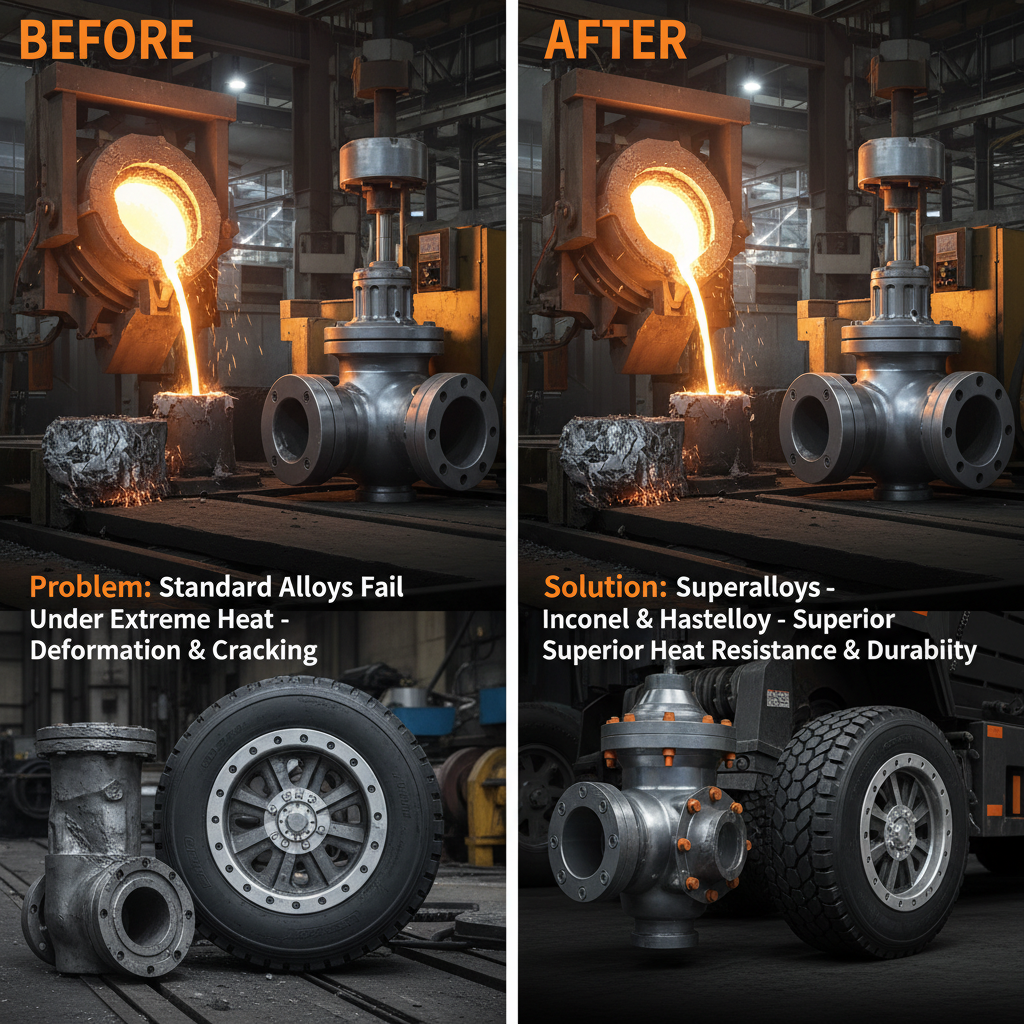
The integration of manganese steel and heat-resistant alloys transforms these parts from simple iron castings into sophisticated tools. By leveraging work-hardening properties, the components actually become harder as they are struck by the material, a unique characteristic that allows them to endure thousands of hours of heavy-duty operation.
Core Factors for Component Durability
The primary factor governing the life of jaw crusher components is the balance between hardness and toughness. If a component is too hard, it becomes brittle and may crack under impact; if it is too soft, it wears away too quickly. Achieving the "sweet spot" requires precise heat treatment and the correct alloy composition.
Another critical element is the design geometry. The profile of the jaw plates—whether they are corrugated, tooth-shaped, or flat—determines how the material is gripped and crushed. Optimizing this geometry reduces the energy required for crushing and ensures that jaw crusher components wear evenly across the entire surface, preventing premature failure at the bottom of the chamber.
Finally, the casting quality plays a decisive role. Internal porosities or slag inclusions in the metal can lead to catastrophic failure under high load. By employing advanced casting techniques and rigorous non-destructive testing (NDT), manufacturers ensure that every part provides maximum structural integrity and reliability in the harshest environments.
Practical Applications Across Global Industries
The application of jaw crusher components spans a wide array of sectors. In the mining regions of the Andes and the African Copperbelt, these parts are essential for the primary stage of ore processing, where massive boulders are reduced to a size suitable for cone crushers or SAG mills.
In urban environments, particularly in Europe and North America, these components are heavily utilized in mobile crushing plants. These units are deployed in demolition sites to process reinforced concrete on-site, significantly reducing transportation costs and carbon emissions by creating reusable materials immediately.
Comparative Performance of Jaw Crusher Component Materials
Long-Term Value and Economic Advantages
Investing in premium jaw crusher components yields significant long-term dividends. While the initial cost of high-alloy parts may be higher, the total cost of ownership (TCO) is drastically lower due to extended intervals between replacements. This reliability translates to higher plant availability and a more predictable production schedule.
Beyond the financial metrics, there is an emotional and safety-related value. Components that are engineered to last reduce the frequency of high-risk maintenance tasks. Fewer interventions in the crushing chamber mean fewer opportunities for workplace accidents, fostering a culture of safety and trust between the management and the operational staff.
Future Innovations in Crushing Metallurgy
The future of jaw crusher components lies in the intersection of digital transformation and material science. We are seeing the emergence of "smart liners"—components embedded with wear sensors that transmit real-time data to a central control room. This allows operators to predict exactly when a part will fail, moving from reactive to predictive maintenance.
Sustainability is also driving innovation. New casting processes are being developed to reduce the carbon footprint of steel production, and the exploration of composite metal matrices is promising even higher wear resistance with less raw material. These "green" components help companies meet strict ESG (Environmental, Social, and Governance) goals.
Furthermore, the adoption of 3D printing (additive manufacturing) for complex internal geometries is beginning to surface. This allows for the creation of components with internal cooling channels or optimized weight distributions that were previously impossible to cast, further pushing the boundaries of crushing efficiency.
Common Challenges and Engineering Solutions
One of the most persistent challenges in the industry is "uneven wear," where the bottom of the jaw plates wears out significantly faster than the top. To solve this, engineers are implementing graduated manganese content, where the alloy composition varies from the top to the bottom of the part, ensuring a uniform wear rate and maximizing the life of the jaw crusher components.
Another common issue is the risk of fracture when processing exceptionally hard, abrasive materials. The solution lies in the precise control of the cooling process during casting. By managing the thermal gradient, manufacturers can eliminate internal stresses and create a more homogenous grain structure, which prevents the propagation of cracks.
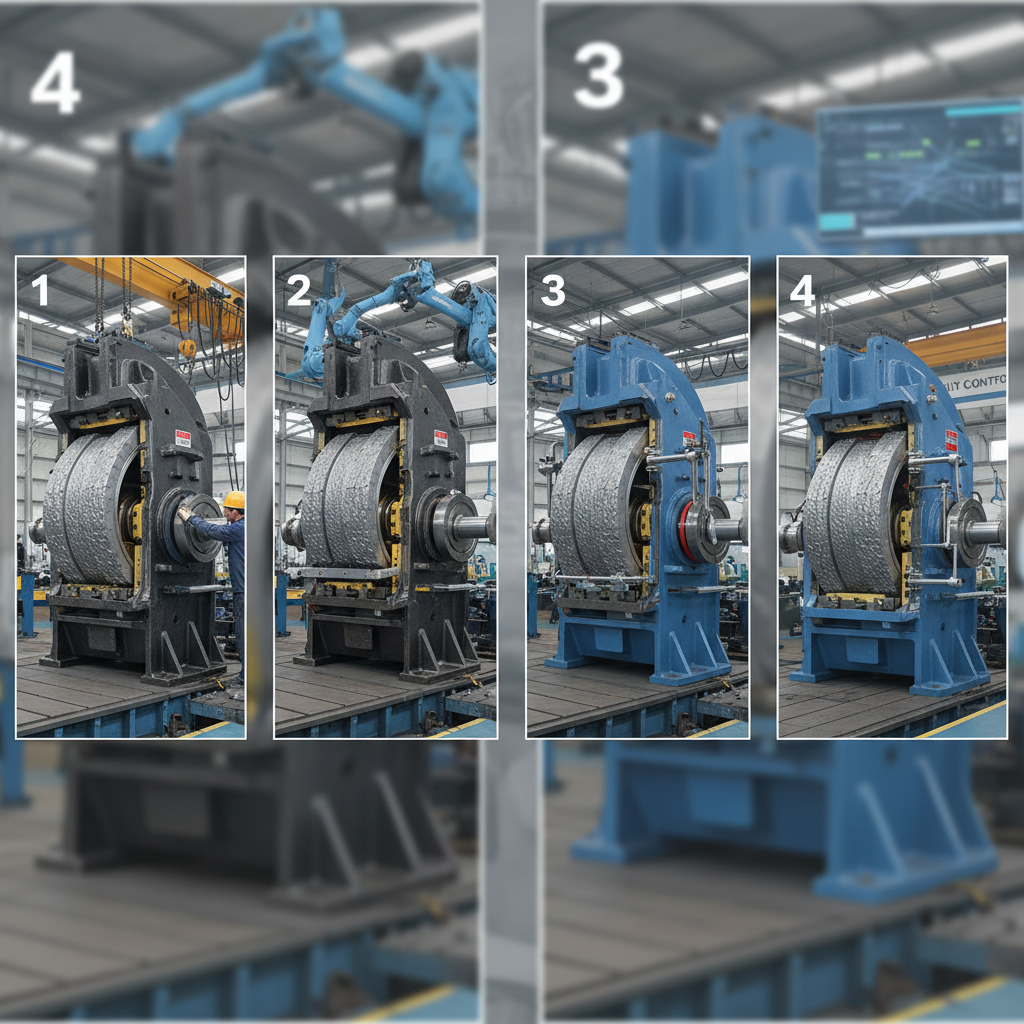
Finally, improper installation often leads to premature component failure. To combat this, modern manufacturers are providing integrated installation guides and precision-machined mounting surfaces, ensuring a perfect fit that prevents vibration and shifting during high-load operations.
Comparison of Material Performance in Jaw Crusher Components
| Material Type |
Hardness (HB) |
Impact Resistance |
Application Suitability |
| Mn13Cr2 |
200-250 |
High |
Medium-hard rocks |
| Mn18Cr2 |
220-270 |
Very High |
Highly abrasive ores |
| High Chrome |
500-600 |
Medium |
Low-impact, high-wear |
| Alloy Steel |
300-400 |
Medium |
General construction waste |
| Cast Iron |
150-200 |
Low |
Soft limestone/coal |
| Composite Steel |
350-450 |
High |
Mixed aggregate materials |
FAQS
Replacement intervals depend on the material being crushed and the alloy used. Generally, jaw plates are inspected weekly. High-manganese steel parts in hard-rock applications may last 3-6 months, while softer materials can extend this. The key is to replace them before the wear reaches the structural frame to avoid permanent machine damage.
Mn13 is suitable for medium-hard materials and provides good work-hardening. Mn18 contains higher manganese, offering superior toughness and wear resistance for extremely hard and abrasive materials. Choosing the wrong grade can lead to either premature wear (Mn13 in hard rock) or inefficiency due to lack of hardness (Mn18 in soft rock).
Yes, provided the manufacturer adheres to strict metallurgical standards and precision tolerances. High-quality aftermarket jaw crusher components can often match or exceed OEM performance if they use superior alloys and advanced casting techniques, offering a more cost-effective solution without sacrificing reliability.
Look for a significant loss of the "tooth" profile or a flattened surface that causes material to slip rather than crush. If the thickness of the plate has decreased by more than 50-60%, or if you notice a drop in throughput and an increase in energy consumption, it is time for a replacement.
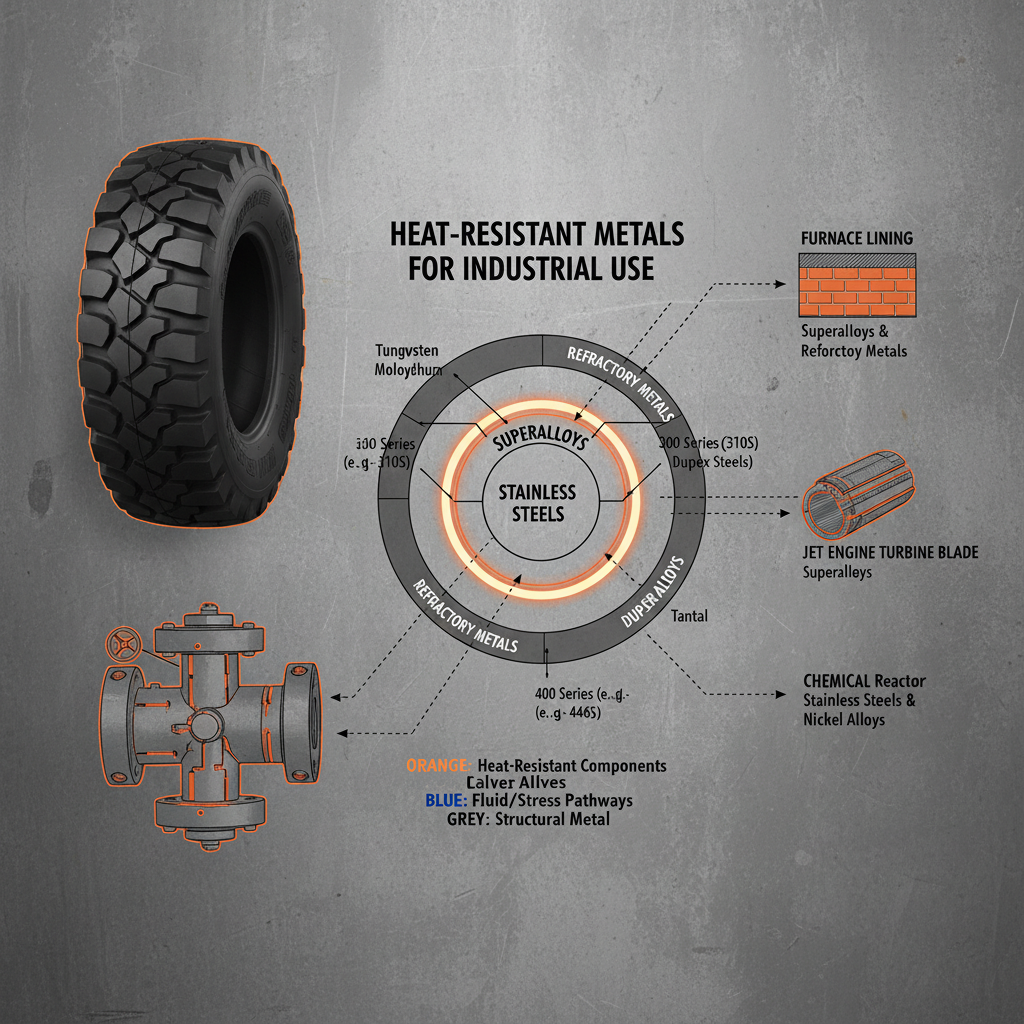
Absolutely. In high-friction environments, components can heat up significantly, which can soften certain metals. Heat-resistant steel maintains its structural integrity and hardness at elevated temperatures, preventing the components from warping and ensuring a consistent crushing gap during continuous 24/7 operations.
Premature cracking is usually caused by "tramp iron"—non-crushable objects like steel beams—entering the chamber. It can also result from internal casting defects or improper heat treatment that makes the metal too brittle. Regular screening of feed material and choosing high-toughness alloys are the best preventative measures.
Conclusion
The operational success of any primary crushing circuit is inextricably linked to the quality and durability of its jaw crusher components. From the critical role of manganese alloys in resisting abrasion to the impact of precision casting on machine longevity, every technical detail contributes to the bottom line. By balancing material hardness, design geometry, and predictive maintenance, industrial operators can maximize their throughput while minimizing costly downtime.
As we move toward a future of smarter, greener mining and construction, the evolution of crushing metallurgy will continue to play a pivotal role. We recommend that operators move toward data-driven component replacement schedules and explore high-performance alloys to ensure their operations remain competitive. For those seeking industry-leading reliability and precision-engineered parts, visit our website: www.dzmccasting.com.