Maintaining peak operational efficiency in heavy-duty mining and quarrying requires a strategic approach to equipment maintenance, where the quality of jaw crusher spares becomes the deciding factor between seamless production and costly downtime. These components, subjected to extreme compressive forces and abrasive wear, are the heartbeat of the crushing circuit, ensuring that raw ore is reduced to manageable sizes for subsequent processing.
Across the global mining landscape, the demand for high-performance wear parts is driven by the need to process harder materials and increase throughput. Understanding the metallurgy and precision engineering behind these spares allows operators to extend the lifecycle of their machinery, reduce the frequency of replacements, and optimize the overall cost-per-ton of crushed material.
Whether you are managing a large-scale granite quarry or a specialized metal ore facility, investing in premium jaw crusher spares is not merely a maintenance task—it is a financial strategy. By focusing on durability, material compatibility, and precise fit, companies can safeguard their capital investments and ensure a sustainable, high-yield production environment.
Global Relevance of Jaw Crusher Spares
In the current global industrial climate, the reliance on mineral extraction for infrastructure and technology has reached an all-time high. According to industry benchmarks, unexpected downtime in primary crushing stages can lead to losses exceeding tens of thousands of dollars per hour. This makes the availability and reliability of jaw crusher spares a critical concern for mining conglomerates and small-scale operators alike.
From the iron ore mines of Australia to the copper belts of Africa, the challenge remains the same: battling the relentless abrasion of hard rock. The global supply chain for these parts must adhere to strict ISO standards to ensure that replacements fit perfectly and perform predictably under extreme stress, preventing catastrophic machine failure and ensuring worker safety.
Defining High-Performance Crusher Components
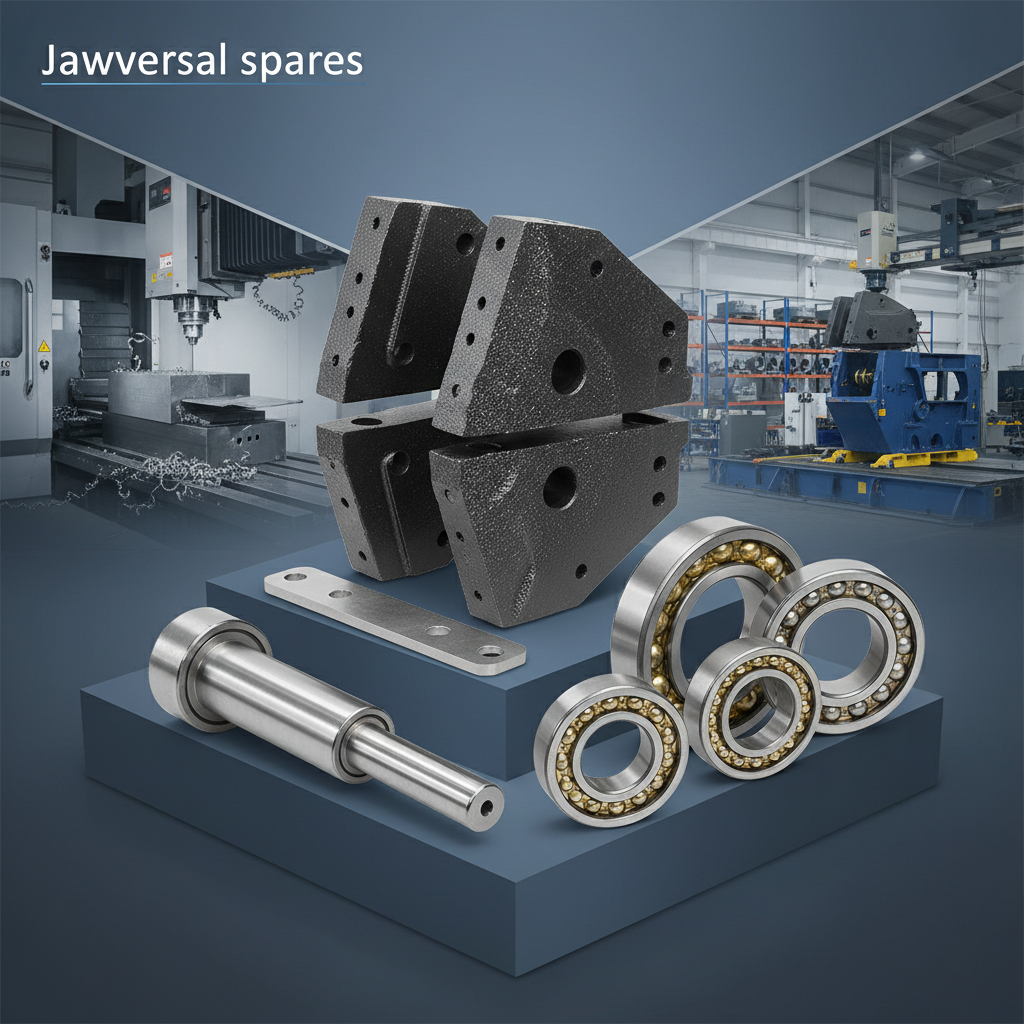
Simply put, jaw crusher spares are the replaceable wear parts and mechanical components that enable a jaw crusher to function. The most prominent among these are the fixed and swing jaw plates, which directly contact the material, as well as toggle plates, cheek plates, and various bearings and fasteners. These parts are designed to be sacrificial; they wear down over time so that the main frame of the crusher remains intact.
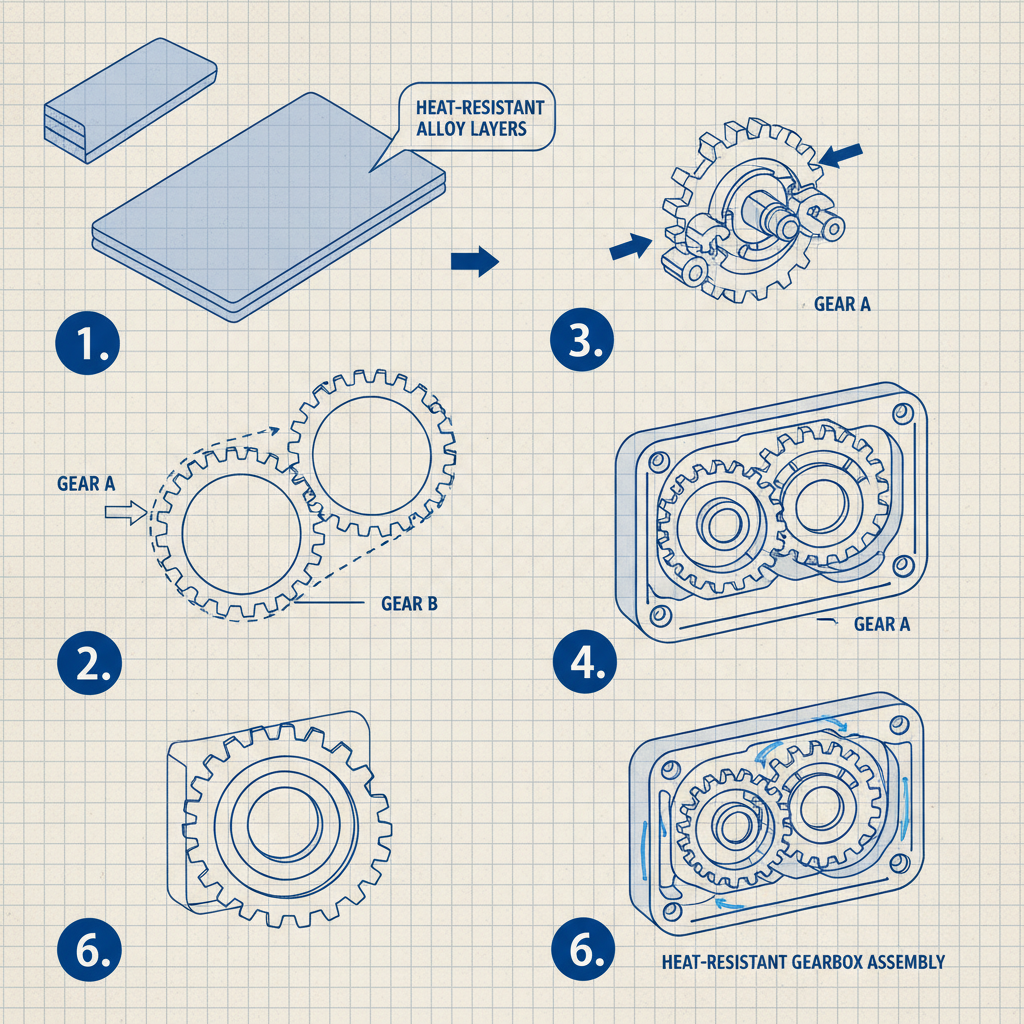
In the context of modern heavy industry, these components are more than just "pieces of metal." They are engineered solutions involving complex metallurgy—often utilizing manganese steel or heat-resistant alloys—to balance hardness (to resist abrasion) with toughness (to prevent cracking under impact). This duality is essential for handling the unpredictable nature of raw mined materials.
The connection between these spares and global productivity is direct. Without a steady supply of high-quality replacements, the primary stage of mineral processing would grind to a halt, creating a bottleneck that affects everything from construction steel production to the manufacturing of electronics.
Core Factors Influencing Component Longevity
One of the primary drivers of success when selecting jaw crusher spares is Metallurgical Composition. The use of High-Manganese steel is standard because of its work-hardening property; as the material is struck, the surface becomes harder, creating a natural shield against further wear.
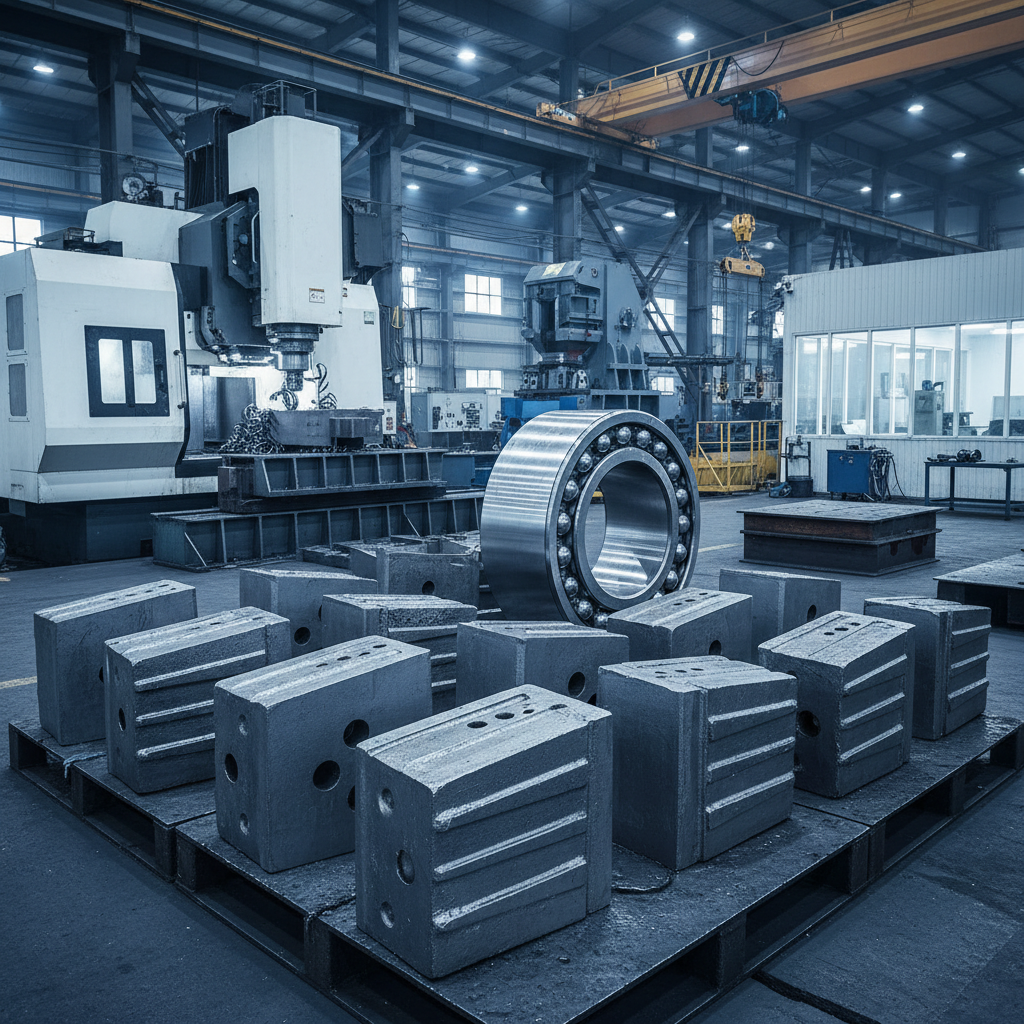
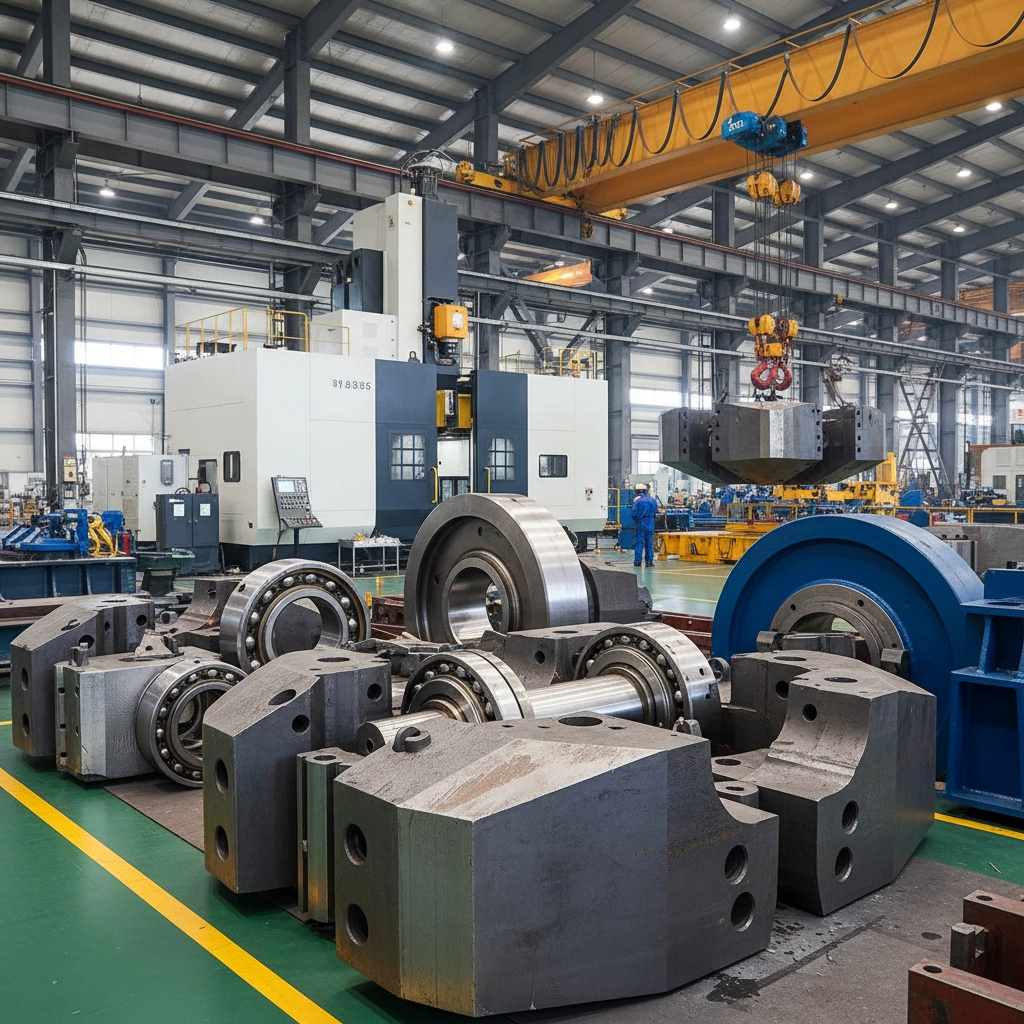
Precision Fit and Tolerance is equally critical. If a jaw plate does not sit flush against the frame, it creates stress concentrations that lead to premature cracking. High-quality jaw crusher spares are cast and machined to exact specifications, ensuring a seamless interface that distributes crushing forces evenly across the entire surface.
Finally, Operational Scalability refers to the ability to choose different liner profiles based on the material being processed. Whether it is a "standard" tooth profile for general limestone or a "heavy-duty" profile for hard basalt, matching the spare part design to the application significantly extends the operational window between maintenance stops.
Practical Applications and Global Use Cases
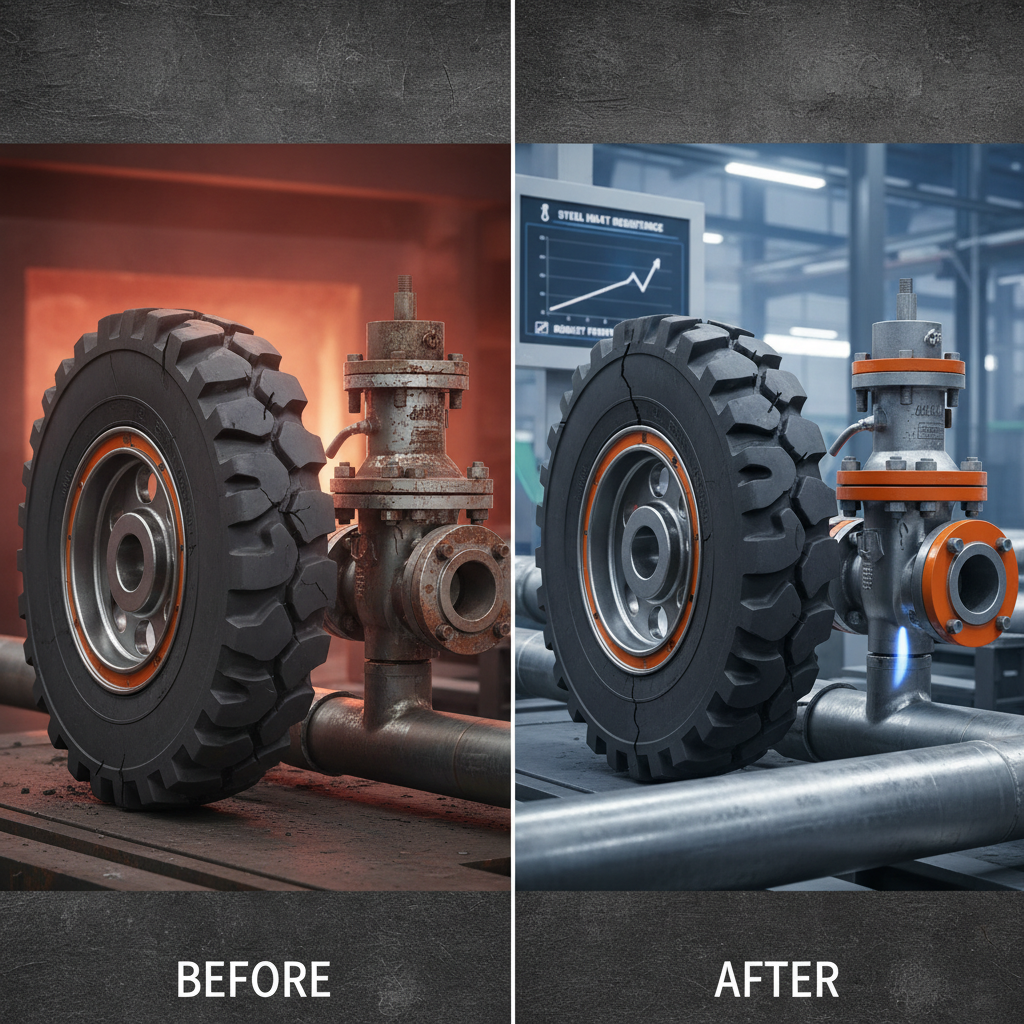
The application of jaw crusher spares varies wildly depending on the geological environment. In the remote industrial zones of Northern Canada, for instance, components must be designed to withstand not only the abrasive rock but also extreme temperature fluctuations that can make standard steel brittle. In these regions, specialized heat-treated alloys are employed to maintain structural integrity.
Conversely, in the high-humidity environments of Southeast Asian quarries, the focus shifts toward preventing corrosion-induced stress. Here, the integration of chromium-enhanced alloys in the spares helps maintain surface smoothness and prevents the "pitting" that often precedes a major fracture in the jaw plates.
Comparative Performance of Jaw Crusher Spares Materials
Long-Term Economic and Operational Value
The true value of investing in premium jaw crusher spares lies in the reduction of the Total Cost of Ownership (TCO). While lower-cost alternatives may seem attractive initially, they often lead to more frequent replacements and increased labor costs. High-grade spares provide a logical advantage by increasing the "uptime" ratio, allowing the plant to maintain a consistent output stream without unplanned interruptions.
Beyond the balance sheet, there is a critical safety and trust component. A failed toggle plate or a fractured jaw plate during operation can lead to catastrophic machine failure, posing a severe risk to onsite personnel. By utilizing certified, high-strength spares, operators gain the peace of mind that their equipment can handle peak loads safely, fostering a culture of reliability and professional excellence within the facility.
Future Innovations in Wear-Resistant Materials
The industry is currently moving toward "Smart Wear" solutions. We are seeing the integration of embedded sensors within jaw crusher spares that can monitor wear levels in real-time. This digital transformation allows for predictive maintenance, where spares are ordered and scheduled for replacement exactly when needed, eliminating the guesswork and reducing wasteful premature replacements.
Moreover, advances in powder metallurgy and 3D metal printing are enabling the creation of components with gradient densities. This means a single jaw plate could have an ultra-hard surface for wear resistance and a tougher, more flexible core to absorb shocks. This hybrid approach is set to redefine the lifespan expectations of crusher components.
Sustainability is also playing a larger role. New recycling processes for manganese steel are allowing manufacturers to produce high-quality jaw crusher spares with a lower carbon footprint, aligning industrial growth with global green energy policies and environmental regulations.
Overcoming Common Maintenance Challenges
One of the most persistent challenges in the field is the "incorrect fit" issue, often caused by using generic spares that don't account for the specific wear state of the machine frame. The solution lies in precision casting and the use of customized templates. By providing exact dimensions and utilizing advanced CNC machining, manufacturers can ensure that jaw crusher spares slide into place perfectly, reducing installation time from days to hours.
Another common hurdle is the premature failure of parts due to "tramping"—where non-crushable material (like scrap metal) enters the chamber. To combat this, the industry is shifting toward the use of high-impact resistant toggle plates that act as a safety fuse, breaking intentionally to protect the more expensive main frame and jaw plates.
Finally, educational training for maintenance crews is essential. Understanding how to properly tension the plates and monitor the gap (CSS - Closed Side Setting) ensures that the spares are not subjected to uneven loads, thereby maximizing the utility of every component installed.
Technical Specification Comparison of Jaw Crusher Spares
| Component Type |
Material Grade |
Wear Resistance (1-10) |
Expected Lifecycle |
| Fixed Jaw Plate |
High Mn Steel |
9 |
12-18 Months |
| Swing Jaw Plate |
Mn-Cr Alloy |
10 |
10-15 Months |
| Toggle Plate |
Forged Alloy Steel |
7 |
24-36 Months |
| Cheek Plate |
Medium Mn Steel |
8 |
18-24 Months |
| Pitman Bearing |
Precision Steel |
6 |
36-48 Months |
| Side Liners |
Hardened Cast Iron |
8 |
12-20 Months |
FAQS
Replacement frequency depends on the hardness of the material you are crushing and the volume of throughput. Generally, jaw plates should be inspected monthly. For hard granite, replacements may be needed every 6-12 months, whereas softer limestone may allow for 18-24 months of use. We recommend tracking "tons processed" to establish a predictive replacement schedule.
High-manganese steel is preferred for jaw crusher spares because of its work-hardening capability. Under the impact of crushing, the surface transforms into a harder structure (martensite), which significantly resists abrasive wear while the core remains tough enough to absorb heavy shocks without cracking.
Yes, provided they are manufactured to the same precision standards. Many high-quality aftermarket jaw crusher spares actually outperform OEM parts by utilizing superior alloys or improved casting techniques. The key is ensuring the metallurgical composition and dimensional tolerances are identical to or better than the original specifications.
Common signs include a noticeable decrease in production capacity, an increase in "oversize" material in the output, and a rise in energy consumption per ton. Visually, when the "teeth" of the jaw plates have flattened and the wear has reached the safety limit line, immediate replacement is required to avoid damaging the crusher frame.
Absolutely. We offer various profiles such as "Standard" for general-purpose crushing, "Fine" for producing smaller aggregates, and "Heavy Duty" for extremely abrasive materials. Choosing the correct profile for your specific ore type can increase the lifespan of your spares by up to 30%.
Ensure that the plates are seated perfectly flush against the frame; any gap can cause stress fractures. Additionally, avoid feeding the crusher with materials that are too large for the opening or containing uncrushable metal scraps. Regularly checking the toggle plate tension can also prevent uneven loading on the jaw plates.
Conclusion
In summary, the strategic selection and maintenance of jaw crusher spares are fundamental to the viability of any mining or quarrying operation. By focusing on the synergy between metallurgical quality, precision fit, and application-specific design, operators can drastically reduce downtime and optimize their cost-per-ton. The transition from reactive to predictive maintenance, supported by high-performance wear parts, ensures a stable and profitable production cycle.
Looking forward, the integration of smart monitoring and advanced alloy engineering will continue to push the boundaries of what is possible in material processing. We encourage operators to audit their current wear-part lifecycles and consider upgrading to heat-resistant and high-manganese solutions to stay competitive in an increasingly demanding global market. For premium, precision-engineered components, visit our website: www.dzmccasting.com