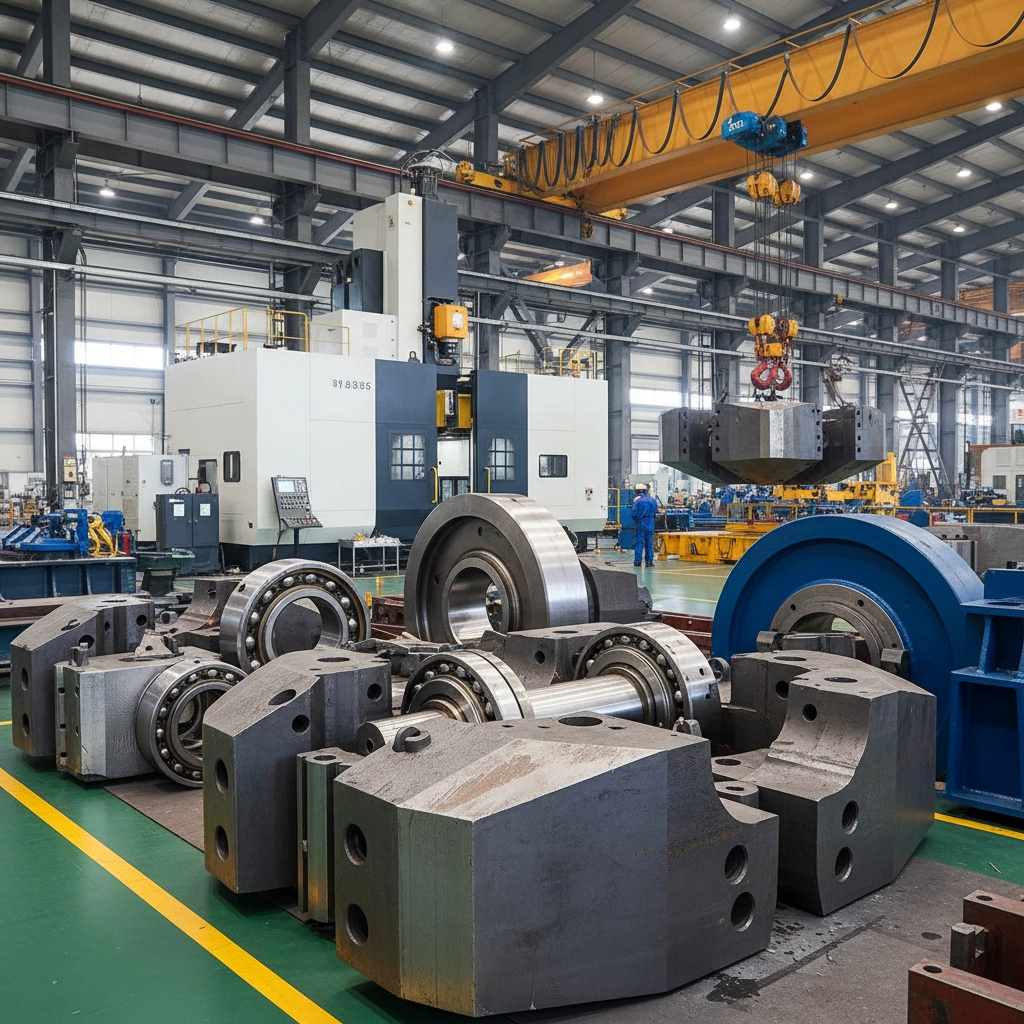
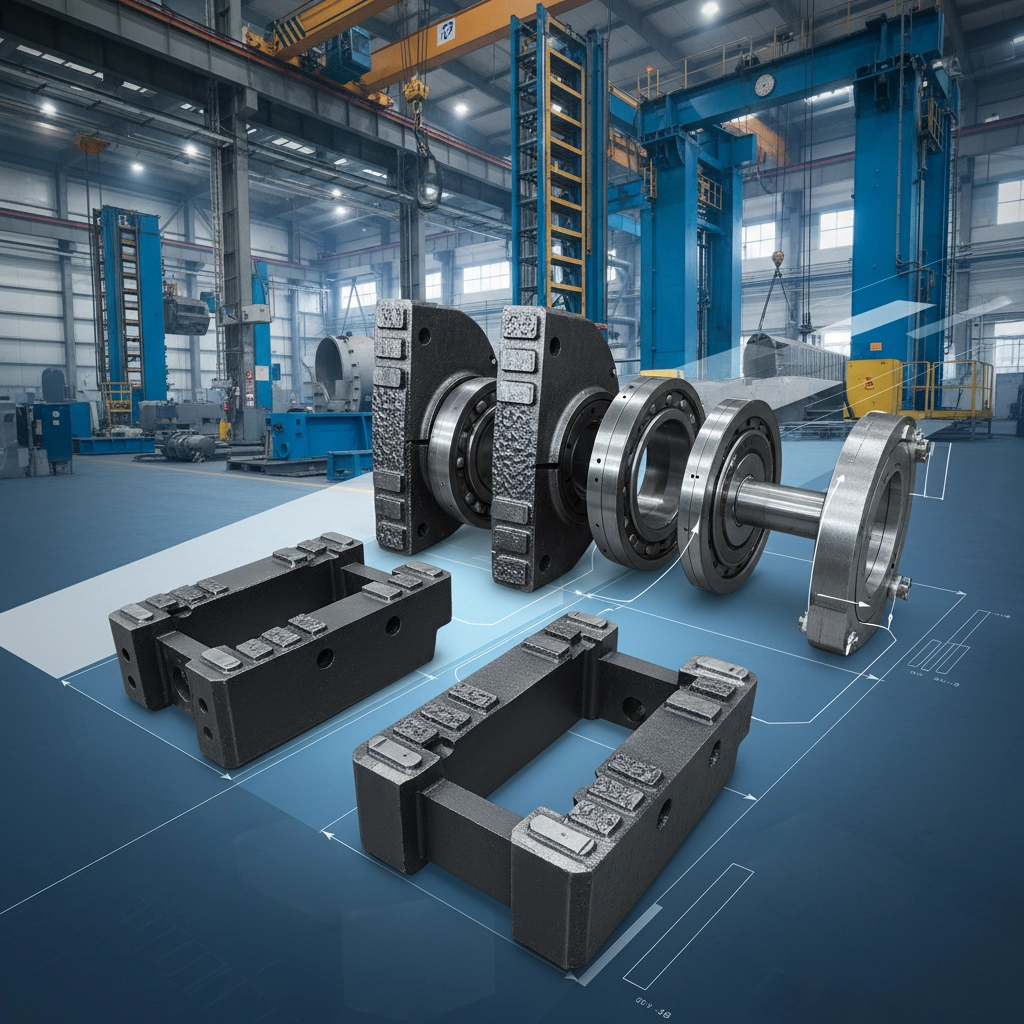
The efficiency of any mineral processing operation hinges on the reliability of its primary crushing stage, where jaw crusher machine parts play a pivotal role in transforming massive raw ore into manageable sizes. In the demanding environments of mining and quarrying, these components are subjected to extreme compressive forces and abrasive wear, making the quality of the metallurgy a deciding factor in operational uptime. Understanding the synergy between material science and mechanical design is essential for operators looking to minimize costly unplanned shutdowns.
On a global scale, the demand for high-performance jaw crusher machine parts has surged as mining operations move toward harder rock deposits and more remote locations. The ability to maintain a consistent throughput depends entirely on the durability of the wear plates and toggle plates, which act as the "teeth" and "skeleton" of the machine. When these parts fail, the entire production chain grinds to a halt, impacting everything from downstream milling to final product delivery.
Investing in premium, heat-resistant steel and precision-cast components ensures that equipment can withstand the rigorous cycles of crushing without premature deformation. By focusing on the optimization of jaw crusher machine parts, companies can significantly reduce their total cost of ownership while enhancing safety protocols for on-site personnel. This guide explores the critical dimensions of these components, from material composition to future technological trends.
Global Industry Context of Jaw Crusher Machine Parts
The global mining and aggregates sector is currently navigating a period of intense pressure to increase yield while adhering to stricter environmental and safety standards. According to industry benchmarks and ISO quality guidelines, the reliability of primary crushing equipment is the leading indicator of plant efficiency. Because jaw crusher machine parts are the primary interface between the machine and the raw material, they bear the brunt of the mechanical stress, making their failure rate a critical KPI for mine managers worldwide.
In regions such as Sub-Saharan Africa and Southeast Asia, where infrastructure may be limited, the longevity of these parts becomes a matter of survival for the operation. The challenge lies in the unpredictability of the ore hardness; a sudden vein of highly abrasive quartz can shred standard manganese steel liners in a fraction of their expected lifespan. This volatility drives the need for high-grade, heat-resistant steel products that can maintain structural integrity under extreme thermal and mechanical loads.
Defining the Role of Jaw Crusher Machine Parts
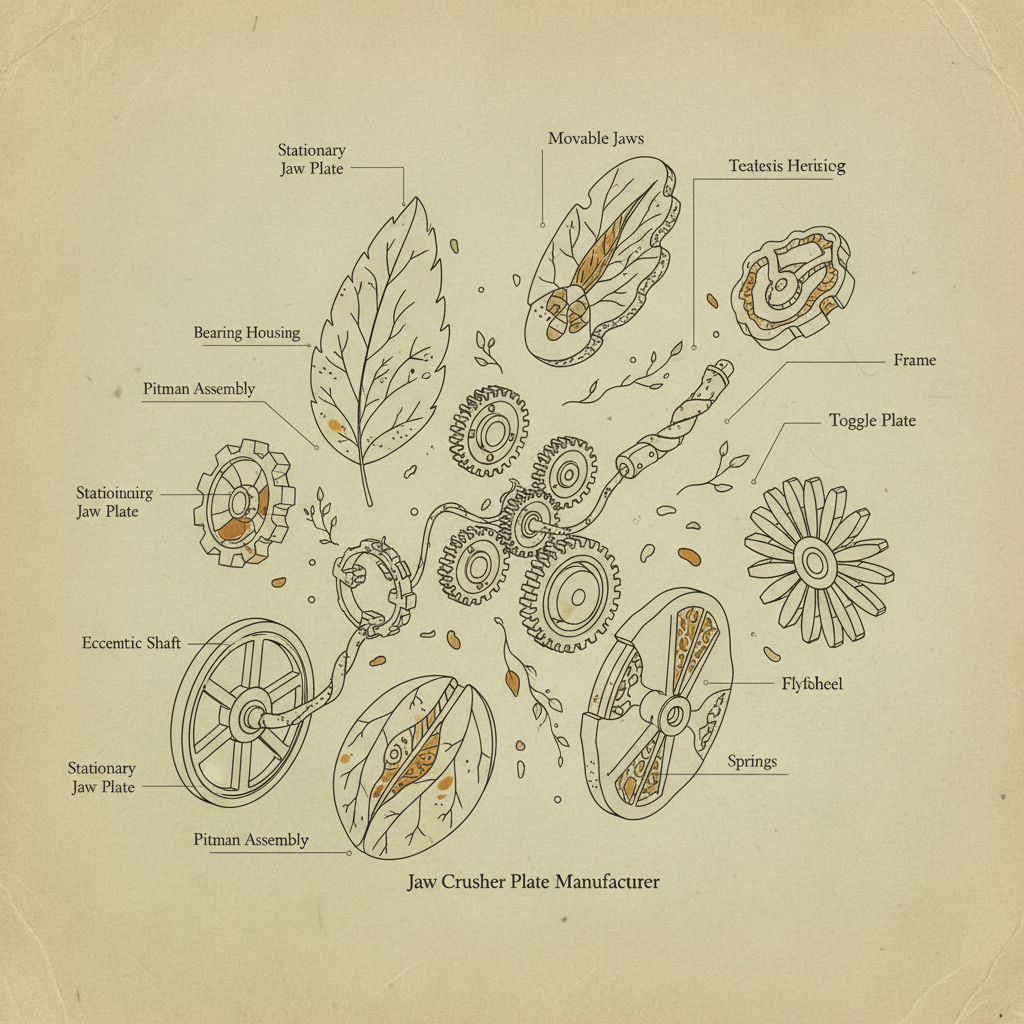
In simple terms, jaw crusher machine parts refer to the ensemble of replaceable and structural components that allow a jaw crusher to function. This includes the fixed jaw plate, the swing jaw plate, the toggle plate, and the pitman. These parts work in tandem to create a powerful "chewing" action, utilizing compressive force to fracture hard rock. Without high-precision casting, the alignment of these parts would drift, leading to uneven wear and catastrophic machine failure.
Beyond the mechanical function, these components are deeply connected to modern industrial sustainability. By utilizing advanced casting techniques and alloyed steels, manufacturers can create parts that last longer, thereby reducing the frequency of replacement. This not only lowers the carbon footprint associated with the production and transport of heavy steel components but also reduces the amount of industrial waste generated by scrapped wear liners.
For humanitarian and infrastructure projects—such as building roads in remote disaster-recovery zones—the availability of standardized jaw crusher machine parts is vital. Portable crushers rely on these interchangeable parts to ensure that road-base material can be produced on-site, accelerating the restoration of critical transport links and providing the foundation for reconstruction efforts.
Core Factors Affecting Part Durability
Material composition is the foremost factor determining the lifespan of jaw crusher machine parts. Most high-wear components are crafted from Hadfield manganese steel, which possesses the unique property of work-hardening. As the material is impacted by the rock, the surface becomes harder, while the core remains tough and ductile, preventing the part from cracking under sudden shock loads.
Precision engineering and dimensional accuracy are equally critical. If jaw crusher machine parts are not cast to exact tolerances, the distribution of pressure across the jaw plate becomes uneven. This leads to "hot spots" of wear, where certain areas of the liner erode significantly faster than others, eventually compromising the structural integrity of the entire crusher frame.
Finally, the operating environment—specifically moisture and chemical composition of the ore—influences the degradation of these parts. Corrosion can accelerate wear by creating micro-pitting on the surface of the steel, which then acts as a catalyst for abrasive wear. Implementing specialized coatings or using heat-resistant steel products can mitigate these effects, ensuring a longer service interval between replacements.
Comparative Performance of Component Materials
When selecting jaw crusher machine parts, operators must balance the trade-off between hardness and toughness. While extremely hard materials resist abrasion, they can be brittle and prone to fracturing when encountering oversized "tramp iron" or exceptionally hard boulders. Conversely, softer materials may absorb shock well but will wear down rapidly, increasing the frequency of maintenance stops.
To optimize performance, many modern plants utilize a graded approach, employing different alloy compositions for the upper and lower sections of the jaw plates. This strategic placement ensures that the high-impact zone is reinforced for toughness, while the lower discharge zone is optimized for abrasion resistance, maximizing the overall utility of the jaw crusher machine parts.
Wear Resistance and Durability Analysis of Jaw Crusher Machine Parts
Global Applications and Real-World Use Cases
In the expansive iron ore mines of Western Australia and Brazil, jaw crusher machine parts are operated at an industrial scale, processing thousands of tons of material per hour. In these environments, the focus is on "scalability" and "interchangeability." The ability to quickly swap out a worn jaw plate with a precision-cast replacement allows these mega-mines to maintain a 24/7 production cycle, where even a few hours of downtime can result in millions of dollars in lost revenue.
Alternatively, in smaller-scale quarrying operations in Europe and North America, the emphasis shifts toward "cost efficiency" and "sustainability." These operators often utilize modular jaw crusher machine parts that can be refurbished or replaced with higher-efficiency alloys to meet stringent local emissions and noise regulations. By optimizing the crushing ratio through the use of specialized jaw profiles, they reduce the energy consumption of the motor, contributing to a greener industrial footprint.
Long-Term Value and Operational Advantages
The long-term value of investing in premium jaw crusher machine parts extends far beyond the initial purchase price. From a logical perspective, high-grade alloys reduce the frequency of maintenance cycles, which translates directly into lower labor costs and less equipment idling. When parts are engineered for maximum longevity, the "cost per ton" of material crushed drops significantly, enhancing the overall profitability of the mining venture.
Beyond the numbers, there is a critical emotional and safety angle. Worn-out crusher parts are prone to catastrophic failure, such as the snapping of a toggle plate, which can send heavy metal fragments flying or cause the machine to seize violently. By utilizing reliable, certified jaw crusher machine parts, companies provide their workers with a safer environment and the peace of mind that the equipment will behave predictably under load.
Furthermore, the use of precision-engineered parts fosters innovation within the plant. When the primary crushing stage is stable, engineers can focus on optimizing downstream processes, such as secondary and tertiary crushing or fine screening. This systemic reliability creates a culture of trust and excellence, where the focus shifts from "fixing what is broken" to "optimizing what is working."
Future Innovations in Crusher Metallurgy
The future of jaw crusher machine parts is being shaped by the intersection of digital transformation and material science. We are seeing the rise of "smart liners"—wear plates embedded with sensors that can monitor wear in real-time and alert operators via IoT platforms before a failure occurs. This shift from reactive to predictive maintenance will virtually eliminate unplanned downtime and optimize the replacement schedule based on actual wear rather than estimated hours.
In terms of materials, the industry is moving toward advanced composite alloys and nano-structured steels. These new materials aim to combine the hardness of ceramics with the toughness of steel, potentially doubling the lifespan of traditional manganese liners. Additionally, the integration of 3D printing (additive manufacturing) for complex jaw crusher machine parts allows for the creation of optimized internal geometries that reduce weight without sacrificing strength.
Sustainability will also play a larger role, with a push toward circular economy models where worn-out parts are returned to the foundry for recycling and re-casting. This closed-loop system reduces the reliance on virgin iron ore and decreases the energy intensity of part production, aligning the heavy machinery industry with global green energy goals.
Performance Analysis of Modern Jaw Crusher Machine Parts Materials
| Material Type |
Wear Resistance |
Impact Toughness |
Maintenance Cycle |
| Hadfield Manganese |
High (Work-hardening) |
Excellent |
Standard |
| High-Chrome Alloy |
Very High |
Moderate |
Extended |
| Heat-Resistant Steel |
Moderate-High |
Very High |
Extended |
| Standard Cast Steel |
Low-Moderate |
Good |
Frequent |
| Nano-Structured Alloy |
Extreme |
High |
Very Long |
| Composite Steel |
High |
Excellent |
Long |
FAQS
The replacement frequency depends on the abrasiveness of the material being crushed. For soft limestone, liners may last several months; however, for abrasive granite or quartz, they may need replacement every few weeks. We recommend conducting weekly visual inspections to check for "cupping" or excessive thinning of the jaw plates to prevent damage to the machine frame.
Manganese steel is designed for high-impact applications because it work-hardens under pressure, making it ideal for primary crushing of large boulders. Chrome steel is significantly harder and resists abrasion better but is more brittle. Use manganese for high-impact loads and chrome alloys for high-abrasion, lower-impact environments.
Yes, provided the parts meet the same metallurgical and dimensional standards. Many high-quality casting specialists offer parts that match or exceed OEM specifications in terms of wear resistance. The key is to ensure the parts are precision-cast to avoid alignment issues that could lead to premature wear or structural failure.
To extend the life of your parts, ensure the crusher is fed consistently to avoid "empty" cycles that cause metal-on-metal impact. Additionally, maintain the correct CSS (Closed Side Setting) and ensure the toggle plate is properly seated. Using high-grade heat-resistant steel products can also reduce the impact of thermal stresses during continuous operation.
While not every part requires extreme heat resistance, components subjected to high friction and continuous heavy loads benefit from these materials. Heat-resistant steel prevents the metal from softening (annealing) under operational heat, ensuring that the hardness and structural integrity of the part are maintained over long shifts.
Look for visible deformation, hairline cracks, or excessive thinning of the plate. A toggle plate is designed as a "safety fuse" to protect the machine from uncrushable objects; if it shows signs of bending or warping, it should be replaced immediately to avoid a complete machine shutdown or damage to the pitman.
Conclusion
In summary, the operational success of any crushing plant is inextricably linked to the quality and maintenance of its jaw crusher machine parts. From the selection of work-hardening manganese steels to the implementation of precision casting and predictive maintenance, every detail contributes to the overall efficiency and safety of the site. By focusing on the synergy between material science and mechanical precision, operators can significantly reduce downtime and lower their long-term operational costs.
Looking forward, the integration of smart sensors and advanced composite alloys will redefine the lifespan of crushing components, moving the industry toward a more sustainable and autonomous future. We encourage mine managers and procurement specialists to prioritize metallurgical quality over initial cost to ensure the resilience of their production chain. For those seeking high-performance, durable solutions, visit our website: www.dzmccasting.com.